-
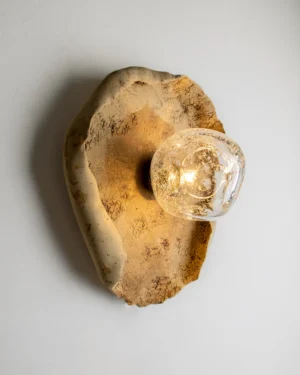 In stock
Asea No. 41 Wall Sconce in Stoneware and Blown Glass
By Ceren Gürkan
€1.000 -
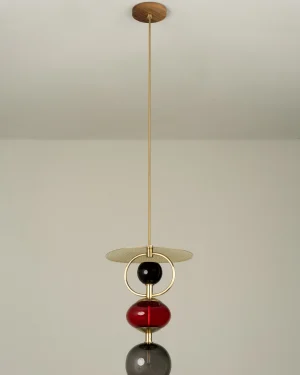
Vitrea Pendant Lamp in Glass and Brass
By Isabel Moncada
€3.802 This product has multiple variants. The options may be chosen on the product page -
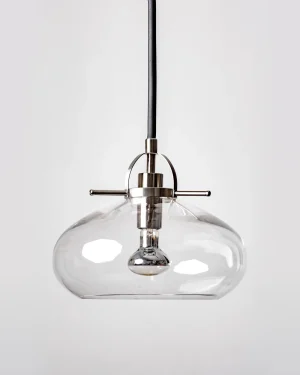 In stock
Art Deco Pendant Lamp in Glass and Stainless Steel
By Szostak Atelier
€1.000 This product has multiple variants. The options may be chosen on the product page -
 In stock
Asea No.40 Wall Sconce In Stoneware And Blown Glass
By Ceren Gürkan
€1.200 -

“citrino” Vase From The Crystals Collection Large Size
By Carol Gay
€2.614 -
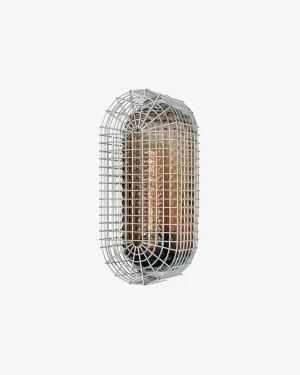
Chastity Wall Sconce in Stainless Steel and Blown Glass
By Studio S II
€1.946 -
 In stock
Y30 Ceiling Lamp in Blown Glass and Brass
By Clara Viladecans
€786 This product has multiple variants. The options may be chosen on the product page -

Kaila-II Side Table in Ribbed Glass
By Yugen Lab
€1.000 -
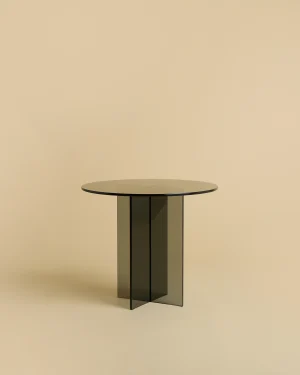
Amami Side Table in Smoked Glass
By Lebanto
€935 -

Organically Shaped Hand-blown Vase No. 2
By Szkło Studio
€1.400 -

Float Mirror Black #b_31 in Liquid Silver and Glass
By Studio Speculo
€465 -
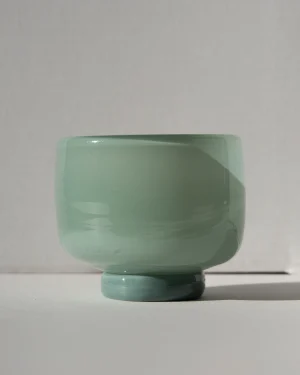
Chawan – Mass-tinted Hand-blown Glass Matcha Bowl
By OOG Objects
€200 -
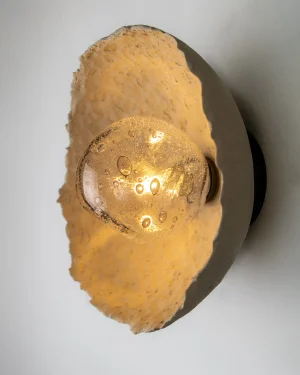 In stock
Asea No. 23 Wall Sconce in Stoneware and Blown Glass
By Ceren Gürkan
€800 -
 In stock
Sluren Table Lamp in Blown Glass
By Sara Sjöbäck
€1.450 - €1.850 This product has multiple variants. The options may be chosen on the product page -
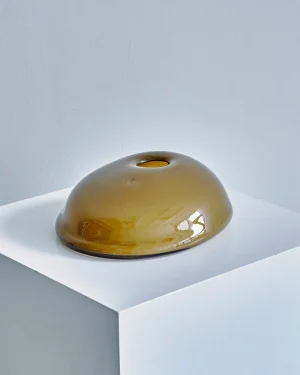 In stock
Candy Chocolate Brown Blown Glass Vase
By Jumbo
€500 -
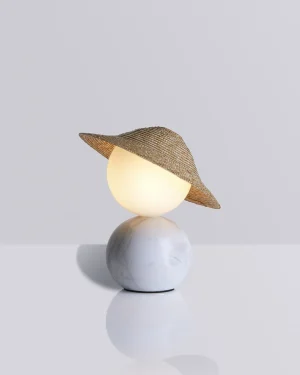 In stock
Théros 0.2 Table Lamp in Blown Glass and Marble
By Studio Aristotelis Barakos
€950 -
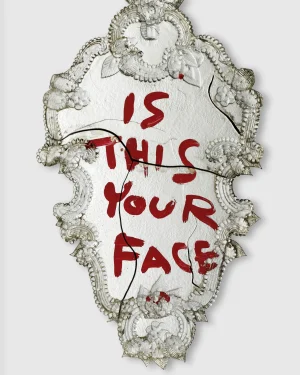
“YOUR FACE” Mirror
By Leo De Carlo
€5.000 -
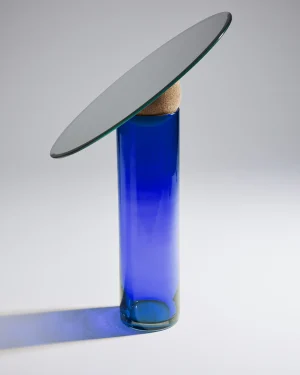 In stock
Mirror – Astra 34 Cobalt
By Clemence Birot
€540 -
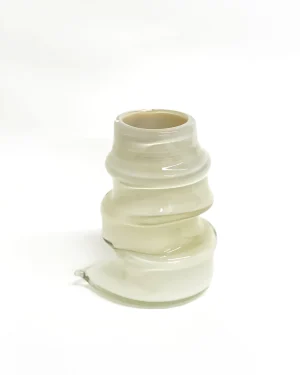
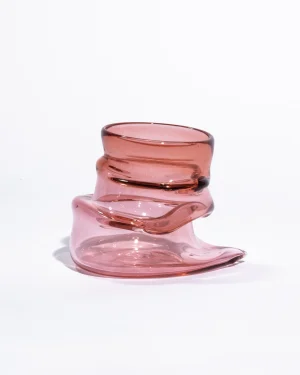
Deflated Glass Vase
By Sticky Glass
€326 This product has multiple variants. The options may be chosen on the product page -
 In stock
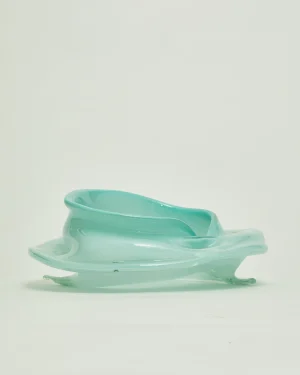
Deflated Cup
By Sticky Glass
€93 This product has multiple variants. The options may be chosen on the product page -
 In stock
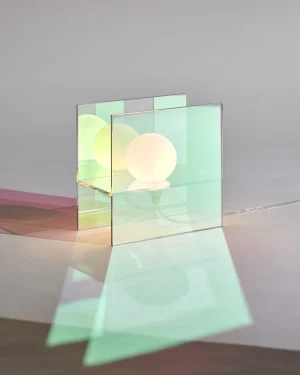
Deflated Glass Bowl
By Sticky Glass
€327 This product has multiple variants. The options may be chosen on the product page -
 In stock
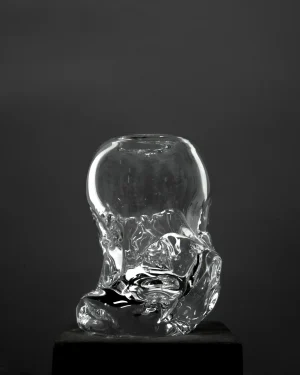
Euphoria Table Lamp in Coloured Glass
By Studio Monsoleil
€800 -
Egg Shaped Hand-blown Glass Vase
By Szkło Studio
€1.400 -
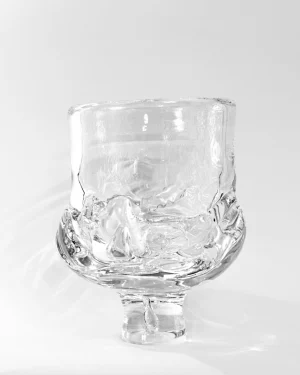
Large Hand-blown Fruit Bowl
By Szkło Studio
€1.800 -
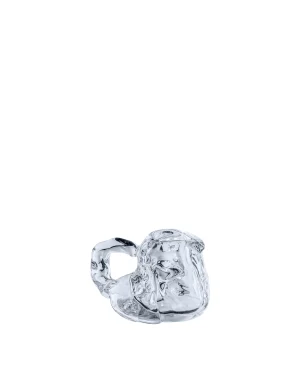
Small Hand-blown Glass Creamer
By Szkło Studio
€250 -
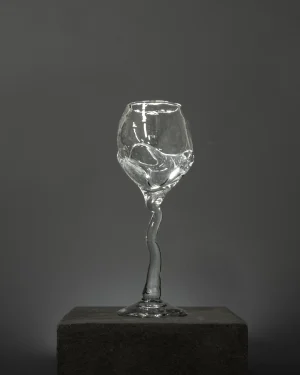 In stock
Hand-blown Wine Glass
By Szkło Studio
€220 -
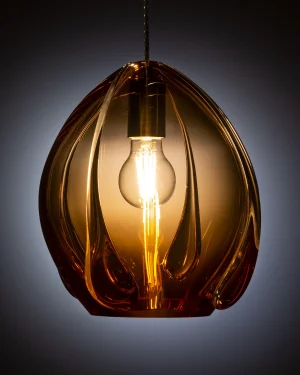
Glass Drops Fire Opal Pendant Lamp in Blown Glass
By Georgiev Kiril
€1.050 -
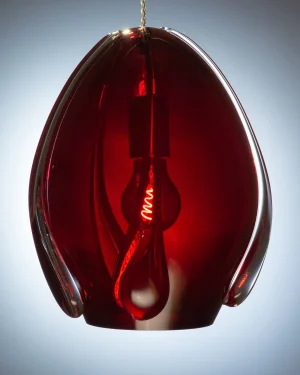
Glass Drop Pendant Lamp in Blown Glass
By Georgiev Kiril
€1.050 -
 In stock
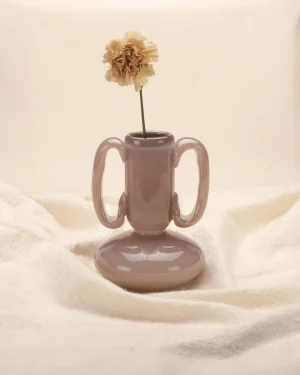
Hand-blown Glass Vase 02
By OOG Objects
€340 -
 In stock
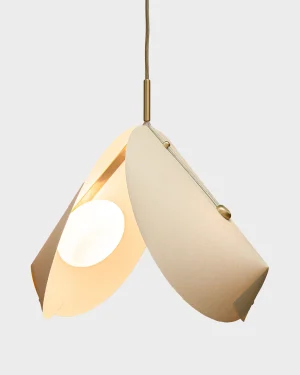
Concha Model 03 Pendant Lamp in Brass and Blown Glass
By MESEME by Riya Panchal
€434 This product has multiple variants. The options may be chosen on the product page -
 In stock
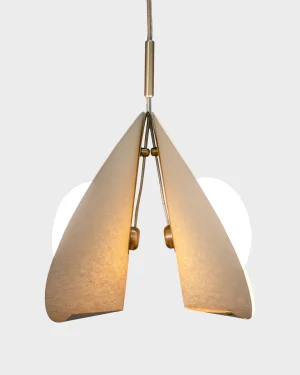
Concha Model 01 Pendant Lamp in Paper, Metals and Glass
By MESEME by Riya Panchal
€375 This product has multiple variants. The options may be chosen on the product page -
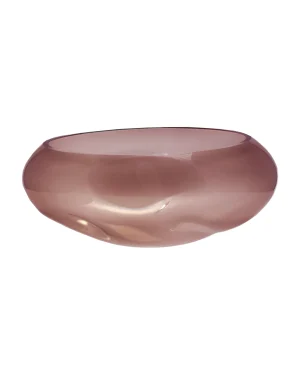
Supernova 1 Bowl – Silver Smoke Red
By ELOA - Unique Lights
€635 - €1.160 This product has multiple variants. The options may be chosen on the product page -
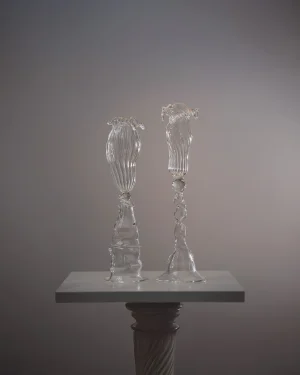
Cariño – Glass Sculptures
By PIA GLASSWORKS
€400 -
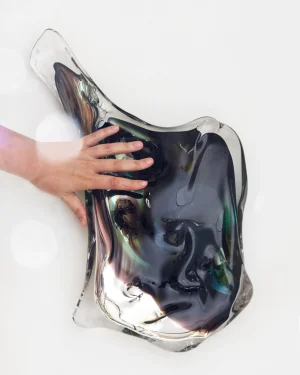
Persona Mirror Sculpture – Multicolour Small
By MILA ZILA
€800 -
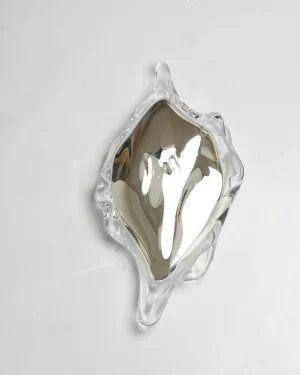
Persona Mirror Sculpture – Small
By MILA ZILA
€750 -
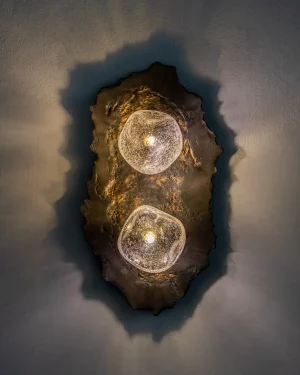
Asea No. 25 Wall Sconce in Blown Glass and Stoneware
By Ceren Gürkan
€1.100 -
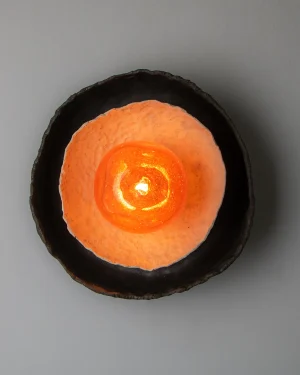
Asea No. 26 Red Wall Sconce in Blown Glass and Stoneware
By Ceren Gürkan
€1.100 -
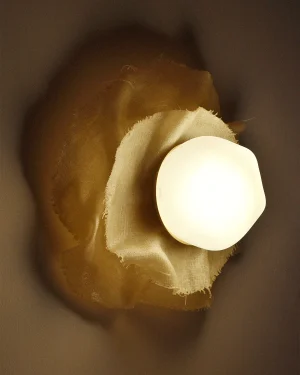
Liora II Wall Sconce in Glass, Brass and Fabric
By Atelier Alz
€350 -
 In stock
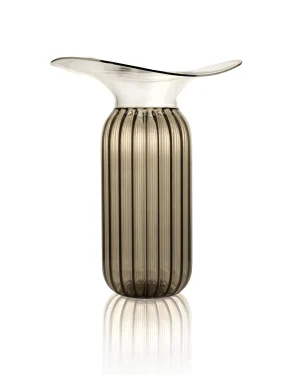
Tosca L – Vase
By KANZ
€299 -
 In stock
Dahlia Blossom Wall Sconce in Blown Glass and Steel
By Toro Manifesto
€1.500 -

Basalte Table Lamp In Lava Stone
By Clemence Birot
€2.170 -
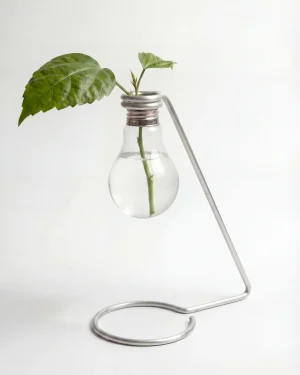 In stock
Testikel – Glass Cuttings Vase
By Olle Sahlqvist
€70 - €80 This product has multiple variants. The options may be chosen on the product page -
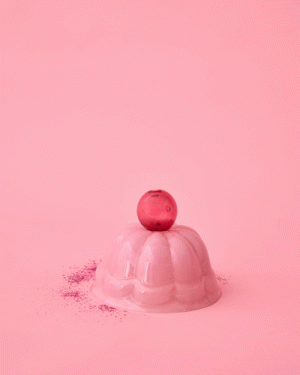
Jello – Small Glass Cloche
By STUDIO BERG
€168 This product has multiple variants. The options may be chosen on the product page -
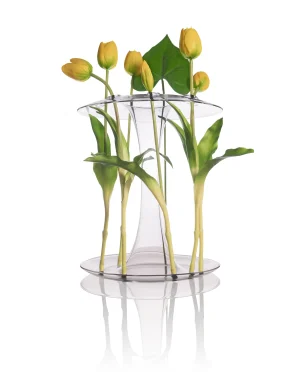 In stock
Aqua Vase
By KANZ
€156 -
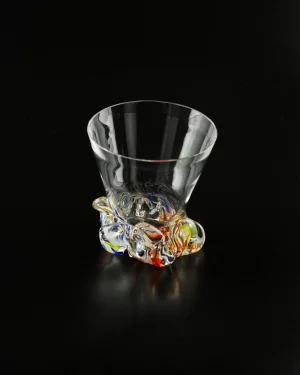 In stock
Persona Glass Multicolour
By MILA ZILA
€60 -
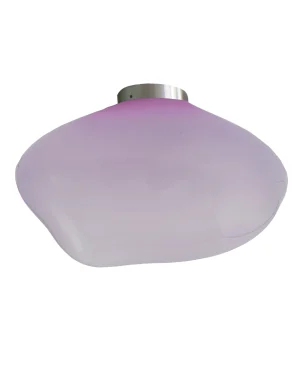
Haumea Convex Ceiling Lamp (Flieder Opaque) in Blown Glass
By ELOA - Unique Lights
€2.330 - €4.085 This product has multiple variants. The options may be chosen on the product page -
 In stock
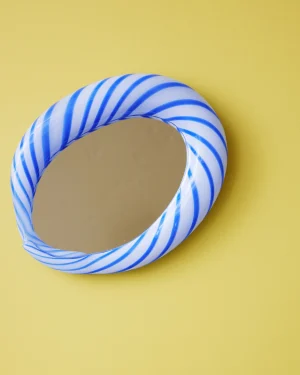
Blue Candy – Glass Blown Mirror
By STUDIO BERG
€1.496 - €2.181 This product has multiple variants. The options may be chosen on the product page -
 In stock
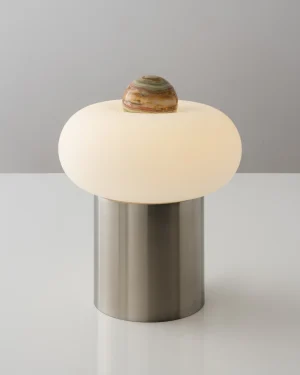
Capsula 01 Table Lamp in Blown Glass and Onyx
By Noiro Studio
€1.100 -

Mush Brown, Glass Vase
By Juliana Maurer
€832 -
 In stock
Medium Pendant Lamp in Blown Glass and Textiles
By SVITANOK
€300 - €415 This product has multiple variants. The options may be chosen on the product page -
In stock
Large Pendant Lamp in Blown Glass and Textiles
By SVITANOK
€375 - €500 This product has multiple variants. The options may be chosen on the product page -
 In stock
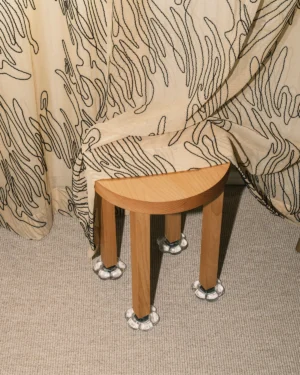
New Shoes Stool
By Studio Ebba Lindgren
€800 -
 In stock
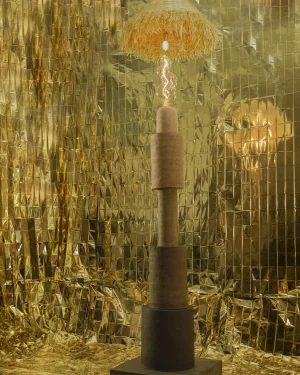
Thulani Floor Lamp in Terracotta and Rattan
By UAU Studio
€3.400 -

Fractical Neon Table Lamp in Glass
By Dace Sūna
€1.000
Glassblowing is a timeless craft dating back to 50 BCE. It's a unique way to shape glass using hot furnaces and human breath. This art form allows for endless design possibilities and is known for creating stunning, one-of-a-kind pieces.
Origins of Glassblowing
First introduced around 50 BCE in the Midle East
Main influences include Roman art and ancient craftsmanship.
Originated as a need for glass containers but quickly became an art form.
Components and Materials Used
- Glass Batch: The raw material, crucial for clarity and color.
- Colorants: Materials like metal oxides added for color.
- Pontil Rod: Used to hold the glass while crafting.
Different Techniques in Glassblowing
- Free-Blowing: Air is blown into molten glass. Good for unique shapes.
- Mold-Blowing: Air is blown into a mold. Good for making identical pieces.
Current Uses and Popular Categories
- Lighting: Such as chandeliers and table lamps.
- Furniture: Like glass tables and chairs.
- Decor: Vases, bowls, and wall art.
Notable Glassblowing Artists
- Dale Chihuly: Known for 'Seaforms'.
- Lino Tagliapietra: Famous for 'Dinosaur' series.
The Essence of Glassblowing
From its ancient origins to its modern uses, glassblowing is both functional and artistic. With a variety of techniques, artists can craft unique pieces for any setting. Whether it's lighting, furniture, or decor, each piece adds a touch of elegance. If you're interested in owning a one-of-a-kind piece, Adorno's gallery is the place to explore.