-
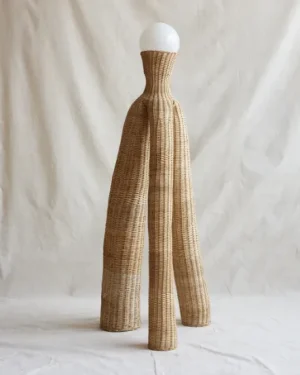
Artefacto Ls 16 Floor Lamp In Woven Wicker Fiber
By LØRDAG & SØNDAG
€1.090 -
 In stock
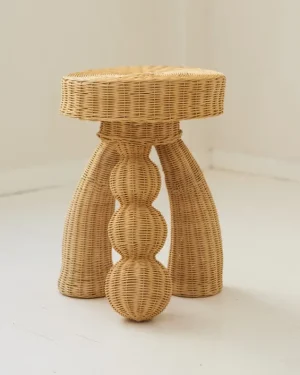
Pupa Side Table in Woven Rattan and Metal
By LØRDAG & SØNDAG
€845 -

Strikha Table Lamp in Clay
By FAINA
€1.820 -
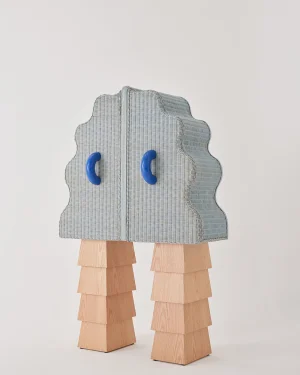
Ventura Cabinet
By Joyful Objects, Yes!
€6.900 This product has multiple variants. The options may be chosen on the product page -
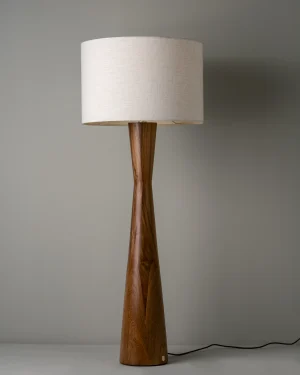
Sabina Floor Lamp in Parota Wood
By Isabel Moncada
€3.802 -
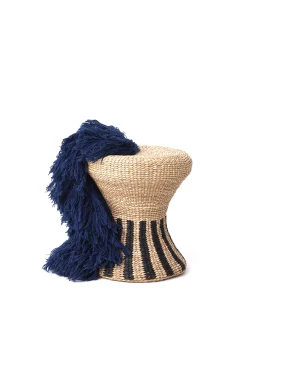
Feel Ambiguity – Textured Stool No. 3
By Lyk Carpet
€528 This product has multiple variants. The options may be chosen on the product page -

Deas Floor Lamp In Aluminum And Rattan
By Calen Knauf Studio
€1.360 -
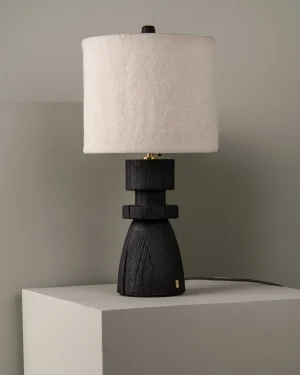
Mezquite Table Lamp in Burned Pinewood and Natural Linen
By Isabel Moncada
€2.925 -
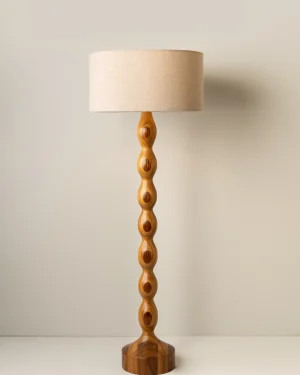
Tamarindo Floor Lamp in Parota Wood and Natural Fibers
By Isabel Moncada
€3.802 -
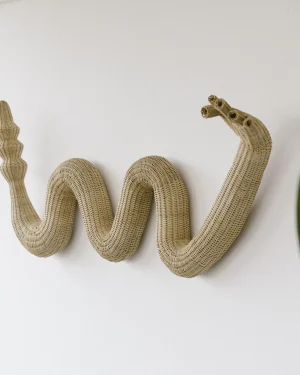
Artefacto Serpiente Ii – Woven Wicker Fiber Wall Sculpture
By LØRDAG & SØNDAG
€750 -

Terrae N°1 – Handwoven Wall Decoration
By Susanna Costantini
€910 -

Bombs Pouf
By hermhaus
€1.060 - €1.140 This product has multiple variants. The options may be chosen on the product page -
 In stock
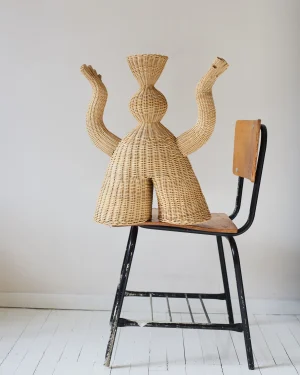
Artefacto Chan Maák Sculpture – Pol & Cab
By LØRDAG & SØNDAG
€655 This product has multiple variants. The options may be chosen on the product page -
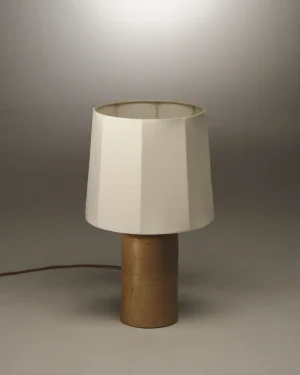
Sonora Small Table Lamp In Terracotta And Linen
By NASSI LAMPS
€1.028 This product has multiple variants. The options may be chosen on the product page -
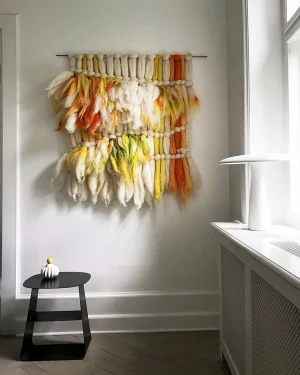
‘Woolwalls’ in Sustainable Wool – Neon Yellow, Orange and Green
By jeanett knipschildt
€1.224 -
 In stock
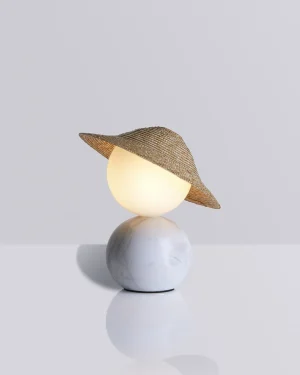
Théros 0.2 Table Lamp in Blown Glass and Marble
By Studio Aristotelis Barakos
€950 -
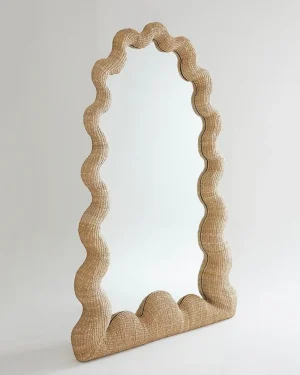
La Celebración – Handwoven Fiber Mirror
By Joyful Objects, Yes!
€6.000 -
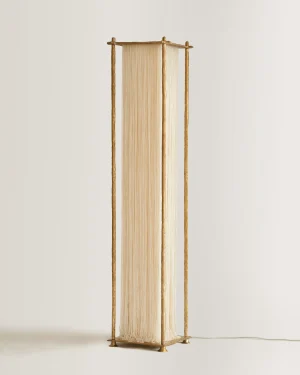
Ito Floor Lamp In Brass And Cotton Thread
By Stem
€6.050 -
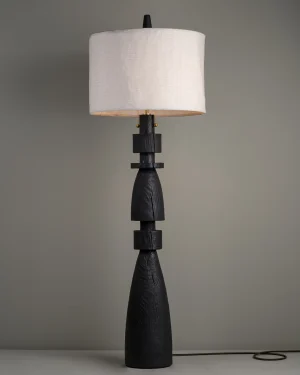
Mezquite Floor Lamp in Pinewood, Linen and Brass
By Isabel Moncada
€4.095 -
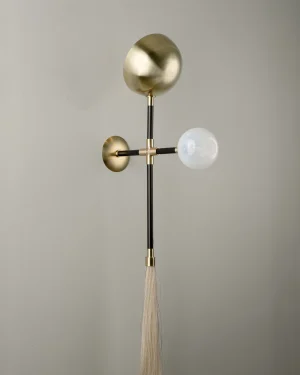
Gogo Wall Sconce in Brass, Blown Glass and Natural Fibers
By Isabel Moncada
€2.880 - €4.036 This product has multiple variants. The options may be chosen on the product page -
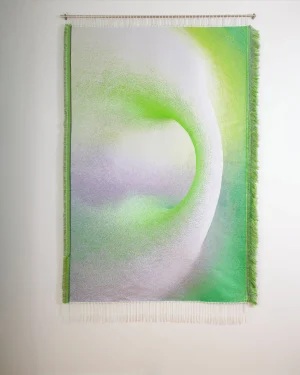
Light Mode 280 — Modern Foliage | Jacquard Woven Tapestry
By Lucas Gutierrez Studio
€5.850 -

Vilma Display Cabinet
By Comité de Proyectos
€15.800 -
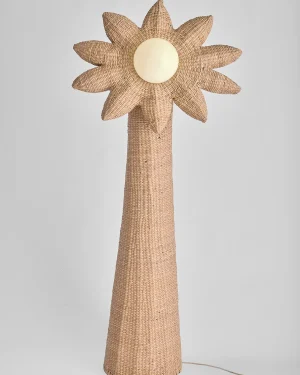
Kuni Floor Lamp in Rattan and Natural Fibers
By Joyful Objects, Yes!
€2.900 -
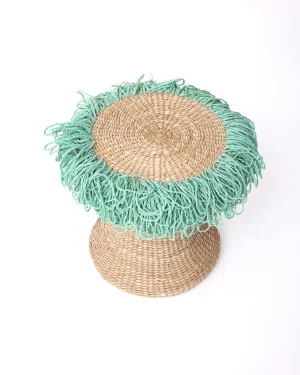
Feel Ambiguity – Textured Stool No. 1
By Lyk Carpet
€528 This product has multiple variants. The options may be chosen on the product page -
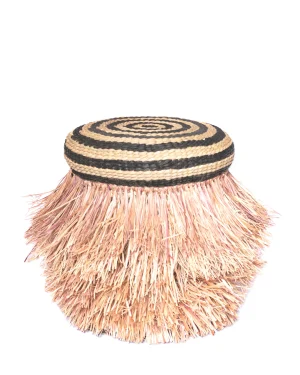
Feel Ambiguity – Textured Stool No. 2
By Lyk Carpet
€528 -

Regina Table Lamp In Marble
By Daniel Orozco Estudio
€2.034 This product has multiple variants. The options may be chosen on the product page -

Spigolatura N°48 – Handwoven Wall Art
By Susanna Costantini
€1.180 -
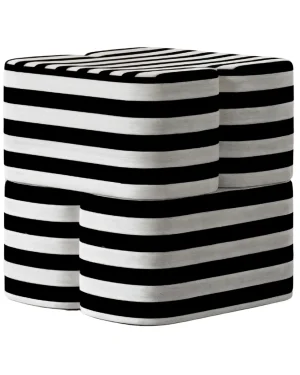
Ori Pouf
By hermhaus
€726 This product has multiple variants. The options may be chosen on the product page -
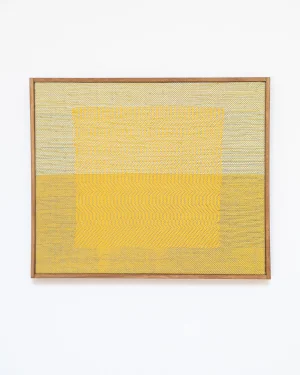
Bandiera N° 20 – Hand-woven Wall Art
By Susanna Costantini
€950 -
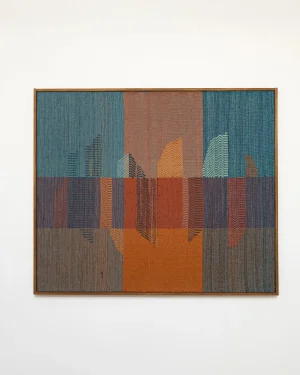
Terrae N°28 – Handwoven Wall Art
By Susanna Costantini
€1.450 -
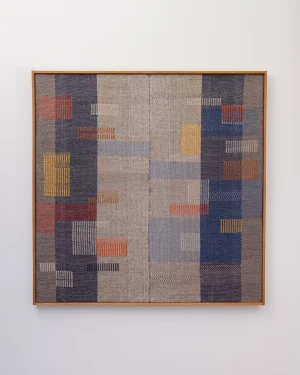
Spigolatura N°61 – Handwoven Wall Art
By Susanna Costantini
€1.800 -
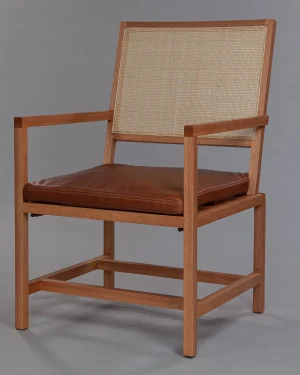
Nº2 Armchair – Jequitibá And Sucupira Wood
By am.o atelier
€1.842 -
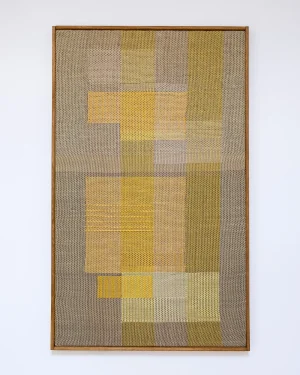
Spigolatura N°68 – Handwoven Wall Art
By Susanna Costantini
€1.200 -
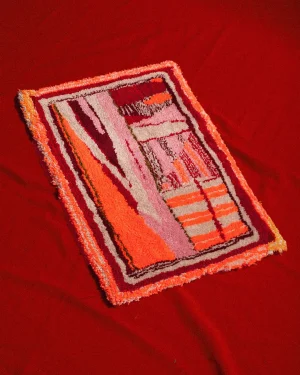 In stock
The Neon Rug
By Draken Studio
€100 - €550 This product has multiple variants. The options may be chosen on the product page -

Pojagi N°3 – Handwoven Wall Art
By Susanna Costantini
€4.000 -

Joyful Horses Rug
By Pupcha
€2.400 -

Bandiera N° 16 – Hand-woven Wall Art
By Susanna Costantini
€1.300 -
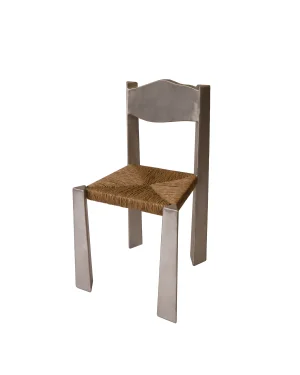
‘woven Chair’ – Aluminum & Paper Cord Chair
By Six Dots Design
€2.375 -
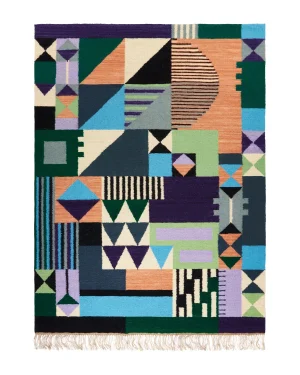
Dawn Rug/Wall Recoration
By Splot
€3.659 -
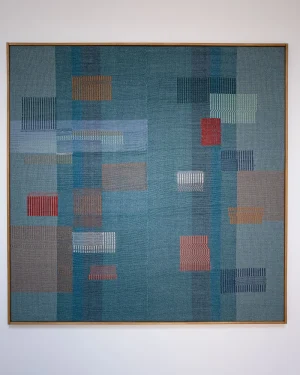
Spigolatura N°62 – Handwoven Wall Art
By Susanna Costantini
€1.800 -
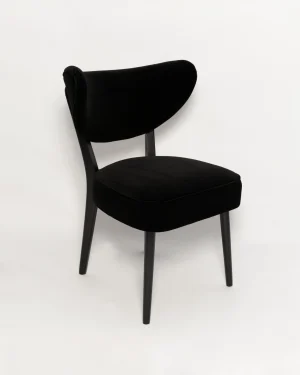 In stock
Retro Dining Chair
By Vintola Studio
€1.160 - €1.200 This product has multiple variants. The options may be chosen on the product page -
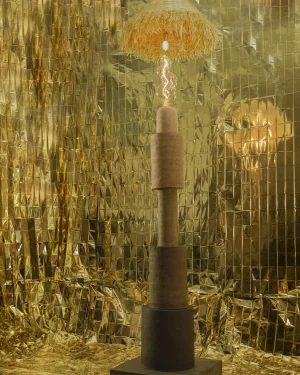 In stock
Thulani Floor Lamp in Terracotta and Rattan
By UAU Studio
€3.400 -
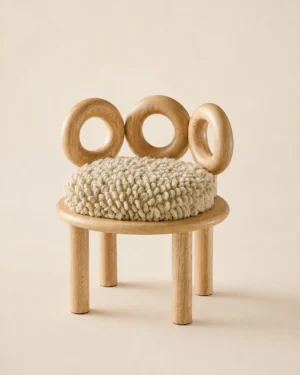 In stock
Hooop Accent Chair
By Joyful Objects, Yes!
€2.700 This product has multiple variants. The options may be chosen on the product page -
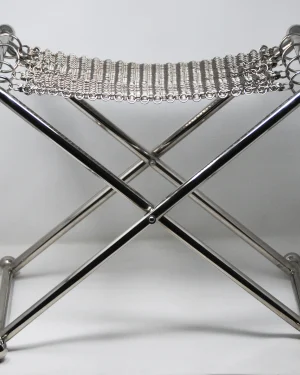 In stock
Chainmail Camping Stool
By Panorammma Atelier
€1.990 -
 In stock
Ciénega Chair
By Tana Karei
€2.397 -

L4 Stool – Aluminum / Rope
By Lucas Cambier
€1.500 -
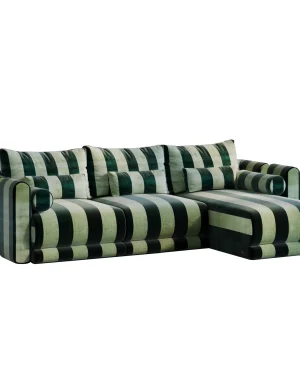
Kanz – Sofa Green & White Stripes
By hermhaus
€2.850 - €9.250 This product has multiple variants. The options may be chosen on the product page -
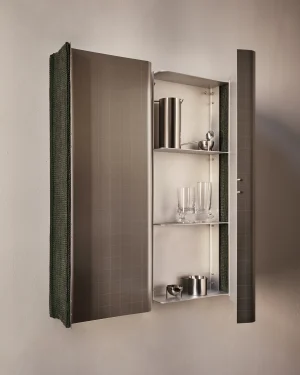 In stock
Plĭco – Wall Cabinet
By Atelier Nuanda
€6.250 -
 In stock
Plĭco – Folded Divider
By Atelier Nuanda
€10.588 -
 In stock
Block Lounge
By Heaps & Woods
€4.250 - €4.475 This product has multiple variants. The options may be chosen on the product page -

Emma Chair
By Tana Karei
€2.050 -
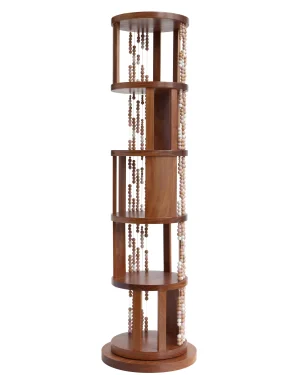
Contas Round Swivel Bookcase – Cabreuva Wood / Ceramic
By YANKATU
€5.100 -
 In stock
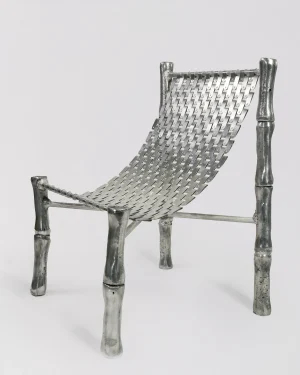
Bone Chair – Aluminum Lounge Chair
By BY JAMPS
€4.000 -
 In stock
Pierre – Sucupira Armchair
By Tiago Curioni
€4.200
Weaving, one of the oldest forms of textile production, combines tradition and innovation in its diverse applications. This craft has evolved from basic hand techniques to intricate loom-based creations, offering both functional and aesthetic values. Today, weaving stands as a testament to cultural heritage while adapting to modern design sensibilities.
Origins of Weaving in Art and Design
- Traces back to the Neolithic era, with early examples found in various ancient civilizations.
- Influenced by cultural, geographical, and material availability, leading to diverse weaving styles.
- Originated independently across the world, from ancient Egypt to China, reflecting a universal human skill.
- Developed as a necessity for producing clothing and household items, later evolving into an art form.
Components of Weaving
- Threads and Yarns: The basic building blocks, available in materials like cotton, wool, silk, and synthetic fibers.
- Looms: Devices used to hold and interlace threads, ranging from simple hand looms to complex mechanical systems.
- Shuttle: A tool used to carry the weft yarn across the loom, integral to the weaving process.
- Reed and Heddles: Used for aligning the warp threads and creating different weaving patterns.
Techniques in Weaving Design
- Plain Weave: The simplest and most common weaving technique, creating a basic crisscross pattern.
- Twills: Producing a diagonal rib or twill line, giving the fabric a distinctive pattern.
- Jacquard Weaving: A complex process allowing for intricate designs and textures in fabrics.
- Tapestry: An art form where weft yarns of various colors are woven to create a pictorial design.
Current Uses of Weaving
- Home Textiles: Creating items like rugs, curtains, and upholstery with both functional and decorative appeal.
- Fashion: Woven fabrics used in clothing, accessories, showcasing texture and design.
- Artistic Pieces: Tapestry and other weaving forms used to create wall hangings and artwork.
- Benefits: Weaving offers versatility, cultural significance, and sustainability in textile production.
The Essence of Weaving
Weaving is more than a craft; it is a connection to our past and a pathway to sustainable design. This ancient art form provides a canvas for expression, allowing artists to weave together stories, traditions, and innovations. From the rhythmic interlacing of threads on a loom to the final artistic piece, weaving embodies a blend of skill, creativity, and cultural heritage.