

-
 In stock
Sluren Table Lamp in Blown Glass
By Sara Sjöbäck
€1.450 - €1.850 -
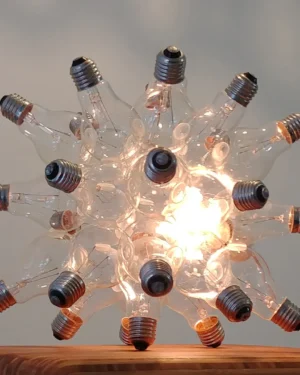 In stock
“spare” Table Lamp Constructed From 26 Lightbulbs
By JAN PAUL
€220 -
 In stock
Cave Table Lamp In Glass
By Dace Sūna
€1.500 -

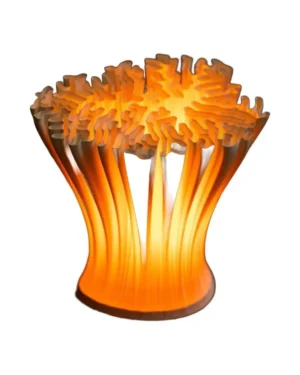
Fractical Neon Table Lamp In Glass
By Dace Sūna
€1.000€850 -
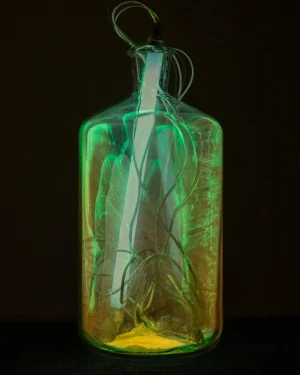 In stock
Äther Lucifer
By TUNK I Busra Tunc
€500 -
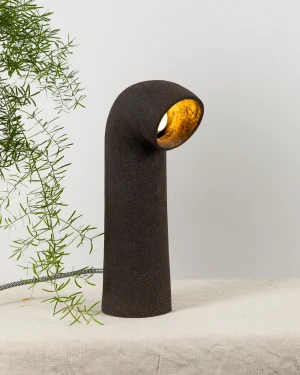
Melo C Table Lamp In Black Ceramic
By Catalin Filip
€270 -
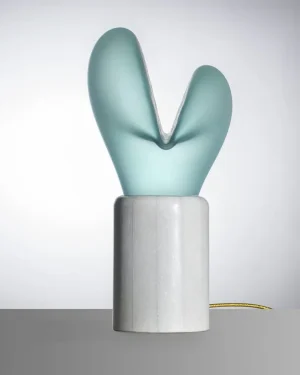
Cactus Table Lamp in Glass and Marble
By Carol Gay
€1.922 -
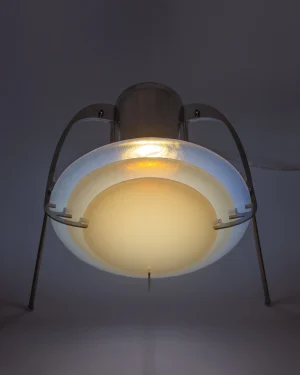
Sky-set Mini Table Light
By Dace Sūna
€2.800 -
 In stock
Ģipsis Table Lamp №5 In Plaster And Oak
By Dace Sūna
€850 -
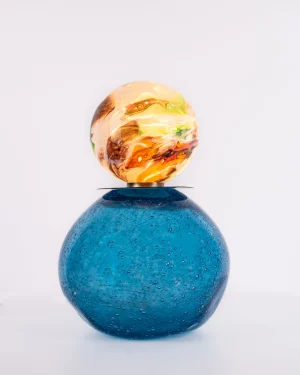 In stock
Soul Table Lamp In Handblown Glass
By Ceren Gürkan
€700 -

Follow The Deer Table Lamp In Neon Glass
By Dace Sūna
Price Upon Request
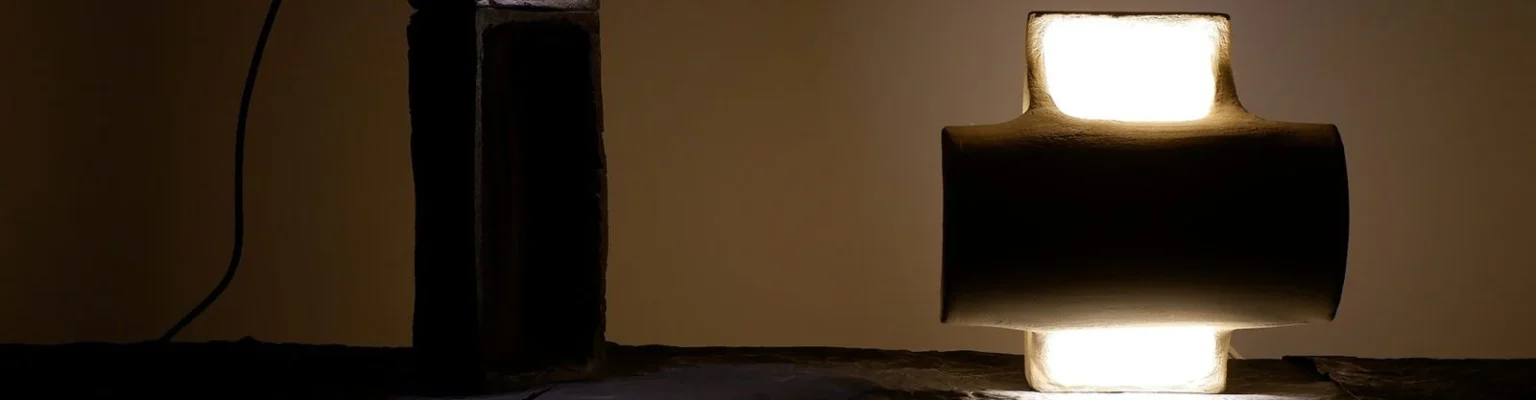
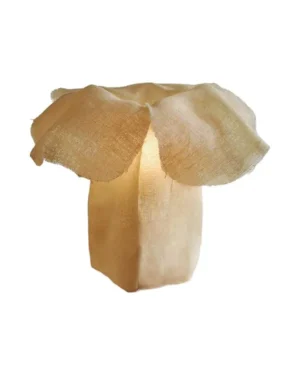
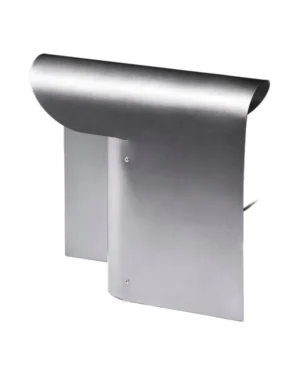
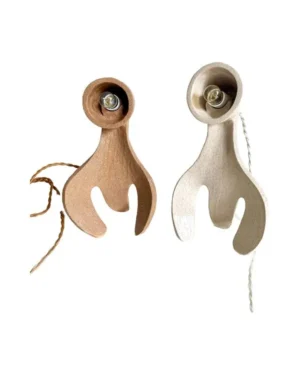
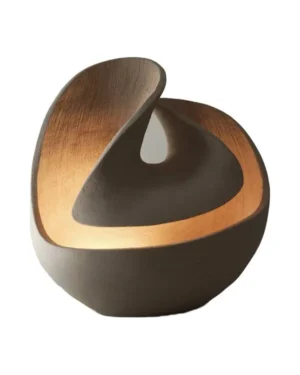
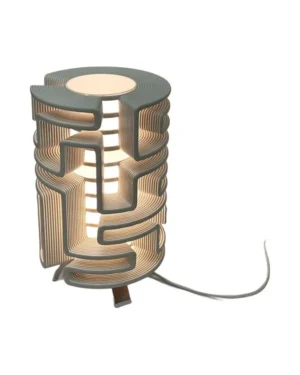
Surrealism table lamps take the ordinary shape of a lamp and bend it toward the uncanny, so a base might read as a melting form, a bubble, a hand or a cloud rather than a column. Independent studios build them through glassblowing, lampworking, metalwork and hand-building, choosing a process that lets the material misbehave a little. The result sits on a side table or console doing double duty as light source and as the kind of object a guest stops to look at twice.
What makes a lamp surrealist
The style is less about a fixed material and more about a disturbance in logic: a familiar form stretched, melted, doubled or turned inside out. Glass gets blown into bulbous, dripping or organic silhouettes; clay gets hand-built into shapes that recall bodies or landscapes rather than lamp bases; metal gets welded into forms that look soft when they are rigid. Neon tubing sometimes stands in for a shade entirely, tracing a line through a room instead of sitting inside a fixture.
What ties the pieces together is intention rather than ingredient. A surrealist lamp wants the eye to pause before it recognizes what it is looking at, and the making process, whether glass cold working, glass fusing or hand assembly, usually leaves a visible trace of the hand that shaped it.
The range of materials and finishes
Within this style, blown glass and ultraclear glass appear often, worked transparent, frosted or tinted in dusty pink, sky blue or gold. Clay and stoneware bring a matte, off-white or black surface that absorbs light rather than bouncing it. Brass and stainless steel add weight and a cooler reflection, sometimes left bright, sometimes oxidized.
- Glass: blown, fused or cold-worked, from clear to frosted to color
- Clay: hand-built, often matte and in black or off-white
- Metal: welded or hand-formed, in brass or stainless steel
- Neon: lampworked tubing used as light and line together
How to choose a surrealist table lamp
Scale matters more with these forms than with a plain cylinder or dome, since an oversized bulb or an elongated neck changes how a room reads, not just how it is lit. Measure the surface it will stand on and leave enough clearance so the shape does not crowd a doorway or a shelf edge. Check the finish against what already sits nearby: a frosted glass form softens a room of hard surfaces, while a dark clay base grounds a pale, glass-heavy space.
Height follows function. A lamp meant to read at eye level from a seated position should sit lower than one meant to be seen from across a room. Where a piece will go next to a bed or a sofa arm, test proportions against the furniture it will share a surface with, not just against the wall behind it.
Where these lamps work
Living rooms suit the larger, more sculptural forms, where a lamp can stand alone on a console without competing with other objects. Bedrooms tend to call for a smaller scale and a softer glow, since the lamp will usually sit within arm's reach of a bed. Entryways and dining sideboards also take well to a single bold form, given enough empty space around it to register as deliberate rather than cluttered.
Caring for the material
Blown and fused glass should be dusted with a dry or barely damp cloth; abrasive cleaners dull a frosted finish over time. Hand-built clay bases are porous where unglazed, so keep them away from standing water and direct, prolonged sun, which can fade pigment. Brass will darken with handling and air; a light wax keeps that patina even, while bare stainless steel wipes clean with a damp cloth and no residue.
For the full range of bases and shades in this style, see every surrealism piece on ADORNO, including surrealism lighting beyond the table lamp and surrealism furniture built on the same dreamlike logic. For a broader look at table lighting overall, the table lamps category covers every material and style, while living room table lamps and bedroom table lamps narrow the choice by room.
How do I choose a surrealism table lamp?
Start with the form you want to live with, a melting shape, a bubble, a hand or a cloud, then check the material. Glass gives transparency and shine, clay gives matte weight, metal gives a rigid form that reads as soft.
How do I care for a surrealism table lamp?
Glass and metal need only a dry or lightly damp cloth, away from abrasive cleaners. Clay and stoneware should be dusted dry, since glazes can scratch and raw surfaces absorb moisture.
What size table lamp should I buy?
Dimensions vary by piece, so check the listing or chat with the maker on the piece's page to confirm height and base width against your table or console.
Which rooms suit a surrealism table lamp?
A console or side table in a living room or entryway lets the form stand out at eye level. In a bedroom, one on a nightstand softens light while keeping the sculptural shape visible.
Are these lamps one-off or limited edition pieces?
Editions vary by maker, some work in open editions, others in limited runs or unique pieces. Check the listing for the specific piece to confirm which it is.
How does shipping, returns and authenticity work at ADORNO?
Shipping is insured and worldwide. Returns are accepted within 14 days, except on made-to-order pieces, and every lamp arrives with a certificate of authenticity.