




-
 In stock
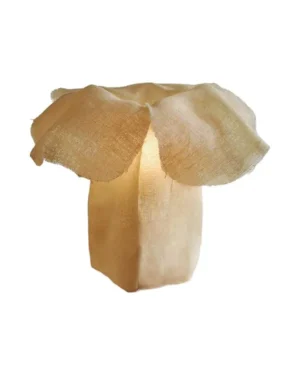
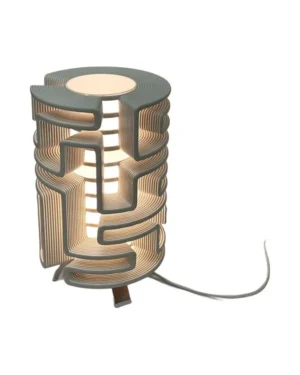
Pa Lamp
By BuRRo
€62 -

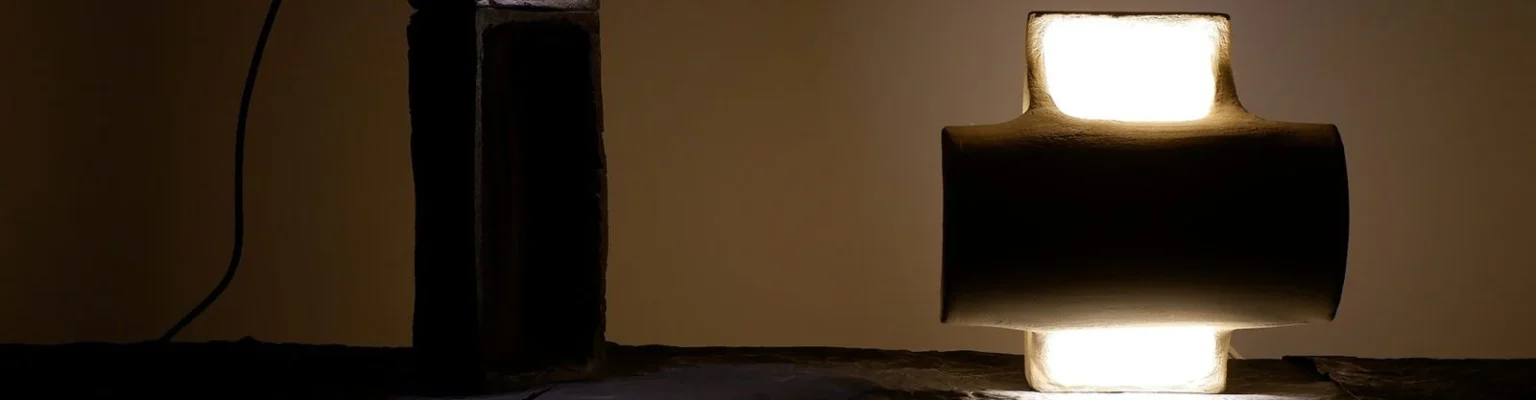
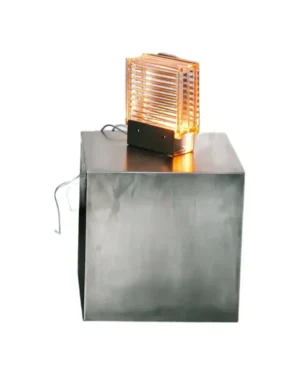
Fractical Neon Table Lamp In Glass
By Dace Sūna
€1.000€850 -
 In stock
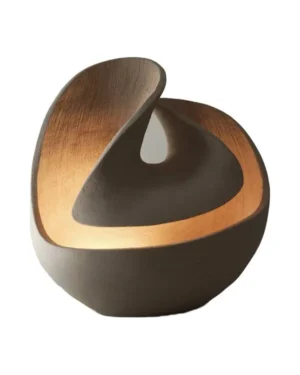
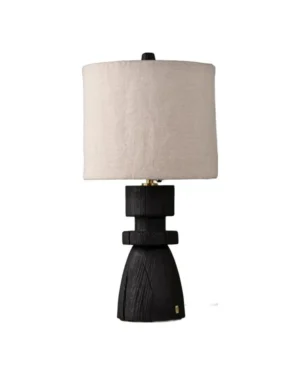
Pe Lamp
By BuRRo
€62 -
 In stock
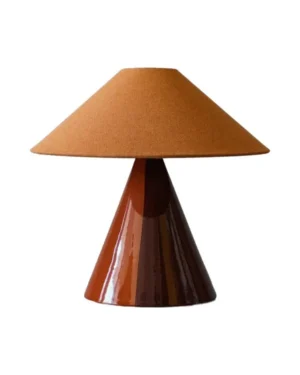
Tutu Table Lamp in Red Ceramic
By Slō
€1.150 -
 In stock
Ic-3 Table Lamp In Resin, Foam And Natural Fibers
By Studio Josha
€5.450 -
 In stock
Parabanda – Terrazzo Table Lamp
By Pierre Klein
€750 -

Roma Dodecagon Large Table Lamp In Red Travertine
By NASSI LAMPS
€1.721 -
 In stock
Jag Ville Blive Table Lamp in Stainless Steel
By Sara Sjöbäck
€1.600 -

Baker’s Lamp Large Table Lamp in Jesmonite
By FARG & BLANCHE
€560 -
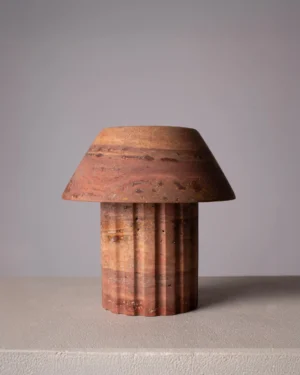
Rio (m) Table Lamp In Red Travertine
By Harshita Jhamtani Designs
€800 -
Rio (l) Table Lamp In Red Travertine
By Harshita Jhamtani Designs
€1.340 -
Rio (s) Table Lamp In Red Travertine
By Harshita Jhamtani Designs
€430 -

Baker’s Lamp Table Lamp in Jesmonite
By FARG & BLANCHE
€240
Red table lamps bring a concentrated note of color to a room, made by independent studios working across glass, stone, resin and metal. The red comes from the material itself — a dense travertine, a pigmented resin, a hand-blown glass shade — or from a surface finish applied after the form is set. Each studio chooses the method that suits its material: some carve, some cast, some blow glass by hand.
What gives red table lamps their color
Travertine takes on red through natural mineral deposits, so no two blocks read exactly the same once cut and polished. Glass gets its color from metal oxides added to the melt, letting light pass through the shade rather than bounce off it. Resin and jesmonite are pigmented before casting, which gives a flat, even red that holds its tone regardless of the light hitting it.
Gold accents, where they appear, sit against the red rather than replacing it — a gilded base under a red shade, or a brushed gold switch. The contrast reads as warm rather than loud.
Materials and techniques found here
Within table lamps generally, the red group leans on a handful of recurring materials and methods:
- Red travertine, stone-carved into bases and shades that carry real weight
- Glass, lampworked or blown by hand into rounded or sculptural forms
- Resin and jesmonite, cast in molds for cleaner, repeatable geometry
- Sand, foam and natural fiber, used in lighter experimental bases
- Gilding and digital fabrication, applied as finishing or forming techniques
Editions range from open runs, repeated to the same specification, to limited editions and one-off pieces where no two lamps leave the studio identical. Style runs from contemporary and minimalist shapes through wabi-sabi's irregular surfaces to radical and futuristic forms that treat the lamp as a sculpture first.
Choosing a red table lamp for scale and placement
Scale matters more with a saturated color than with a neutral one — a tall stone lamp in red carries visual weight across a room, while a small glass piece reads as an accent. Measure the surface it will stand on and leave enough clearance around the base so the lamp doesn't crowd what sits beside it.
Shade finish decides how the color behaves at night. An opaque shade throws light downward and keeps the red visible only on the body of the lamp; a translucent or lampworked glass shade lets red light spill into the room once it's switched on.
Where red table lamps work
A single red lamp reads as a deliberate point of color against white walls, dark wood or stone surfaces. In a living room, it suits a console or side table where it can be seen across the space. In a bedroom, a smaller, softer-lit version works better on a nightstand, where the light sits close to eye level.
Caring for stone, glass and resin lamps
Travertine is porous, so it should be dusted rather than wiped with anything wet, and kept away from direct sun that can fade the stone's surface over time. Glass needs only a soft cloth and stays stable indefinitely if it isn't knocked. Resin and jesmonite resist moisture well but can scratch, so they're best placed where they won't be handled often.
For the wider range of colored lighting beyond lamps, see red lamps as a group, or look across every red piece on ADORNO for matching color elsewhere in a room.
How do I choose a red table lamp?
Start with material: travertine and resin give an opaque, solid red, while glass lets light pass through and glow. Match the finish to how strong you want the color to read in the room.
How do I care for a red table lamp?
Dust stone and resin with a dry or barely damp cloth, and keep travertine away from oil and acidic liquids since it can stain. Wipe glass shades with a soft cloth and avoid abrasive cleaners.
What size table lamp should I get?
A table lamp generally sits between 20 and 30 inches tall, roughly eye level when seated, so the bulb isn't exposed to direct view. Check the exact dimensions on the piece's page before ordering.
Which rooms suit a red table lamp?
Red table lamps work well wherever a surface needs a point of color: a console in an entryway, a nightstand, or a sideboard in a living room. Their size keeps the effect concentrated rather than overwhelming.
Does red fade or change color over time?
Pigmented resin and jesmonite hold an even tone regardless of light exposure, while travertine's color comes from natural mineral deposits and stays stable once sealed. Glass colored with metal oxides does not fade.
How does shipping, returns and authenticity work at ADORNO?
Shipping is insured and worldwide, with a 14-day return policy excluding made-to-order pieces, and every lamp comes with a certificate of authenticity. For specifics on a piece, chat with the maker on its page.