




-
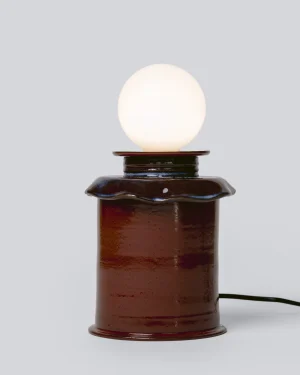
Baby Tutu Table Lamp in Glazed Stoneware
By Slō
€750 -
 In stock
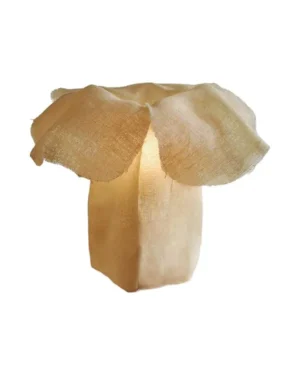
Navazi Table Lamp in Ceramic
By SVITANOK
€440 - €670 -
 In stock
La Bergère Table Lamp In Glazed Ceramic
By Mina Wright
€686 -

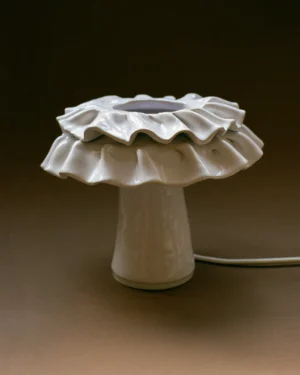
El Joyero De Odette Table Lamp In Stoneware
By Mina Wright
€810€689 -
 In stock
Lulu Table Lamp In Stoneware
By Mina Wright
€670 -
 In stock
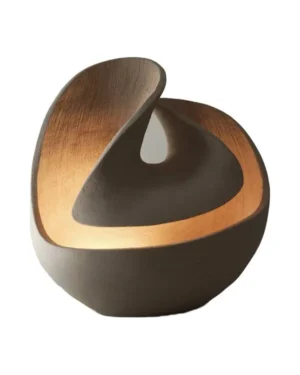
Abyss No. 3 Sculptural Table Lamp In Stoneware
By Ceren Gürkan
€1.300 -
 In stock
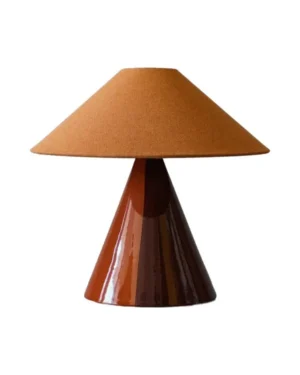
Tutu Table Lamp in Red Ceramic
By Slō
€1.150 -

Navazi Table Lamp in Glazed Ceramic
By SVITANOK
€590 - €890 -
 In stock
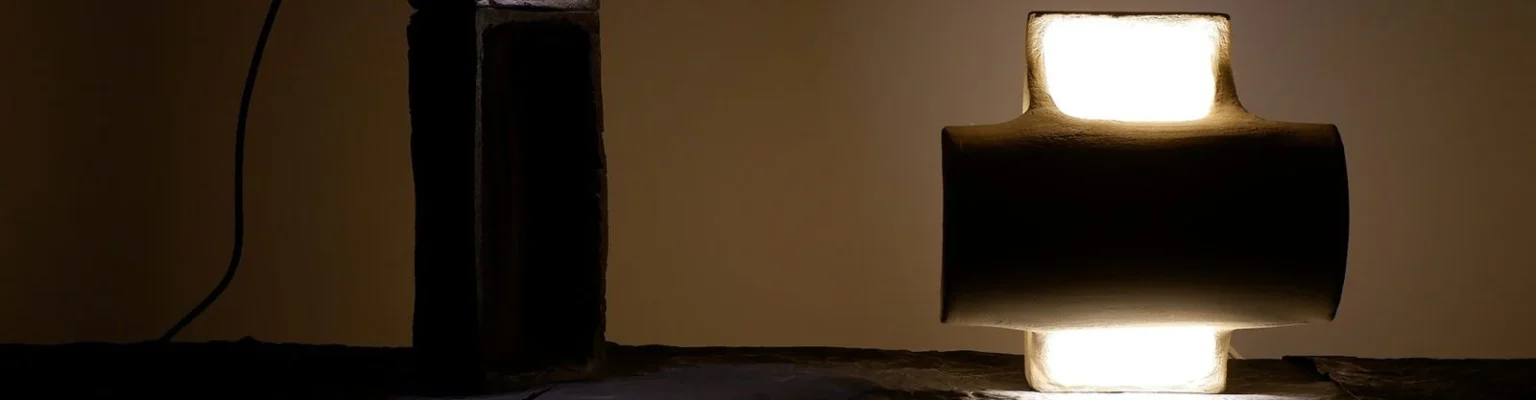
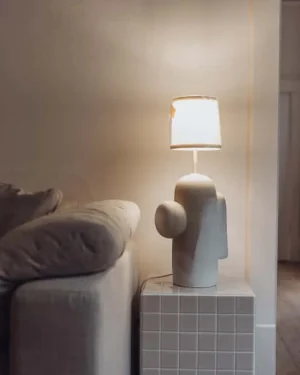
Nodo Table Lamp in Speckled Stoneware
By LYT Studio
€550 -
 In stock
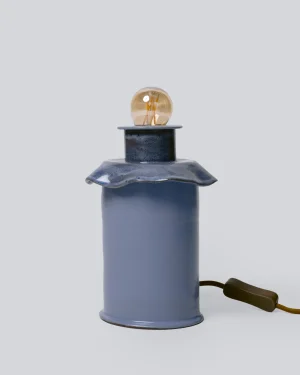
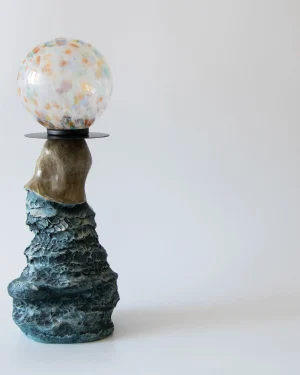
Tutu Mini Table Lamp in Baby Blue Stoneware
By Slō
€750 -
 In stock
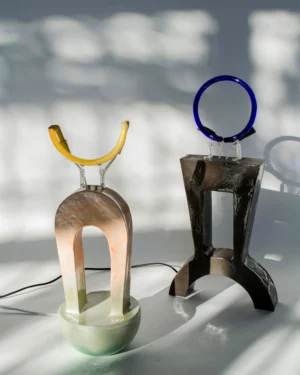
Abyss No. 2 Sculptural Table Lamp In Stoneware
By Ceren Gürkan
€1.200 -
 In stock
Synkro Table Lamp in Stoneware
By UAU Studio
€1.500
Glaze table lamps bring a hand-thrown or slip-cast ceramic body to the surface it stands on, the base carrying a melted mineral coating that locks in color and catches whatever light passes over it. Studios working in stoneware and clay fire each body once to harden the form, then again after glazing to fuse glass onto clay, so the finish becomes part of the material rather than a layer sitting on top. The result sits somewhere between pottery and light fixture, an object first and a lamp second.
What gives a glaze its depth
Glaze is a glass-forming mixture of silica, flux and coloring oxides, painted or dipped onto a clay body and melted in the kiln until it fuses to the surface. Depending on the minerals used and how the kiln is fired, a glaze can come out flat and matte, glossy as wet stone, or broken into the speckling and pooling that happens where it runs thick. No two firings behave quite the same way, so even an open edition carries small variation from one lamp to the next.
The range of glaze table lamps on ADORNO
Alongside pure glaze work, the material sits near stoneware, clay and the occasional lamp that pairs a ceramic body with blown glass, silver or brass fittings. Colors run from black, amber and brown through to silver, cream and white, with styles stretching from mid-century restraint to the layered color of maximalism and art deco. Making methods include wheel throwing, hand-building, slip casting and hand assembly, and editions move from open runs to small limited editions and unique, one-off pieces where a studio works entirely by hand.
For a wider view of what else is worked in this material, the glaze pieces across ADORNO include lighting and objects beyond the table lamp, useful where a room needs more than one glazed surface to tie together.
Choosing a glaze table lamp for a room
Scale matters more with a ceramic lamp than most, because the base carries visible weight and the shade has to sit in proportion to it. A heavy, wide-bellied stoneware base reads differently on a narrow side table than on a deep sideboard, and a lamp bought to sit at eye level on a desk can look squat once moved to the floor beside a sofa.
Think about finish next to the surface it will stand on. A glossy black glaze holds its own against dark wood or stone, while a chalky matte finish tends to disappear into a pale surface and stand out against a darker one. Shade color shifts the light too, warming it where the fabric is cream or ochre, keeping it cooler where the shade is white or left as bare glass.
Where glaze lamps earn their place
A glazed base sits naturally wherever a room already leans on texture and color, rather than disappearing into a scheme. In the living room, a pair flanking a sofa or anchoring the ends of a console does the double job of light and object. In the bedroom, a single lamp on a nightstand gives a softer, closer light than an overhead fixture, and the glaze catches the last light of the evening in a way a plain metal base does not.
Studios working in a more contemporary idiom tend to pair simple, rounded forms with a single saturated glaze, letting the color carry the piece rather than the silhouette. Others lean toward eclectic or romantic references, layering glazes so the surface looks closer to painted ceramic than to a plain lit object. Either way, a glazed lamp tends to ask to be seen up close, which suits it to the piece of furniture it sits on, not just the room in general.
Living with a glazed ceramic base
Within these limits, a glaze table lamp is no more delicate than other ceramics already kept around a home, and it tends to outlast the trends it was bought to match. For the full spread of bases, finishes and fittings available in this material, the complete range of table lamps on ADORNO runs from ceramic and glass through to brass, wood and stone.
How do I choose a glaze table lamp?
Look at the base first: a glossy glaze reads richer under light, a matte finish stays quiet. Weight matters too, since stoneware bodies sit heavier and steadier than lighter earthenware ones.
How do you care for a glazed ceramic lamp?
Wipe the glaze with a dry or barely damp cloth, since the fired surface resists dust and most stains. Avoid sudden temperature changes and lift rather than drag the base to protect the cord and socket.
What size glaze table lamp should I get?
A base around a standard side table height works for reading, while taller lamps suit consoles or sideboards where the light needs to carry further across a room. The maker can confirm exact dimensions on the piece's page.
Which rooms suit a glaze table lamp?
The weight and warmth of glazed ceramic suit living rooms and bedrooms especially, where the lamp sits within reach on a side table or nightstand. The ceramic body also holds its own on a console or sideboard.
Can I get a glaze table lamp custom made?
Some studios take custom orders in glaze and color. Chat with the maker on the piece's page to ask about options before buying.
What about shipping, returns and authenticity on ADORNO?
Shipping is insured and worldwide, with a 14-day return policy excluding made-to-order pieces. Every lamp comes with a certificate of authenticity and a lowest-price guarantee.