

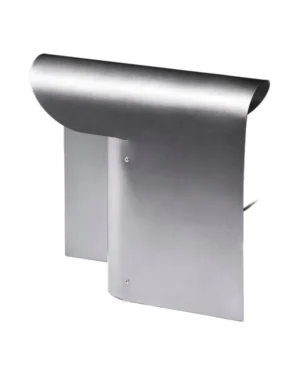
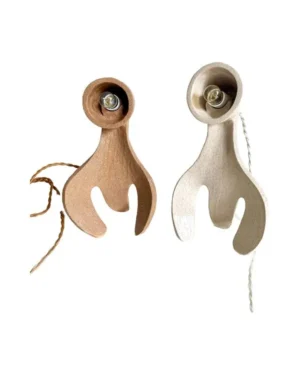
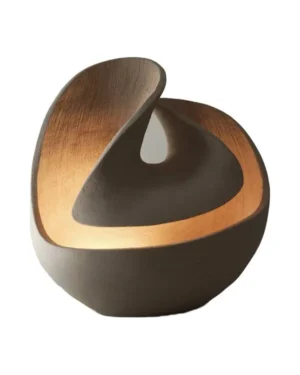
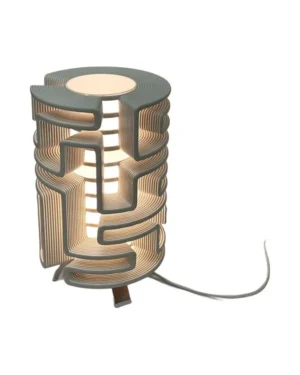
-
 In stock
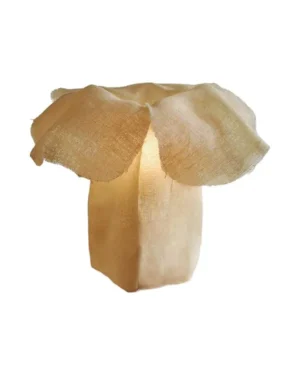
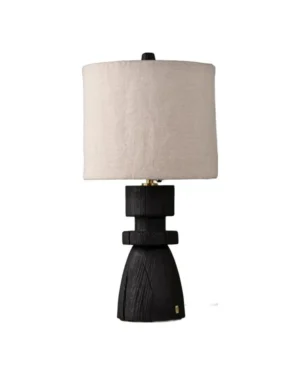
S 5 Table Lamp In Ivory White Bio Polymer
By diploria studio
€295 -
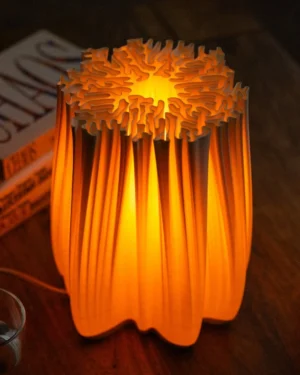 In stock
S X 1 Table Lamp In Ivory White Bio Polymer
By diploria studio
€275 -
 In stock
S 1 Table Lamp In Bio Polymer
By diploria studio
€245 -
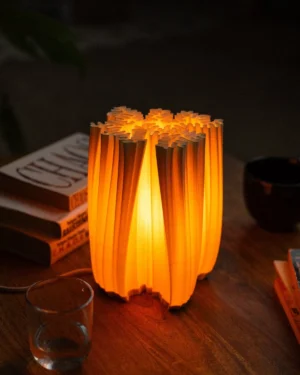 In stock
S 2 Table Lamp In Bio Polymer
By diploria studio
€245 -
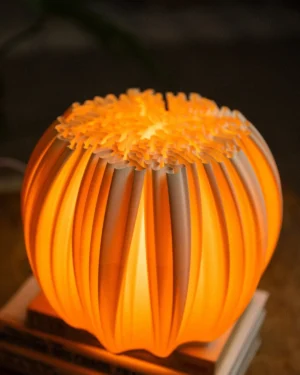 In stock
S X 3 Table Lamp In Biopolymer
By diploria studio
€295 -
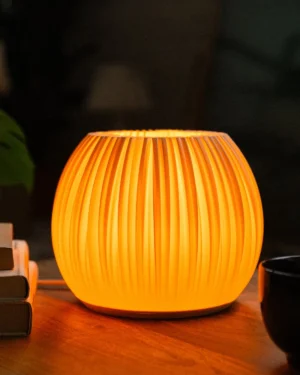 In stock
B 1 Table Lamp In Biopolymer
By diploria studio
€295 -
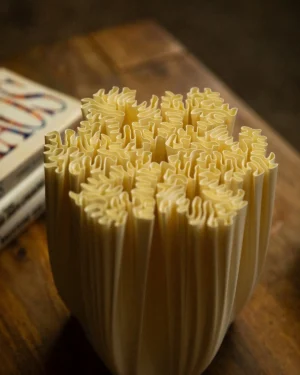 In stock
S X 2 Table Lamp In Biopolymer
By diploria studio
€295 -
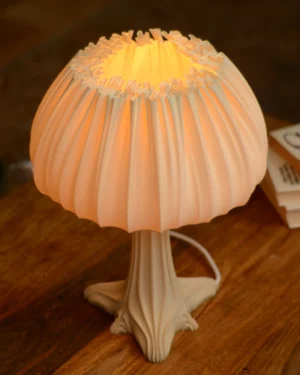 In stock
M 2 Table Lamp In Bio Polymer And Sand
By diploria studio
€395 -
 In stock
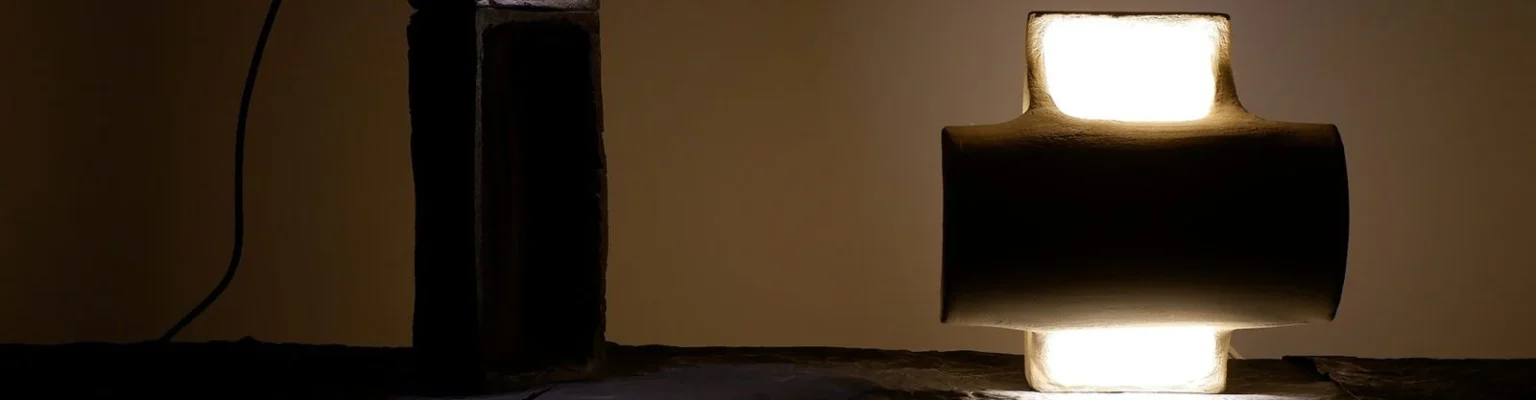
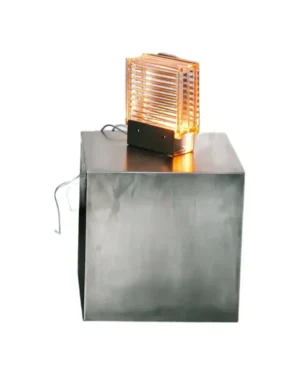
Cave Table Lamp In Glass
By Dace Sūna
€1.500 -
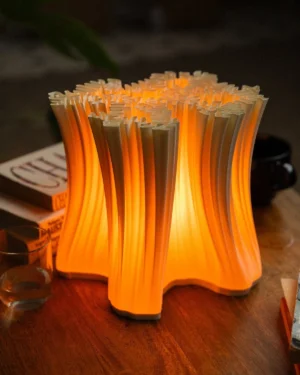 In stock
S 6 Table Lamp In Bio Polymer
By diploria studio
€295 -
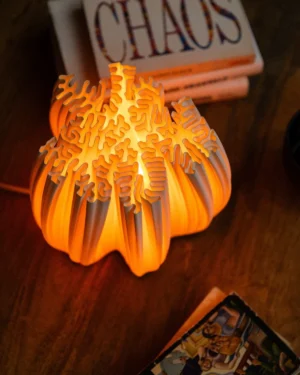 In stock
S 3 Table Lamp In Biopolymer
By diploria studio
€275 -
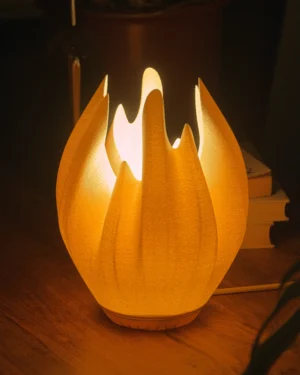 In stock
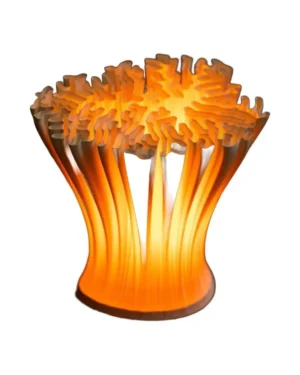
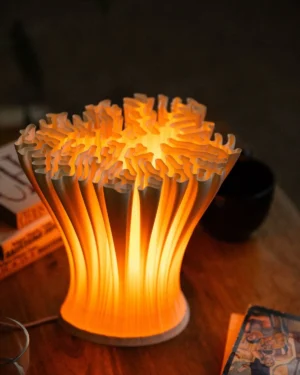
Medusa Table Lamp In Bio Polymer
By diploria studio
€295 - €545 -
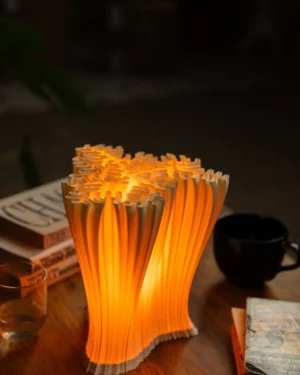 In stock
S 4 Table Lamp In Bio Polymer
By diploria studio
€275 -
 In stock
Ģipsis Table Lamp №5 In Plaster And Oak
By Dace Sūna
€850 -

Follow The Deer Table Lamp In Neon Glass
By Dace Sūna
Price Upon Request -

Ģipsis Table Lamp No. 2
By Dace Sūna
Price Upon Request
Biophilic table lamps translate the shapes of the natural world into objects that sit on a surface and glow. Independent studios shape them in hand-blown glass, poured plaster, bioplastic grown or printed from renewable sources, and sand-cast or sandstone-textured bases, often building each form by hand or through digital fabrication that mimics organic growth. The result favors rounded silhouettes, pitted surfaces and soft, uneven color over hard edges and uniform finishes.
What defines the biophilic style in a table lamp
A biophilic piece reads as grown rather than machined. Plaster dries with small variations across its surface; hand-blown or fused glass carries bubbles, thickness changes and a slight asymmetry that factory glass does not have; bioplastic, often biofabricated or 3D printed, can show the faint ridges of its own layering. None of this is a flaw. It is the trace of a material that moved before it set.
Color stays close to the palette of stone, sand, skin and plant: ivory, beige, sand, light pink, light yellow and soft blue appear far more often than saturated tone. A neon tube bent into an organic line, used sparingly, is the exception that proves the rule, because even then the form curves rather than angles.
Materials, finishes and techniques found here
The range shifts as studios release and retire work, but certain materials and methods recur:
- Glass, shaped by glassblowing, lampworking or glass fusing, sometimes layered for a cloudy or sand-worn finish
- Plaster, hand-plastered over a form and left with a chalky, matte surface
- Bioplastic, built through biofabrication, generative design or 3D printing from plant or algae-based material
- Sandstone and sand-cast bases, with a dry, granular texture close to the quarry or the shore
Editions run from open editions, made to a repeatable design, to unique pieces where no two lamps share the same surface. A contemporary or sustainable-design studio may work across several of these materials in one body of work, which is why the same visual language can turn up in glass one month and plaster the next.
How to choose a biophilic table lamp
Start with scale. A lamp with a wide, organic base needs a surface deep enough to hold it without crowding whatever sits beside it, while a slender, column-like form works on a narrower console or nightstand. Check the shade or diffuser height against where you will read or work, since biophilic forms often place the light source lower or more to one side than a conventional lamp.
Finish matters as much as shape. Matte plaster and raw sandstone absorb light and soften a room, while blown or fused glass lets light pass through and scatters it unevenly across a wall or ceiling. Decide whether you want the lamp to glow as an object in daylight too, or disappear until switched on.
Where these lamps sit well
Their soft forms and muted colors suit rooms built around rest and conversation. A biophilic table lamp placed on a living room side table adds warmth without competing with other objects, and the same organic shapes work quietly on a nightstand among bedroom table lamps chosen for low, even light. Because the style reads as grounded rather than decorative, it also holds its own in a reading corner, entryway or home office where a single sculptural object carries the room.
Caring for organic materials
Plaster stains if liquid sits on it, so keep these lamps away from damp glasses and condensation and dust them with a dry or barely damp cloth. Glass needs only regular dusting and a mild glass cleaner, applied to a cloth rather than sprayed directly near any wiring. Bioplastic, being plant-based, can be more sensitive to direct heat and strong sun than conventional plastic, so keep it back from radiators and south-facing windows where it might soften or discolor over time.
For the full range of forms and materials in this style, see every biophilic piece on ADORNO, including lighting beyond the table lamp in biophilic lighting, or step back to all table lamps to compare organic shapes against more conventional forms.
How do I choose a biophilic table lamp?
Look at the material first: glass carries light and shows bubbles or thickness, plaster holds a matte, stone-like surface, bioplastic reads smooth with faint growth lines. Pick the one whose texture suits where your hand and eye will land.
How do I care for a biophilic table lamp?
Dust glass and bioplastic with a dry cloth and keep plaster away from damp or direct sun, which can fade its tone. Avoid abrasive cleaners, since textured or pitted surfaces hold residue more than smooth ones.
What size table lamp do I need?
Most table lamps stand between 12 and 28 inches tall, enough to clear a shade above eye level when seated nearby. A maker can confirm exact dimensions through Chat with the maker on the piece's page.
Which rooms suit a biophilic table lamp?
Their organic shapes and soft, sand or stone-toned color suit living rooms, bedrooms and reading corners, anywhere a lamp sits within reach and its texture can be noticed up close.
Are biophilic table lamps handmade or limited edition?
Many are shaped by hand through glassblowing, plastering or lampworking, while others use digital fabrication or 3D printing. Some appear as open editions, others as unique pieces, so check the piece's own listing for specifics.
What are ADORNO's shipping and return policies?
Shipping is insured and worldwide, with a 14-day return window, though made-to-order pieces are excluded. Every lamp arrives with a certificate of authenticity, and ADORNO offers a lowest-price guarantee.