




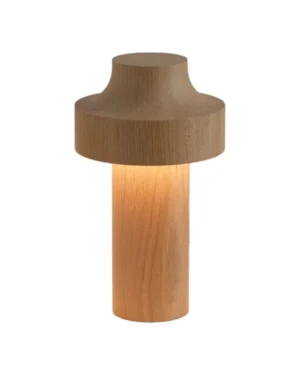

-

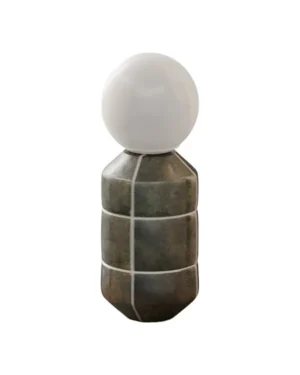
Nomad Ⅱ:02 Table Lamp in Stoneware
By SK - Sofia Karnukaeva
€2.480 -
 In stock
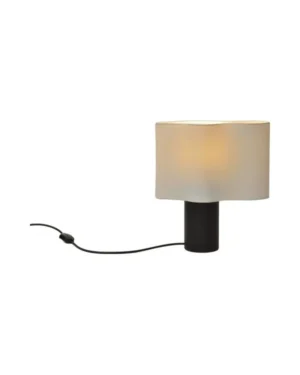
Navazi Table Lamp in Ceramic
By SVITANOK
€440 - €670 -
 In stock
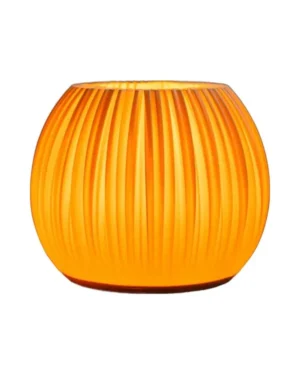
Abyss No. 28 Table Lamp in Stoneware
By Ceren Gürkan
€1.400 -

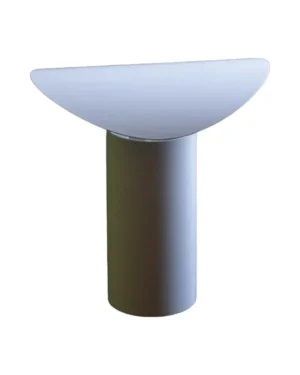
Taruh Table Lamp in Clay
By Andrei Clontea STUDIO
€900 -

Layers Bedside Lamp In Glazed Ceramic
By Katia Langeard
€750 -
 In stock
SONIAH Table Lamp in ZTISTA Biocomposite
By FAINA
€3.000 -
 In stock
Abyss No. 31 Table Lamp in Stoneware and Glass
By Ceren Gürkan
€1.400 -
 In stock
Abyss No. 4 Table Lamp in Stoneware
By Ceren Gürkan
€1.600 -

Navazi Table Lamp in Glazed Ceramic
By SVITANOK
€590 - €890 -
 In stock
Abyss No. 23 Table Lamp in Stoneware
By Ceren Gürkan
€2.500 -
 In stock
Abyss No. 27 Table Lamp in Stoneware
By Ceren Gürkan
€1.900 -
 In stock
Soul Table Lamp in Handblown Glass
By Ceren Gürkan
€700 -
 In stock
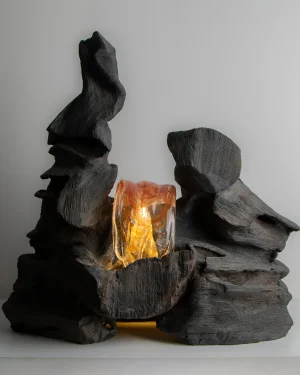
Abyss No. 12 Table Lamp in Stoneware
By Ceren Gürkan
€1.800 -
 In stock
Abyss No. 33 Table Lamp in Stoneware
By Ceren Gürkan
€2.200 -
 In stock
Abyss No. 7 Table Lamp in Stoneware
By Ceren Gürkan
€1.100 -
 In stock
Abyss No. 8 Table Lamp in Stoneware
By Ceren Gürkan
€1.500 -
 In stock
Abyss No. 20 Table Lamp in Stoneware
By Ceren Gürkan
€1.600 -
 In stock
Abyss No. 34 Table Lamp in Stoneware
By Ceren Gürkan
€1.700 -
 Sold
Abyss No. 24 Table Lamp in Stoneware
By Ceren Gürkan
€1.700
Ceramic bedside lamps bring a worked, grounded quality to the nightstand that metal and glass rarely match. Studios working in stoneware and clay build each body by hand, then fire and glaze it, so no two surfaces catch the light in quite the same way. The base carries weight literally and visually, which matters more at eye level than anywhere else in the house.
What defines ceramic as a lamp material
Clay is porous until it is fired, and firing is what turns a soft, workable material into something dense enough to anchor a shade and a cord. Stoneware, the most common body among bedside lamps, fires hard and holds a glaze well, which is why it dominates the kinds of pieces found here. Glaze itself is a glass layer melted onto the surface; it is what gives a lamp its color, its sheen or its matte chalkiness, and it is applied, not painted on as an afterthought.
Because each piece is shaped and glazed by hand, small variations are normal rather than faults. A rim that is not perfectly round, a glaze pool that is slightly thicker on one side, a base that is a shade warmer than its twin: these come from the making, not from inconsistency. They are part of what a hand-built piece offers that a mold-cast one does not.
The range of finishes and colors
Ceramic bedside lamps on bedside lamps pages generally run through a narrow, earthbound palette: white and off-white glazes, warm browns, ochre, sand and gray, occasionally a yellow that reads as a glaze accent rather than a dominant color. These tones come from the clay body itself and from the minerals in the glaze, which is why ceramic colors tend to sit closer to stone and earth than to the saturated colors possible in dyed glass or painted metal.
- Stoneware and clay bodies, left matte or raised to a sheen through glazing
- Hand-building, coil by coil or slab by slab, as the main way a body gets its shape
- Blown glass paired with many of the stoneware bodies
- Mostly one-of-a-kind pieces, with a few open editions
Many pair a stoneware body with blown glass, which softens the light without hiding the base. Others glaze the whole form so the lamp reads as a single sculptural object even when it is switched off.
How to choose a ceramic bedside lamp
Scale matters more than style on a nightstand. A base that is too tall throws light into your eyes when you read; one that is too short gets lost under a tall headboard. As a rough guide, the base and shade together should sit close to shoulder height when you are seated up against the pillows, so the light falls on the page and not on your face.
Glaze finish affects how a lamp behaves in a room, not just how it looks. A glossy glaze bounces light and shows fingerprints; a matte or speckled stoneware glaze absorbs more light and hides daily handling better, which suits a surface you touch every night. Weight is worth checking too: a solid ceramic base is harder to knock over than a lightweight one, a small but real advantage next to a bed.
Where ceramic lamps work best
Bedside tables are the obvious home, but a ceramic lamp with a dimmable bulb also suits a reading chair, a low console or a shelf where its glaze can be seen up close. For a wider range of ceramic lighting beyond the bedroom scale, the ceramic lighting and ceramic lamps groupings cover floor and pendant forms in the same material. For lamps sized specifically for a nightstand, see the full ceramic and clay grouping across lighting and objects, or narrow further within contemporary bedside lamps if a sharper, less rustic glaze is what you want.
Caring for a ceramic lamp base
Glazed ceramic is easy to live with. Wipe the base with a dry or barely damp cloth; avoid soaking it, since water can work into any hairline crack in the glaze over time and stain the clay underneath.
How do I choose a ceramic bedside lamp?
Look at the base first: a heavier, wider foot sits more securely on a nightstand than a tall, narrow one. Match the glaze to your room's palette, since stoneware tones run from chalky white to deep brown and ochre.
How do you clean and care for a ceramic lamp?
Wipe the glazed surface with a dry or slightly damp cloth; avoid soaking the base, since unglazed areas underneath can still absorb water. Keep it away from sudden temperature changes, which can stress the fired body.
What size and height works for a bedside lamp?
A good rule is a base and shade that together sit roughly level with or slightly above the mattress top when the lamp is on the nightstand. Ask the maker for exact dimensions on the piece's page.
Will a ceramic lamp work outside the bedroom?
Yes. The same weight and glaze that suit a nightstand also hold their own on a console, side table or desk, anywhere a warm, grounded light is useful at close range.
Are ceramic bedside lamps fragile or hard to maintain?
Fired stoneware is dense and durable once glazed, far sturdier than raw clay. The main risk is dropping it, not everyday handling or dusting.
How does shipping, returns and authenticity work on ADORNO?
Shipping is insured and worldwide, with a 14-day return policy except on made-to-order pieces. Every lamp arrives with a certificate of authenticity, backed by a lowest-price guarantee.