


-
 In stock
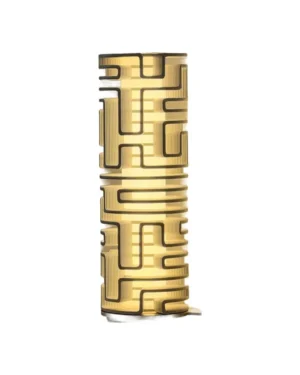
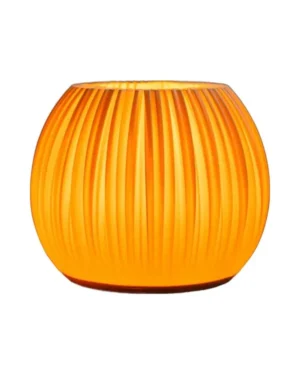
S 1 Table Lamp In Bio Polymer
By diploria studio
€245 -
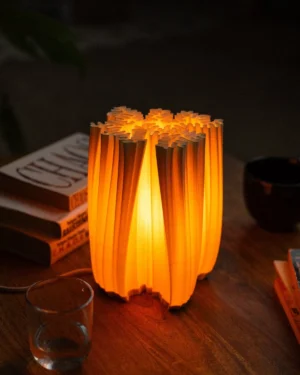 In stock
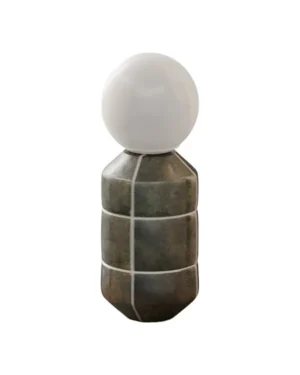
S 2 Table Lamp In Bio Polymer
By diploria studio
€245 -
 In stock
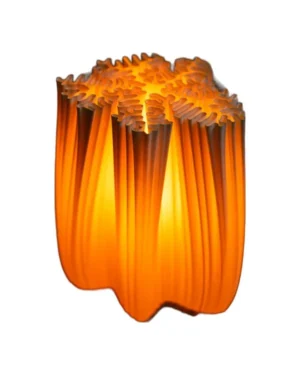
S X 3 Table Lamp In Biopolymer
By diploria studio
€295 -
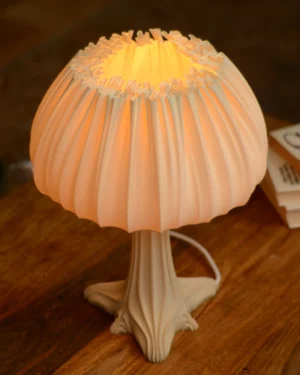 In stock
M 2 Table Lamp In Bio Polymer And Sand
By diploria studio
€395 -
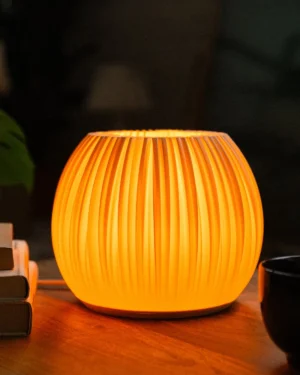 In stock
B 1 Table Lamp In Biopolymer
By diploria studio
€295 -
 In stock
S X 2 Table Lamp In Biopolymer
By diploria studio
€295 -
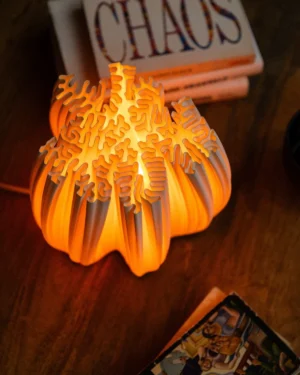 In stock
S 3 Table Lamp In Biopolymer
By diploria studio
€275 -
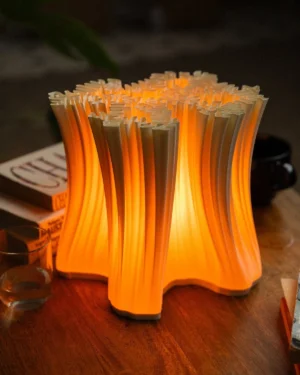 In stock
S 6 Table Lamp In Bio Polymer
By diploria studio
€295 -
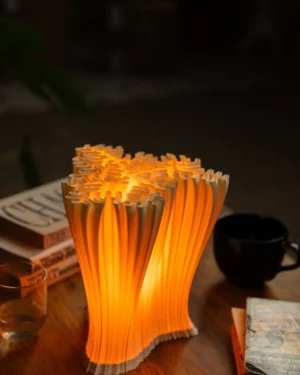 In stock
S 4 Table Lamp In Bio Polymer
By diploria studio
€275 -
 In stock
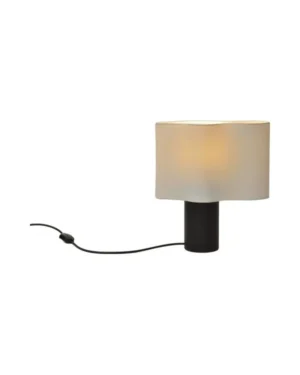
B. S. P Series Table Lamp in Recycled Plastic
By Atelier SOHN
Price Upon Request
Sustainable bedside lamps bring bio-based and recycled materials to the nightstand, where 3D-printed bioplastic and recycled plastic stand in for ceramic or glass. Independent studios working in 3D printing, generative design and biofabrication shape each lamp from bio-based or reclaimed material. Most of the finished pieces read in warm ivory, with the odd beige or colored piece, closer in feel to stone or clay than to anything synthetic.
What defines a sustainable bedside lamp
Bioplastic is the material most studios return to, a bio-based polymer that can be printed into organic forms that are light and water-resistant. Some bodies mix bioplastic with sand or stone dust, which adds weight and a faint mineral grain to the surface. Others are built from agricultural or industrial by-product, or from recycled plastic that has been shredded, melted and reset into a new form.
Color in these lamps tends to come from the material itself rather than a sprayed finish. Bioplastic settles into ivory and warm white, and a sand-blended piece adds a beige tone. The palette sits inside a wider biophilic and contemporary language, where the material is left visible rather than disguised.
How these lamps are made
3D printing builds a lamp body in layers straight from bioplastic filament, which limits offcuts and lets a studio adjust wall thickness without retooling. Biofabrication grows or processes material from biological sources, so the base substance carries less embodied energy than a cast metal or blown glass equivalent. Digital fabrication and generative design use software to work out a form that holds its structure while using less raw material, which matters more with bio-based polymers than with denser materials.
Recycled plastic and by-product material take a more direct route, turning offcuts into a new lamp body. Within the category you find both open editions, where a studio keeps a design in ongoing, repeatable production, and unique pieces, where each lamp carries its own small variation in grain, color or finish. Studios working across these techniques and material streams sit together under sustainable design on ADORNO.
How to choose a sustainable bedside lamp
Scale matters first. A bedside lamp should sit low enough that its shade does not throw light straight into your eyes once you are lying down, and small enough that it leaves room for a glass of water or a book. Measure the nightstand surface before choosing a base width, and check the lamp's overall height against where your head rests on the pillow.
Finish is the second decision. Bioplastic and resin surfaces range from matte, almost chalky textures to a glossier cast that shows light differently through the shade. Where sand is blended in, expect a drier, more textured touch than smooth plastic.
- Match the lamp's tone to the room's palette rather than to the bedding alone, since ivory and beige read warmer than cooler colors under lamplight.
- Leave access to a switch within reach of the bed, especially with printed bodies where the switch sits on the cord.
- Check cord length against the distance to the nearest outlet before deciding on final placement.
Where these lamps sit well
The bedroom is the obvious home for this kind of lamp, paired on one or both bedroom bedside lamps nightstands for even, low light at night. The same forms work on a console table or a reading chair's side table, anywhere a soft, close light is more useful than an overhead fixture. For a broader look at bio-based and recycled lighting beyond the bedroom, the wider range of sustainable lighting covers floor and pendant forms made with the same materials and techniques.
Caring for bioplastic and recycled lamps
Bioplastic and resin bodies prefer a dry cloth or a lightly damp one; avoid solvents, which can cloud or soften the surface. Keep these lamps out of direct, prolonged sun, since pigments drawn from natural or recycled sources can fade faster than synthetic dye. Sand-bioplastic blends are slightly porous, so wipe up spills promptly rather than letting liquid sit on the base.
For comparison, lamps built from standard, non-bio recycled plastics sit within the plastic bedside lamps range, and the full spread of bedside lighting, sustainable or otherwise, is gathered under bedside lamps.
What makes a bedside lamp sustainable?
The body is shaped from bioplastic, recycled plastic or by-product material rather than ceramic or glass, often 3D printed to limit waste from the start.
How do you clean a bioplastic or sand-composite lamp?
Wipe with a dry or barely damp cloth; avoid soaking or harsh solvents, since prolonged moisture can dull the surface or soften some bioplastics over time.
What size bedside lamp should I choose?
Look for a base light enough to sit close to the edge of a nightstand and a shade height that keeps the bulb below eye level when you are lying down.
Do sustainable bedside lamps work in other rooms too?
Yes, the same warm ivory and beige tones suit a side table, console or reading corner as well as a nightstand.
Can I order a custom color or size?
Some studios take custom requests; chat with the maker on the piece's page to confirm options before ordering.
What are ADORNO's shipping and return policies?
Shipping is insured and worldwide, with a 14-day return policy on all but made-to-order pieces, each arriving with a certificate of authenticity and a lowest-price guarantee.