


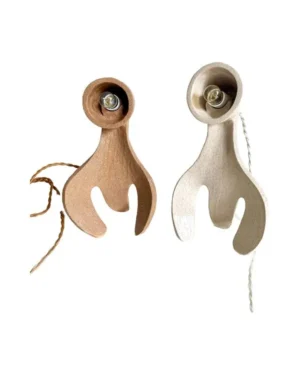
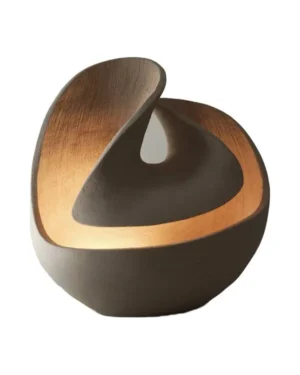
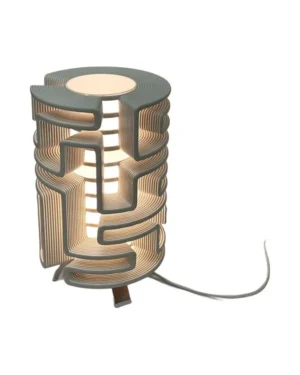
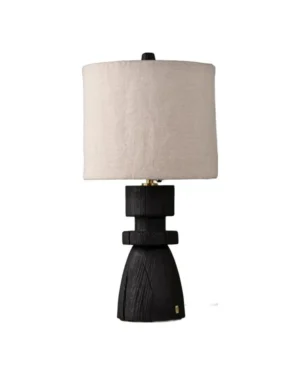
-

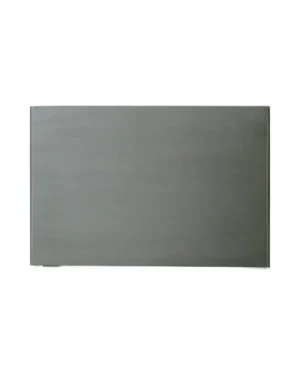
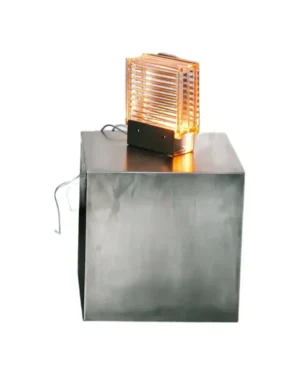
Drizzle Table Lamp in Acrylic
By Kajsa Melchior
€780 -
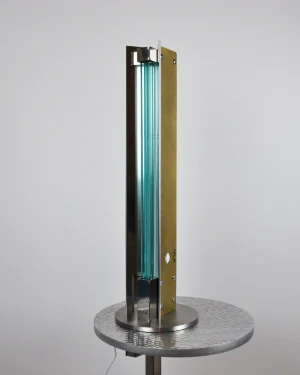
Ne600/145 Table Lamp In Brass And Blue Acrylic
By MLK Furniture
€1.190 -
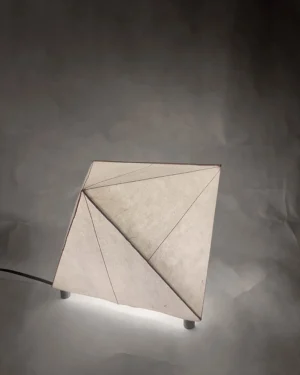
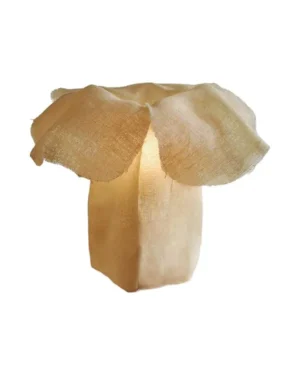
Biiit 006 Table Lamp In Paper And Brass
By Bo Ah Kim
€1.100 -
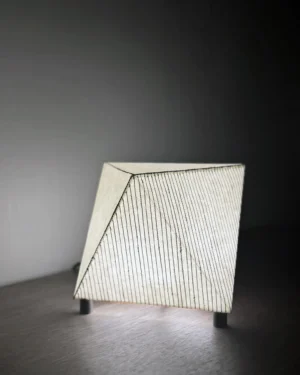
Biiit 007 Table Lamp In Paper And Brass
By Bo Ah Kim
€1.000 -

Alma Table Lamp in Brass and Perspex
By MESEME by Riya Panchal
€1.215 -
 In stock
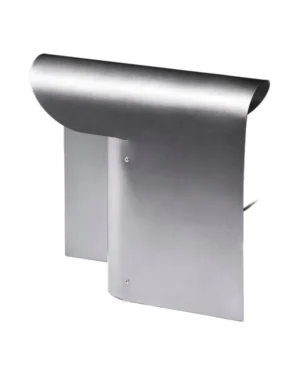
N2 Panel Table Lamp In Walnut And Steel
By Aaron Scott
€1.200 -

Ss1 Table Lamp In Cherry Wood And Acrylic
By Aaron Scott
€2.650 -

Tap Table Lamp in Brass and Acrylic
By Nama Home
€3.505 -

Slotted Table Lamp In Acrylic And Metal
By Nolan Talbot-Kelly
€1.050 -
 Sold
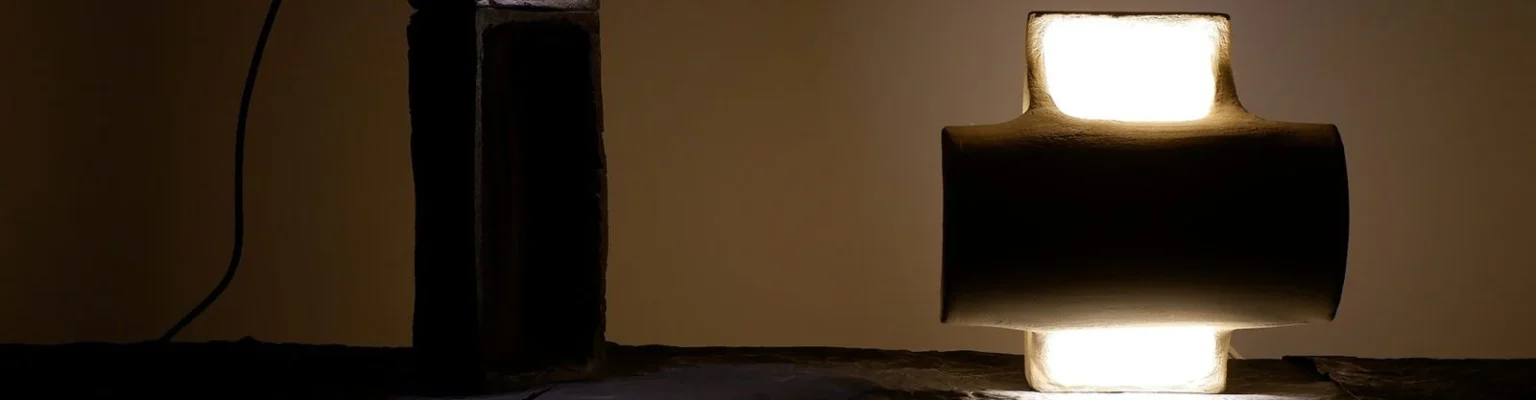
Sentry Light Sculpture Table Lamp in Resin
By Ultramar Studio
Price Upon Request
Acrylic table lamps are built from cast or extruded acrylic sheet, shaped through vacuum forming and CNC milling into bodies that stay clear, tinted or fully opaque. Independent studios turn to the material because it holds a sharp edge or a soft, rounded profile without the weight of glass or stone, and because light passes through it rather than stopping at the surface. The result reads as half object, half fixture: a block, a cylinder or a slab that glows once switched on and goes quiet, almost invisible, once it is off.
What acrylic brings to a table lamp
Clear acrylic catches daylight and throws it back as a faint color at the edges, a property glass shares but rarely with the same lightness. Tinted and smoked versions soften the bulb's glow instead of hiding it, while opaque or sand-finished acrylic diffuses light evenly across a wider shade or drum. The material is far lighter than glass of the same thickness, so a lamp can stand taller or wider without becoming difficult to move or position.
Surface is where acrylic shows its character. A high-gloss finish mirrors the room around it and shows fingerprints; a sanded finish hides them and gives a matte, almost stone-like read instead. Both age slowly indoors, though direct sun over years can yellow clear acrylic slightly, which is one reason many studios favor north-facing rooms or shaded sills for display.
Finishes, materials and editions found here
Acrylic table lamps on ADORNO are rarely acrylic alone. Studios pair it with brass, aluminum, stainless steel or cherry and walnut for a base or a stem, letting the acrylic carry the light while the other material carries the weight. Among the recurring approaches:
- Clear, smoked or colored acrylic bodies, sometimes layered for a graduated tint
- Metalwork or sand-cast bases in brass, steel or aluminum
- Wood and cabinetmaking details in cherry or walnut for stems and bases
- Open editions alongside limited editions where a studio caps a run
Styles range from neo-industrial stacks and brutalist blocks to minimalist cylinders and boho-chic color pairings, so the material shows up across very different silhouettes rather than one fixed look. For the full spread of acrylic pieces beyond table lamps, the acrylic material page covers lighting, mirrors and objects made the same way.
Choosing the right lamp for a surface
Scale matters more with acrylic than with most materials, since a clear or lightly tinted body can look smaller than it is until it is switched on and filled with light. Measure the surface it will sit on and leave room around the base; a lamp crowded against other objects loses the clean line that drew you to it in the first place. Standard reading height, roughly 58 to 64 centimeters from tabletop to the center of the shade, is a useful reference when comparing proportions across pieces.
Finish should answer the room's light levels: glossy clear acrylic works well where it can catch window light during the day, while a colored body suits a room that needs steady, diffused light at night. For a broader set of shapes built around the same restraint, the contemporary table lamps hold many of the same proportions in other materials.
Rooms built around a single surface
Because a table lamp asks nothing of the wall or ceiling, it moves easily between rooms. In a living room, an acrylic lamp on a console or side table adds a point of color or clarity without competing with upholstery or rugs, as shown among the living room table lamps. On a nightstand, a smaller, tinted version keeps glare low at close range, a scale covered by the bedroom table lamps.
Keeping acrylic clear
Acrylic scratches more easily than glass, so a soft cloth and mild soapy water are enough; avoid paper towels or abrasive cleaners, which dull the surface over repeated use. Static can draw dust to a clear or glossy body faster than to a matte one, which is worth knowing before placing a lamp near fabric or carpet. For the full run of table lamps across every material carried here, the table lamps category sets acrylic pieces alongside ceramic, brass and wood for comparison.
How do I choose an acrylic table lamp?
Start with the finish: clear acrylic throws light and reflections, tinted or smoked versions soften the glow, and opaque or sand-finished bodies spread light evenly. Match that to how bright or quiet you want the fixture to read when off.
How do you clean and care for an acrylic lamp?
Wipe with a soft, dry or barely damp cloth; avoid ammonia-based or abrasive cleaners, which can cloud or scratch the surface. Keep clear acrylic out of direct, prolonged sun, since years of exposure can yellow it slightly.
Does acrylic scratch or yellow over time?
High-gloss finishes can pick up fine scratches and show fingerprints, while sanded surfaces hide both. Any acrylic may yellow faintly after years in direct sunlight, so shaded sills or north-facing rooms keep it clearer longer.
What size acrylic table lamp suits my space?
Because acrylic is lighter than glass or stone of the same thickness, lamps can stand taller or wider without being hard to move. For exact dimensions on a specific piece, chat with the maker on its page.
Which rooms work best for acrylic table lamps?
Their light weight and glow suit living rooms, bedrooms and consoles alike, since they read as sculpture by day and as a soft light source by night. Keep them away from radiators or sun-facing windowsills to avoid warping or yellowing.
What about shipping, returns and authenticity when I order from ADORNO?
Shipping is insured and worldwide, with a 14-day return policy (made-to-order pieces excluded). Every lamp arrives with a certificate of authenticity, backed by ADORNO's lowest-price guarantee.