
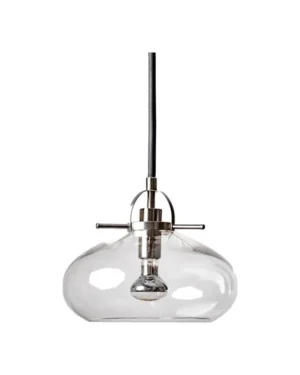
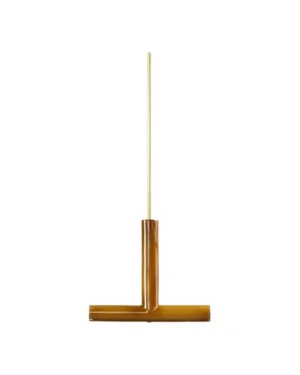
-
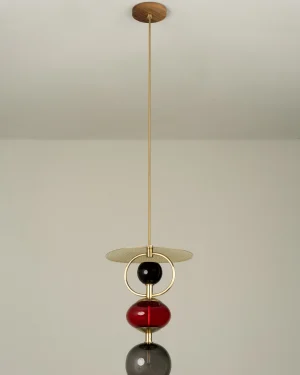
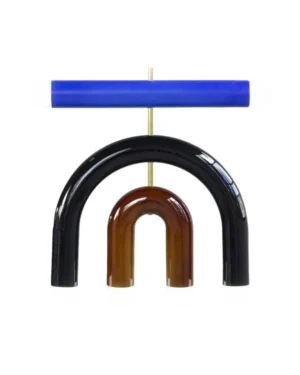
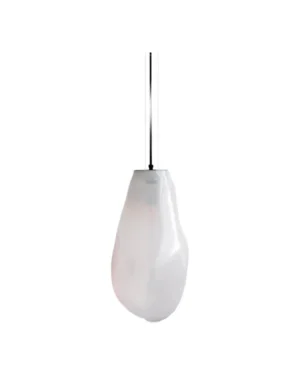
Vitrea Pendant Lamp in Glass and Brass
By Isabel Moncada
€3.802 -
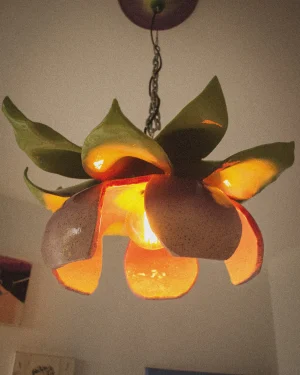
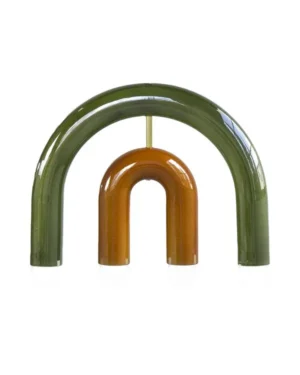
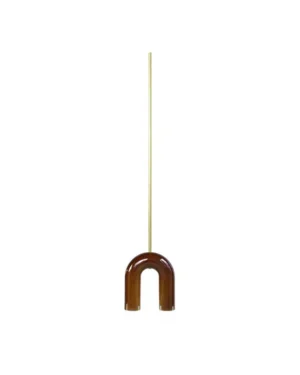
Amaryllis Ceiling Lamp in Glazed Ceramic
By UAU Studio
€1.300 -
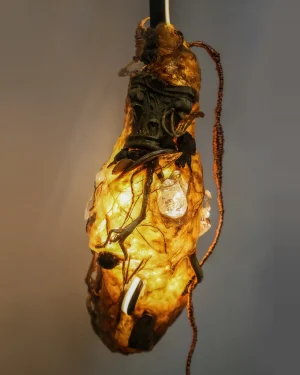
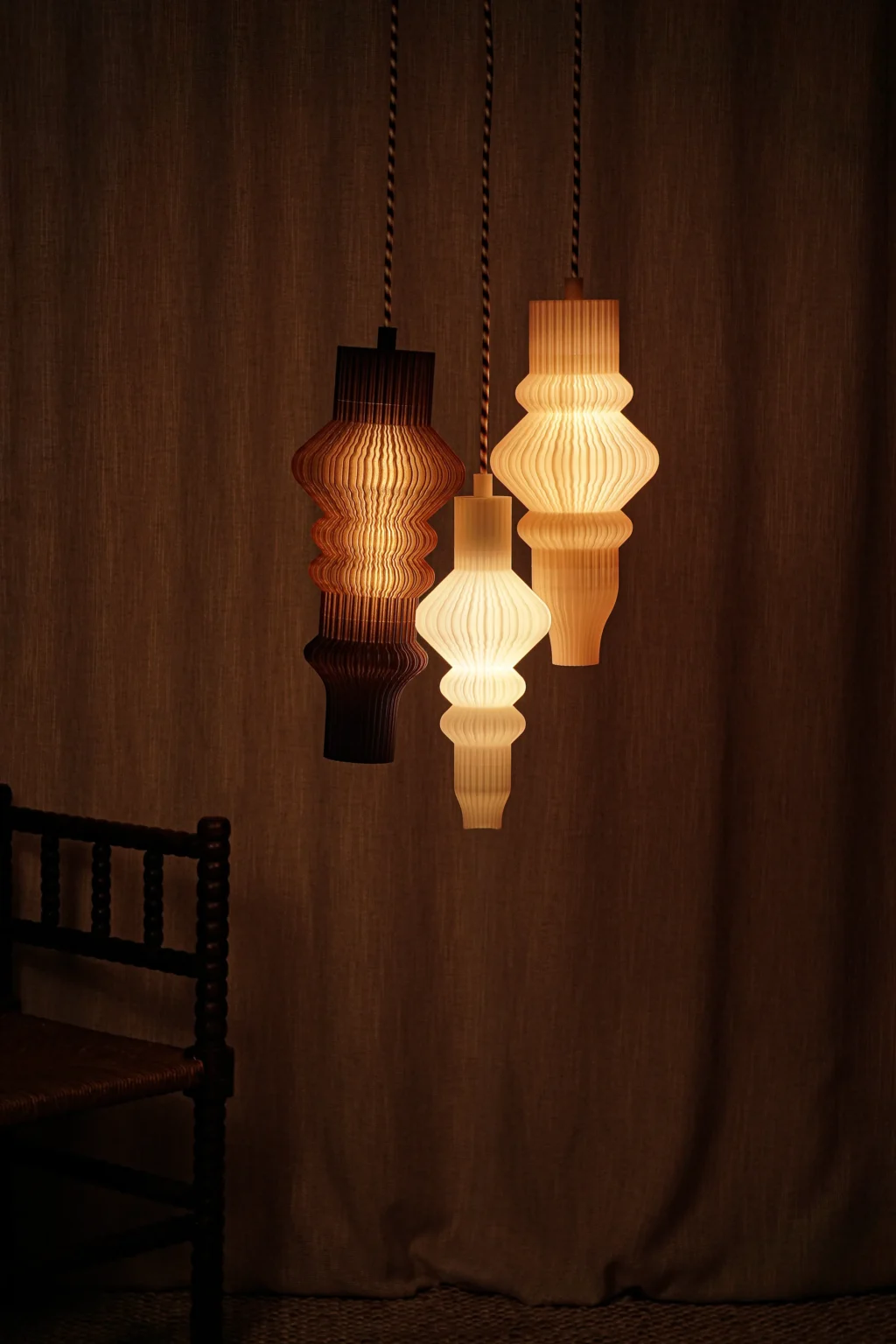
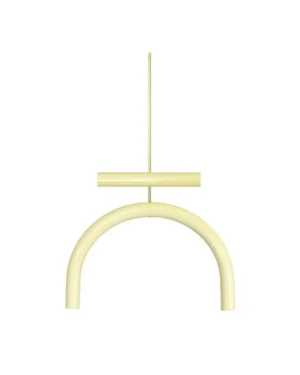
Weaver Nest Pendant Lamp in Bio Plastic
By Sabrina Merayo Nuñez
€3.500 -
 In stock
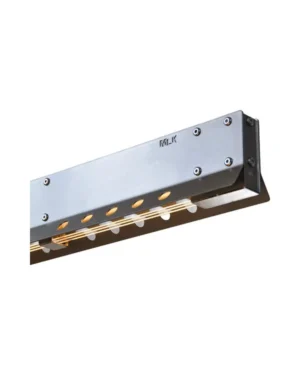
Lumix Ceiling Lamp in Stainless Steel
By Pablo Sinan Design
€365 -
 In stock
Large Pendant Lamp in Blown Glass and Textiles
By SVITANOK
€375 - €500 -
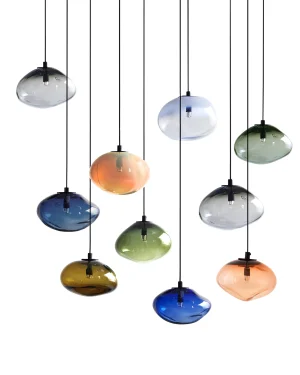
10 Starglow Pendant Lamp In Blown Glass
By ELOA - Unique Lights
€12.980 - €13.270 -
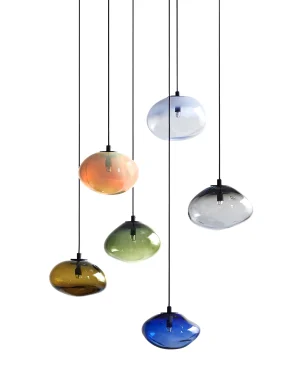
6 Starglow Pendant Lamp In Blown Glass
By ELOA - Unique Lights
€7.750 - €8.040 -
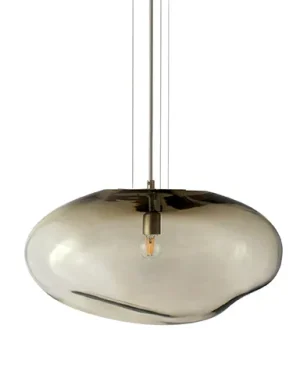
Haumea Amorph Pendant Lamp (silver Smoke) In Blown Glass
By ELOA - Unique Lights
€2.330 - €4.085 -

Pletyvo I Pendant Lamp in Raffia and Metal
By PletoStudio
€800 -

Umu U Pendant Lamp In Iron And Acrylic Glass
By Drusch Design
€950 -
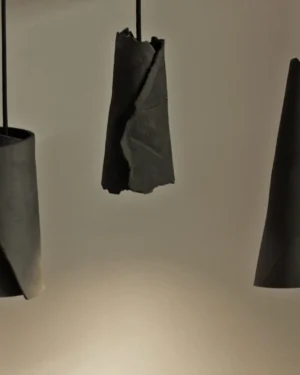
Ilumina Pendant Lamp in Ceramics
By Popdots Studio
€330 -

[float] Sculptural Ceiling Lamp in Concrete
By case studios
€2.700 -

Citiez 0.3
By Niels Stoeltie
€6.200 -
In stock
Medium Pendant Lamp in Blown Glass and Textiles
By SVITANOK
€300 - €415 -
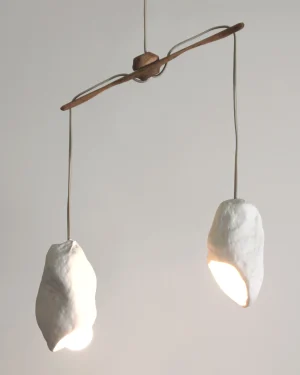
Maat Ceiling Lamp
By Dace Sūna
€1.200 -

Echin Pendant Lamp in Cotton and Glass
By PletoStudio
€1.100 -
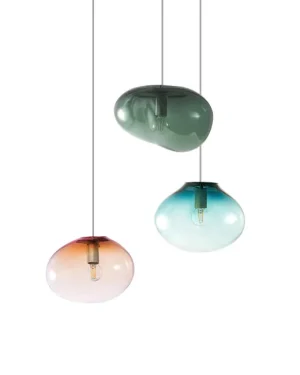
Planetoide Saiki Pendant Lamp In Blown Glass
By ELOA - Unique Lights
€7.480 - €7.770 -

Eclipse Pendant Light
By Rollo Studio
€2.400 -
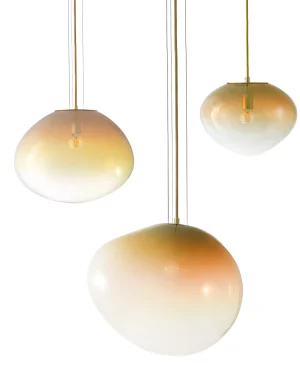
Sirius Pendant Lamp In Blown Glass
By ELOA - Unique Lights
€2.330 - €4.750 -
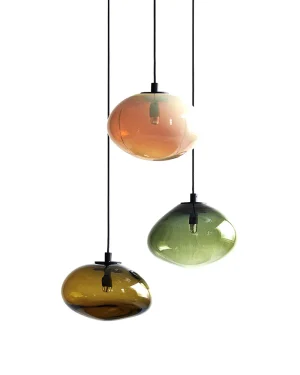
3 Starglow Pendant Lamp In Blown Glass
By ELOA - Unique Lights
€3.905 - €4.195 -
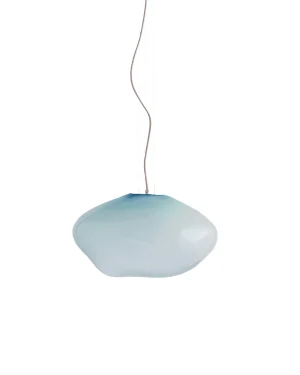
Haumea Convex Pendant Lamp (blue Opaque) In Blown Glass
By ELOA - Unique Lights
€2.330 - €4.085 -

Veil Pendant Lamp in Glass and Aluminum
By Andrew King Studio
€315 -

Constellation Set Of 3 Pendant Lamp In Blown Glass
By ELOA - Unique Lights
€9.060 -
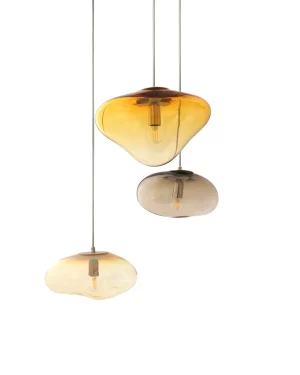
Planetoide Seresi Pendant Lamp In Blown Glass
By ELOA - Unique Lights
€7.480 - €7.770 -

Haumea Amorph Pendant Lamp (amber Iridescent) In Blown Glass
By ELOA - Unique Lights
€2.330 - €4.085 -
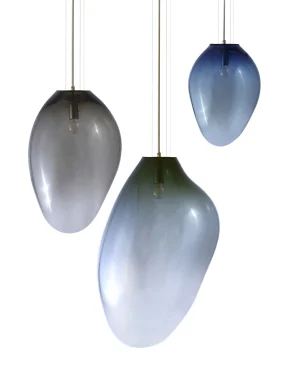
Ceres Pendant Lamp In Blown Glass
By ELOA - Unique Lights
€2.330 - €4.750 -
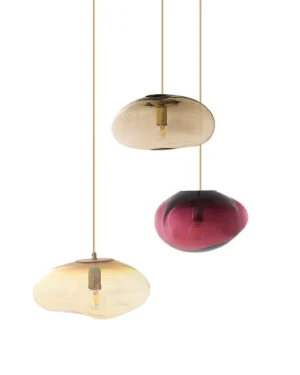
Planetoide Amor Pendant Lamp In Blown Glass
By ELOA - Unique Lights
€7.480 - €7.770 -
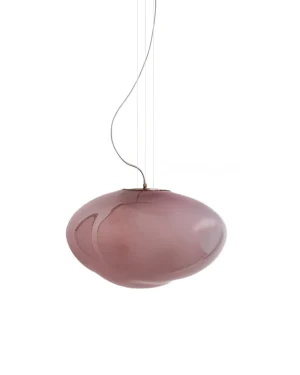
Haumea Convex Pendant Lamp (flieder Opaque) In Blown Glass
By ELOA - Unique Lights
€2.330 - €4.085 -
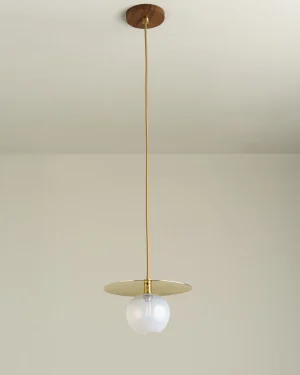
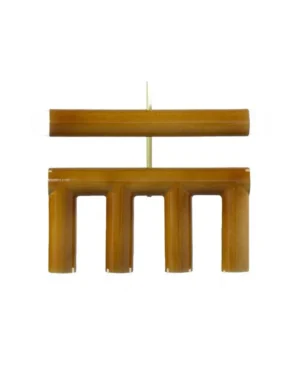
Cometa Pendant Lamp in Brass, Wood and Glass
By Isabel Moncada
€2.340 - €2.691 -
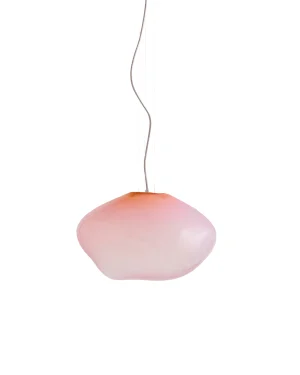
Haumea Convex Pendant Lamp (flamingo Opaque) In Blown Glass
By ELOA - Unique Lights
€2.330 - €4.085 -

Haumea Convex Pendant Lamp (salbei Opaque) In Blown Glass
By ELOA - Unique Lights
€2.330 - €4.085 -
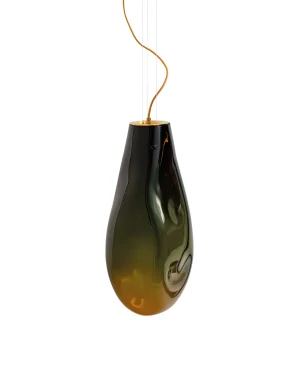
Lyra Pendant Lamp (yellow Green Blue) In Blown Glass
By ELOA - Unique Lights
€2.330 - €4.750 -
 In stock
Ic-4 Pendant Lamp In Resin, Foam And Natural Fibers
By Studio Josha
€8.250 -
Small Pendant Lamp in Blown Glass and Textiles
By SVITANOK
€279 - €345 -
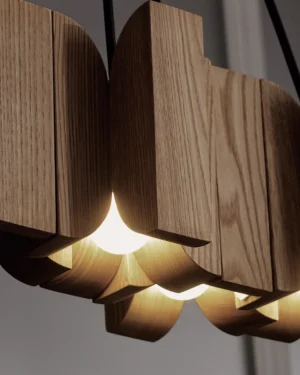
Natura Flower Pendant Lamp In Wood
By SHRE Studio
€330 -
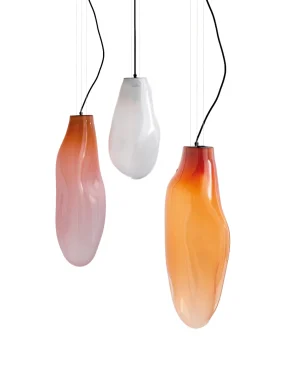
Lyra Pendant Lamp Set Of 3 In Blown Glass
By ELOA - Unique Lights
€9.480 -

Moono Sliding Pendant Light
By SHRE Studio
€2.500 - €2.700 -
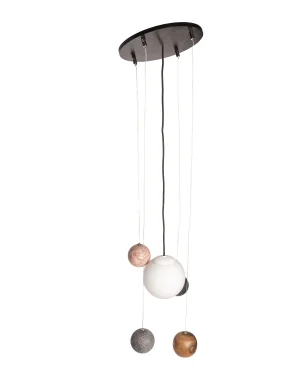
Planeta Ceiling Lamp in Marble and Volcanic Stone
By Daniel Orozco Estudio
€1.260 -
 Sold
Turtle – Geometric Chandelier In Iron
By Nama Home
€1.930 - €2.725 -

Ms Eclipse M (25cm) Pendant Lamp in Marbled Salts
By MARBLEDSALTS studio
Price Upon Request -
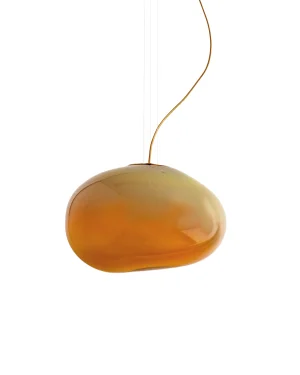
Haumea Convex Pendant Lamp (amber Iridescent) In Blown Glass
By ELOA - Unique Lights
€2.330 - €4.085 -
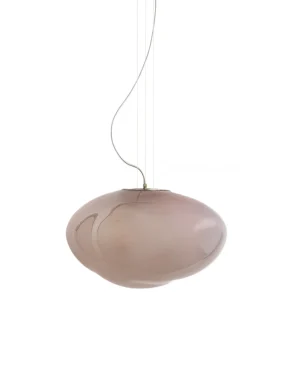
Haumea Convex Pendant Lamp (taupe Opaque) In Blown Glass
By ELOA - Unique Lights
€2.330 - €4.085 -
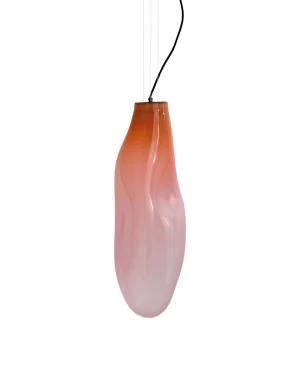
Lyra Single, Flamingo Opaque Pendant Lamp In Blown Glass
By ELOA - Unique Lights
€2.330 - €4.750 -
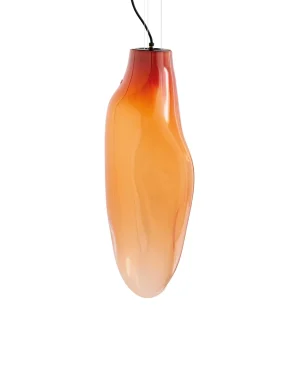
Lyra Pendant Lamp Single, Coral In Blown Glass
By ELOA - Unique Lights
€2.330 - €4.750 -
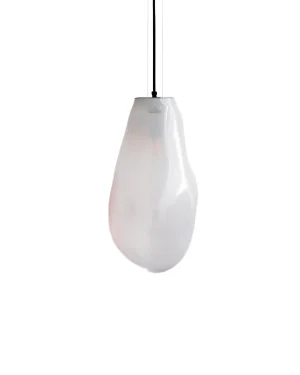
Lyra Pendant Lamp In White Opaque Glass
By ELOA - Unique Lights
€2.330 - €4.750
Unique pendant lamps are the one-off ceiling lights found on ADORNO, each hung as a single, unrepeated object rather than part of a production run. Studios working in blown glass, brass, ceramic and wood shape them one at a time, so the shade, cord and source come together as a single gesture rather than a catalog item. No two leave the workbench the same, which is the point of choosing one over a standard pendant.
What defines a one-off pendant
A unique pendant carries the marks of the hand that made it: a slight variation in the blown glass wall, a hammer facet left visible in beaten brass, a thumbprint pressed into wet clay before glazing. These are not flaws to be corrected in a second run, because there is no second run. The piece is the prototype and the final object at once.
That single-unit status also means fit and finish answer to the maker's eye rather than a factory tolerance. A hand-blown shade may sit a few millimeters off-axis; a carved wood canopy may show the grain exactly where the tree grew it. Buyers choosing from the wider pendant lamps range trade that irregularity for lamps with no history at all behind them.
Materials, finishes and ways of making
Glassblowing produces the shades most associated with one-off pendants: amber, coral, green or smoked bodies gathered and turned on the pipe, their color coming from oxide added to the molten batch rather than applied after. Metalwork and blacksmithing give brass, copper and steel bodies in black, silver or raw tones, hammered, bent or welded into fixtures that read as neo-industrial or mid-century depending on how the metal is finished. Hand-building and glazing turn ceramic into shades with the slight asymmetry of coiled or pinched clay, glazed in white, brown or pink and fired until the surface sets hard.
- Blown and cast glass in amber, green, coral or clear
- Hammered or welded brass, copper and steel in black or silver
- Hand-built, glazed ceramic in white, brown or pink
- Carved or turned chestnut and walnut
- Textile, resin and biofabricated shades
Choosing scale, finish and placement
A unique pendant should be sized to the table or surface it hangs over, not to the room as a whole: a shade roughly two-thirds the width of a dining table or kitchen island reads as intentional rather than lost in the ceiling. Hang height follows the same logic as any pendant, with clearance for sightlines across a table and extra drop permitted over a stairwell or double-height space. Because each piece is hand-finished, check the stated finish and color in the listing rather than assuming it matches a standard swatch, and decide whether you want the material to disappear into the room or stand as its own object, closer to the approach taken by minimalist pendant lamps.
Rooms suited to a one-off pendant
A single glass or ceramic pendant works as a quiet anchor over a reading chair or bedside table, while a cluster of two or three carries weight over a dining table or kitchen island without the formality of a chandelier. Entry halls and stairwells suit taller, narrower forms that read from a distance. For a lounge or sitting room, a sculptural brass or resin shade can stand in for a side table lamp, an approach shared with living room pendant lamps.
Living with glass, brass, ceramic and wood
Hand-blown glass holds heat from the bulb, so wipe it cool and dry rather than with a wet cloth that can shock the surface. Brass and copper will darken and spot with handling and air; left alone they develop a patina, or they can be waxed to slow it. Glazed ceramic wipes clean with a dry cloth, and unglazed or carved wood should stay away from direct damp or sun, which dulls the finish and can warp a thin shade over years. Anyone drawn to this way of making across other rooms can look through unique lamps or move to metal pendant lamps for a narrower, material-led search.
How do I choose a unique pendant lamp?
Start with the material and the light quality it gives: glass scatters light softly, metal throws a tighter pool, ceramic and wood block more than they pass. Then check it suits the room's height and the mood you want beneath it.
How do I care for a hand-blown glass or metal pendant?
Dust glass and ceramic shades with a dry or barely damp cloth, and avoid sudden temperature shifts that can stress glass. Brass and copper will darken with age unless waxed, while steel can be wiped clean and left to show its finish.
What height should a unique pendant lamp hang at?
Over a dining table or island, the shade's base typically sits around 30 to 36 inches above the surface. In hallways, stairwells or beds, hang it high enough to clear foot and head traffic while still reading as a presence overhead.
Which rooms suit a one-off pendant lamp best?
Kitchens, dining rooms and bedrooms take them well when hung singly as a focal object, while stairwells and entryways can carry a taller or heavier piece others wouldn't suit. Because each is one-off, it also sits well as the single statement in a quiet room.
Can I order a custom size, color or finish for a unique pendant?
Options vary by maker since every piece is a one-off rather than a production model. Chat with the maker on the piece's page to ask about custom sizing, color or finish.
How does shipping, returns and authenticity work when buying through ADORNO?
Shipping is insured and worldwide, with a 14-day return policy, though made-to-order pieces are excluded. Every piece comes with a certificate of authenticity and ADORNO's lowest-price guarantee.