-
 In stock
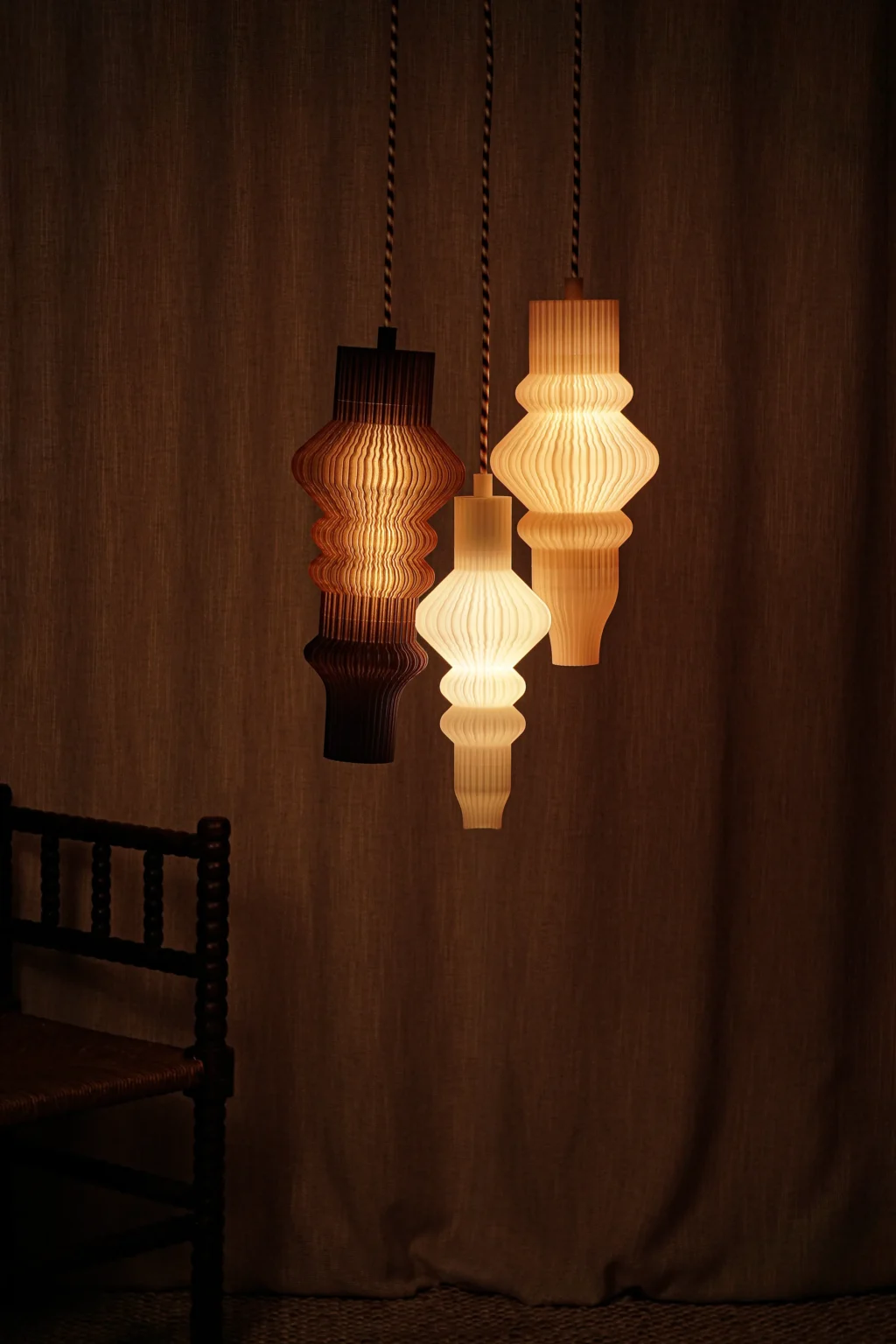
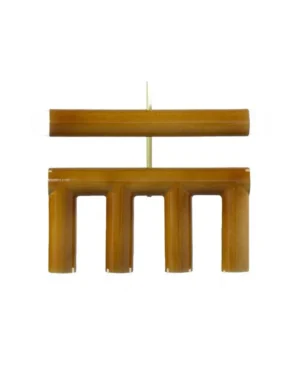
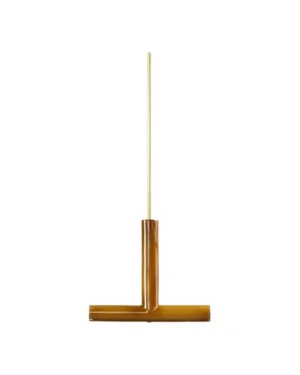
H 1 Pendant Lamp In Bio Polymer
By diploria studio
€295 - €495 -
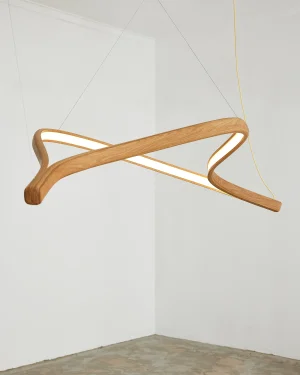
Perola Pendant Lamp in Oak Wood
By Poémia
€8.000 -
 In stock
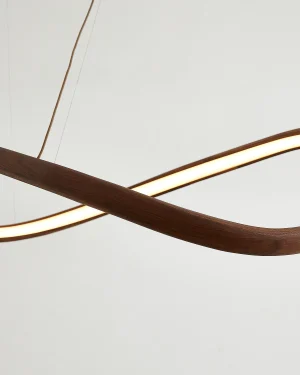
Horizonte Pendant Lamp in Walnut Wood
By Poémia
€8.450 -
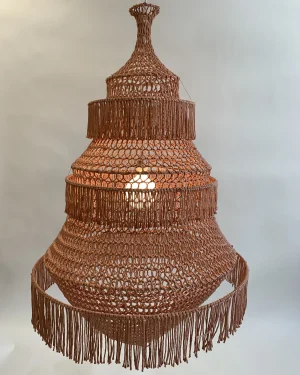
Typha Pendant Lamp in Cotton Rope
By Annie Legault
€1.907 -
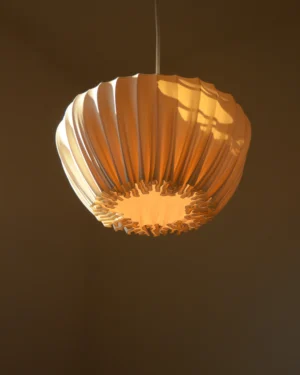
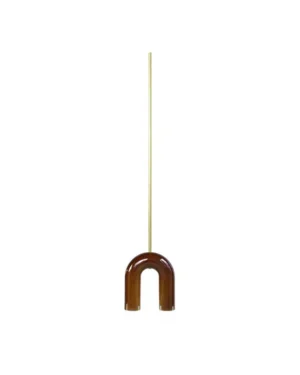
M 2 H Pendant Lamp In Bio Polymer
By diploria studio
€295 -

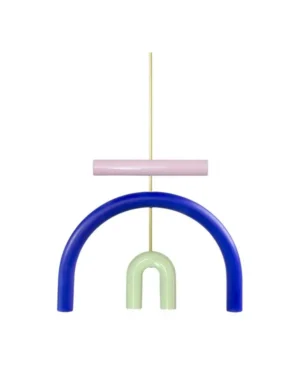
Pendulum Triptych Ceiling Lamp In Bio Plastic
By Julie Mallet Studio
€792 -
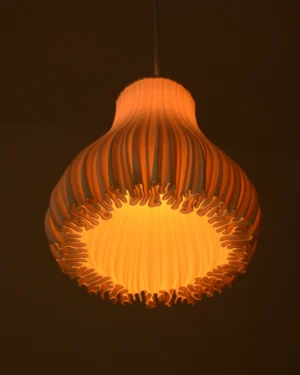 In stock
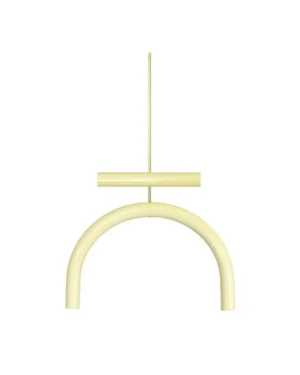
H 2 Pendant Lamp In Bio Polymer
By diploria studio
€295 - €495 -
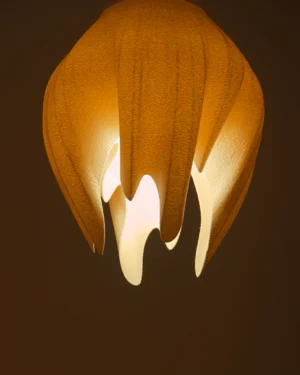 In stock
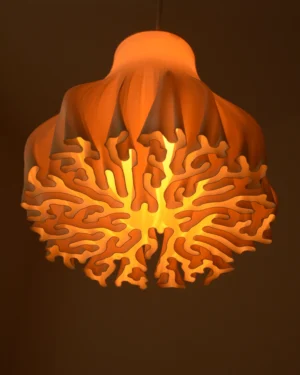
Medusa Pendant Lamp In Bio Polymer
By diploria studio
€245 - €495 -
 In stock
H 3 Pendant Lamp In Bio Polymer
By diploria studio
€395 -

Vira Triptych Ceiling Lamp In Bio Plastic
By Julie Mallet Studio
€567 -
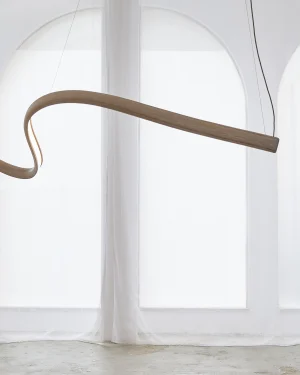 In stock
Brisa Pendant Lamp in White Ash Wood
By Poémia
€5.750 -
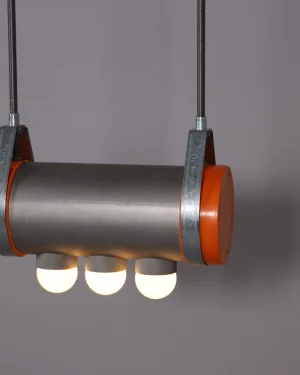 In stock
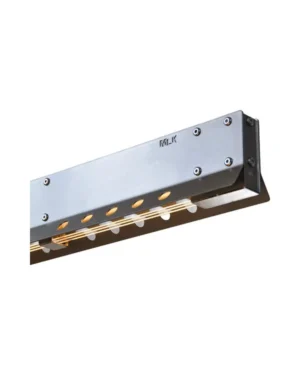
Three Bulb Upcycled Pendant Lamp In Raw Steel
By Nolan Talbot-Kelly
€2.100 -
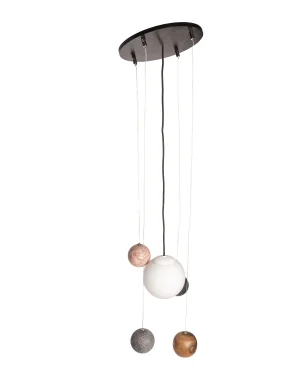
Planeta Ceiling Lamp in Marble and Volcanic Stone
By Daniel Orozco Estudio
€1.260 -

Chema Pendant Lamp in Parota Wood
By Daniel Orozco Estudio
€1.154 -
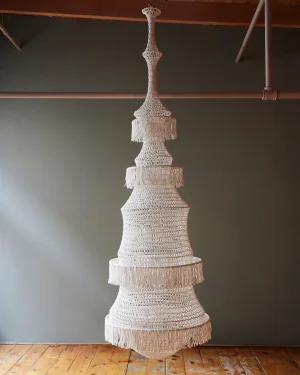
Luzule Pendant Lamp in Cotton Rope
By Annie Legault
Price Upon Request -

Ms Eclipse M (25cm) Pendant Lamp in Marbled Salts
By MARBLEDSALTS studio
Price Upon Request -
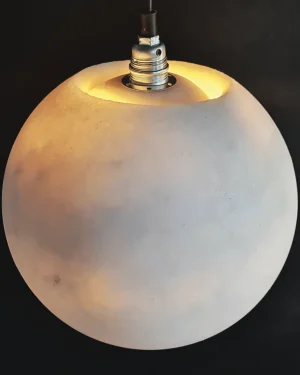
Marbled Salts Ceiling Lamp in Marbled Salts
By MARBLEDSALTS studio
Price Upon Request
Sustainable pendant lamps gather around materials that return to soil or recycling streams rather than landfill: bioplastic grown or pressed from plant starch, cotton rope knotted by hand, natural fiber woven into shades, and marble or volcanic stone left close to their quarried state. Studios working this way favor biofabrication, mould making and digital fabrication over processes that demand high heat or heavy machinery, so the footprint of each lamp stays modest from the first stage. What reaches a room looks closer to a grown object than a manufactured one, even while it still holds a bulb and a cord like any other fixture.
What makes a pendant lamp sustainable
The claim rests on where the material comes from and how little is wasted getting it into shape. Bioplastic is 3D printed into organic forms, cotton rope and other natural fiber come from plant crops, and recycled textiles give a second life to fabric that would otherwise be discarded. Marble and volcanic stone, when they appear, are usually offcuts or by-products of larger stone work rather than freshly quarried blocks.
Because many of these pieces come from small studios rather than factory lines, output tends to run as open editions, limited editions or unique pieces, with each batch tied to the material on hand that season. That makes the range within sustainable pendant lamps change often, even as the underlying approach to sourcing and shaping stays consistent.
Materials and techniques found in this range
Across the category, a handful of materials and ways of making recur. Knowing the vocabulary helps when comparing one shade to another:
- Bioplastic and synthetic fibers shaped through biofabrication or 3D printing, often in ivory, off-white or multicolor finishes
- Cotton rope and natural fiber worked by hand through macramé or textilework into open, lattice-like shades
- Textile shades sewn or stretched over a frame, usually in beige, brown or black
- Ash wood turned or joined through wood and cabinetmaking, sometimes finished with wood carving
- Marble and volcanic stone left raw or lightly polished, carrying natural variation from one piece to the next
For a wider look at how these same materials show up outside pendant lamps, the sustainable design style spans lighting, seating and objects built on the same principles.
Choosing scale, height and finish
A pendant reads first by its shade diameter against the surface below it. Over a dining table or kitchen island, a shade close to a third of the table's width keeps the light centered without crowding the place settings. A single, smaller pendant suits a reading corner or bedside, where it hangs lower and closer to eye level.
Finish matters as much as size. Ivory, white and off-white shades diffuse light softly and sit quietly against most wall colors, while black or black-and-white pieces act as a visible punctuation point against plaster or pale paint. Open-weave rope or fiber shades throw pattern onto the ceiling and walls, which is worth testing before the lamp goes up, since that pattern becomes part of the room's daily light.
Where these pendants work best
Natural fiber and textile shades soften the acoustics of a room as well as its light, which makes them suit living and dining spaces where conversation happens under them. Stone and ash-wood versions carry more visual weight and anchor a stairwell or entry where the lamp is seen from several angles. For a closer look at pendants sized and hung for lounging and gathering spaces specifically, see the living room pendant lamps on ADORNO.
Caring for natural and bio-based shades
Bioplastic and synthetic-fiber shades wipe clean with a dry or barely damp cloth; standing water or harsh solvents can soften or discolor them. Cotton rope and natural fiber benefit from an occasional light vacuum with a brush attachment to lift dust from the weave. Keep any of these materials out of direct, prolonged sun, which fades natural fibers and can make bioplastics brittle over time, and away from damp bathrooms unless the piece is specified for that use.
Beyond pendants, the same sourcing and care principles run through sustainable lighting and sustainable decor more broadly, and the full spread of hanging shapes and materials sits within pendant lamps as a category.
How do I choose a sustainable pendant lamp?
Start with the material: bioplastic and natural fiber shades cast a warm, diffused light, while marble or volcanic stone throw a heavier, more directional glow. Match that quality of light to how the room is used.
How do you care for a sustainable pendant lamp?
Dust bioplastic, cotton rope and woven fiber shades with a dry or barely damp cloth, away from direct moisture. Wipe marble or stone fittings dry if splashed, since both can stain or dull with standing water.
What size and hanging height works for a pendant lamp?
Over a table, hang the shade so its base sits around 30 inches above the surface, adjusting for the cord or chain length. For exact drop and shade dimensions on a given piece, chat with the maker on its page.
Which rooms suit sustainable pendant lamps best?
Kitchen islands, dining tables and stairwells all take well to a single pendant or a hung row, while a bedroom often calls for one lamp placed low beside the bed.
Are these pendant lamps handmade or produced in limited runs?
Many come from small studios working in biofabrication, mould making or textile work, so output runs as open editions, limited editions or unique pieces rather than factory lines.
How does buying a pendant lamp through ADORNO work?
Shipping is insured and worldwide, returns are accepted within 14 days except on made-to-order pieces, each lamp arrives with a certificate of authenticity, and ADORNO guarantees the lowest price.