
-
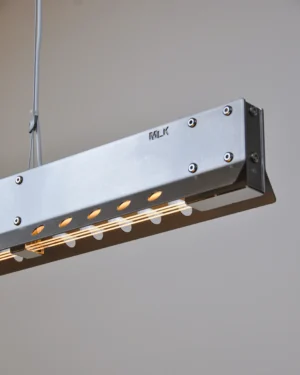
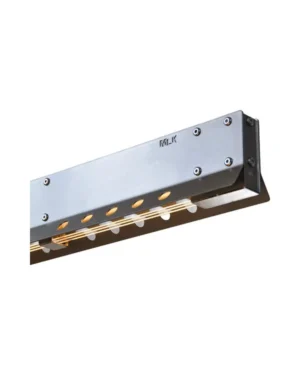
Ne1250/145 Pendant Lamp In Steel And Acrylic
By MLK Furniture
€1.390 -

Weaver Nest Pendant Lamp in Bio Plastic
By Sabrina Merayo Nuñez
€3.500 -
 In stock
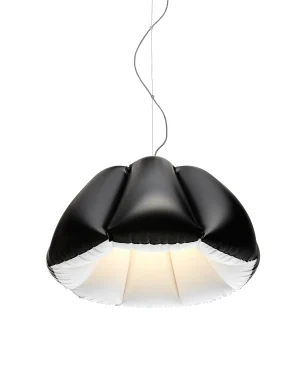
Orca Pendant Lamp in Galvanised Steel and PVC
By PUFF-BUFF
€430 -
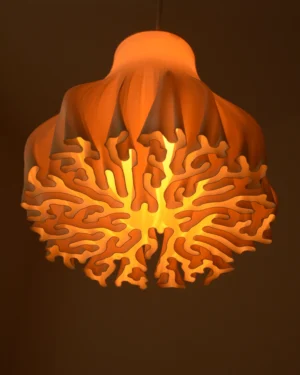 In stock
H 1 Pendant Lamp In Bio Polymer
By diploria studio
€295 - €495 -
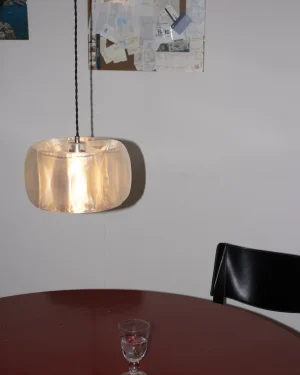 In stock
Pascal Pendant Lamp in Plastic
By 91-92
€306 - €459 -
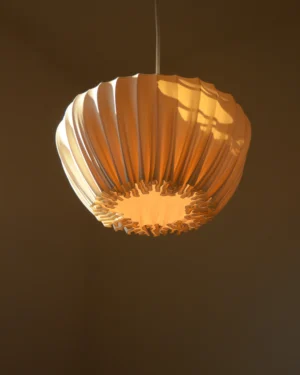
M 2 H Pendant Lamp In Bio Polymer
By diploria studio
€295 -

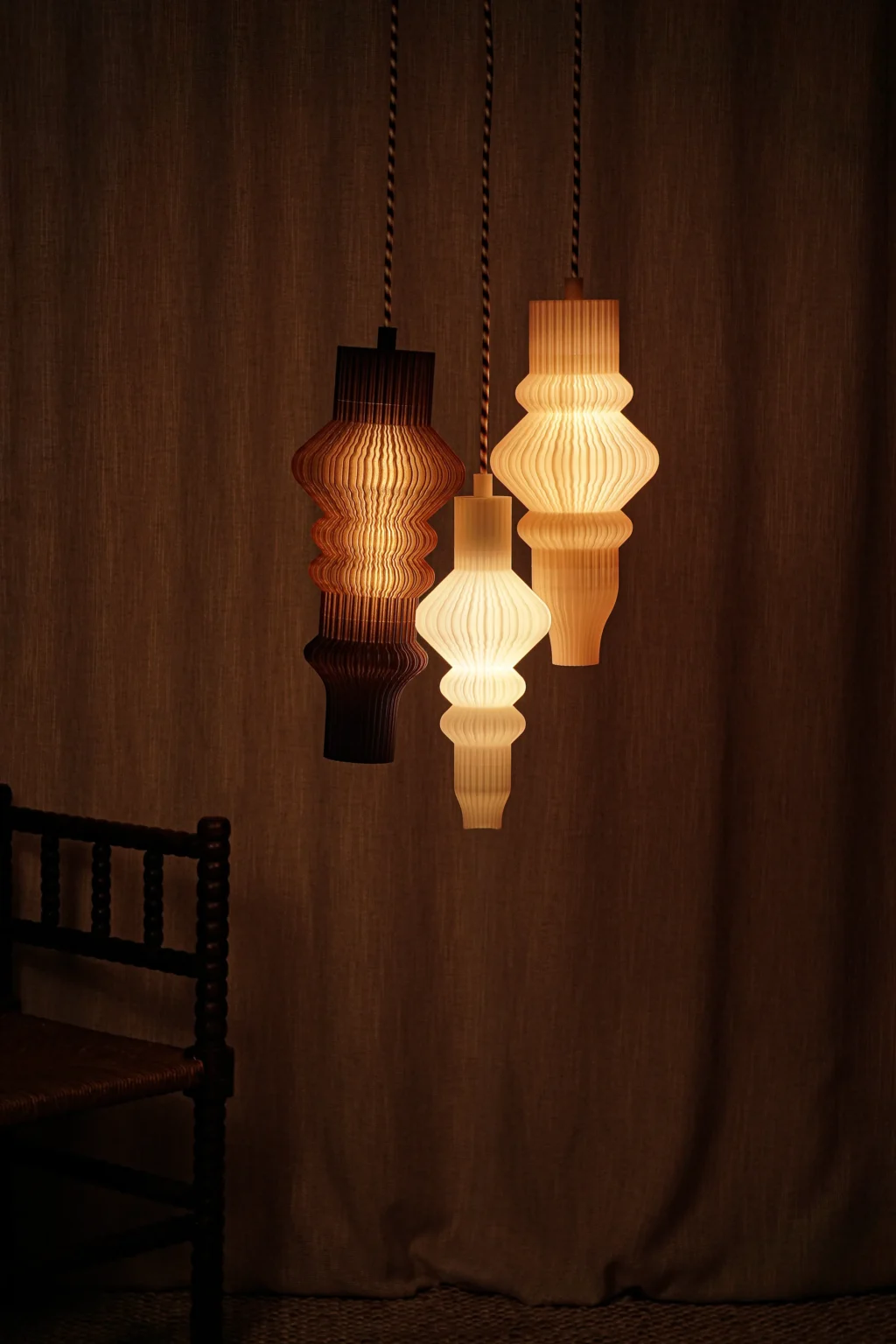
Pendulum Triptych Ceiling Lamp In Bio Plastic
By Julie Mallet Studio
€792 -
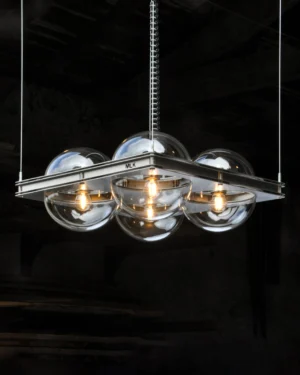
Bbl200x04 Pendant Lamp In Stainless Steel And Acrylic
By MLK Furniture
€2.400 -
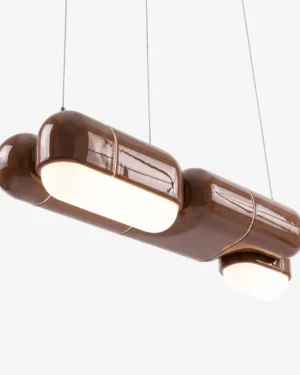
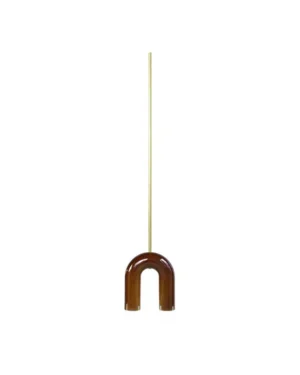
U – 044 – Pendant – Umber
By Rollo Studio
€2.345 -
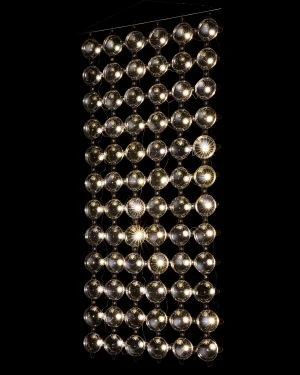
Bubbles Lighting Divider, Pendant Lamp In Air-filled Pvc
By PUFF-BUFF
€1.190 -
 In stock
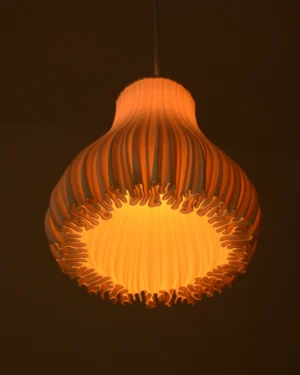
H 2 Pendant Lamp In Bio Polymer
By diploria studio
€295 - €495 -
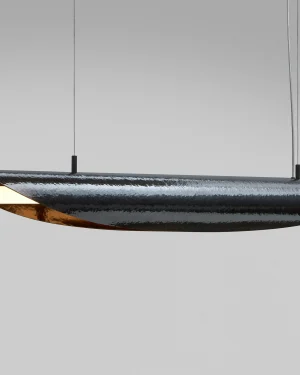
Taco De Luz Black Patinated Brass Pendant Lamp in Brass
By Studio Aristotelis Barakos
€5.900 -
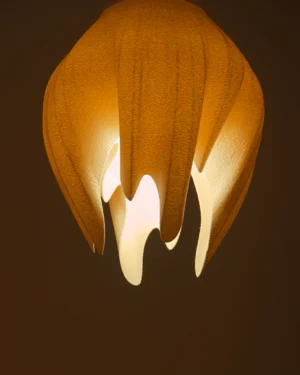 In stock
Medusa Pendant Lamp In Bio Polymer
By diploria studio
€245 - €495 -
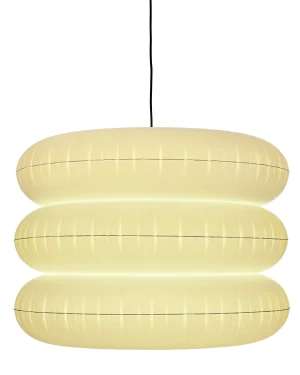 In stock
Big Puff Pendant Lamp in Polyurethane
By PUFF-BUFF
€550 -
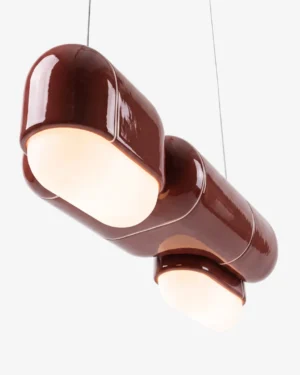
U-039 Pendant Lamp In Garnet Pla
By Rollo Studio
€1.995 -
 In stock
H 3 Pendant Lamp In Bio Polymer
By diploria studio
€395 -

Vira Triptych Ceiling Lamp In Bio Plastic
By Julie Mallet Studio
€567 -

Object 019 Pendant Lamp in Brass and Acrylic
By Naama Hofman
€1.850 -
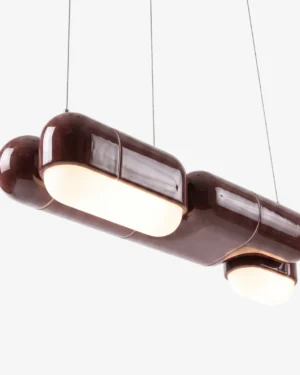
U-044 Pendant Lamp In Oxblood Pla
By Rollo Studio
€2.345 -
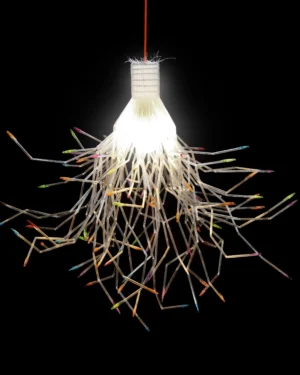 In stock
“Anemone” Bic-Pen Ceiling Lamp in Plastic
By Paolo Ulian
€1.461 -

Umu U Pendant Lamp In Iron And Acrylic Glass
By Drusch Design
€950 -
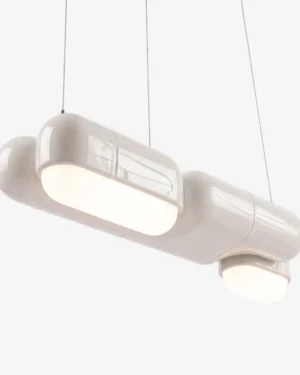
U-044 Pendant Lamp In Chalk Pla
By Rollo Studio
€2.345 -
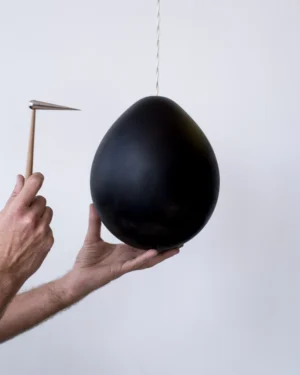 In stock
Less Pendant Lamp In Steel, Wood And Plaster
By Jordi Canudas Faura
€388 -
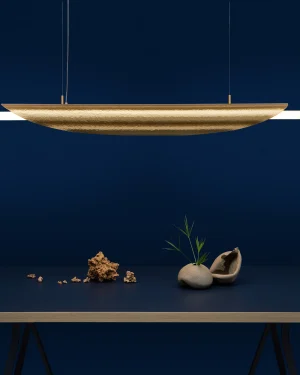 In stock
Taco De Luz Satin Brass Pendant Lamp in Brass
By Studio Aristotelis Barakos
€5.400 -
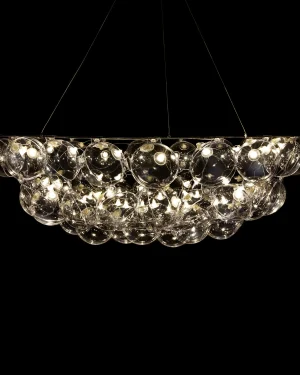 In stock
Half-superstar Ceiling/ Pendant Lamp In Pvc And Steel
By PUFF-BUFF
€1.190 -
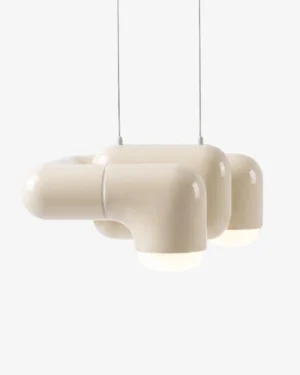
U-048 Pendant Lamp In Cream Pla
By Rollo Studio
€1.765 -
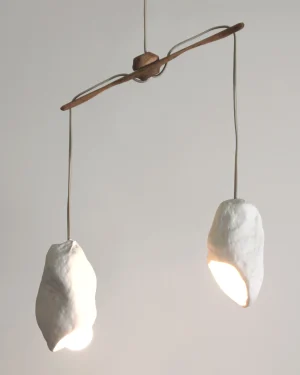
Maat Ceiling Lamp
By Dace Sūna
€1.200 -

Patagonia Pendant Lamp In Black Wood
By espina corona
€400€360 -

Object 018 Pendant Lamp in Brass and Acrylic
By Naama Hofman
€2.100 -

Eclipse Pendant Light
By Rollo Studio
€2.400 -
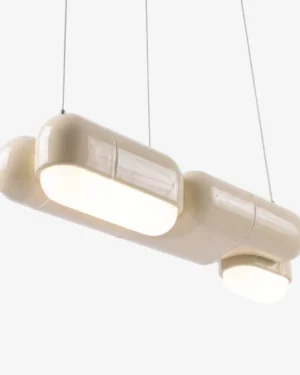
U-044 Pendant Lamp In Cream Pla
By Rollo Studio
€2.345 -
 In stock
Lullaby and Hygge Pendant Lamp in Resin and Steel
By BDCI
€1.400 -
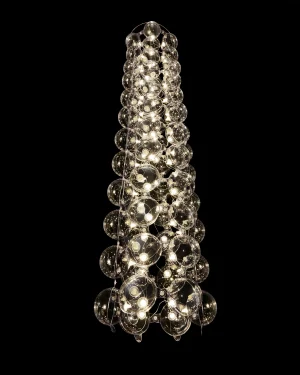
High Tower Pendant Lamp In Air-filled Pvc And Steel
By PUFF-BUFF
€1.480 -

Wind Pendant Lamp in Aluminum, Copper & Recycled Plastic
By SIGNATURE OBJECTS
€1.200 -

Tube 01 Pendant Lamp in Brass and Acrylic
By Naama Hofman
€2.600 -

Arc 015 Pendant Lamp in Brass and Acrylic
By Naama Hofman
€2.900 -
 In stock
Ic-4 Pendant Lamp In Resin, Foam And Natural Fibers
By Studio Josha
€8.250 -

Slotted Vertical Offset Pendant Lamp In Acrylic
By Nolan Talbot-Kelly
€1.800 -

Slotted Linear 32 Pendant Lamp In Aluminum And Acrylic
By Nolan Talbot-Kelly
€1.200
Plastic pendant lamps gather studios working in bioplastic, PLA, resin and acrylic, materials that move from liquid or granule into finished shade through 3D printing and other digital fabrication rather than the blowing, casting or glazing used for glass or ceramic. The same file can be printed thin and ribbed, or built up in dense layers, which is why this material supports shapes that would crack or sag in ceramic or wood. Stainless steel and metal fittings, birch wood canopies and painted or plastered finishes usually carry the technical load, holding the socket and cord while the polymer does the sculptural work.
What defines plastic and polymer in lighting
Bioplastic and PLA are derived from renewable sources such as corn starch or cellulose, which lets studios describe them as sustainable alternatives to petroleum plastics without claiming they vanish at the end of a piece's life. Acrylic, by contrast, is a petroleum-based polymer prized for the way it holds a transparent or tinted cast, so light passes through the shade itself instead of stopping at its surface. Both families are light in the hand relative to their size, a quality that matters once a shade is lifted overhead on a cord.
Color in this material runs from ivory, cream and beige through to wine, gray, black and fully transparent, with white remaining the most common because it diffuses a bulb's light without coloring it. Finishes lean toward hand painting or a plain printed surface left as the machine made it, rather than the glaze or patina associated with ceramic and metal. Printed layer lines are sometimes left visible on purpose, a record of the process rather than a flaw to be sanded away.
Styles and editions to expect
Plastic and polymer pendants read as contemporary, modern or minimalist more often than ornamental, since digital fabrication favors clean geometric or biomorphic forms over applied decoration. Some studios push toward a biophilic register, printing organic, branching or shell-like profiles that would be slow and costly to carve by hand; a smaller number work in an Art Deco or radical vein, using the same tools to fabricate stepped or faceted shades. Editions range from open runs, repeatable as long as the print file exists, to limited editions and genuine unique pieces, so it is worth checking how a given shade is classified before assuming it can be reordered.
How to choose a plastic pendant lamp
Scale matters more than material once a pendant is overhead: a shade under roughly thirty centimeters reads as a single accent, while anything larger starts to anchor a whole table or stairwell beneath it. Hang height depends on the room, with dining and kitchen island pendants typically sitting seventy to ninety centimeters above the surface, and hallway or stairwell versions set higher to clear movement below. Transparent acrylic throws light outward in most directions, useful over a table where people sit on every side, while an opaque bioplastic shade directs light downward and suits a reading corner or bedside position.
- Transparent or pale shades for rooms where spread of light matters more than concealment of the bulb
- Dense, opaque bioplastic or acrylic for a focused pool of light over a desk, counter or headboard
- Darker tones such as black or wine where the fixture should read as an object against a plain ceiling
These pendants suit living room settings as often as kitchens, since a sculptural polymer shade can double as a daytime object even before it is switched on. Paired with the steel, brass or birch fittings that most studios use for suspension, they sit comfortably alongside the broader range of metal pendant lamps and steel pendant lamps found across the wider pendant lamp offering.
Care and handling
For the fuller spread of bioplastic, resin and acrylic pieces beyond lighting, including side tables and objects made with the same digital fabrication methods, see every plastic and polymer piece on ADORNO, or step back to view all ceiling lamps across every material.
How do I choose a plastic pendant lamp?
Look at how the shade handles light: transparent acrylic lets it pass through, while white or ivory bioplastic diffuses it evenly. Consider the room's scale and whether the fitting is metal or wood, since that carries the weight.
Is plastic a good material for pendant lighting?
Yes, bioplastic, PLA and acrylic are light in the hand, resist the sagging or cracking seen in ceramic, and hold intricate printed shapes that other materials cannot support overhead.
How do you clean and care for a plastic pendant lamp?
Dust with a dry or slightly damp cloth, avoid harsh solvents that can cloud acrylic, and keep bioplastic shades away from prolonged direct heat or sunlight.
What size pendant lamp works for my space?
A single shade suits a reading corner or bedside, while rows or clusters define a longer surface such as a kitchen island or dining table. For exact dimensions, chat with the maker on the piece's page.
Which rooms suit plastic pendant lamps best?
Kitchens, dining areas and stairwells, where a sculptural shade can hang at eye level, show off printed texture and benefit from the material's light weight.
What are ADORNO's shipping, returns and authenticity policies?
Shipping is insured and worldwide. Returns are accepted within 14 days, excluding made-to-order pieces. Each lamp arrives with a certificate of authenticity, and ADORNO offers a lowest-price guarantee.