-
 In stock
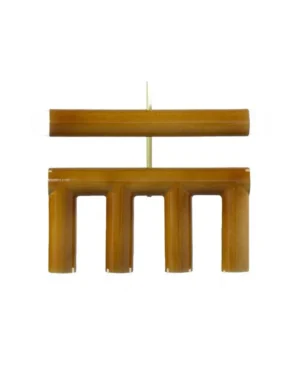
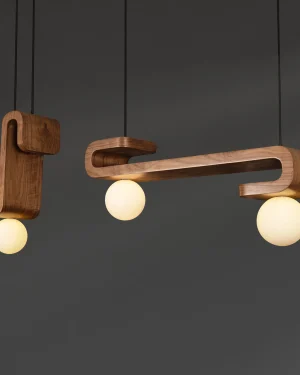
Esse Ceiling Lamp in Wood
By Saadia Design
€1.200 - €2.500 -
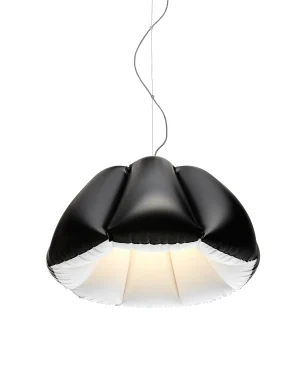 In stock
Orca Pendant Lamp in Galvanised Steel and PVC
By PUFF-BUFF
€430 -

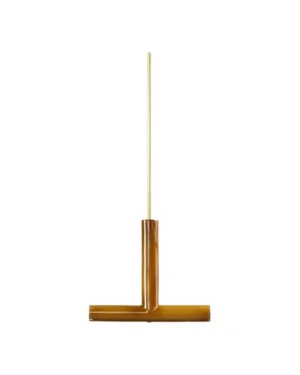
Patagonia Pendant Lamp In Wood
By espina corona
€650 -
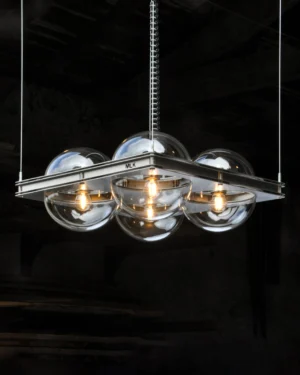
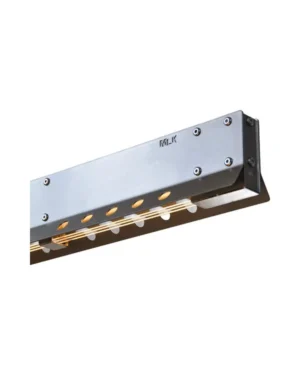
Bbl200x04 Pendant Lamp In Stainless Steel And Acrylic
By MLK Furniture
€2.400 -
 In stock
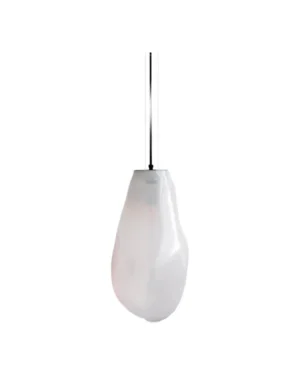
Large Pendant Lamp in Blown Glass and Textiles
By SVITANOK
€375 - €500 -
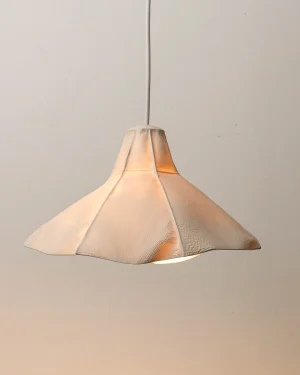
Kawa Series 04 – Ceramic Pendant Lamp
By Luft Tanaka Studio
€1.600 -
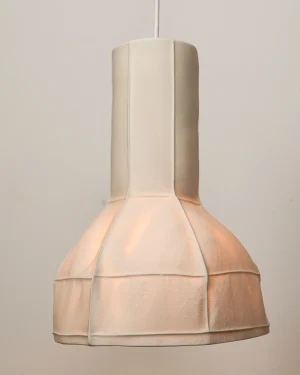
Kawa Series 05 Pendant Lamp in Porcelain and Ceramic
By Luft Tanaka Studio
€1.375 -

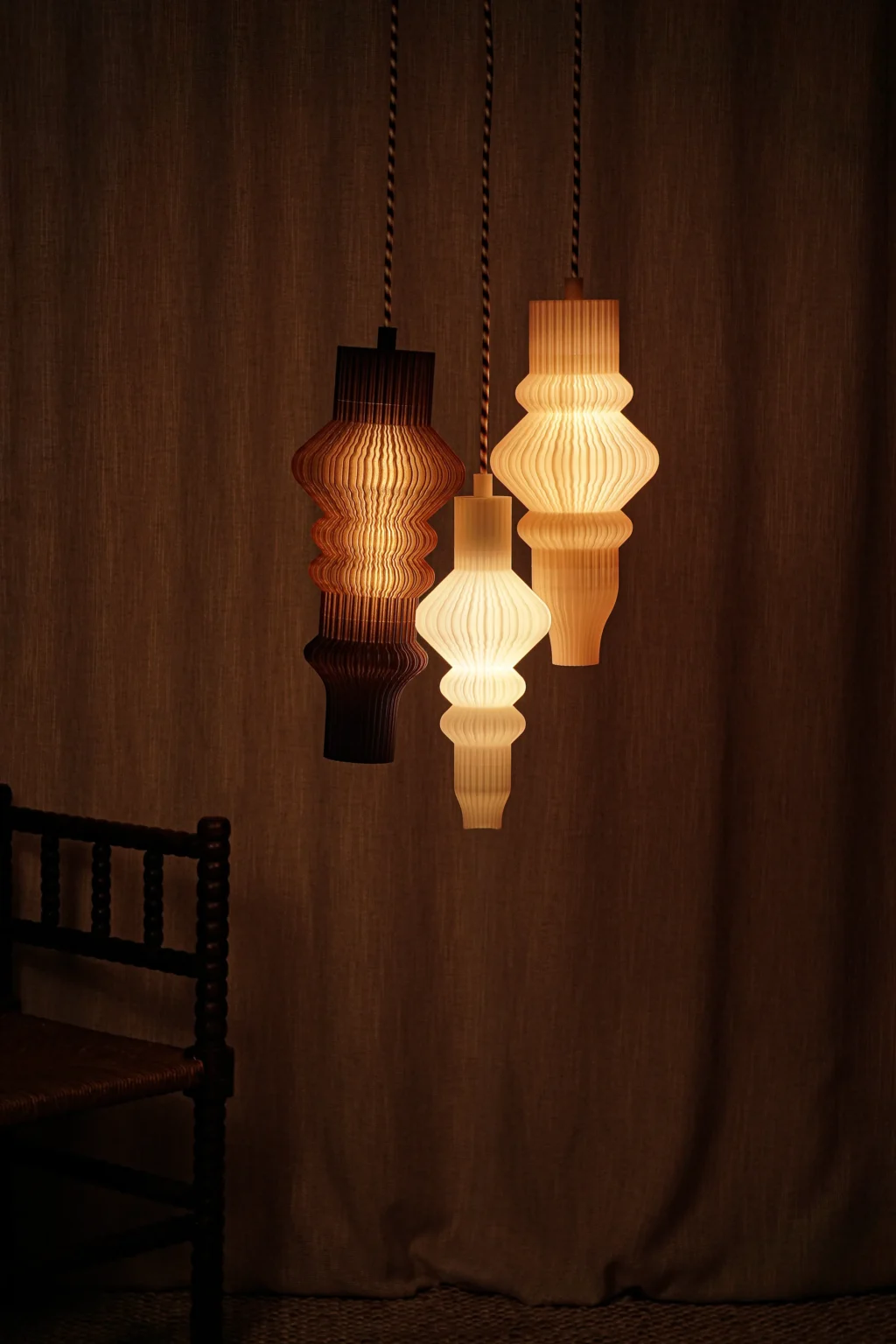
Vira Triptych Ceiling Lamp In Bio Plastic
By Julie Mallet Studio
€567 -
 In stock
Patagonia Pendant Lamp In Natural Wood
By espina corona
€390 -
In stock
Medium Pendant Lamp in Blown Glass and Textiles
By SVITANOK
€300 - €415 -
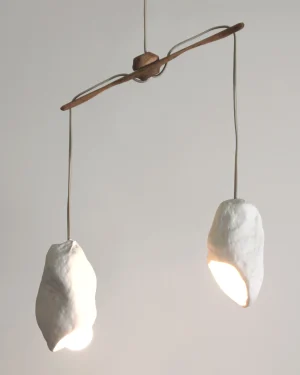
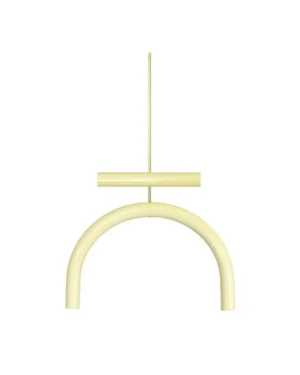
Maat Ceiling Lamp
By Dace Sūna
€1.200 -
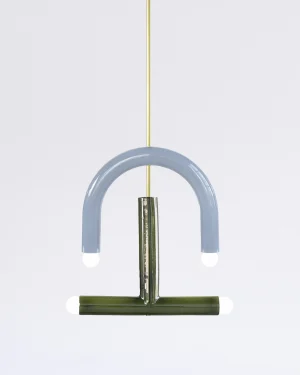
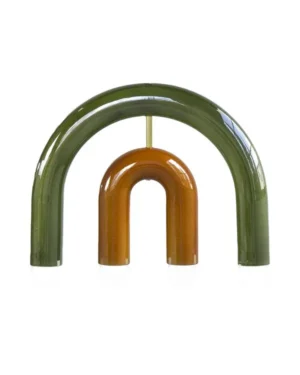
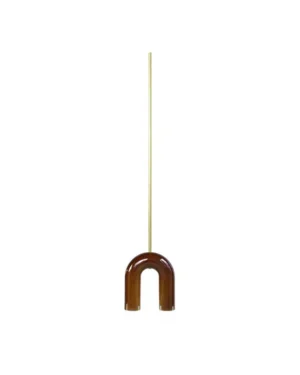
Trn / Model C3 Pendant Lamp In Ceramic
By Pani Jurek STUDIO
€880 - €940 -
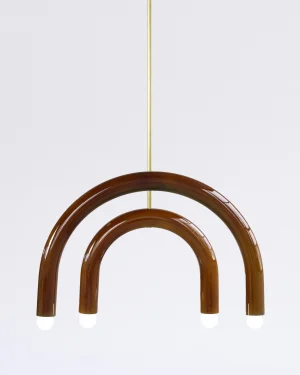
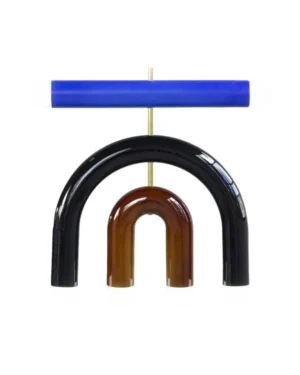
Trn / Model E3 Pendant Lamp In Ceramic
By Pani Jurek STUDIO
€1.430 - €1.490 -

Trn / Model F1 Pendant Lamp In Ceramic
By Pani Jurek STUDIO
€1.600 -
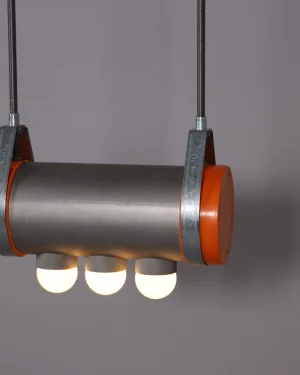 In stock
Three Bulb Upcycled Pendant Lamp In Raw Steel
By Nolan Talbot-Kelly
€2.100 -
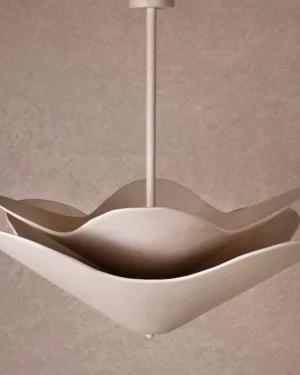
Iris Pendant In Clay Paste
By Harshita Jhamtani Designs
€1.180 -

Arc 015 Pendant Lamp in Brass and Acrylic
By Naama Hofman
€2.900 -
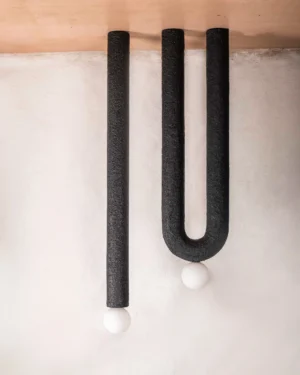
U And I Ceiling Light Set In Clay Paste And Glass
By Harshita Jhamtani Designs
€1.680 -

Clay Cone Pendant In Textured Black Clay Paste And Mild Steel
By Harshita Jhamtani Designs
€1.820 -
 In stock
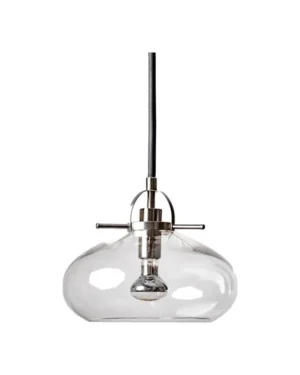
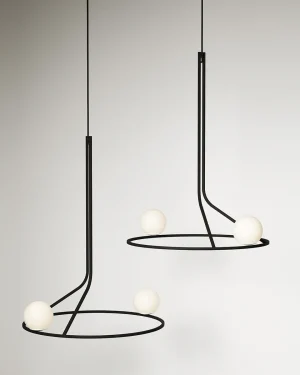
Na Linii Pendant Lamp in Steel and Glass
By SVITANOK
€1.050 -
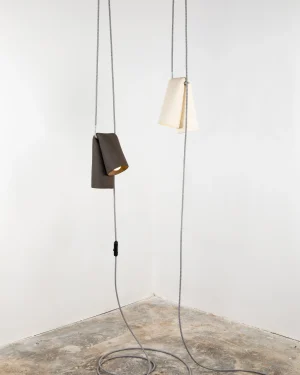
Melo Pendant Lamp In Ceramic
By Catalin Filip
€300 -

Trn / Model E1 Pendant Lamp In Ceramic
By Pani Jurek STUDIO
€1.430 - €1.490 -
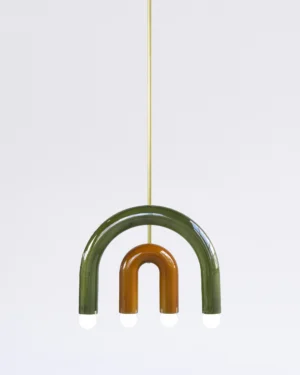
Trn / Model C1 Pendant Lamp In Ceramic
By Pani Jurek STUDIO
€880 -
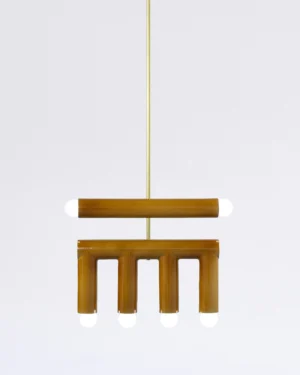
Trn / Model D2 Pendant Lamp In Ceramic
By Pani Jurek STUDIO
€1.080 - €1.130 -
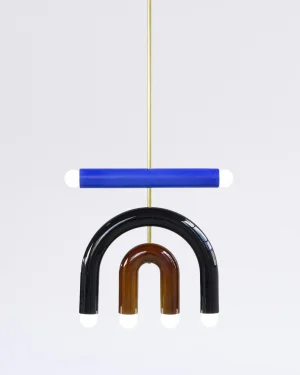
Trn / Model D1 Pendant Lamp In Ceramic
By Pani Jurek STUDIO
€1.080 -
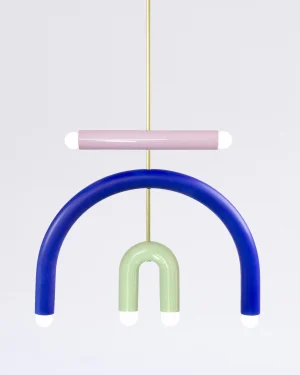
Trn / Model F3 Pendant Lamp In Ceramic
By Pani Jurek STUDIO
€1.600 - €1.650 -

Trn / Model C2 Pendant Lamp In Ceramic
By Pani Jurek STUDIO
€880 - €940
Kitchen pendant lamps bring the light source down to counter height, shaped by hand in ceramic, blown in glass or shaped from steel, mild steel and plaster composite. Each piece comes from an independent studio working in small, repeatable runs or, in glass and plaster, as a one-off. What unites them is restraint: one shade, one cord, one point of light, built to be hung alone over a sink or multiplied into a row above an island.
What defines a kitchen pendant lamp
A pendant earns its place in a kitchen by doing one job well: casting direct, useful light onto a work surface without the visual weight of a chandelier. Hand-built ceramic shades hold a soft, diffused glow and show the maker's hand in every ridge and glaze pool. Blown glass does the opposite, letting light pass through almost unbroken, while worked steel and mild steel shades throw a harder, more directional beam.
Materials, finishes and techniques on ADORNO
The range runs wider than the island above which most of these pieces hang. Ceramic shades arrive glazed in white, cobalt blue, denim or green, each color shifting the quality of light that passes through or bounces off it. Steel and mild steel pendants come blackened, brushed or left raw, built through metalwork rather than casting, which gives them cleaner seams and a longer life under daily heat and steam. Walnut and other hardwoods appear as canopy details or full shades, shaped by wood and cabinetmaking or CNC milling, while plaster composite pieces are built up by hand through plastering, giving a matte, stone-like surface that reads differently from glazed ceramic or polished acrylic.
- Styles: contemporary, minimalist, Art Deco, mid-century modern, wabi-sabi, boho chic
- Colors: white, black, beige, brown, light brown, cobalt blue, denim, green
- Editions: open editions for everyday use, unique pieces for a single, unrepeated fixture
Anyone set on a particular finish can move between the steel pendant lamps and the broader metal pendant lamps, both built through the same metalwork and finishing processes used across the kitchen range.
How to choose a kitchen pendant lamp
Scale and height matter more than style here. A single large shade reads as a sculptural object and suits an island with room to spare, while a row of two or three smaller pendants, evenly spaced, defines a long counter without crowding it. Hang height should clear eye level and sightlines across the room, usually leaving enough space below the shade for a clear view across the counter when seated or standing at the hob.
Finish should answer the room around it: a glazed ceramic shade in cobalt blue or green reads as a focal point against plain cabinetry, while blackened steel or brushed metal recedes into a kitchen already busy with pattern or color. Glass pendants suit kitchens that want light without added mass, since the shade itself all but disappears once lit.
Where these pendants work beyond the kitchen
The same proportions that suit an island carry over to a breakfast nook, a narrow galley kitchen or an open-plan space shared with dining and living areas. For adjoining rooms, the wider pendant lamps range and the kitchen lighting grouping cover sconces, table lamps and other fixtures built to the same material standards, useful for matching a single pendant to the rest of a scheme. Anyone furnishing the whole room rather than one fixture can also look across everything made for the kitchen, from vases to tableware, for pieces built by the same kind of independent studios.
Caring for ceramic, glass and steel pendants
Glazed ceramic needs only a dry cloth, since the glaze is non-porous and resists kitchen grease, though sudden temperature shifts near a hob can hairline a thin shade over years. Blown glass should be dusted rather than scrubbed, as abrasive cleaners dull the surface sheen built up during glassblowing. Steel and mild steel fixtures wipe clean with a damp cloth; raw or blackened finishes benefit from an occasional light wax to hold their color against steam and heat rising from daily cooking.
How do I choose a pendant lamp for my kitchen?
Match the shade to the job: ceramic or plaster for a soft, ambient glow, glass for light that passes through almost unbroken, steel for a harder beam aimed straight at a counter or island.
What height should a kitchen pendant hang at?
Over an island or counter, the shade typically sits so its base clears the work surface by about 30 to 36 inches, low enough to focus light, high enough to clear a standing cook.
How do I care for ceramic, glass or steel pendant shades?
Dust ceramic and glass with a dry or barely damp cloth to protect the glaze and shine, and wipe steel shades to prevent water spots or fingerprints from etching into the finish over time.
Can I hang kitchen pendant lamps in other rooms?
Yes, the same restraint that suits a kitchen, one shade, one cord, one point of light, works equally well over a dining table, a desk or a bedside, alone or multiplied in a row.
Are these kitchen pendant lamps handmade or one of a kind?
Many are hand-built, hand-blown or hand-finished in small, repeatable runs, while glass and plaster pieces are often made as one-offs; the maker can confirm details through Chat with the maker on the piece's page.
How does shipping, returns and authenticity work on ADORNO?
Shipping is insured and worldwide, returns are accepted within 14 days except on made-to-order pieces, and every pendant arrives with a certificate of authenticity alongside a lowest-price guarantee.