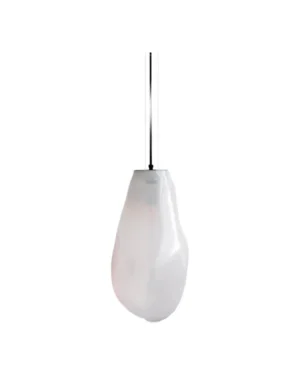
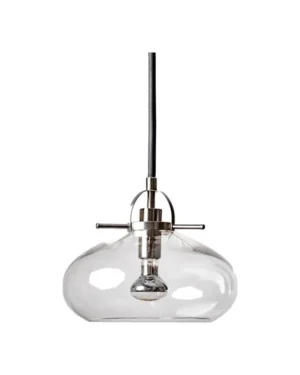
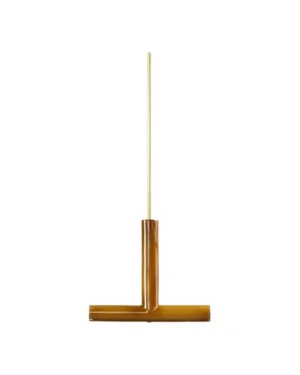
-

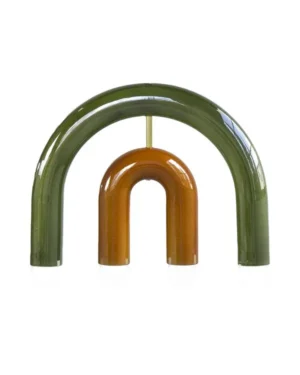
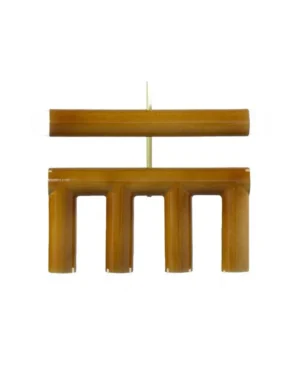
Trn / Model A2 Pendant Lamp In Ceramic
By Pani Jurek STUDIO
€470 -
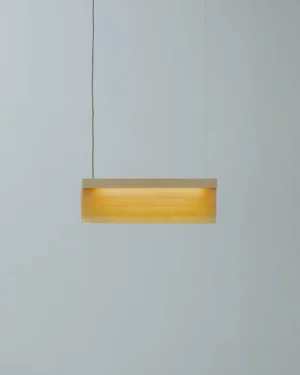
Cenit S Pendant Lamp In Ash Wood And Celium
By Natural Urbano - Sebastián Beltrán
€740 -
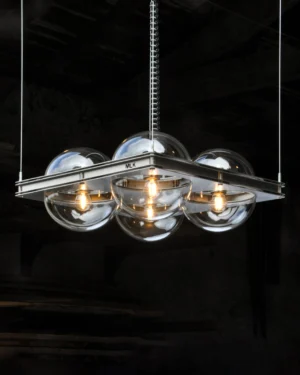
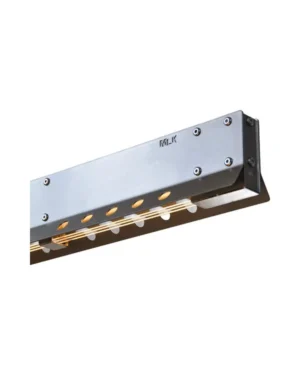
Bbl200x04 Pendant Lamp In Stainless Steel And Acrylic
By MLK Furniture
€2.400 -
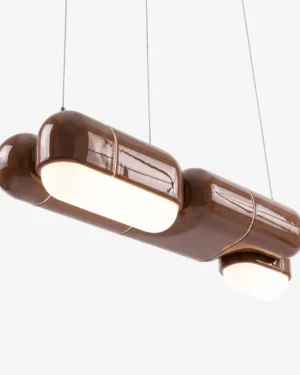
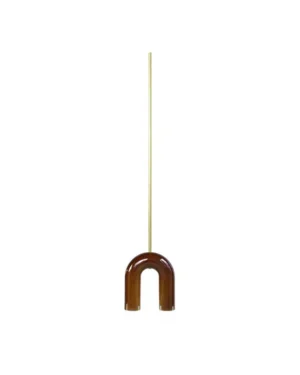
U – 044 – Pendant – Umber
By Rollo Studio
€2.345 -
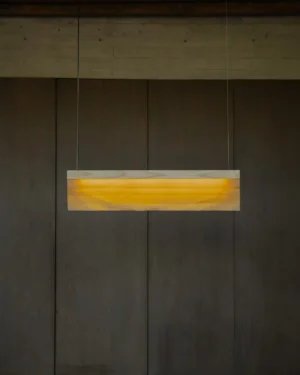
Cenit L Pendant Lamp In Ash Wood And Celium
By Natural Urbano - Sebastián Beltrán
€895 -
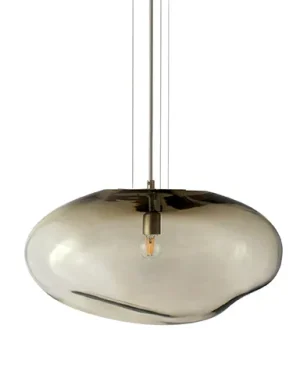
Haumea Amorph Pendant Lamp (silver Smoke) In Blown Glass
By ELOA - Unique Lights
€2.330 - €4.085 -
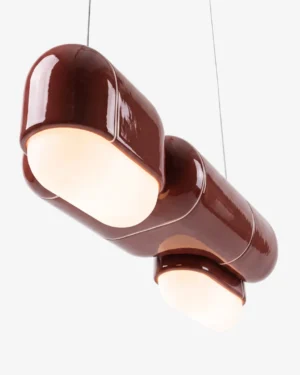
U-039 Pendant Lamp In Garnet Pla
By Rollo Studio
€1.995 -
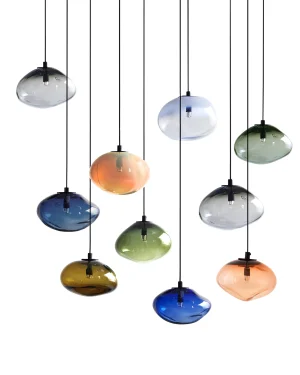
10 Starglow Pendant Lamp In Blown Glass
By ELOA - Unique Lights
€12.980 - €13.270 -

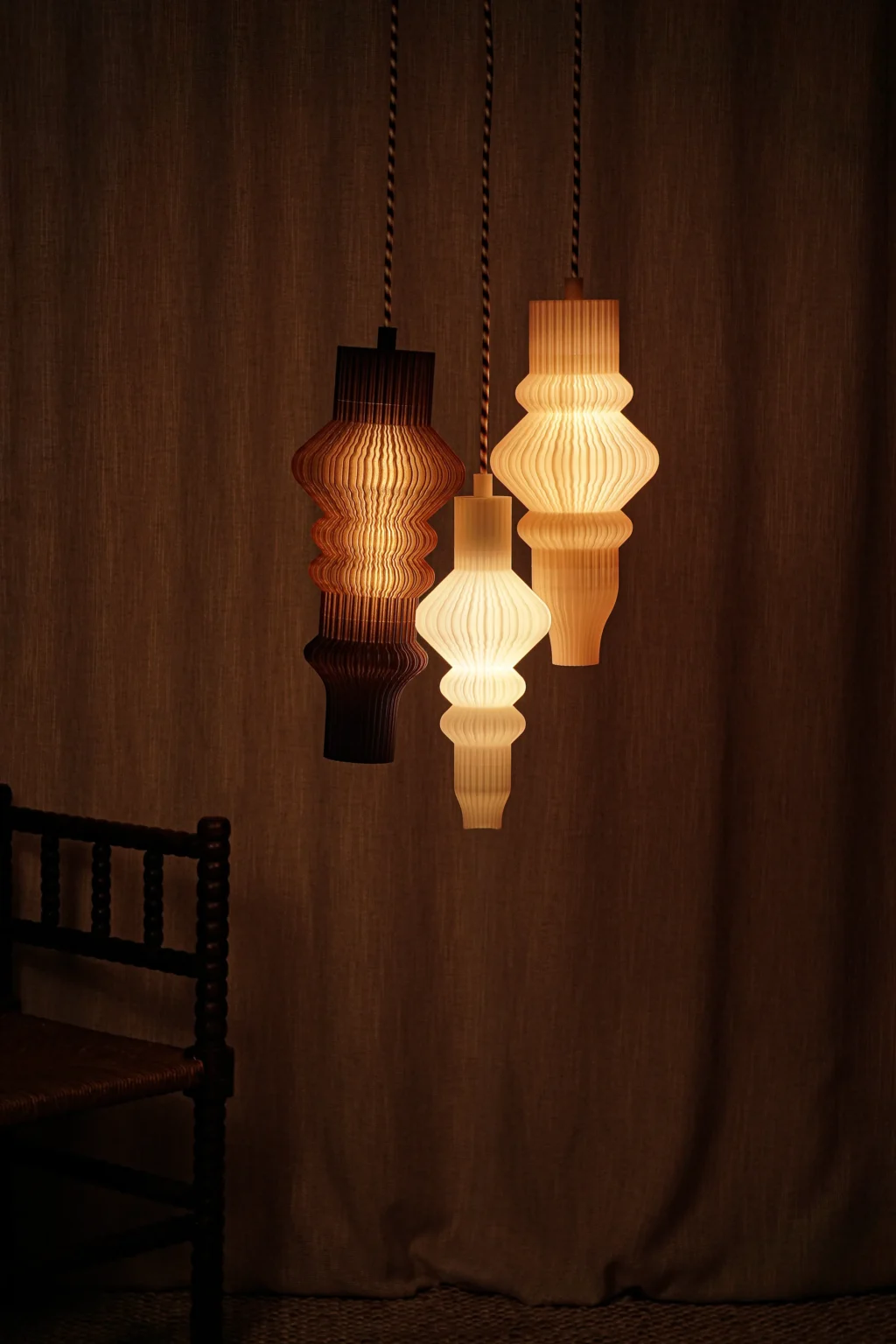
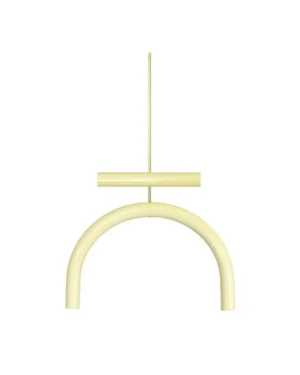
Vira Triptych Ceiling Lamp In Bio Plastic
By Julie Mallet Studio
€567 -
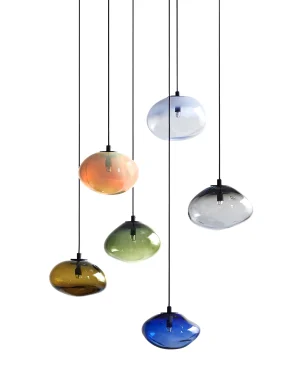
6 Starglow Pendant Lamp In Blown Glass
By ELOA - Unique Lights
€7.750 - €8.040 -
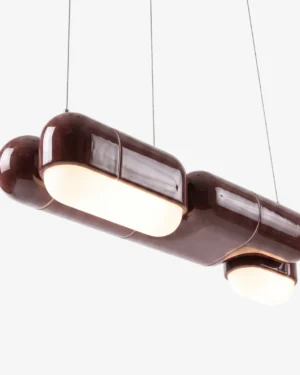
U-044 Pendant Lamp In Oxblood Pla
By Rollo Studio
€2.345 -
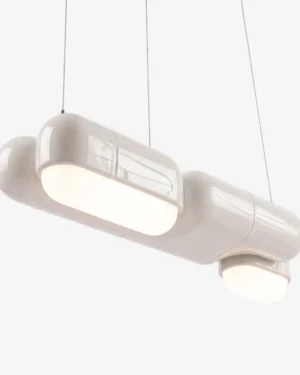
U-044 Pendant Lamp In Chalk Pla
By Rollo Studio
€2.345 -
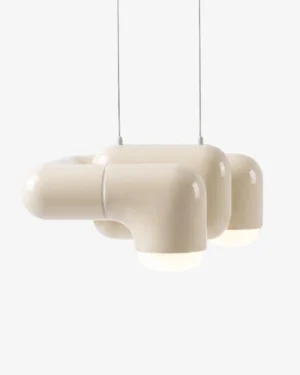
U-048 Pendant Lamp In Cream Pla
By Rollo Studio
€1.765 -
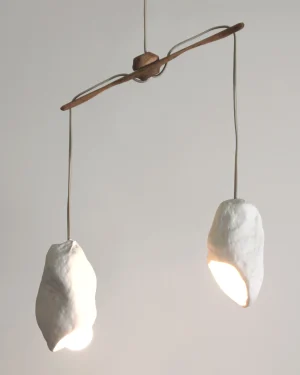
Maat Ceiling Lamp
By Dace Sūna
€1.200 -
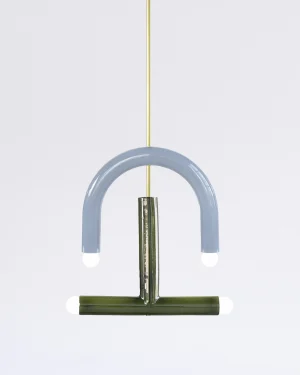
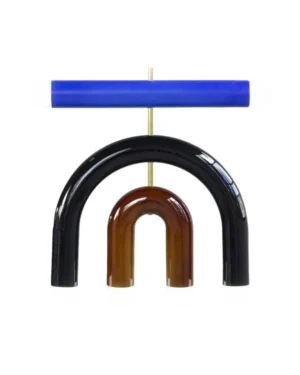
Trn / Model C3 Pendant Lamp In Ceramic
By Pani Jurek STUDIO
€880 - €940 -
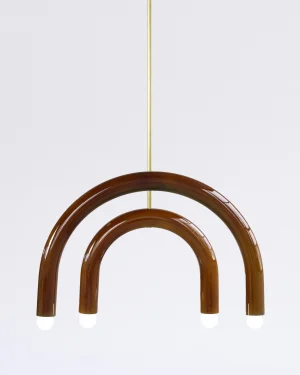
Trn / Model E3 Pendant Lamp In Ceramic
By Pani Jurek STUDIO
€1.430 - €1.490 -

Trn / Model F1 Pendant Lamp In Ceramic
By Pani Jurek STUDIO
€1.600 -
 In stock
Abyss No. 1 Pendant Lamp In Stoneware
By Ceren Gürkan
€900 -
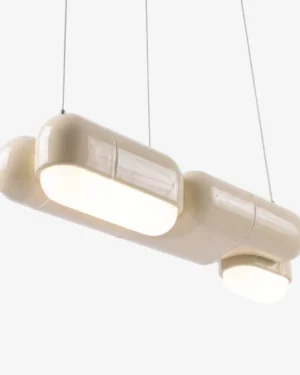
U-044 Pendant Lamp In Cream Pla
By Rollo Studio
€2.345 -
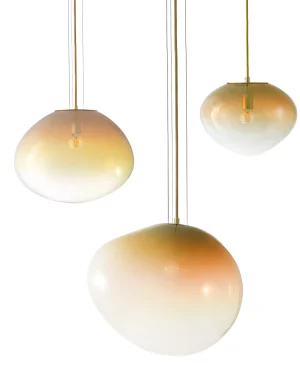
Sirius Pendant Lamp In Blown Glass
By ELOA - Unique Lights
€2.330 - €4.750 -
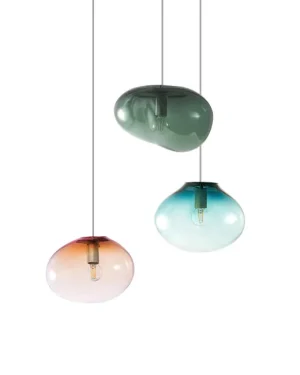
Planetoide Saiki Pendant Lamp In Blown Glass
By ELOA - Unique Lights
€7.480 - €7.770 -
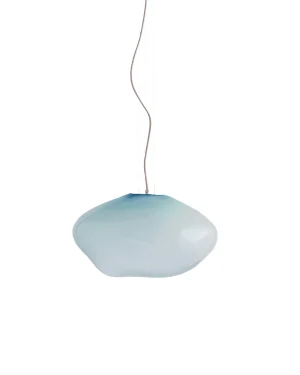
Haumea Convex Pendant Lamp (blue Opaque) In Blown Glass
By ELOA - Unique Lights
€2.330 - €4.085 -
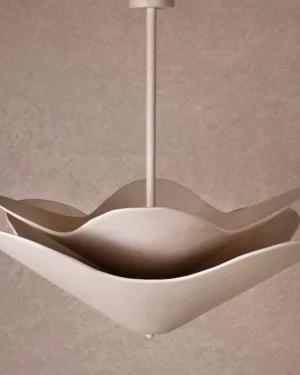
Iris Pendant In Clay Paste
By Harshita Jhamtani Designs
€1.180 -

Constellation Set Of 3 Pendant Lamp In Blown Glass
By ELOA - Unique Lights
€9.060 -
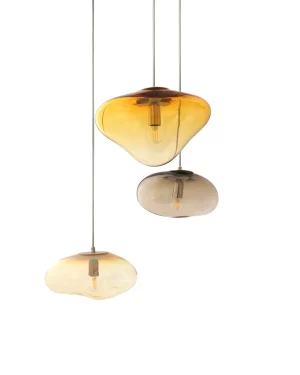
Planetoide Seresi Pendant Lamp In Blown Glass
By ELOA - Unique Lights
€7.480 - €7.770 -
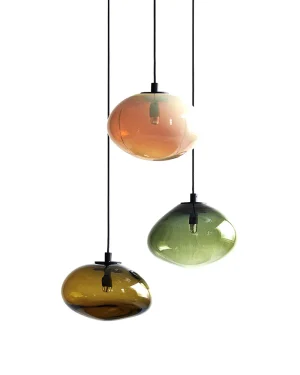
3 Starglow Pendant Lamp In Blown Glass
By ELOA - Unique Lights
€3.905 - €4.195 -

Haumea Amorph Pendant Lamp (amber Iridescent) In Blown Glass
By ELOA - Unique Lights
€2.330 - €4.085 -
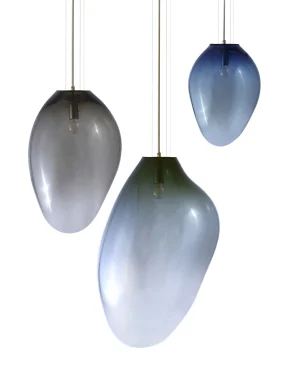
Ceres Pendant Lamp In Blown Glass
By ELOA - Unique Lights
€2.330 - €4.750 -
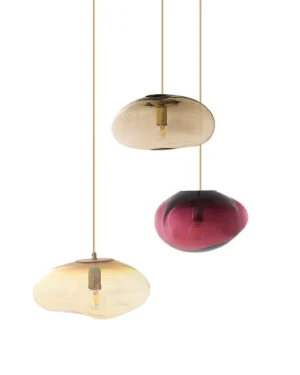
Planetoide Amor Pendant Lamp In Blown Glass
By ELOA - Unique Lights
€7.480 - €7.770 -
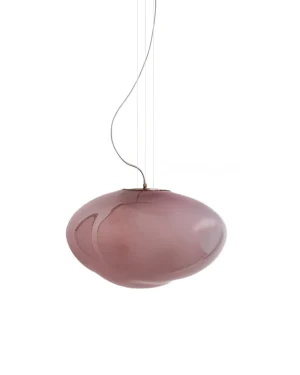
Haumea Convex Pendant Lamp (flieder Opaque) In Blown Glass
By ELOA - Unique Lights
€2.330 - €4.085 -
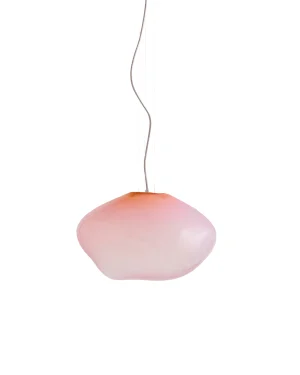
Haumea Convex Pendant Lamp (flamingo Opaque) In Blown Glass
By ELOA - Unique Lights
€2.330 - €4.085 -

Haumea Convex Pendant Lamp (salbei Opaque) In Blown Glass
By ELOA - Unique Lights
€2.330 - €4.085 -
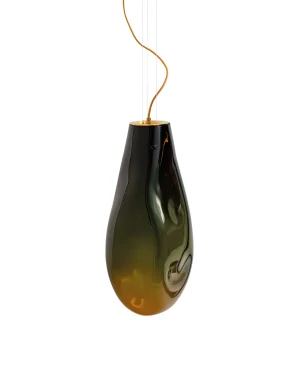
Lyra Pendant Lamp (yellow Green Blue) In Blown Glass
By ELOA - Unique Lights
€2.330 - €4.750 -
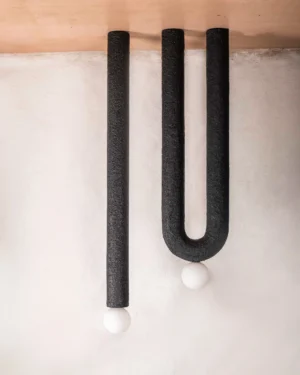
U And I Ceiling Light Set In Clay Paste And Glass
By Harshita Jhamtani Designs
€1.680 -

Clay Cone Pendant In Textured Black Clay Paste And Mild Steel
By Harshita Jhamtani Designs
€1.820 -
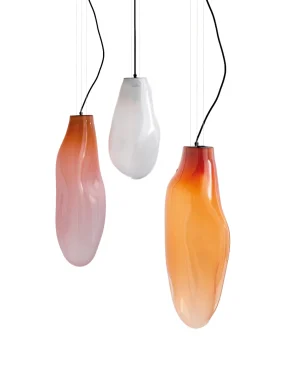
Lyra Pendant Lamp Set Of 3 In Blown Glass
By ELOA - Unique Lights
€9.480 -

Mélopée Pendant Lamp In Porcelain
By Pirouette
€636 - €1.980 -
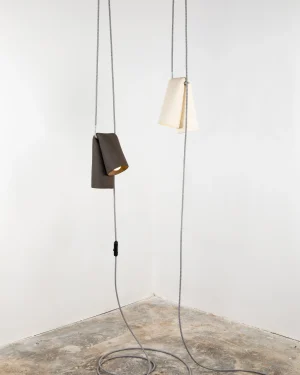
Melo Pendant Lamp In Ceramic
By Catalin Filip
€300 -

Trn / Model E1 Pendant Lamp In Ceramic
By Pani Jurek STUDIO
€1.430 - €1.490 -

Trn / Model D2 Silver Finish Pendant Lamp In Ceramic
By Pani Jurek STUDIO
€1.130 -
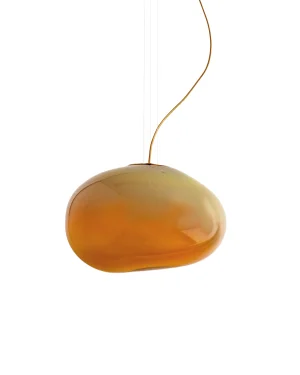
Haumea Convex Pendant Lamp (amber Iridescent) In Blown Glass
By ELOA - Unique Lights
€2.330 - €4.085 -
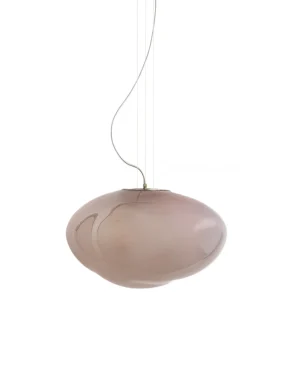
Haumea Convex Pendant Lamp (taupe Opaque) In Blown Glass
By ELOA - Unique Lights
€2.330 - €4.085 -
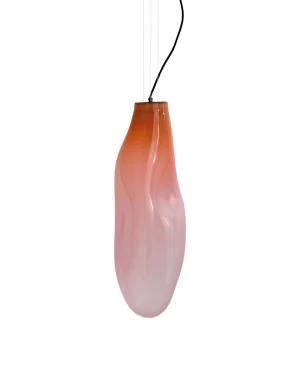
Lyra Single, Flamingo Opaque Pendant Lamp In Blown Glass
By ELOA - Unique Lights
€2.330 - €4.750 -
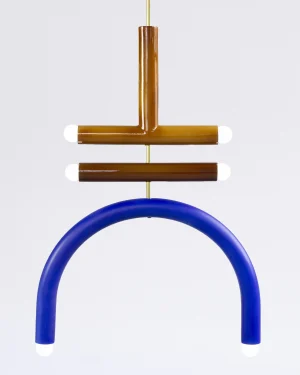
Trn / Model F2 Pendant Lamp In Ceramic
By Pani Jurek STUDIO
€1.600 -
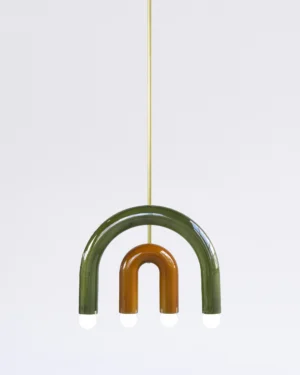
Trn / Model C1 Pendant Lamp In Ceramic
By Pani Jurek STUDIO
€880 -
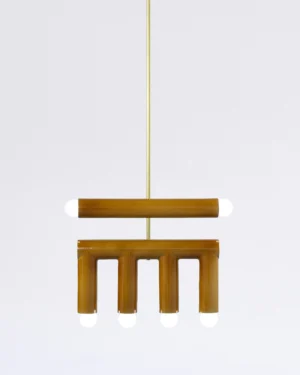
Trn / Model D2 Pendant Lamp In Ceramic
By Pani Jurek STUDIO
€1.080 - €1.130 -
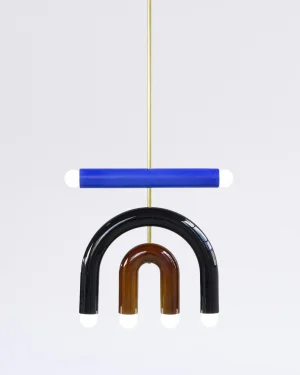
Trn / Model D1 Pendant Lamp In Ceramic
By Pani Jurek STUDIO
€1.080 -
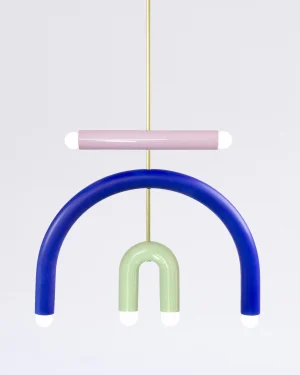
Trn / Model F3 Pendant Lamp In Ceramic
By Pani Jurek STUDIO
€1.600 - €1.650 -

Trn / Model C2 Pendant Lamp In Ceramic
By Pani Jurek STUDIO
€880 - €940 -
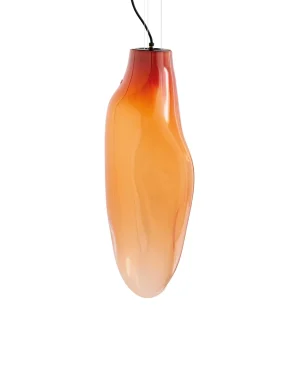
Lyra Pendant Lamp Single, Coral In Blown Glass
By ELOA - Unique Lights
€2.330 - €4.750 -
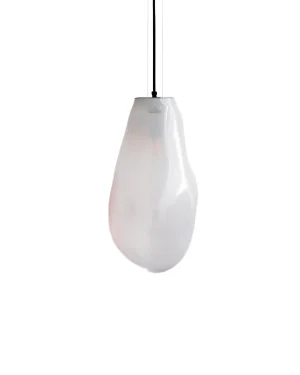
Lyra Pendant Lamp In White Opaque Glass
By ELOA - Unique Lights
€2.330 - €4.750
Hallway pendant lamps mark the vertical heart of a stairwell or corridor, where a single point of light reads clearly from both ends of a passage. Independent studios make them in blown glass, glazed ceramic, mild steel and plaster composite, each material asking for a different weight and a different way of catching light. Some are formed by hand on a potter's wheel or blown at a furnace, others pressed or 3D printed in small runs, so no two hallways end up lit the same way.
What defines a hallway pendant
Good hallway pendant lamps ask less of a room than a dining fixture does. There is no need for broad, even spread; the lamp answers to height and narrowness instead, often hung from a single cord down the center of a stair void or a long corridor ceiling. Blown glass carries this well: its surface takes light from one small source and spreads it unevenly, softly, across walls that would otherwise stay flat. Ceramic and plaster composite do the opposite, holding light inside a matte or glazed body and letting only a portion escape through drilled or cut openings.
Material and finish
Glass bodies are hand-blown, so wall thickness and tint vary slightly piece to piece; amber, coral and light purple glass warm a stairwell that otherwise reads cold under daylight. Steel bodies, usually mild steel finished in white, sage or left raw, hold their line better in a narrow hall where a softer shade might get knocked. Stoneware and clay bodies are hand-built or glazed, giving each piece a slightly uneven wall that changes how the light pools against plaster or paint.
Some studios work in biomaterials and composite, biofabricated or 3D printed, where form follows a different logic: lighter structures, cellular textures, surfaces closer to coral or bone than to metal or glass. These sit toward the conceptual and sustainable-design end of the range, alongside more familiar Japandi, wabi-sabi and neo-artesanal shades built from clay and glass.
Choosing scale, height and placement
In a corridor, a pendant should sit close enough to the ceiling that it clears head height along the full width of the passage. Over a stairwell, the opposite applies: a lower hang, sometimes dropping through two floors, makes sense because no one walks directly underneath it. Measure the narrowest point of the passage before the widest, since that is where someone is most likely to misjudge the drop.
A single glass or ceramic pendant works as a quiet marker at a turn in the stairs or the midpoint of a long hall. Where the hallway is wide enough, two or three in a line, hung at matched or stepped heights, carry the eye forward the way a runner rug does underfoot. For a harder-edged, architectural hallway, a steel pendant holds its shape under direct view better than a softer glass form.
Living with glass, ceramic and steel
Glass and glazed ceramic need only dusting and the occasional wipe with a dry or slightly damp cloth; abrasive cleaners dull a glaze over time. Mild steel finished in paint or powder coat resists corrosion indoors but can chip if knocked against a wall during moving, so touch-up paint is worth keeping on hand. Biomaterial and plaster composite bodies are best kept away from damp or steam, which rules out a bathroom but suits a dry hallway well.
Where else to look
For the full range of hanging lights by form and material, including hallway pendant lamps alongside kitchen, dining and bedroom versions, see the pendant lamps category. Every other lit or unlit object made for this room, from sconces to consoles, sits under hallway pieces, and wall-mounted options for narrower passages are gathered separately as hallway wall lamps. For smaller objects that finish a passage once the lighting is settled, see hallway decor.
How do I choose a pendant lamp for a hallway?
Let the space decide: a narrow corridor suits a single slim form hung at eye level, while a stairwell void can carry a larger glass or ceramic body seen from both floors.
What material is best for a hallway pendant lamp?
Blown glass spreads soft, uneven light across walls, while ceramic, plaster composite and mild steel hold their shape in tighter spaces where a delicate shade might get knocked.
How do I care for a glass, ceramic or steel pendant lamp?
Dust glass and ceramic bodies with a dry or barely damp cloth, keep raw steel away from moisture to limit oxidation, and avoid abrasive cleaners on painted or glazed finishes.
What height should a hallway pendant lamp hang at?
Hang it low enough to read as a point of light along the passage, usually clear of head height, and higher still over a stairwell where it is seen from more than one level.
Can hallway pendant lamps work in other rooms too?
Yes, their narrow, single-source form suits any tight or transitional space, from a stair landing to a small entryway or reading nook, not just a corridor.
How does shipping, returns and authenticity work when I order from ADORNO?
Shipping is insured and worldwide, returns are accepted within 14 days except on made-to-order pieces, and every lamp arrives with a certificate of authenticity.