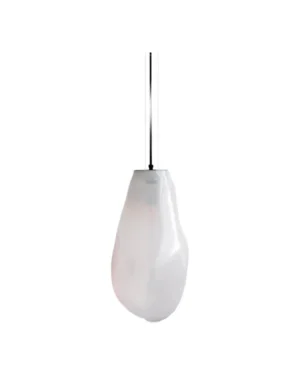
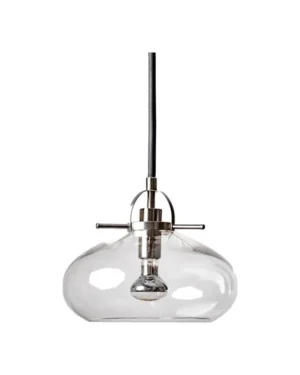
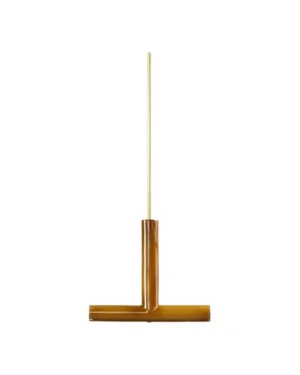
-
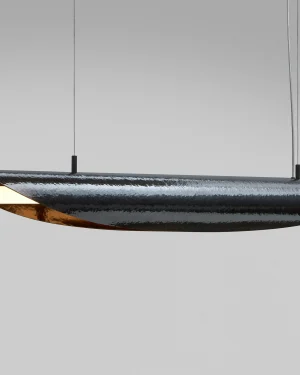
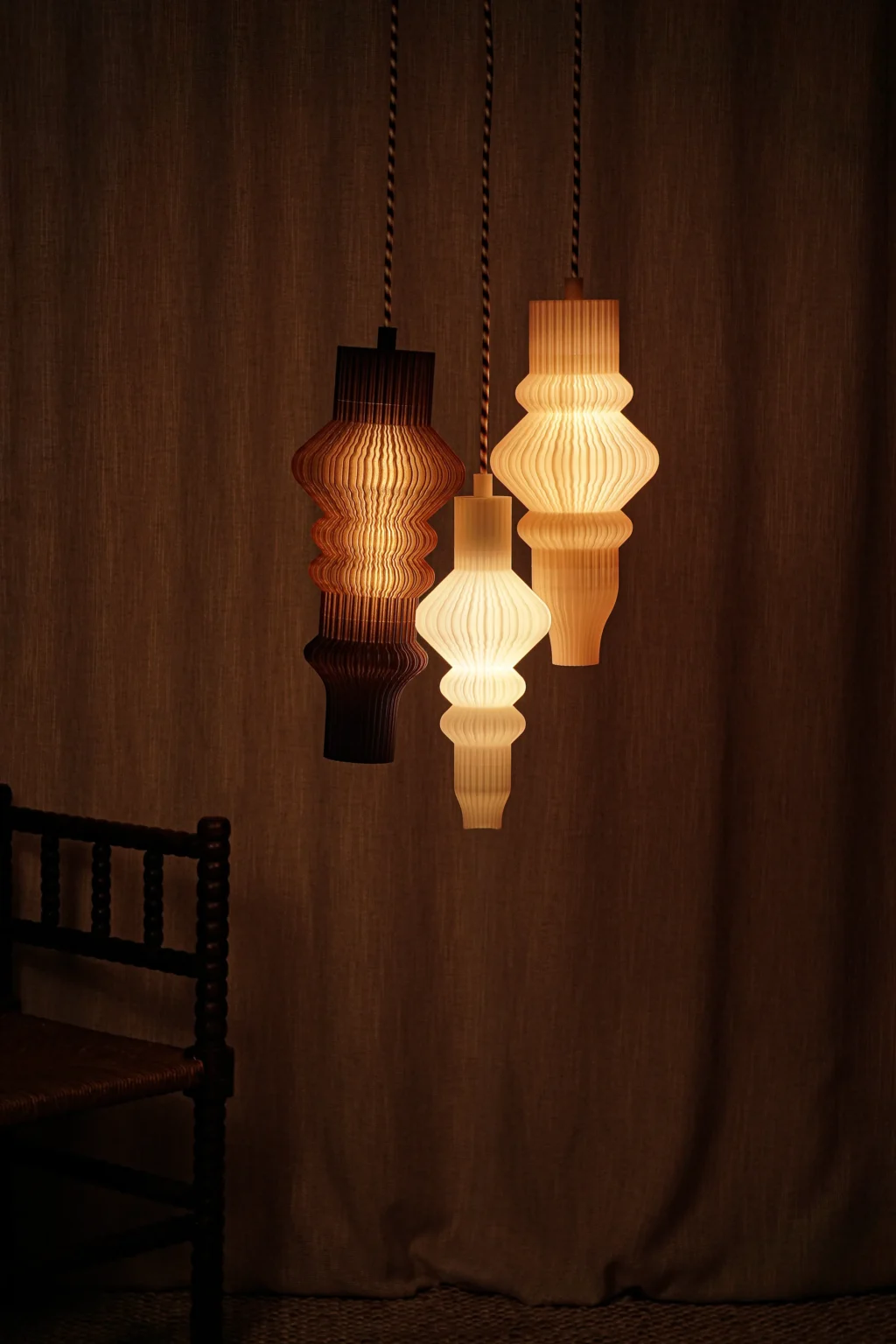
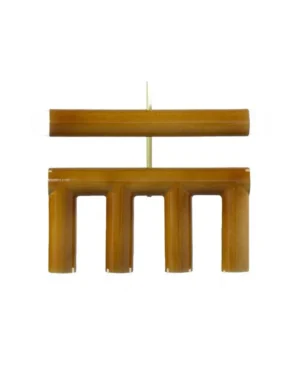
Taco De Luz Black Patinated Brass Pendant Lamp in Brass
By Studio Aristotelis Barakos
€5.900 -
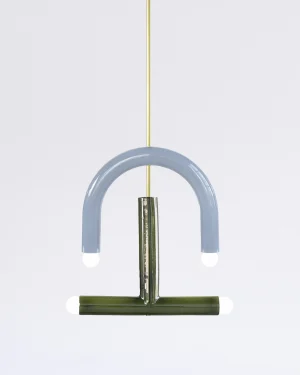
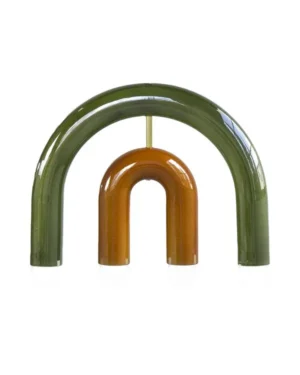
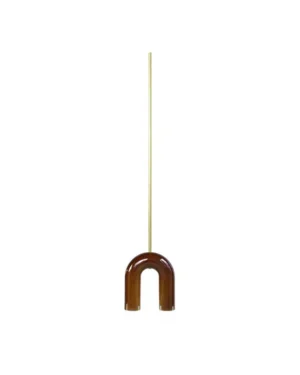
Trn / Model C3 Pendant Lamp In Ceramic
By Pani Jurek STUDIO
€880 - €940 -
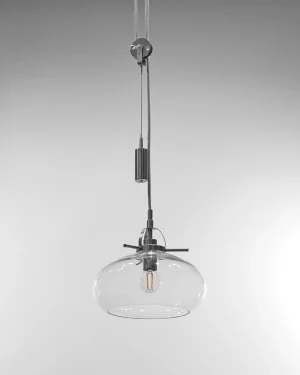
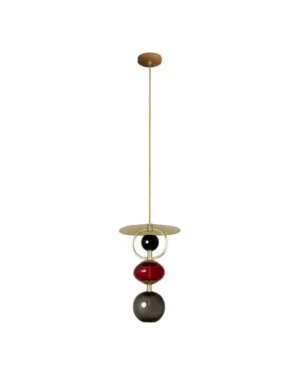
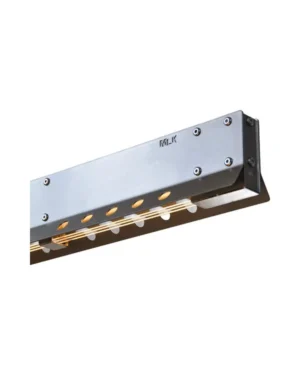
Art Deco Pendant Lamp with Weight in Glass and Steel
By Szostak Atelier
€1.400€1.330 -
 In stock
Ceramic Pendant Lamp
By Szostak Atelier
€990 -
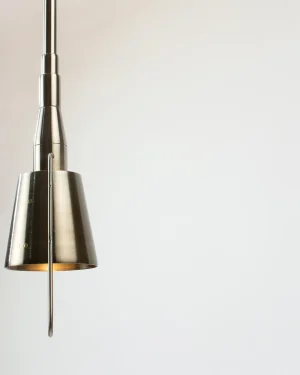
Suspension Pendant Lamp in Stainless Steel
By Szostak Atelier
€1.000 -

Ms Eclipse M (25cm) Pendant Lamp in Marbled Salts
By MARBLEDSALTS studio
Price Upon Request -
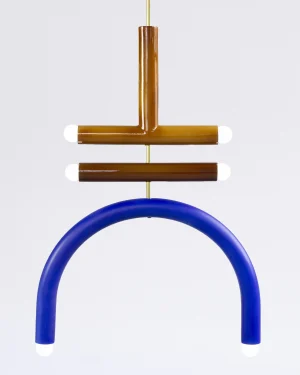
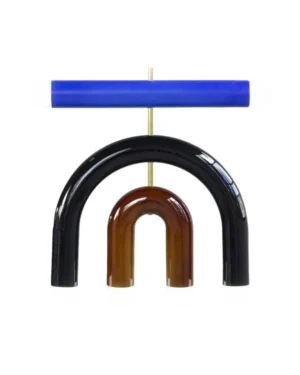
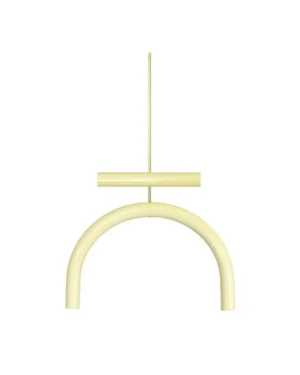
Trn / Model F2 Pendant Lamp In Ceramic
By Pani Jurek STUDIO
€1.600 -
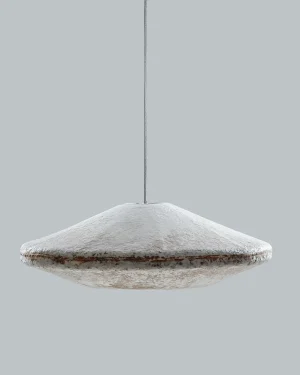 In stock
B Wise Pendant Lamp in Mycelium
By Myceen
Price Upon Request -
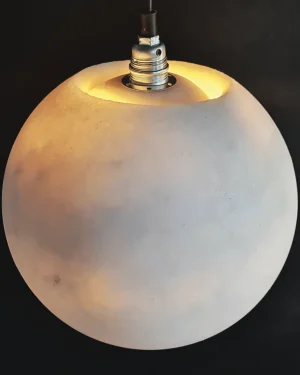
Marbled Salts Ceiling Lamp in Marbled Salts
By MARBLEDSALTS studio
Price Upon Request -
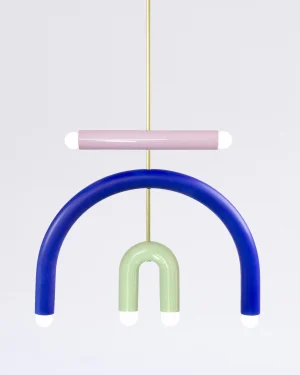
Trn / Model F3 Pendant Lamp In Ceramic
By Pani Jurek STUDIO
€1.600 - €1.650 -

Trn / Model F2 Silver Finish Pendant Lamp In Ceramic
By Pani Jurek STUDIO
€1.650 -

Trn / Model C2 Pendant Lamp In Ceramic
By Pani Jurek STUDIO
€880 - €940
Bauhaus pendant lamps translate the school's teaching into a single light source: a geometric form, usually a sphere, drum or dome, held on a slim steel or brass stem, often paired with a hand-glazed ceramic shade. Independent studios working in metal and clay build these pieces around the idea that a lamp should declare its function at a glance, with no ornament added to soften the geometry. The result reads as disciplined rather than decorative, a fixture that behaves more like a small piece of architecture than an accessory.
What defines the Bauhaus style in a pendant
The Bauhaus approach treats a lamp as a problem of form and material, not decoration. Shapes stay close to the circle, the cylinder and the cone, and the cord or rod is left visible rather than disguised. Where a Victorian pendant might hide its mechanics, a Bauhaus one shows the socket, the stem and the point of suspension as part of the design.
Color is used the way the school used it in its workshops: sparingly, and as a statement rather than a backdrop. Beige, black and brown bodies are common, often set against a brass or stainless steel fitting, while a run in red, green or lilac glaze signals a studio working more freely within the same geometric rules.
Materials and techniques to expect
Steel and brass give the stems and frames their structure, usually finished by metalwork and sometimes patinated to a warmer, matte tone that will not chase the shine of new metal. Ceramic and clay shades are built by hand and glazed, so two lamps from the same studio carry small variations in surface and weight even when the silhouette is identical. A smaller number of pieces use marble bases or stainless steel reflectors, chosen for the way they hold a hard edge against the softer glaze.
- Open editions, for studios producing a steady run of one silhouette
- Unique pieces, where hand-building or hand-glazing means no two lamps are quite the same
Both approaches sit comfortably under the Bauhaus name, since the style was always more concerned with honest construction than with how many copies left the workshop.
Choosing scale, height and finish
Start with the shade diameter relative to the table or surface below it. A single dome or drum generally wants to sit twelve to twenty inches above a dining table or kitchen island, low enough to pool light downward without blocking a sightline across the room. Over a bed or reading chair, a smaller shade hung slightly lower works better than a wide one kept high.
Finish matters as much as shape. A matte black or brushed steel stem recedes into a room and lets the glazed shade carry the color, while a polished brass fitting adds its own warmth and will ask for occasional cleaning to stay bright. Hand-glazed ceramic shades are forgiving of daily dust but should be wiped rather than scrubbed, since abrasive cleaning can dull the glaze over time.
Where these lamps work
A single Bauhaus pendant reads well over a desk, a small dining table or a kitchen island, anywhere the geometry can be seen from more than one angle. In a living room, the same lamp set lower beside a sofa does the work a floor lamp would otherwise do, without taking up floor space. For a broader look at the style across other rooms, the Bauhaus furniture and Bauhaus lighting ranges show how the same principles carry into seating and other fixtures.
Finding the right pendant
Bauhaus pendant lamps sit within a wider field of pendant lamps made by independent designers, and within the broader Bauhaus style carried across other categories on ADORNO. For a narrower look at the metal fittings that anchor most of these shades, the steel pendant lamps group is worth comparing against the ceramic-led pieces described here.
How do I choose a Bauhaus pendant lamp?
Look at the stem and shade together: a slim steel or brass rod paired with a sphere, drum or dome in glazed ceramic. Pick a body color, beige, black or brown, that sits against your fitting rather than fights it.
What materials are Bauhaus pendant lamps made from and how do I care for them?
Expect steel or brass stems, sometimes patinated to a matte finish, holding a hand-glazed ceramic shade. Dust the metal with a dry cloth and wipe the glaze with a damp one; avoid abrasives that can dull patina or glaze.
What size pendant lamp should hang over a table or island?
Sizes vary by studio, so check the specific piece's page and use Chat with the maker to confirm dimensions and hanging height for your space.
Which rooms suit a Bauhaus pendant lamp?
Their geometric form and visible stem work over kitchen islands, dining tables and stairwells, places where a single, clearly defined light source reads as architecture rather than ornament.
What is ADORNO's shipping and return policy?
Shipping is insured and sent worldwide. Returns are accepted within 14 days, except for made-to-order pieces, and every piece arrives with a certificate of authenticity.
Can I order a custom Bauhaus pendant lamp through ADORNO?
Some studios take custom requests on finish, size or color. Use Chat with the maker on the piece's page to ask directly before ordering.