-
 In stock
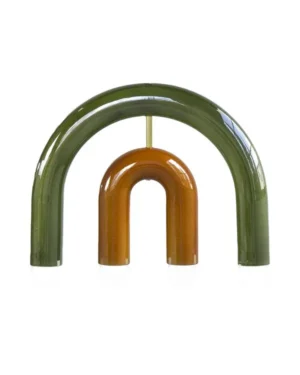
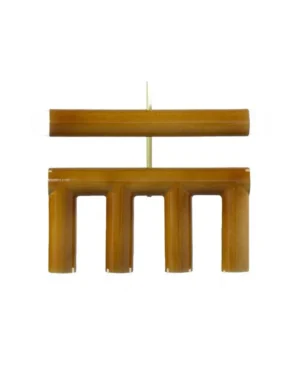
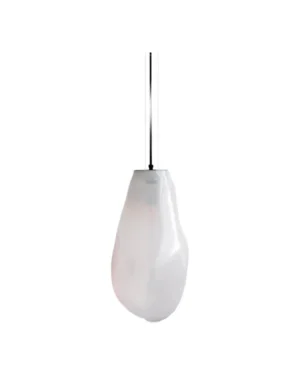
Y30 Ceiling Lamp in Blown Glass and Brass
By Clara Viladecans
€786 -
 In stock
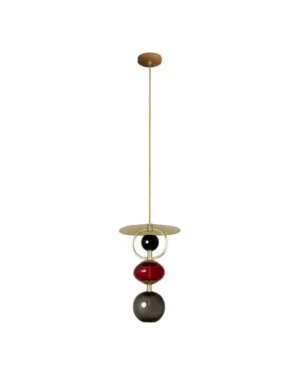
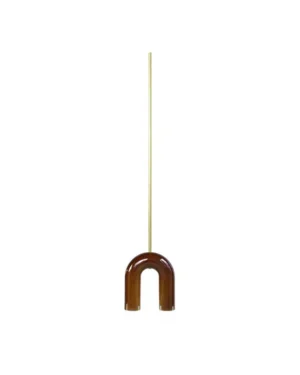
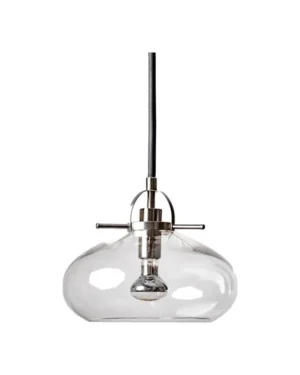
Ines Ceiling Lamp in Blown Glass And Brass
By Clara Viladecans
€550 -
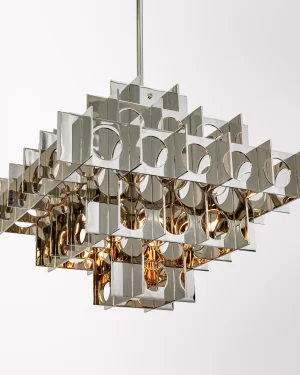
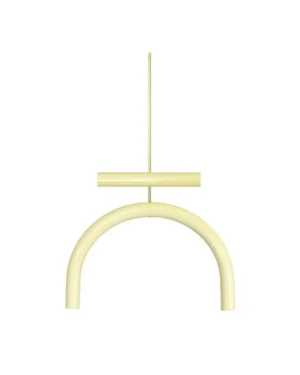
Tenfold 5 T Pendant Lamp in Stainless Steel and Aluminum
By Luft Tanaka Studio
€4.440 - €11.000 -
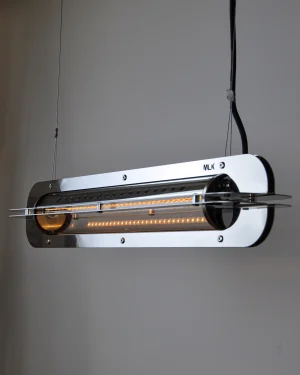
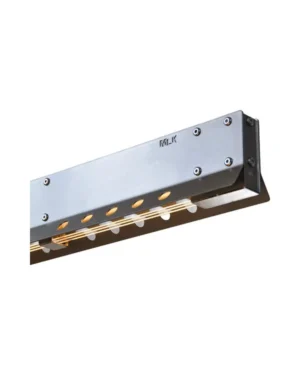
Pill600 Pendant Lamp In Mirror Stainless Steel
By MLK Furniture
€1.090 -
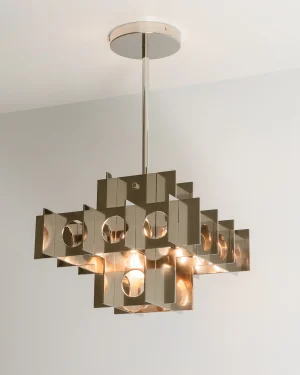
Tenfold 3 T B Pendant Lamp in Stainless Steel and Aluminum
By Luft Tanaka Studio
€2.895 - €8.675 -
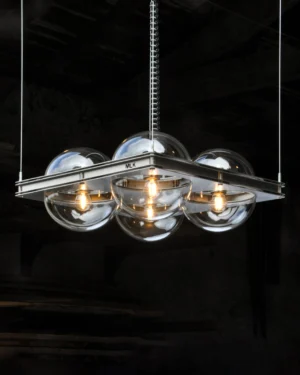
Bbl200x04 Pendant Lamp In Stainless Steel And Acrylic
By MLK Furniture
€2.400 -
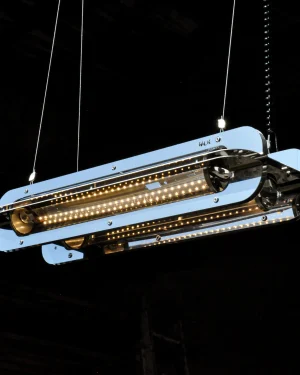
Pill600x2 Pendant Lamp In Mirror Stainless Steel
By MLK Furniture
€1.890 -
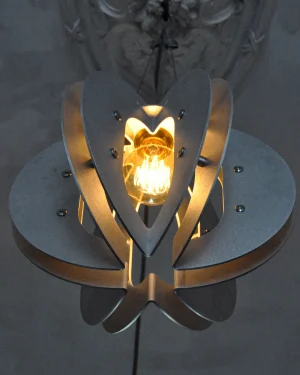
D300 Lampion Pendant Lamp In Matte Aluminum
By MLK Furniture
€390 -
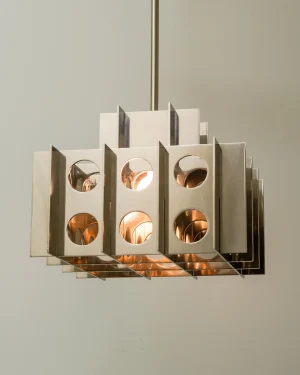
Tenfold 3 T A Pendant Lamp in Stainless Steel and Aluminum
By Luft Tanaka Studio
€2.895 - €8.675 -
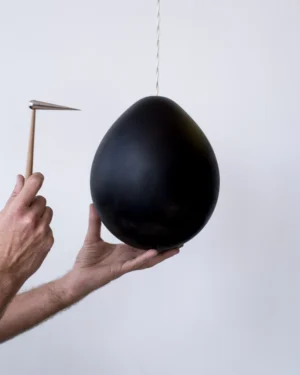 In stock
Less Pendant Lamp In Steel, Wood And Plaster
By Jordi Canudas Faura
€388 -
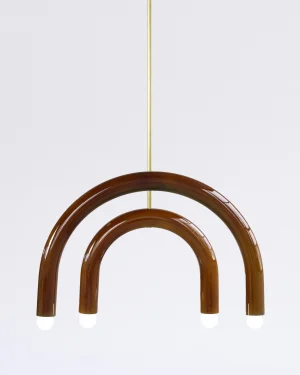
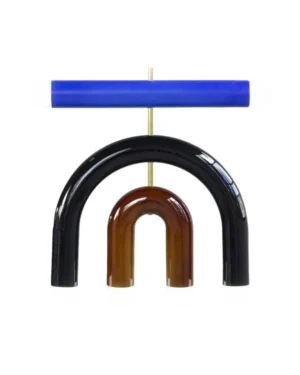
Trn / Model E3 Pendant Lamp In Ceramic
By Pani Jurek STUDIO
€1.430 - €1.490 -
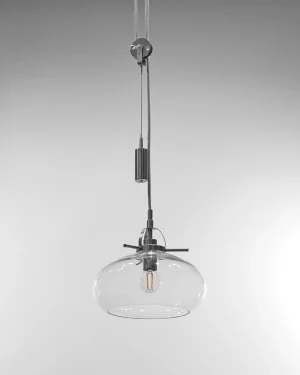
Art Deco Pendant Lamp with Weight in Glass and Steel
By Szostak Atelier
€1.400€1.330 -
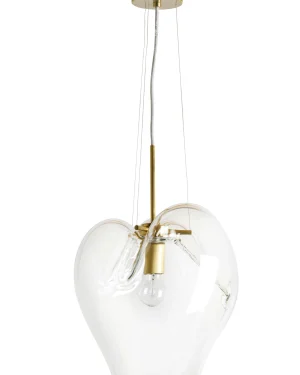
Carambola Pendant Lamp
By Carol Gay
€1.330 -
 In stock
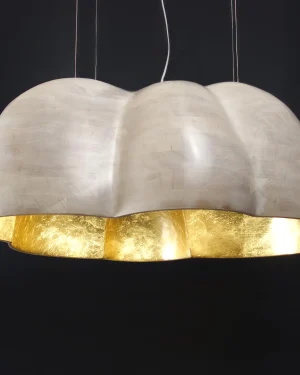
N2 Cloud Ceiling Lamp in Cherry Wood and Gold Leaf
By Aaron Scott
€10.300 -

Trn / Model C4 Pendant Lamp In Ceramic
By Pani Jurek STUDIO
€880 -
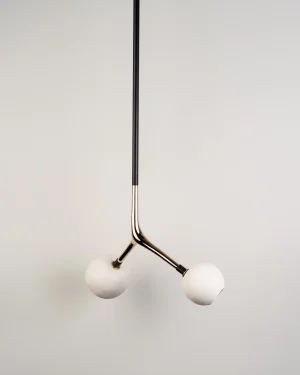
Dupla Pendant Lamp in Bronze, Brass and Glass
By Isabel Moncada
€3.217 - €3.744 -
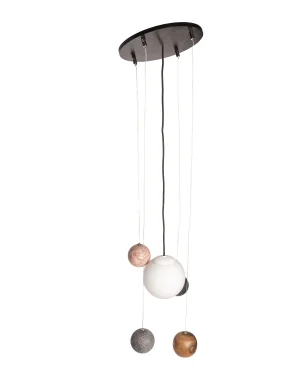
Planeta Ceiling Lamp in Marble and Volcanic Stone
By Daniel Orozco Estudio
€1.260 -
 In stock
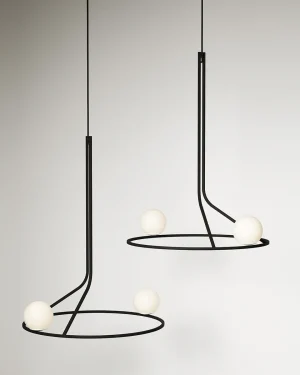
Na Linii Pendant Lamp in Steel and Glass
By SVITANOK
€1.050 -

Chema Pendant Lamp in Parota Wood
By Daniel Orozco Estudio
€1.154 -

Trn / Model E1 Pendant Lamp In Ceramic
By Pani Jurek STUDIO
€1.430 - €1.490 -

Trn / Model C4 Silver Finish Pendant Lamp In Ceramic
By Pani Jurek STUDIO
€930 -

Fos 05 Pendant Lamp in Wood and Marble
By Daniel Orozco Estudio
€1.390 -
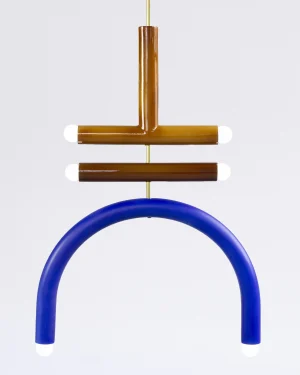
Trn / Model F2 Pendant Lamp In Ceramic
By Pani Jurek STUDIO
€1.600 -
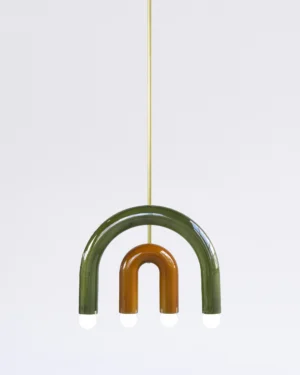
Trn / Model C1 Pendant Lamp In Ceramic
By Pani Jurek STUDIO
€880 -
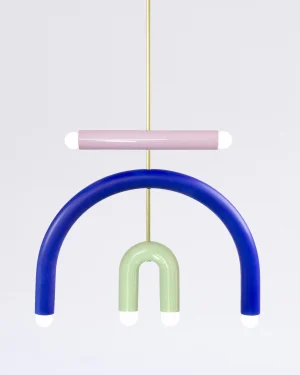
Trn / Model F3 Pendant Lamp In Ceramic
By Pani Jurek STUDIO
€1.600 - €1.650 -

Trn / Model F2 Silver Finish Pendant Lamp In Ceramic
By Pani Jurek STUDIO
€1.650
Art deco pendant lamps carry the geometry of the 1920s and 1930s into a single hanging form: stepped brass or steel bodies, fluted or faceted glass, and shades that read as sculpture even unlit. Independent studios build them through metalwork, glassblowing and glazing, pairing a metal frame with a hand-blown or ceramic diffuser. The result sits closer to object than fixture, meant to be seen as much as to give light.
What defines the art deco style in a pendant
Art deco favors symmetry and repetition over ornament for its own sake. Expect stepped tiers, fan shapes, sunburst motifs and strict verticals or half-circles, usually worked in a metal that takes a hard edge: brass, steel or aluminum. The glamour comes from contrast, a dark metal against pale glass, or a polished surface set beside a matte one, rather than from surface decoration.
Materials and finishes in the range
Brass is the material most associated with the style, left warm and lacquered or allowed to darken with handling. Steel and stainless steel appear where a studio wants a cooler, harder line, sometimes blackened, sometimes left bright. Glass bodies are usually hand-blown, in clear, amber or cobalt blue, while glazed ceramic diffusers bring a softer, more matte surface in tones from beige and light yellow to green or lilac. Metalwork accounts for most of the structural forms here; glassblowing and glazing shape the light-emitting part.
- Open editions, made to a standing design and restocked as needed
- Unique pieces, each one produced as a single object rather than repeated
Both exist within the style, so an art deco pendant can be either a design in ongoing production or a one-off, depending on the studio's way of working.
How to choose one
Scale first: a stepped or tiered pendant reads as a centerpiece and needs ceiling height and a clear radius around it, while a single faceted glass shade can sit lower and tighter over a table or console. Finish second: lacquered brass holds its tone under most light, while an unlacquered or aged brass will keep changing for years, which some buyers want and others don't. Think about where the fixture sits in the room before the cord length and canopy size, since those usually need to be specified separately from the shade itself.
If you're deciding between a stepped metal form and a glass-forward one, it helps to look across metal pendant lamps before narrowing to the deco examples, since the structural logic is the same even where the period reference isn't.
Where art deco pendant lamps work
These pendants suit rooms built for a single strong gesture overhead: a dining table, an entry, a bar or a stairwell landing where the fixture can be seen from more than one angle. In a living room, a tiered brass or stepped-glass pendant can stand in for a chandelier without the scale or cost of one, especially paired with other living room pendant lamps built around the same mix of metal and glass. For a smaller surface, an art deco table lamp can carry the same geometry at a domestic scale; see the art deco table lamps made in the same materials.
Care
Brass and steel both want a dry, soft cloth rather than abrasive cleaners, which will cut into lacquer and dull a polished edge. Blown glass and glazed ceramic diffusers should be dusted rather than wiped wet while warm, since a hot shade and a cold cloth can crack glass. Beyond that, these pieces ask for little: steady wiring, a secure ceiling fixing, and enough clearance that the metal doesn't scorch anything above it.
For the wider range of hanging fixtures these pendants sit within, the full set of pendant lamps spans far more materials and periods, while every art deco piece on ADORNO extends the same geometric language into lamps, mirrors and furniture beyond lighting.
How do I choose an art deco pendant lamp?
Match the metal to your other hardware, brass for warmth, steel or aluminum for a cooler line, then look at the shade: faceted or blown glass throws more light than glazed ceramic.
How do you clean and care for a brass or glass pendant lamp?
Dust metal with a dry or barely damp cloth, since polish can strip lacquer and change the color. Wipe glass or ceramic shades with a soft cloth once the lamp has cooled.
What size art deco pendant lamp do I need?
A single pendant generally wants about 30 inches of clearance above a table or counter. For a stairwell or entry, the maker can confirm the right drop with Chat with the maker on the piece's page.
Which rooms suit an art deco pendant lamp?
Their geometry and sculptural shades work over dining tables and kitchen islands, in entries and stairwells, or anywhere a single fixture needs to read as an object as well as a light.
Will my pendant lamp arrive safely, and can I return it?
Shipping is insured and worldwide, and every piece comes with a certificate of authenticity. Returns are accepted within 14 days, except for made-to-order pieces.
Does ADORNO offer the lowest price on these lamps?
Yes, ADORNO offers a lowest-price guarantee on every piece, including art deco pendant lamps bought directly from the maker's studio.