





-
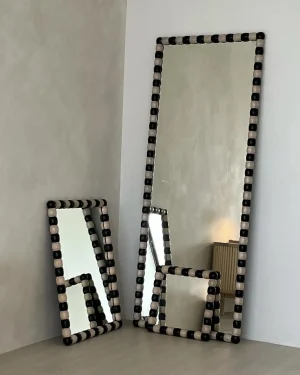
Onde – Two-toned Mirror
By STUDIO KALLANG
€940 - €2.050 This product has multiple variants. The options may be chosen on the product page -
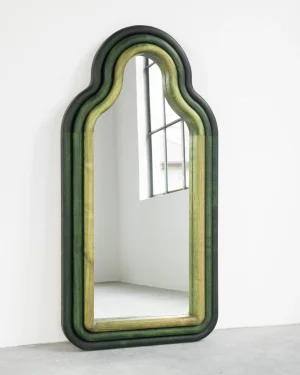
Trn Mirror / Triple / Solid Wood
By Pani Jurek STUDIO
€2.255 This product has multiple variants. The options may be chosen on the product page -

Trn Mirror / M
By Pani Jurek STUDIO
€1.065 This product has multiple variants. The options may be chosen on the product page -
 In stock
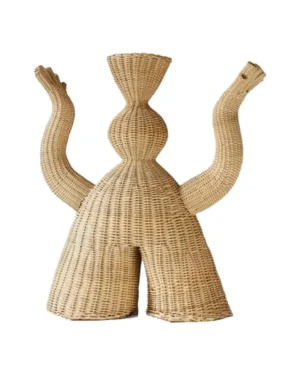
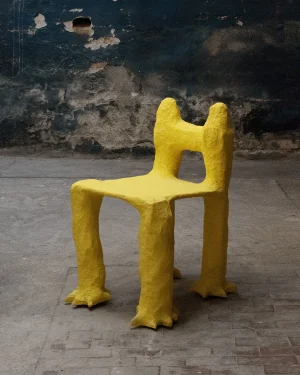
Zampa
By Jonathan Bocca
€2.700 -

Slant Book Stand – Marble, Brass and Oak Wood
By VAUST Studio
€6.600 -

“YOUR FACE” Mirror
By Leo De Carlo
€5.000 -
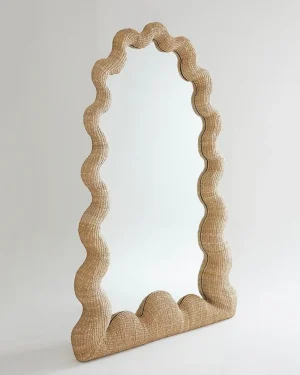
La Celebración – Handwoven Fiber Mirror
By Joyful Objects, Yes!
€6.000 -
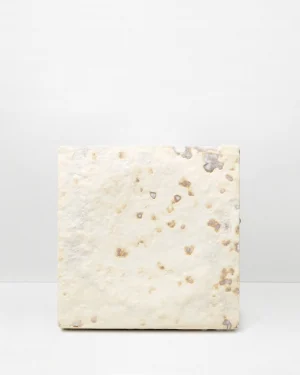
Mycelium Small Wall Panel
By Myceen
€50 -
 In stock
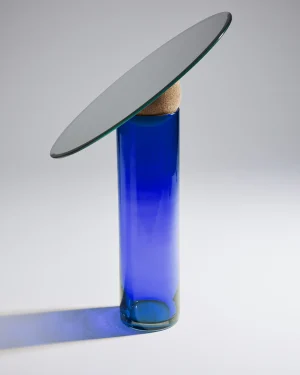
Mirror – Astra 34 Cobalt
By Clemence Birot
€540 -

Aura Mirror
By PROSA
€4.200 -

Hvyli 14 – Wavy Full Length Mirror
By oitoproducts
€1.300 -
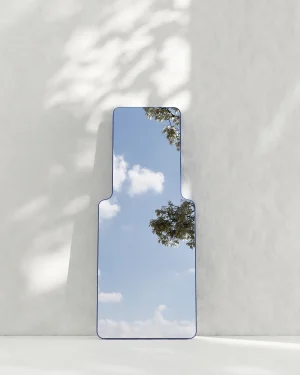
Loveself 03 – Shifted Full Length Mirror
By oitoproducts
€1.455 -
 In stock
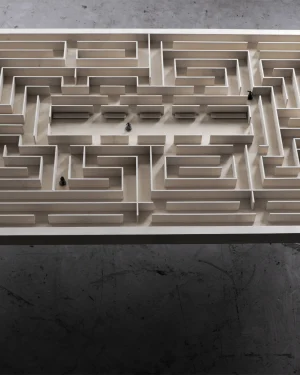
Labyrinth Table
By Benjamin Nordsmark
€9.000 -

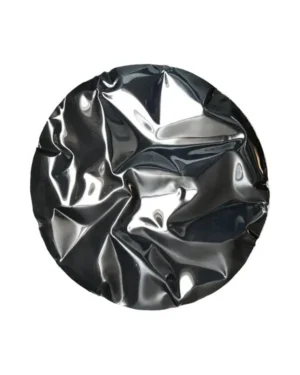
“lago” Wall Mirror | Liquid Metal
By Giselle Vanessa Johnson
€3.900 -
 In stock
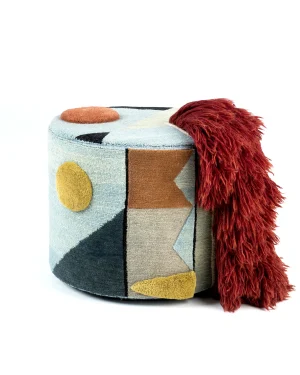
Massimiliano – Colorful Fringed Wool Pouf
By Lyk Carpet
€2.605 -

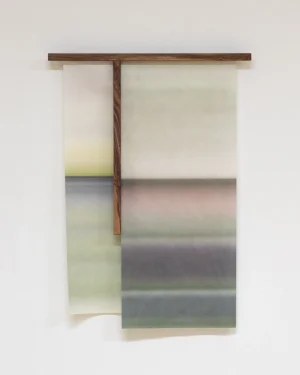
Sammukhin – Teak Wood Wall Mirror
By Studio Indigene
€2.100 -
 In stock
Horizon Allv
By Prangé
€853 -
 In stock
Bed With Changeable Headboard Inserts
By Pupcha
€4.500 -
 In stock
Duck Butt Room Divider
By Pupcha
€3.950 -

Meadows Mirror
By BOTHI
€700 -

Brancusi Mirror, Sapele Mahogany Wood
By Josh Page Studio
€410 - €585 This product has multiple variants. The options may be chosen on the product page -
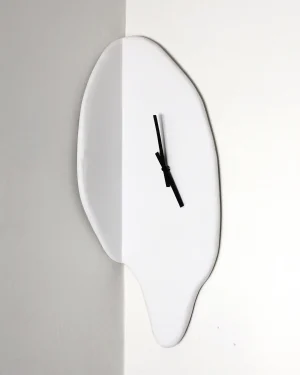
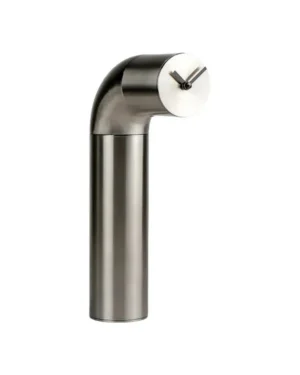
Corner Wooden Clock
By Dace Sūna
€1.500 -
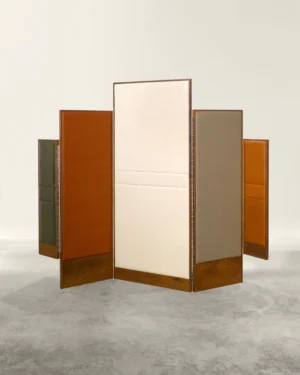
Amigo Biombo
By Fi
€6.800 -
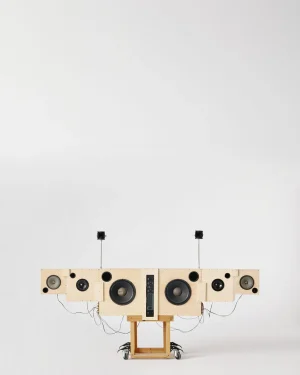
S.S Series, Sound System 01
By Lucas Muñoz Muñoz
€24.000 -
 Sold
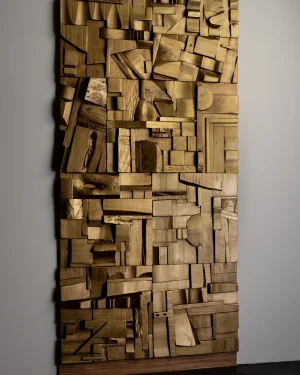
SoldAntique Gold Wood Collage Panel – Randomly Composed
By Peter Glassford
€76 - €304 This product has multiple variants. The options may be chosen on the product page -
 In stock
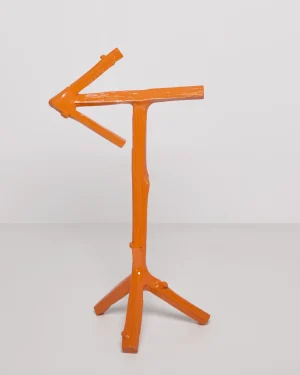
Splitted Arrow
By Teun Zwets
€940 -
 In stock
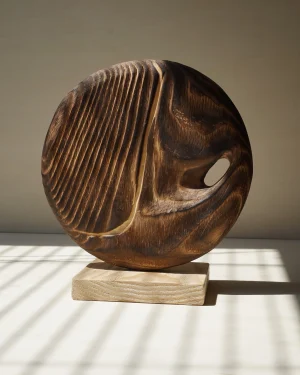
Concentric Flows / Wood Sculpture No.2
By SOLATERRE
€564 -
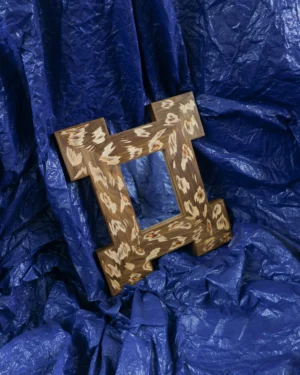
Acid Mirror, Carved Walnut Veneer
By Josh Page Studio
€430 - €610 This product has multiple variants. The options may be chosen on the product page -
 In stock
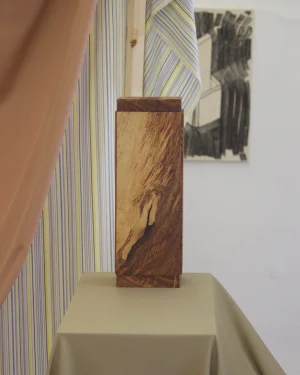
Sensitive Wood – Wooden Minimalist Oak Vase
By Vital Lainé
€600 -

Jambu — Turned Solid Wood Wall Clock, Spike Markers
By DONÓ Design
€440 This product has multiple variants. The options may be chosen on the product page -

A_forma Pedestal – Console Table
By AROUND
€550 -
 In stock
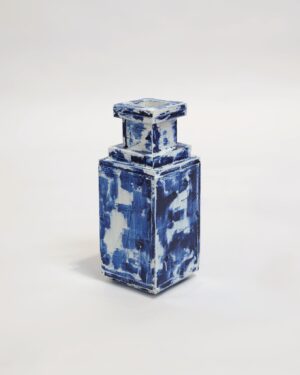
Common Practice Vase in Upcycled Wood
By Studio Fabius Clovis
€393 -
 In stock
Burnt Moon Vase
By Daniel Elkayam
€540 -
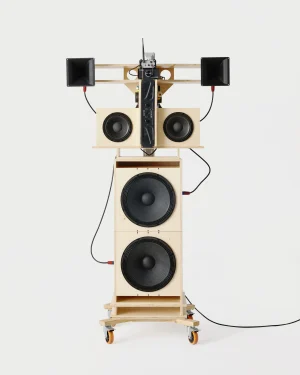
S.S Series, Sound System 03
By Lucas Muñoz Muñoz
€24.000 -

Phondo Mirror
By TheUrbanative
€1.400 -

Hydrant – Made From Brazilian Wood
By Estúdio Ramiros
€1.335 This product has multiple variants. The options may be chosen on the product page -
 In stock
Candle Holder M Yuma Collection
By HYZ
€538 - €715 This product has multiple variants. The options may be chosen on the product page -

Lava Frame – Melting Collection | Contemporary Sculptural Frame
By Gábor Góbi
€1.290 -

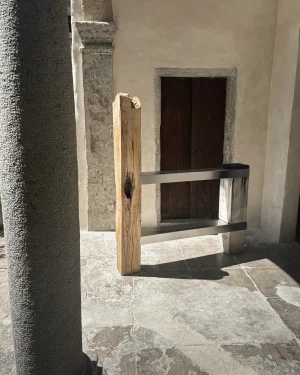
BAUHAUS Glassblowing Vase
By Carol Gay
€900 This product has multiple variants. The options may be chosen on the product page -
 In stock
Ice Beech Wood Sideboard
By case studios
€1.810 -
 In stock
Big Candle Holder ” Fairy Tale Horse On Pillows “
By Pupcha
€580 -
 In stock
Marri Mirror
By MARAU
€9.000 -

Set Of 2 Brutalist White Wash Reclaimed Wood Collage Tiles
By Peter Glassford
€693 -

Basamento Foosball
By Juskani Alonso
€11.950 -
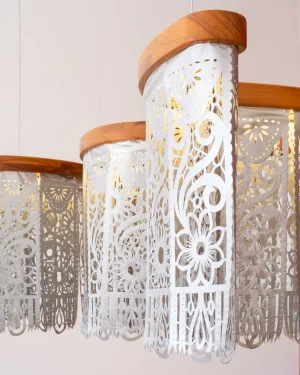
Camino Del Alma – Illuminated Sculpture In Wood And Shredded Paper
By YANKATU
€5.900 -
 In stock
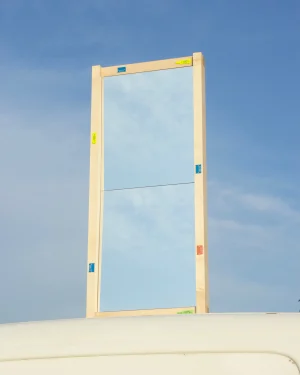
Avivé Mirror – Maple
By Vital Lainé
€1.000 -

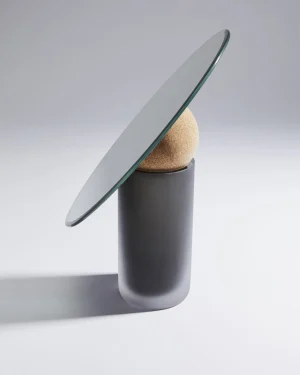
Babadeira – Wall Mirror & Shelf
By atelier PASSARELLI
€875 This product has multiple variants. The options may be chosen on the product page -
 In stock
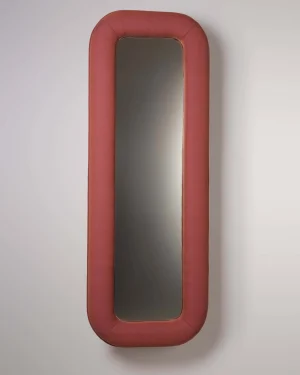
Mirror – Astra 30
By Clemence Birot
€409 -
 Sold
SoldCombo Mirror – Upcycled Wall Mirror
By Jaclyn Pappalardo
-
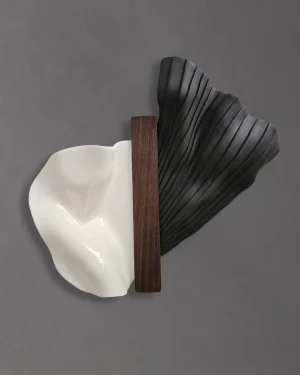
Abundance – Ceramic Wall Sculpture
By Studio Ēeme
€1.135 -
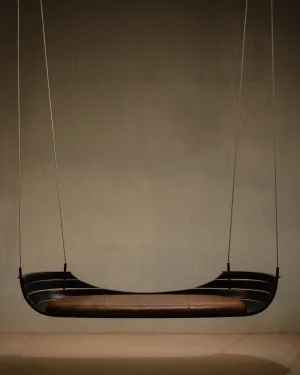
Holt Swing
By House of Creatomy
€2.489 -
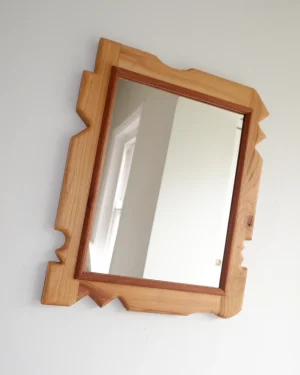
Cut Out Mirror, Cherry And Sapele Wood
By Josh Page Studio
€335 - €520 This product has multiple variants. The options may be chosen on the product page -
 In stock
Marri Book Holder
By MARAU
€3.500 -
 In stock
“TOY” Sculpture Berlin Untitled No.1
By VAUST Studio
€9.800
Wooden decor brings grain, warmth and weight into a room through objects shaped by hand and machine alike: bowls turned on a lathe, sculptural forms built up through wood carving, small cabinetmaking exercises scaled down to tabletop size. Studios working in this material choose it for how it ages, how it takes a finish, and how differently one species reads next to another. The result is a range of objects that sit somewhere between furniture and sculpture, often one-off or made in limited numbers.
What defines wooden decor
Wood used in decor is rarely treated like wood used in framing or flooring. Makers select boards and offcuts for figure and color, then carve, turn or laminate them into objects where the material itself is the subject. Ash wood appears often for its pale tone and visible grain, while darker species get used where a piece needs to read as dense or grounded.
Finish does most of the work in how a wooden object behaves day to day. An oiled surface deepens the grain and asks for occasional reconditioning; a waxed or lacquered one resists moisture and handling better but mutes some of the natural texture. Unfinished or lightly sanded pieces will continue to shift in color as they meet light and air, which is part of the appeal rather than a flaw.
The range of materials, techniques and finishes
Wood in this category sits alongside other materials used for small decorative objects, and the two often get paired: a turned wood base under blown glass, a plywood tray next to stoneware, natural fiber woven around a wooden frame. Techniques vary as widely as the materials:
- Wood and cabinetmaking, for joined or constructed forms
- Wood carving, for sculptural and hand-worked surfaces
- Hand-building and glassblowing, where wood is combined with ceramic or glass elements
- Metalwork and textilework, used for fittings, inlays or woven accents
Editions range from open runs, made whenever a studio restocks, to unique pieces where no two objects are quite alike because the wood itself varied. Limited editions sit between the two, with a fixed number produced from a particular batch of material.
How to choose a wooden piece
Scale matters more with wood than with lighter materials, since a dense wooden object reads as heavier than its size suggests. A small turned bowl can sit quietly on a shelf, while a larger carved form will anchor a console or sideboard and draw the eye across a room. Consider the height and sightline of where it will sit: low pieces on a coffee table get seen from above, while taller forms on a sideboard or mantel get seen at eye level.
Match finish to use. An oiled or waxed surface suits objects that get handled, like trays, bowls and boxes, since the oil renews with light wear. A sealed or lacquered finish works better for display pieces that stay in one place. Think about the wood tone against existing furniture: a pale ash piece will lift a dark room, while a deeper-toned object grounds a paler one.
Where it works and how to care for it
Wooden decor suits living rooms, studies and dining spaces equally, since the material carries no strong seasonal or stylistic association and sits comfortably within Scandinavian, mid-century modern, or more eclectic and maximalist rooms alike. It pairs naturally with other natural materials, cork and natural fiber especially, and works as a counterpoint to glass, stoneware or metal accessories nearby.
Keep wooden pieces away from direct heat and prolonged damp, both of which cause warping or cracking over time. Dust with a dry or barely damp cloth, and recondition oiled surfaces periodically with a food-safe oil if the piece is handled often. Avoid harsh cleaners, which strip finish and dull the grain beneath it.
For a broader view of the material, every wood piece on ADORNO sits together in one place, and wooden decor pairs naturally with wooden furniture and wooden accessories for a room built around one material. For other directions, all decor spans a wider set of materials, and every wood piece on ADORNO covers furniture and lighting as well as objects.
How do I choose the right wooden decor piece?
Let the grain and tone guide you, pale woods like ash and oak read light and open, while walnut or darker species anchor a room with weight and contrast.
How do I care for wooden decor?
Keep pieces away from direct heat and standing water, dust with a dry cloth, and feed the surface with a wood-safe oil or wax a few times a year to keep it from drying out.
What size wooden decor piece should I choose?
Scale depends on the surface it sits on, a small object suits a shelf or console, while a larger carved or turned piece can hold its own on a floor or sideboard.
Which rooms suit wooden decor?
Wood settles into any room, warming living areas, softening bedrooms, and standing up well in entryways and dining spaces where it sees daily handling.
Does ADORNO offer worldwide shipping for wooden decor?
Yes, shipping is insured and worldwide.
What is ADORNO's return policy on wooden decor?
Pieces can be returned within 14 days, though made-to-order pieces are excluded from this policy.
Is a certificate of authenticity included with wooden decor?
Yes, every piece comes with a certificate of authenticity, and the maker can confirm further details through Chat with the maker on the piece's page.