



-
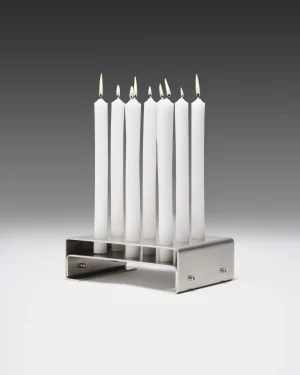 In stock
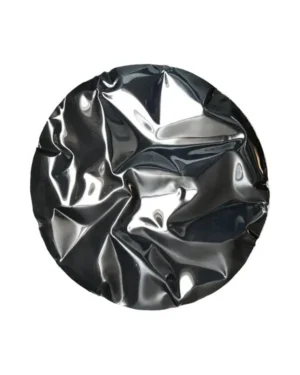
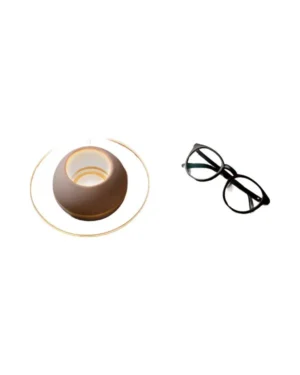
Burning Wing Candleholder
By Obscure Objects
€122 -
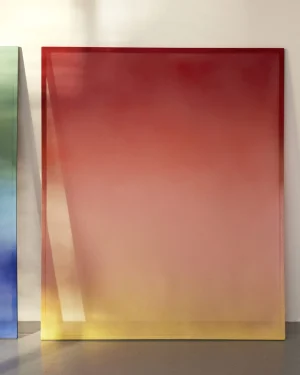 In stock
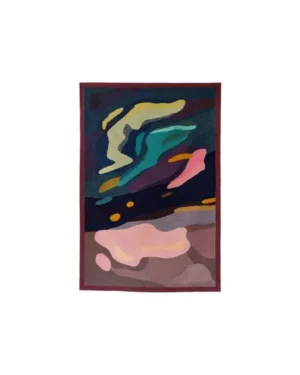
Hazy Horizon Red
By Anne Nowak
€1.010 -
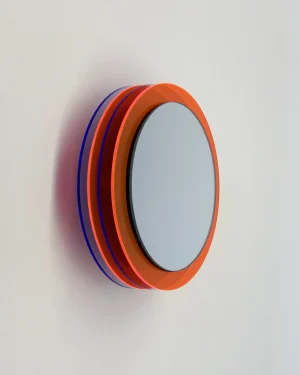
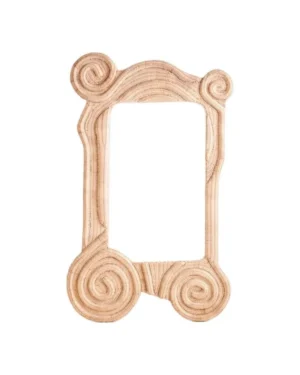
Daddy, Sunset Wall Mirror
By Andreas Berlin
€540 -
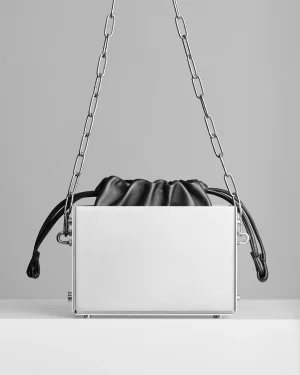
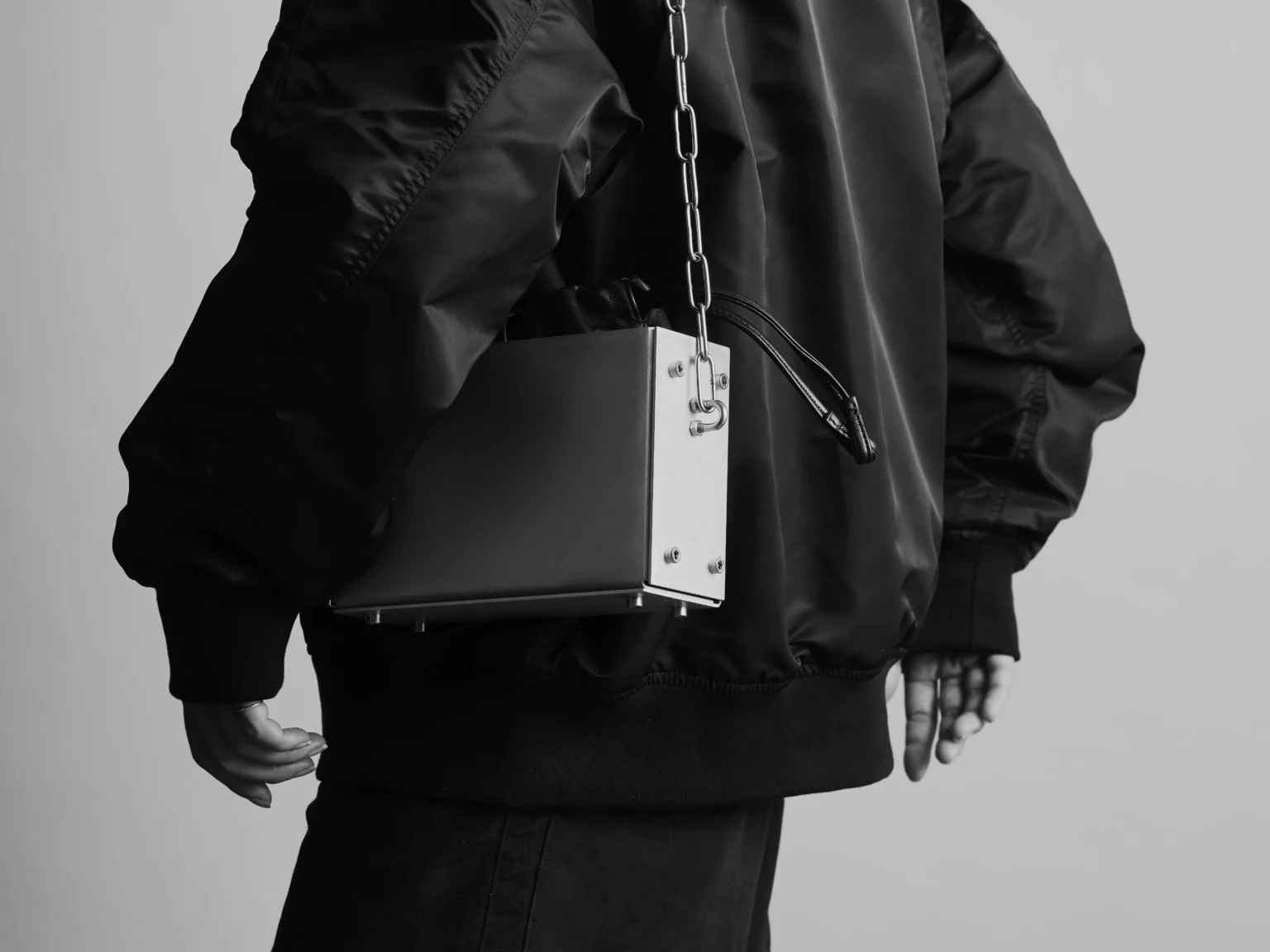
Kado Bag – Aluminum/ Leather
By Obscure Objects
€500 -
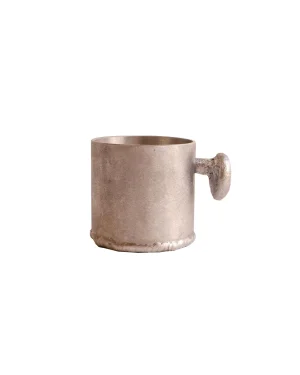
‘contemporary Cup’ By Joseph Ellwood For Six Dots Design
By Six Dots Design
€55 -
 In stock
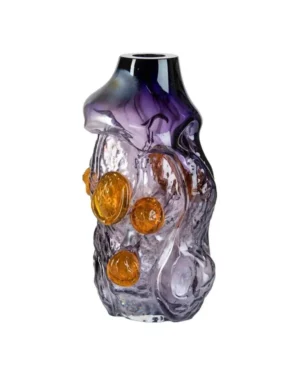
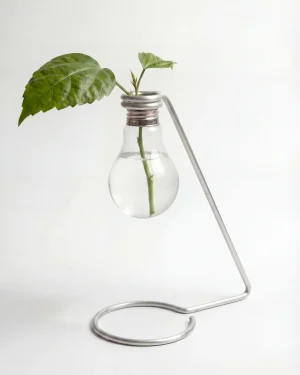
Testikel – Glass Cuttings Vase
By Olle Sahlqvist
€70 - €80 This product has multiple variants. The options may be chosen on the product page -
 In stock
Vaso Colônia – If the seabed were silver
By 80e8
€1.500 -
 In stock
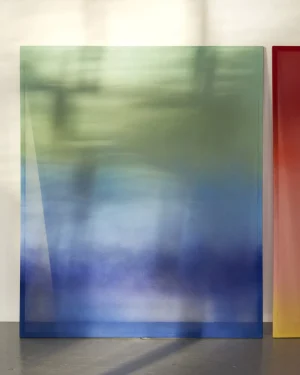
Hazy Horizon Blue
By Anne Nowak
€1.010 -
 In stock
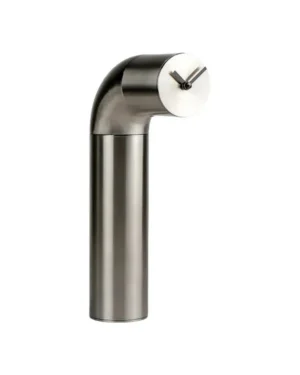
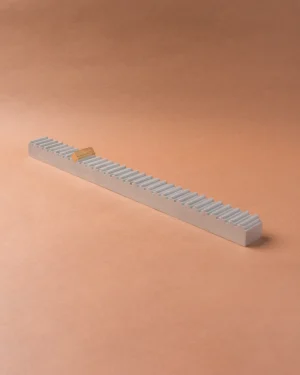
Arch Aluminum Calendar
By Boo Design Studio
€172 -

Memory Series #15 – Photography
By COSEINCORSO
€220 - €550 This product has multiple variants. The options may be chosen on the product page -
 In stock
50 Aluminium Edition Magazine Holder
By Malvin Gaborit
€3.125 -
 In stock
Gabarit – Wicker & Aluminum Wall Mirror
By Sacha Parent & Valentine Tiraboschi
€6.000 -
 In stock
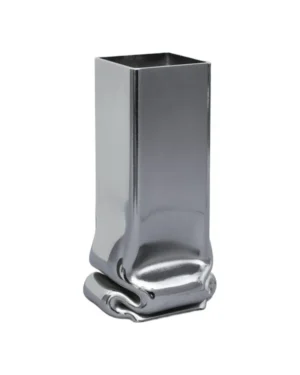
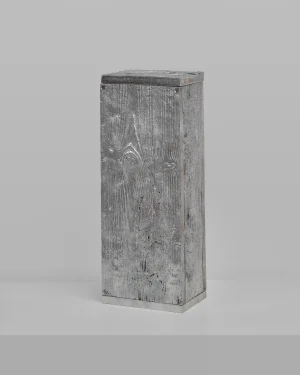
Aluminum Veneer Vase
By Bureau.parso
€540 -
 In stock
Mirror 01.01 ´route´
By SK - Sofia Karnukaeva
€2.000 -
 In stock
Zefir – Glass / Aluminum Vase
By Hasik Design Studio
€650 This product has multiple variants. The options may be chosen on the product page -
 In stock
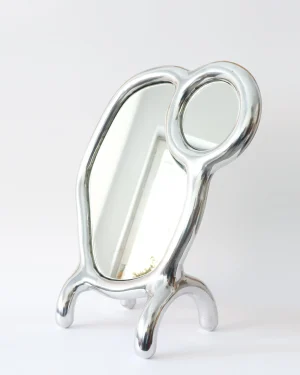
Mi-rr 13
By Studio Speculo
€1.100 -
 In stock
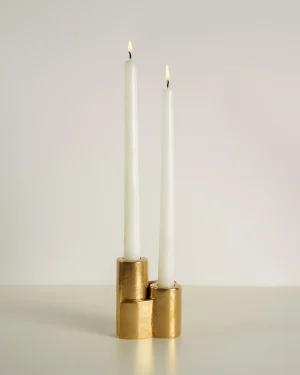
Snug Candle Holder
By Stem
€110 - €195 This product has multiple variants. The options may be chosen on the product page -
 In stock
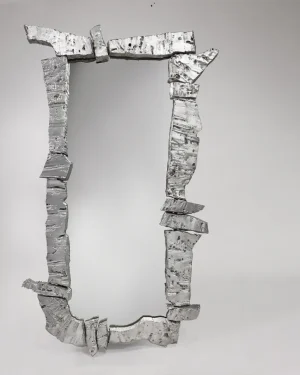
Insect – Recycled Cast Aluminum Mirror
By BY JAMPS
€2.200 -
 In stock
Trama Mirror
By Joana Teixeira
€1.270 -
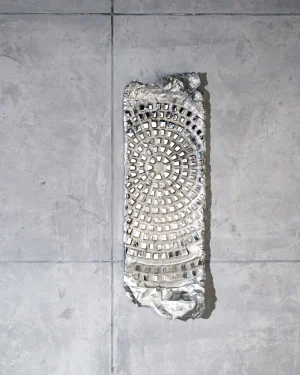 In stock
Open – Aluminum Decorative Wall Object
By Vilius Dringelis
€2.400 -
 In stock
Abbas – Aluminum Wall Mirror
By Joana Teixeira
€1.250 -
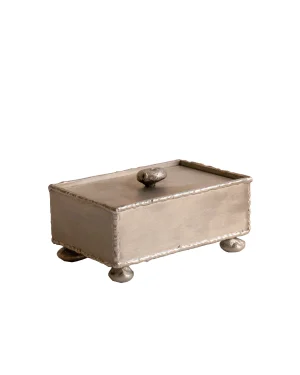
Raw Aluminum ‘trinket Box’
By Six Dots Design
€330 -

Chip Mirror
By Obscure Objects
€350 -

Paper Tray
By Six Dots Design
€65 -
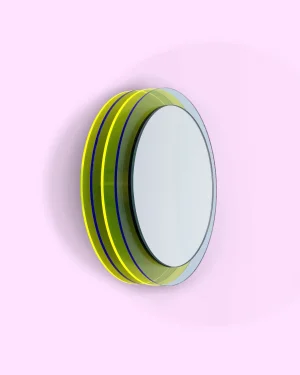 In stock
Heros, Sunset Art Deco Wall Mirror
By Andreas Berlin
€540 -
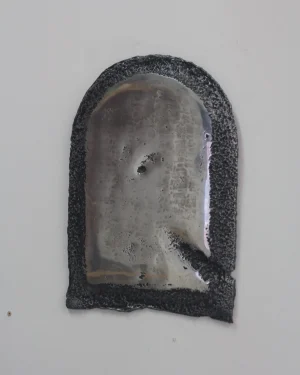
Melancholy Hanging Mirror – Arch – Aluminium
By Saturday Yard Work
€610 -
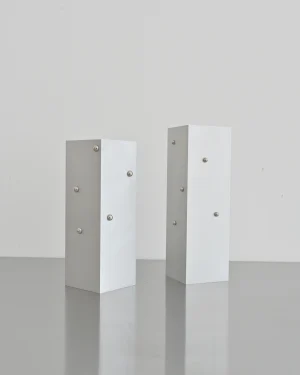
Mono Vase
By NOSTUDIO
€155 - €245 This product has multiple variants. The options may be chosen on the product page -
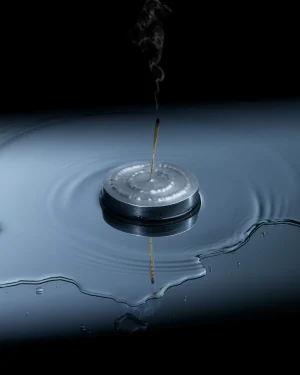
Sasso – Incense Holder
By Emilia Tombolesi
€175 -
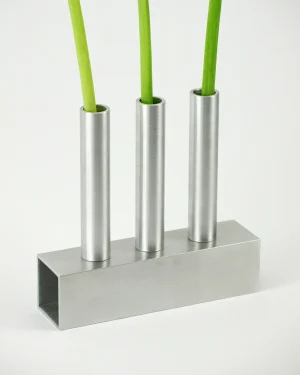
Flower & Power Vase – Aluminum / Glass
By Lucas Cambier
€450 -
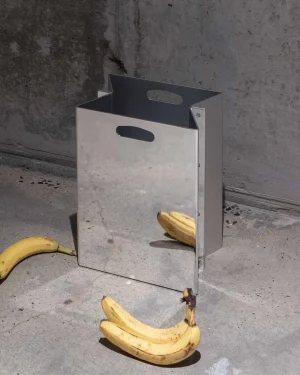 In stock
Bucket – Aluminum Storage Container
By andykim.global
€1.500 -
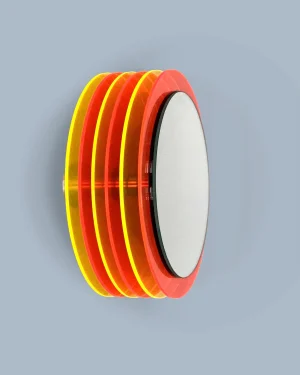 In stock
Angels, Sunset Wall Mirror
By Andreas Berlin
€640 -
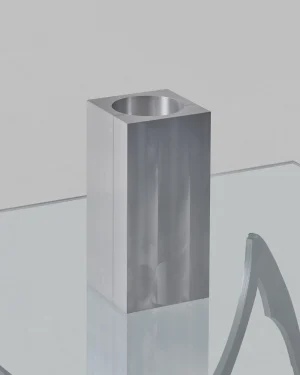 In stock
Alu – Aluminum Vase
By 304.cage
€2.200 -
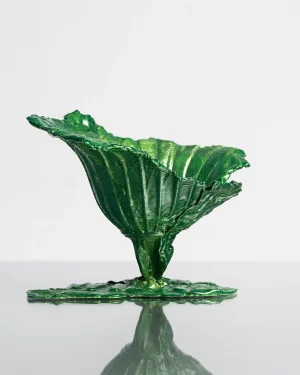 In stock
Follow The Flowers – Aluminum Decorative Bowl
By Vilius Dringelis
€1.300 -
 In stock
Domino Mirror
By Assimply Studio
€11.400 -
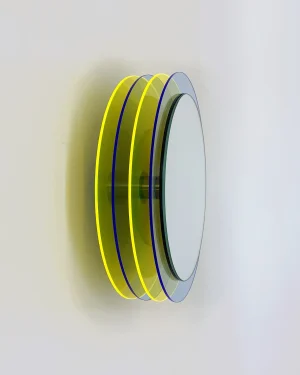 In stock
Birds, Sunset Wall Mirror
By Andreas Berlin
€640 -
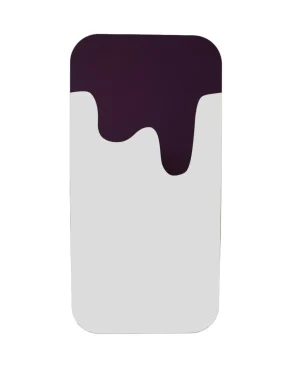 In stock
Melted Purple Glass Mirror
By Studio Monsoleil
€1.600 -
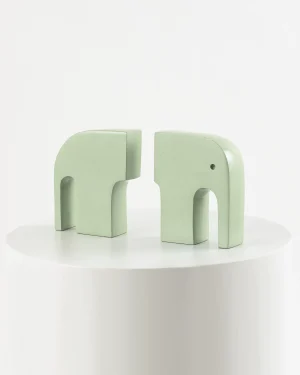 In stock
Jumbo – Aluminum Elephant Bookend
By Nama Home
€816 This product has multiple variants. The options may be chosen on the product page -
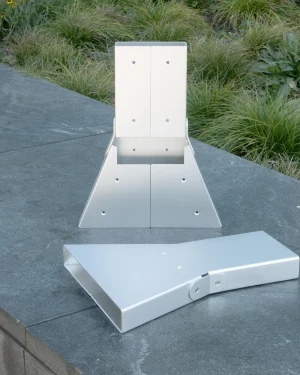 In stock
Little Buddy Trestle Hardware – Aluminum Pair
By andykim.global
€735 -
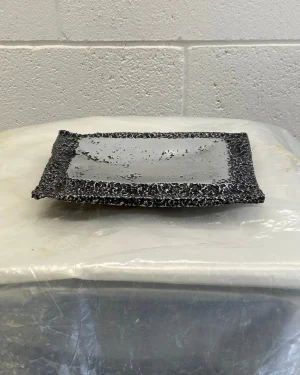
Melancholy Jewellery Dish – Aluminium
By Saturday Yard Work
€390 -
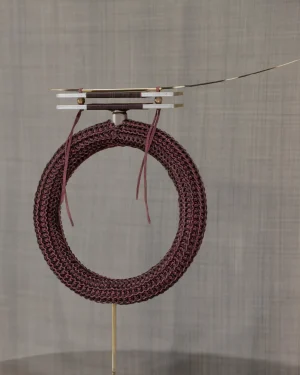 In stock
Amphora Sculpture
By Atelier Nuanda
€1.270 -
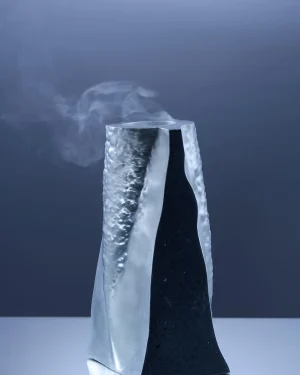
Bedda – Vase
By Emilia Tombolesi
€920 -
 In stock
Eocene – Sand-cast Aluminum Vessel
By Epoche Studio
€1.342 -
 In stock
Oto — Cast Aluminum Bowl
By Neiw Studio
€800 -
 In stock
Vaso GG – If the seabed were silver
By 80e8
€1.300 -
 In stock
“TABLE TOP” Mirror
By David Taylor
€1.650 -
 In stock
Hazy Horizon Purple
By Anne Nowak
€1.010 -
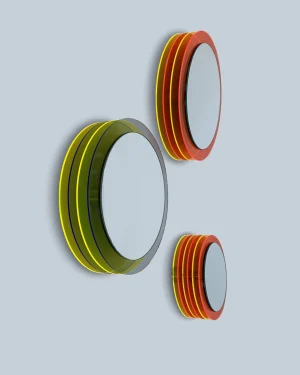 In stock
Set Anbito, Sunset Wall Mirrors
By Andreas Berlin
€2.000 -
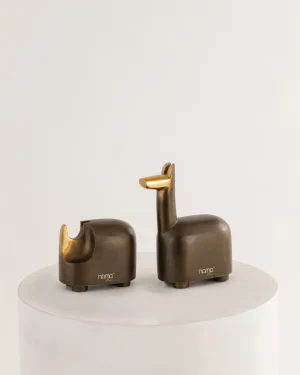
Zoo – Cast Aluminum Animal Sculpture Set
By Nama Home
€730 -
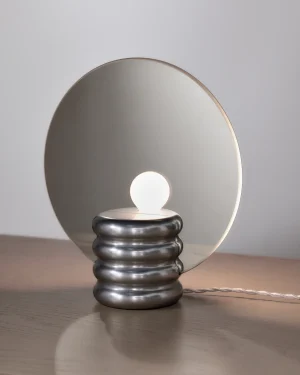 In stock
Spegla Mirror Lamp – Mirror / Lamp In Aluminium And Mirror Glass
By Jochen Lavéno Mangelsdorff Studio & Objects
€556 This product has multiple variants. The options may be chosen on the product page -
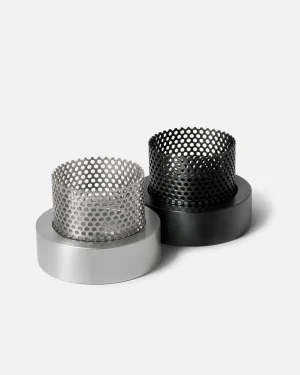 In stock
Perform – Candle Holder In Aluminium And Steel
By Jochen Lavéno Mangelsdorff Studio & Objects
€100 This product has multiple variants. The options may be chosen on the product page -
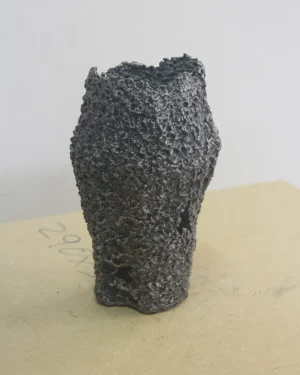
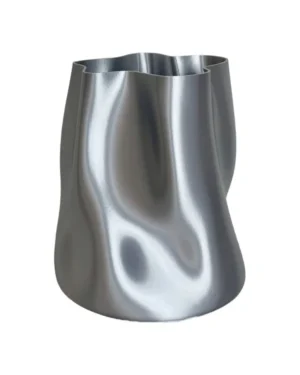
Melancholy Vessel – Small – Aluminium
By Saturday Yard Work
€264 This product has multiple variants. The options may be chosen on the product page -
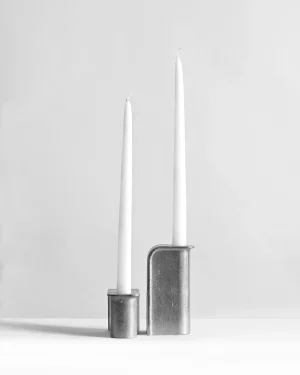
Eave – Candle Holder
By Stem
€160 -
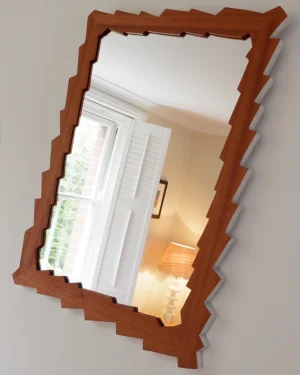
Shocking Mirror – Sapele Mahogany And Aluminium Gilded Frame
By Josh Page Studio
€400 - €588 This product has multiple variants. The options may be chosen on the product page -
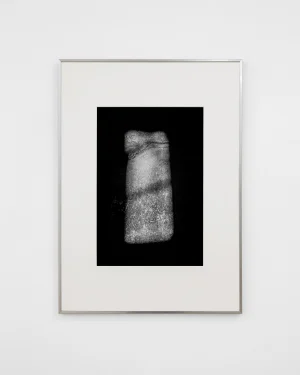
Memory Series #12 – Photography
By COSEINCORSO
€182 - €455 This product has multiple variants. The options may be chosen on the product page
Aluminum decor gathers objects made from one of the lightest structural metals available to designers: bowls, trays, vases, sculptural objects and small sculptures formed by studios working in cast, polished or brushed aluminum. The metal takes a mold cleanly, holds a sharp edge, and carries color or reflection without adding weight to a shelf or console. What results ranges from raw, foundry-marked surfaces to mirror-bright finishes that catch light across a room.
What defines aluminum decor
Aluminum is prized for being both light and durable. Unlike iron or steel, it does not rust, so pieces left near a window or a humid bathroom keep their surface over years rather than pitting or staining. Many of the objects found in metal decor share this resistance, though aluminum is notably lighter to lift and reposition than bronze, cast iron or steel.
The metal also takes casting well. Studios pour molten aluminum into sand molds to capture texture straight from the mold, a process that leaves a faint graininess on the surface, or polish the same casting until it reads as near-liquid silver. Both approaches sit under the aluminum decor umbrella, and both age slowly, since the oxide layer that forms on exposed aluminum protects it rather than weakening it the way rust does to iron.
Finishes, colors and the ways pieces are made
Color on aluminum decor tends toward silver, black and reflective surfaces, with gold, blue, orange and transparent accents appearing where a studio has anodized, painted or paired the metal with glass. A polished finish throws light and shadow across a room; a black or matte finish absorbs it and reads closer to stone or cast iron. Reflective and mirror-polished surfaces work almost like a small mirror, doubling whatever sits nearby.
- Cast aluminum: poured and set in a mold, then finished by hand, giving each object a slightly different grain or edge.
- Polished aluminum: ground and buffed until the surface reflects almost like glass.
- Mixed-material pieces: aluminum paired with mirrorglass, leather or transparent glass for contrast in weight and touch.
Editions vary by studio. Some aluminum decor is produced as an open edition, repeated as needed; other pieces are cast as limited editions or stand as one-off, unrepeatable objects, closer to small sculpture than tableware. Where a piece is described as a unique piece or part of a limited run, that status comes from the way it was cast or finished, not from scarcity alone.
Choosing a piece for scale and placement
Scale matters more with aluminum than with heavier materials, since a large aluminum object can look oversized without the visual weight to anchor a room the way stone or dense wood would. Measure the surface it will sit on, and leave enough negative space around it that the piece reads as an object rather than clutter. A tall, narrow aluminum vessel suits a console or a plinth; a low, wide bowl suits a coffee table or a dining table center.
Finish should answer the light in the room. A polished or reflective piece intensifies a bright window or a lit shelf, while a matte or black finish holds its own in a dim corner. For a quieter palette, aluminum decor in brushed or matte silver sits comfortably alongside the pared-back lines found in minimalist decor.
Where aluminum decor suits a room
Because it resists moisture and does not corrode, aluminum decor moves easily between living rooms, entryways, bathrooms and kitchens without special treatment. A cast aluminum bowl holds fruit or keys as readily on a kitchen counter as on a hallway table. Paired with aluminum lighting fixtures such as those found among aluminum lighting, these objects can carry a single material language across a room without repeating the same shape twice.
Caring for aluminum pieces
Aluminum needs little upkeep: wipe with a soft, dry cloth to remove dust, and use a damp cloth with mild soap for fingerprints on polished surfaces. Avoid abrasive pads, which can scratch a mirror finish permanently, and dry the metal fully after cleaning to prevent water spots on bright polished areas. For the full range of forms and finishes the material takes, see every aluminum piece on ADORNO, or step back to view the wider range of objects within decor.
How do I choose a piece of aluminum decor?
Look at finish first: polished aluminum reflects light and suits bold accents, while cast or brushed surfaces read quieter and sit well in understated rooms. Weight and intended placement, shelf, console or floor, should guide the final choice.
How do I clean and care for aluminum decor?
Wipe with a soft, dry or barely damp cloth; aluminum does not rust, though polished surfaces show fingerprints more readily than brushed or cast ones. Avoid abrasive cleaners, which can dull the finish over time.
What size aluminum decor piece should I get?
Aluminum's light weight makes it practical at any scale, from small tabletop objects to larger floor pieces. Measure the surface or spot intended and check the maker's listed dimensions before ordering.
Which rooms suit aluminum decor?
Aluminum's cool tone and reflective qualities work in living rooms, entryways and studies, anywhere light and surface play add interest. Its resistance to moisture also makes it a sound choice near kitchens or bathrooms.
Does ADORNO offer worldwide shipping for aluminum decor?
Yes, shipping is insured and arranged worldwide.
What is ADORNO's return policy on aluminum decor?
Pieces can be returned within 14 days, except made-to-order items, which are excluded from this policy.