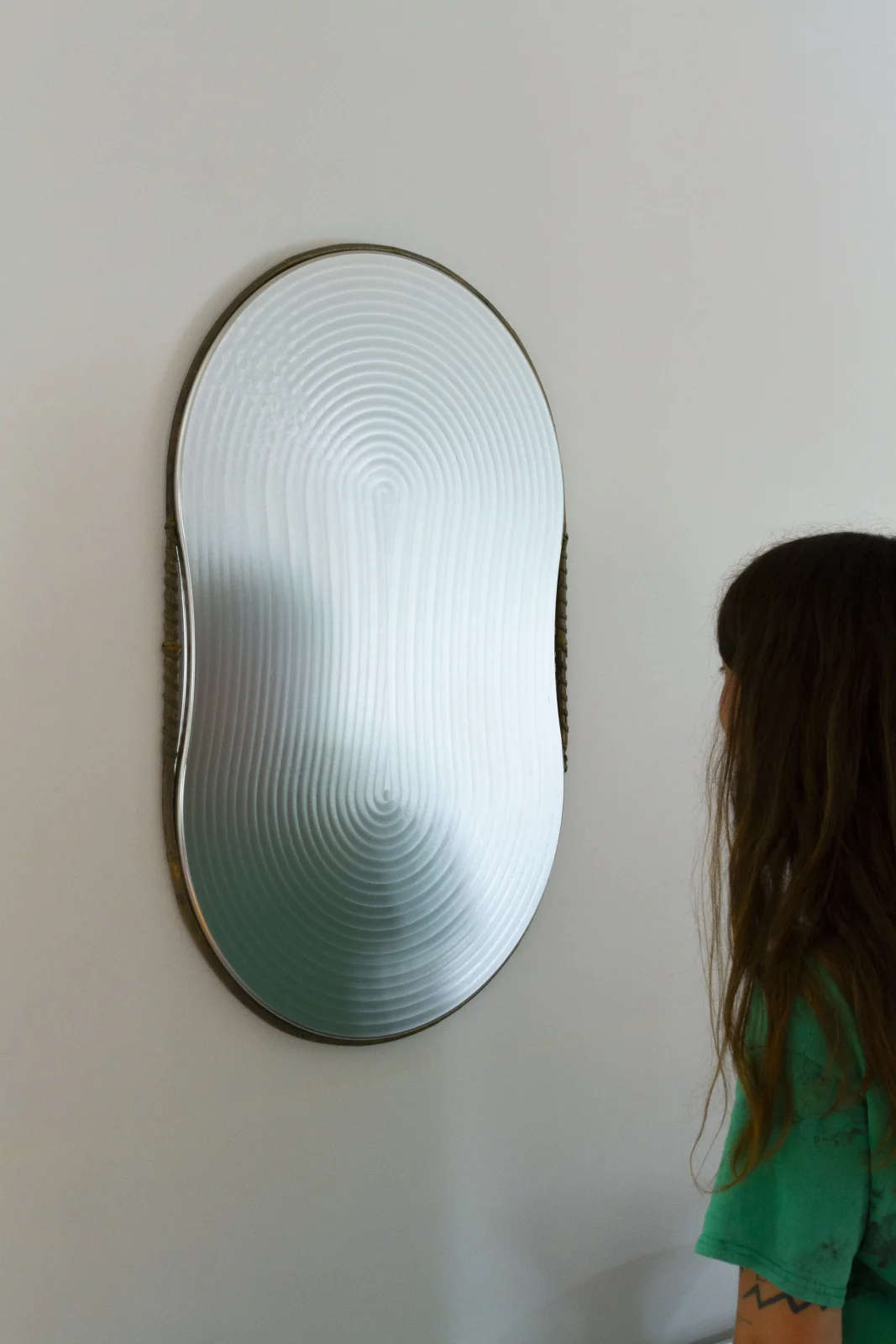
A Complete Guide to the Types of Mirrors
A mirror holds no opinion of its own — it takes the shape of the room that made it.
A mirror is a surface that reflects a clear, reversed image of whatever stands in front of it — most often a sheet of glass with a thin metallic coating on the back. That simple definition covers everything from a pocket compact to a floor-to-ceiling wall panel, which is why the word “mirror” alone rarely tells a shopper much. Indeed, the type, shape, frame, and material behind a mirror change its function as much as its appearance, and getting those decisions wrong is one of the more common, and expensive, mistakes in home design.
This guide breaks down the types of mirrors by placement, shape, frame, and material, along with the dimensions, installation steps, and maintenance each type calls for. Notably, the aim is a working reference: the kind of detail that answers a specific question, whether that’s how high to hang an entryway mirror or what actually separates a framed mirror from a frameless one.
What are the different types of mirrors?
Mirrors are most commonly classified by where and how they’re used, since that function determines size, mounting method, and finish before shape or style ever enters the decision. The table below outlines the main categories.
| Type | What it is | Typical Size | Best use |
|---|---|---|---|
| Wall mirror | Mounted flat against a wall, fixed or hung | 40–120 cm wide | General decor, entryways, living rooms |
| Floor / full-length mirror | Freestanding or leaning, tall enough to reflect a full figure | 150–200 cm tall | Bedrooms, dressing areas |
| Vanity / tabletop mirror | Small, often on a stand, sometimes magnified | 20–45 cm | Bathrooms, makeup application |
| Decorative / sculptural mirror | Designed as much for form as function, often asymmetrical | Varies widely | Living rooms, galleries, statement walls |
| Bathroom mirror | Moisture-rated, often paired with lighting or storage | 60–90 cm wide | Above sinks and vanities |
| Dressing mirror | Tilting or three-way, shows multiple angles | 130–180 cm tall | Bedrooms, walk-in closets |
Mirror shapes explained
Shape affects how a mirror interacts with a room’s existing lines, a factor that matters more than most buyers expect.
Round mirrors
Round mirrors soften a room dominated by straight edges, which is why they turn up so often above rectangular vanities or beside square-framed art. Because a circle has no directional pull, round mirrors tend to read as calm rather than commanding, making them a common choice for smaller or symmetrical spaces.
Rectangular and square mirrors
Rectangular and square mirrors are the most common shapes by a wide margin, largely because they suit the widest range of furniture and wall proportions. A rectangular mirror hung vertically elongates a wall, while a horizontal orientation widens it — a distinction worth checking against a room’s actual proportions before buying.
Arched mirrors
An arched mirror pairs a flat bottom with a curved top, echoing the shape of a doorway or window. The style suits transitional or traditional interiors especially well, since the curve softens a rectangular outline without abandoning its structure entirely.
Oval mirrors
Oval mirrors combine a rectangle’s height with a circle’s soft edges, a middle ground that works particularly well for dressing or vanity mirrors. Elongated ovals, hung vertically, are also a common substitute for a traditional full-length mirror in tighter spaces.
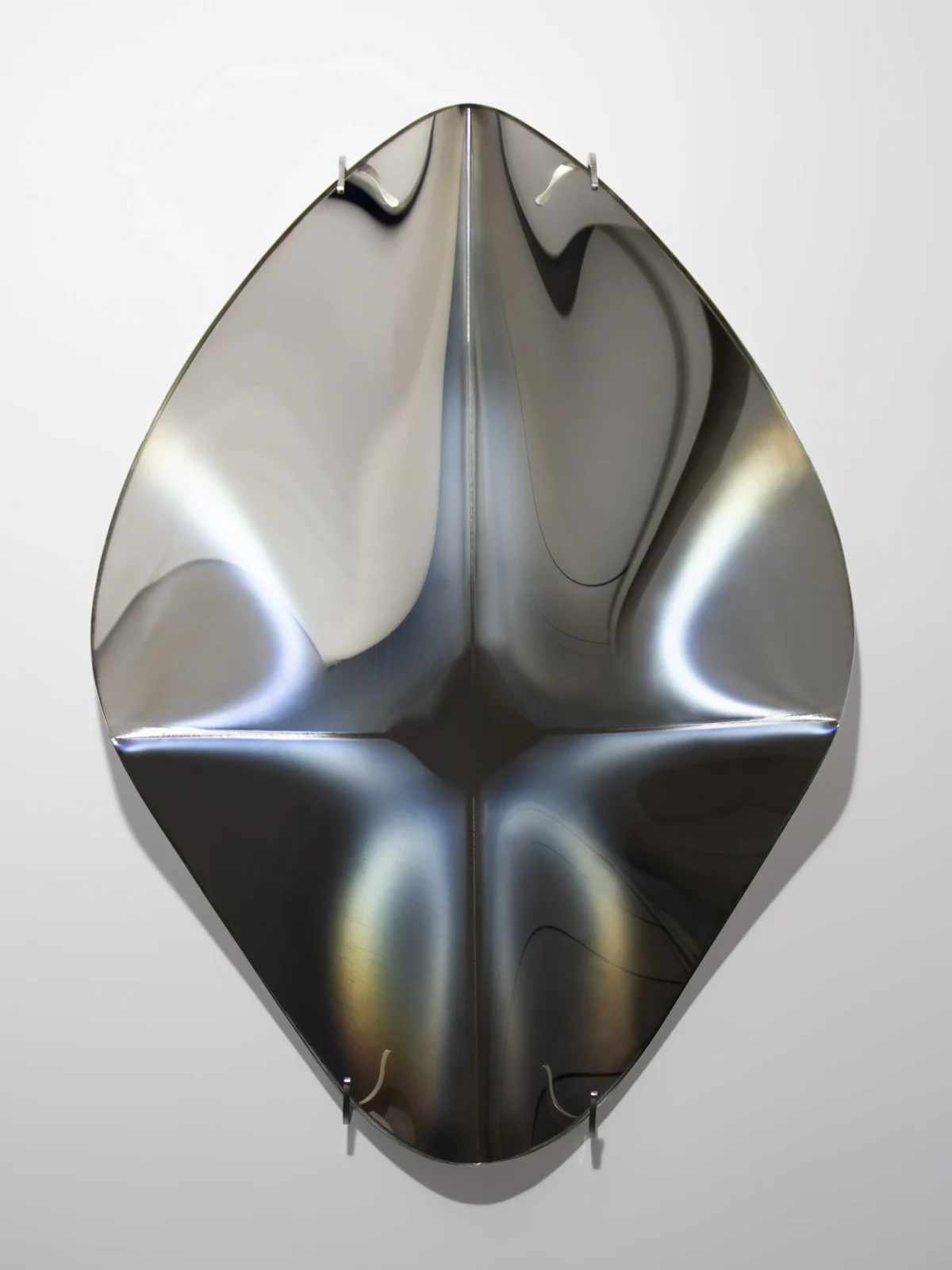
Irregular and organic mirrors
Irregular and organic mirrors move away from geometric outlines altogether, often shaped by the process that made them rather than a fixed template. Slumped or hand-poured glass, for instance, settles into forms that can’t be fully repeated, which is part of the appeal for buyers looking for something that resists a mass-produced look.
Frame styles and materials
Beyond shape, a mirror’s frame, or lack of one, is the next-biggest factor in how it reads in a room.
Frameless mirrors
A frameless mirror has polished or beveled edges instead of a border, letting the glass itself define the shape. The style reads as quieter and more contemporary, and it’s a common choice in bathrooms and gyms, where a border would otherwise collect moisture or grime.
Framed mirrors
A framed mirror sets the glass inside a border of wood, metal, or another material, which does two things: it protects the glass edge, and it gives the eye a stopping point. Framed mirrors tend to suit rooms with other framed elements — art, cabinetry, window trim — since the repetition ties a room together.
Frame material changes a mirror’s character as much as its shape does. The comparison below covers what to expect from each.
| Material | Character | Maintenance | Best for |
|---|---|---|---|
| Wood | Warm, variable grain, ages with use | Occasional oiling or polishing; avoid high humidity | Living rooms, bedrooms, hallways |
| Metal (brass, steel, aluminum) | Cool and architectural, ranging from industrial to refined | Wipe down regularly; polished finishes need periodic buffing | Entryways, sealed bathrooms, living rooms |
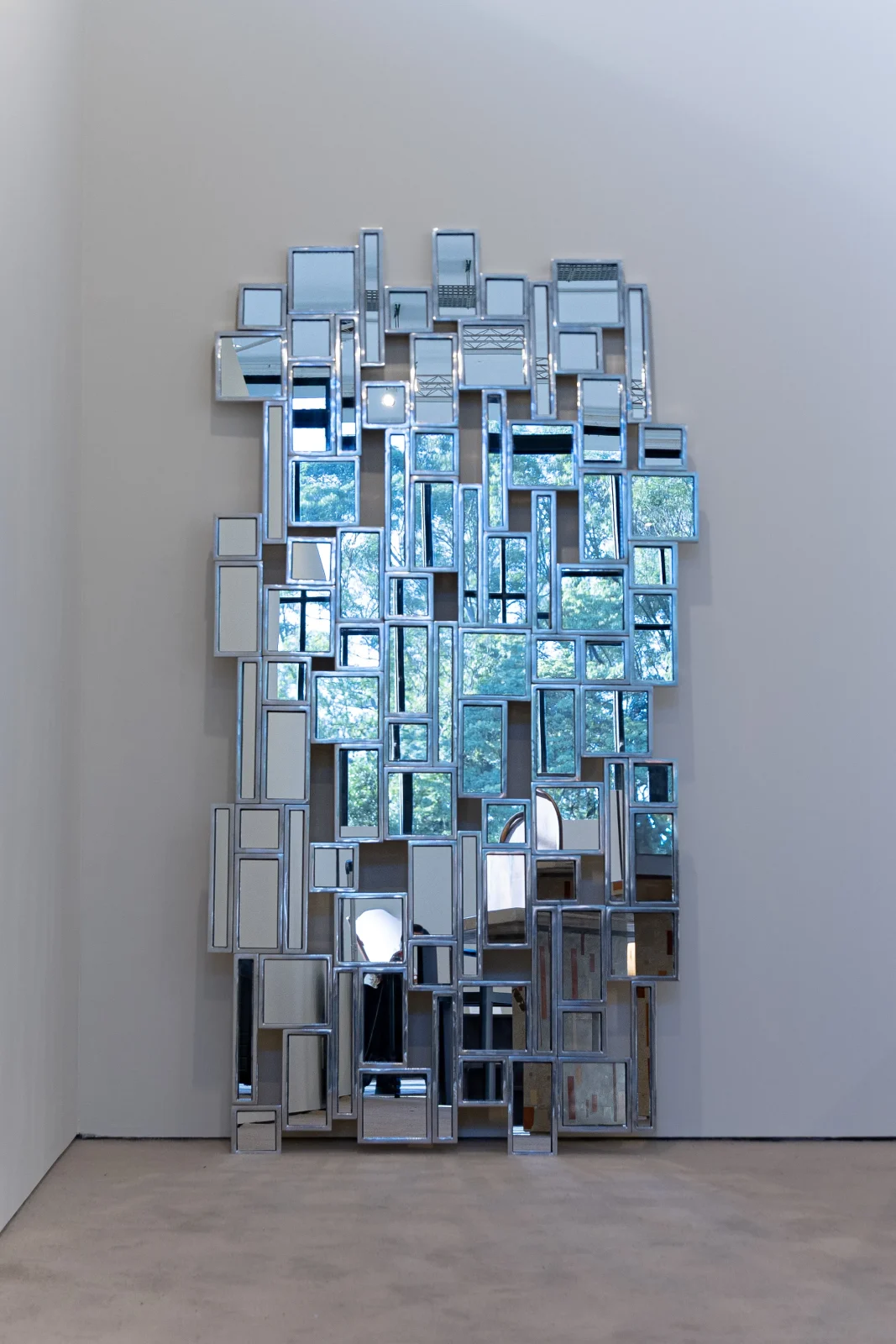
| Mixed / reclaimed materials | Textural, often one of a kind | Varies by material; check care notes for each piece | Statement walls, sculptural placements |
| Frameless / beveled glass | Minimal, no separate frame to maintain | Standard glass cleaning only | Bathrooms, small spaces, contemporary interiors |

Mirror glass and materials
Standard silvered glass
Most mirrors use glass with a thin layer of aluminum or silver applied to the back, sealed with a protective coating. Higher-clarity, or “low-iron,” glass reduces the faint green tint standard glass carries, a difference that matters most in mirrors used for close detail work, such as makeup application.
Antique, smoked, and tinted glass
Antique or “foxed” mirror glass is treated to mimic natural aging, with cloudy or spotted patches built in rather than developed over time. Smoked and tinted glass, meanwhile, reduce reflectivity and glare, a choice more about atmosphere than practicality.
Acrylic and safety mirrors
Acrylic mirrors trade the fragility of glass for a shatter-resistant surface, a common substitute in bathrooms used by children, home gyms, and rental properties. The tradeoff is a softer, slightly less accurate reflection and a surface that scratches more easily than glass.
Reclaimed and sustainable materials
A growing share of mirror makers now build both frame and glass from reclaimed material: recycled aluminum, reclaimed glass offcuts, even ocean plastic. Reclaimed glass in particular tends to carry more irregularity in thickness and clarity, a tradeoff many buyers choose deliberately for the character it adds.
Clay, ceramic, and stone
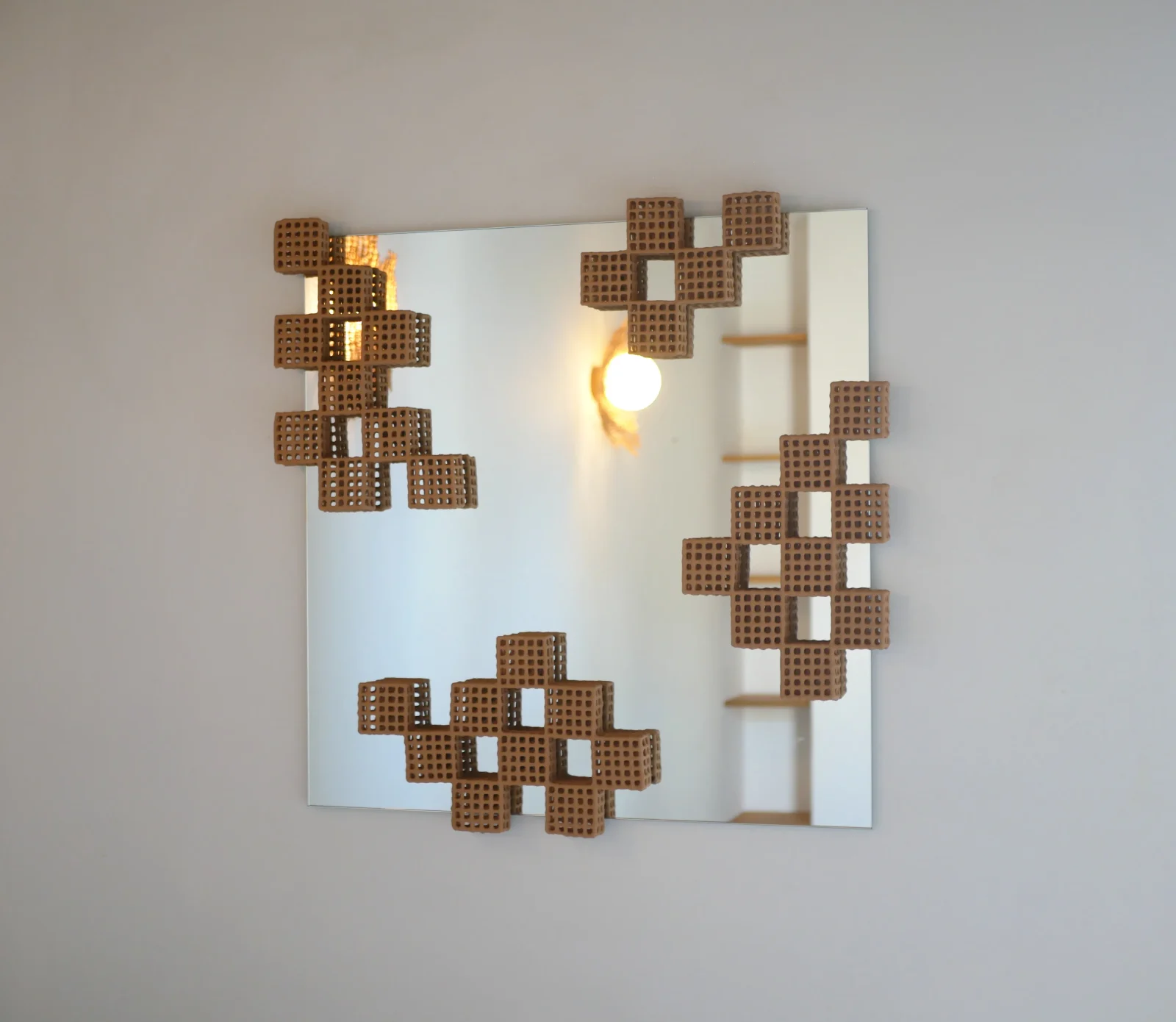
Less common are mirrors that pair glass with fired or stabilized clay, ceramic, or stone. The contrast between a matte, textured surface and a polished reflection tends to read as intentional rather than accidental, though it’s worth checking care instructions before choosing one for a humid room, since unsealed clay and moisture don’t mix well.
Standard mirror dimensions and sizing
Size is where most mirror purchases go wrong, more often than style or material. A few standard guidelines cover most rooms.
| Room / use | Typical height | Typical width | Notes |
|---|---|---|---|
| Entryway / hallway | 90–120 cm | 60–90 cm | Center the mirror at eye level, roughly 150–160 cm from the floor |
| Bathroom vanity | 60–90 cm | 60–90 cm | Match width to the vanity or sink, not the wall |
| Full-length / dressing | 150–180 cm | 45–60 cm | Height should clear the tallest household member by a small margin |
| Dining room / console | 70–100 cm | Two-thirds the width of the furniture below | Avoid a mirror wider than the surface it hangs above |
| Statement / living room | Varies | Varies | Scale to the wall, not the furniture, when used as a focal point |
The general rule for a mirror hung above furniture, whether a console, dresser, or sofa, is to keep it at roughly two-thirds the width of the piece beneath it. A mirror wider than its furniture tends to visually tip the arrangement, while one noticeably narrower reads as an afterthought. Measuring the furniture width first, then working backward to a mirror size, avoids most sizing mistakes before a purchase is made.
How to choose the right mirror
A handful of considerations, taken in order, cover most of what determines whether a mirror works in the room it’s bought for.
- Purpose first. Decide what the mirror needs to do — reflect a full outfit, catch light in a dark hallway, or simply fill a wall — before considering finish. A decorative mirror chosen for a functional spot, like a dressing area, usually ends up replaced.
- Room and light. A mirror positioned to reflect a window does more for a room’s brightness than one chosen for frame finish alone. In a room with little natural light, a larger or more reflective mirror compensates more effectively than an ornate frame.
- Wall type and weight. Plaster, drywall, and masonry all carry different maximum loads, and a heavy mirror on the wrong anchor is one of the more common installation failures. Always check a wall’s construction before selecting a mirror much over a few kilograms.
- Style compatibility. A frame should relate to at least one other material already in the room, such as a metal frame echoing existing brass hardware, rather than introducing an unrelated finish.
- Glass quality. Cheaper mirrors often use lower-clarity glass with a visible tint or slight warping, both more noticeable in larger sizes. It’s worth checking a mirror in person, or reading clarity notes carefully, before buying anything over a meter wide.
- Budget and durability. Frame material affects a mirror’s lifespan as much as its price: solid wood and metal generally outlast veneer or laminate finishes, particularly in humid rooms.
Common mirror-buying mistakes
Most mirror regrets trace back to one of a handful of avoidable errors.
- Choosing a mirror too small for the wall or furniture it’s meant to complement.
- Hanging a mirror too high or too low relative to eye level or the furniture below it.
- Ignoring wall type and using a standard hook or adhesive strip on a heavy mirror.
- Mismatching frame finish with a room’s existing metal or wood tones.
- Placing a bathroom mirror without checking its moisture rating.
- Choosing a frameless mirror for a room that needs a defined focal point, or an ornately framed mirror in a small space where it will feel crowded.
- Overlooking glass clarity on larger mirrors, where tint and warping become more visible.
- Skipping a second anchor point on wide or heavy mirrors.
Mirror placement guide by room
Entryway & hallway
An entryway mirror works best near eye level, with its center around 150–160 cm from the floor, positioned for a last glance before the door. In a narrow hallway, a mirror placed opposite or beside a light source does more to open up the space than one chosen purely for style.
Living room
In a living room, a mirror positioned opposite a window reflects daylight across the room for most of the day, an effect worth prioritizing over frame style. This effect is well documented elsewhere, too — Dezeen’s own survey of mirrored interiors features homes where a single reflective surface measurably changed a room’s perceived scale. Larger, sculptural mirrors also read well as a focal point when a room lacks a fireplace or other natural anchor.
Bedroom & dressing area
A dressing mirror needs enough height to reflect a full figure from a natural viewing distance, which usually means at least 150 cm tall, positioned where morning light reaches it. Leaning mirrors offer more flexibility here, since they can be repositioned as furniture changes.
Dining room
Above a console or sideboard, a mirror should stay within roughly two-thirds the width of the furniture, hung with 15–20 cm of clearance above it. A mirror reflecting a chandelier or window does more for a room’s light than one chosen for frame detail alone.
Bathroom
Bathroom mirrors need a moisture-rated frame and sealed glass backing, since humidity is the leading cause of premature fogging or foxing. Placement above a sink typically calls for a width close to the vanity’s own, with the bottom edge 10–15 cm above the faucet.
Home office
A mirror positioned to reflect a window, rather than a screen, reduces glare during video calls and adds daylight to a room during work hours. A smaller, frameless mirror tends to suit a workspace better than an ornate or oversized piece.
How to install and mount a mirror safely
Installation method depends almost entirely on weight, wall type, and whether the mirror will lean or mount flush.
Tools and hardware
Most wall-mounted mirrors need a stud finder, a level, a drill, and anchors rated for the mirror’s full weight, not its apparent size. Lighter mirrors under a few kilograms can often use D-ring hangers and picture wire, while heavier pieces need French cleats or two-point mounting brackets.
Finding support
Locating a wall stud gives the most secure anchor point, but masonry and plaster walls require a rated wall anchor instead, sized to the mirror’s weight plus a safety margin. As a general rule, choose an anchor rated for at least 1.5 times the mirror’s stated weight.
Leaning vs. mounting
A leaning mirror is easier to reposition and install, but it needs a slightly reclined angle and, ideally, a safety strap anchoring it to the wall to prevent tipping. Mounting trades that flexibility for permanence, a better fit for heavier or larger mirrors.
Safety for large mirrors
Mirrors over about 15 kg or a meter wide are safer to hang with two people, since an uneven lift risks cracking the glass or dropping it onto an anchor before it’s fully set. Adding safety film to the back of a large mirror also limits shattering if the glass is ever broken.
Mirror care and maintenance
Daily cleaning
A microfiber cloth with a diluted vinegar-and-water solution outperforms most commercial glass cleaners, which often leave a residue visible under direct light. Wiping in straight lines rather than circles, and letting the glass air-dry, avoids the streaking most cleaning mistakes cause.
Preventing foxing and spotting
Foxing, the dark or cloudy spots that develop on aging mirrors, forms when moisture reaches the silvering through the mirror’s back or edges. Keeping mirrors away from direct humidity and checking that the backing seal remains intact are the most effective preventions.
Frame-specific care
Wood frames benefit from occasional oiling or polishing and should stay away from prolonged humidity. Metal frames vary by finish: polished metal needs periodic buffing to prevent tarnish, while patinated finishes are best left alone, since polishing removes the intended aged look. Clay, ceramic, and stone elements generally need only a dry dusting, since moisture can affect unsealed surfaces.
Humidity and bathroom mirrors
Bathroom mirrors are the most exposed to the conditions that cause foxing, which is why moisture-rated backing matters more there than anywhere else in the home. Running a ventilation fan during and after showers meaningfully extends a bathroom mirror’s lifespan.
Moving and storing mirrors
Mirrors should always be moved vertically, never flat, to avoid uneven pressure on the glass, and transported with the reflective side facing a soft, padded surface. For storage, standing a mirror upright on a padded edge, away from direct sunlight, prevents both cracking and frame warping.
Frequently asked questions
What is the standard height for a full-length mirror?
Most full-length mirrors measure between 150 and 180 cm tall, enough to reflect a full standing figure from a comfortable viewing distance. Ceilings under 240 cm may call for a mirror closer to the lower end of that range.
At what height should a mirror be hung?
As a general rule, the center of a mirror should sit at or near eye level, roughly 150–160 cm from the floor for most adults. Mirrors hung above furniture are the exception, positioned instead with 15–20 cm of clearance above the piece beneath them.
What’s the difference between a framed and frameless mirror?
A framed mirror has a border of wood, metal, or another material around the glass, while a frameless mirror uses polished or beveled edges instead. Framed mirrors suit rooms with other framed elements, while frameless mirrors read as quieter and are easier to maintain in humid spaces.
Is a wall mirror or a floor mirror better for a bedroom?
A floor or full-length mirror suits a dressing area better, since it reflects a full figure without needing precise wall placement. A wall mirror works better as a decorative or light-reflecting element positioned elsewhere in the room.
Can foxing or black spots on an old mirror be repaired?
Foxing generally can’t be reversed, since it reflects damage to the mirror’s silvering itself rather than surface dirt. Replacing the glass while keeping the original frame is usually the only way to restore a heavily foxed mirror without losing its character.
How do I clean a mirror without leaving streaks?
A microfiber cloth and a diluted vinegar solution, wiped in straight rather than circular motions, avoid the residue most commercial cleaners leave behind. Letting the glass air-dry, rather than buffing it with a dry cloth, prevents lint from reappearing.
How heavy an anchor do I need for a mirror?
Choose an anchor rated for at least 1.5 times the mirror’s stated weight, since the rating includes a safety margin rather than the exact load. Mirrors over roughly 10 kg generally need two anchor points instead of one.
What causes a mirror to look slightly green?
Standard mirror glass has a faint green tint caused by iron content, most visible along the edges of a thicker pane. Low-iron, or “clear,” glass reduces that tint and is worth the added cost for mirrors used for close detail work.
Bringing it together
The type of mirror that works best rarely comes down to trend. It comes down to matching shape, frame, material, and size to what a specific room and task actually need. A mirror chosen this way tends to last decades rather than seasons, which is more than can be said for most decorative purchases.
For those exploring options across styles and materials, ADORNO’s collection of wall, floor, and sculptural mirrors spans wood, metal, glass, and reclaimed materials from independent studios.
