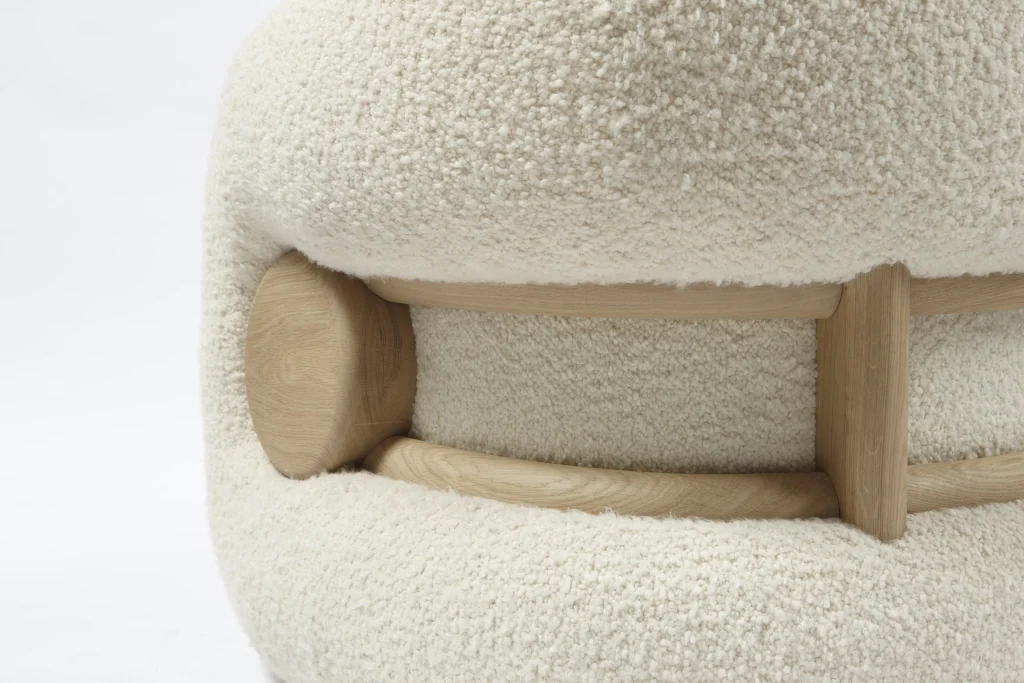
The Natural Spirit of Boho Chic Decor
Updated on: August 6, 2026
Boho chic is the most misunderstood of the major decorating styles, because it looks like the absence of rules and is actually quite disciplined. Layered pattern, natural material, objects from different places and periods sitting together — it works when a limited palette holds the variety in check, and collapses into clutter when nothing does.
It also scales. You can commit a whole living room to it, or get most of the effect from a single boho lamp and a rug. What follows covers what the style actually is, where it came from, the characteristics that define it, and how it works room by room.
What is boho style?
Boho style — short for bohemian — is an approach to interiors built on layering: natural materials, global textiles, mixed pattern and objects acquired over time rather than bought as a set. It prioritises personality and comfort over symmetry or matching, and it reads as collected rather than specified.
Where the name comes from
“Bohemian” originally described the Romani people, wrongly believed by the French to have come from Bohemia. By the nineteenth century the word had transferred to unconventional artists and writers living outside bourgeois convention, and it is that second meaning — the artist’s rooms rather than any actual Central European tradition — that the decorating style descends from.
Boho versus boho chic
The two get used interchangeably, and the distinction is one of restraint. Pure boho is maximal and unfiltered — more pattern, more objects, less editing. Boho chic keeps the vocabulary but applies an editor: fewer patterns held to a tighter palette, better material quality, and enough negative space for individual pieces to register. Consequently boho chic sits closer to eclectic than to bohemian proper.
The origins of boho chic
The style as we recognise it emerged through the 1960s and 1970s, out of counterculture movements in Europe and the United States that rejected the rigid, matched interiors of the preceding decades. Rather than a coherent programme, it was a set of instincts: buy secondhand, bring in objects from travel, prefer handmade to manufactured, and let a room accumulate.
That inheritance is worth naming honestly. Much of what became boho decor came from appropriating textiles and motifs from North Africa, South Asia and Latin America, often without much interest in their origin. The version that holds up now does the opposite — sourcing from named makers working in their own traditions, which is both more interesting and less extractive.
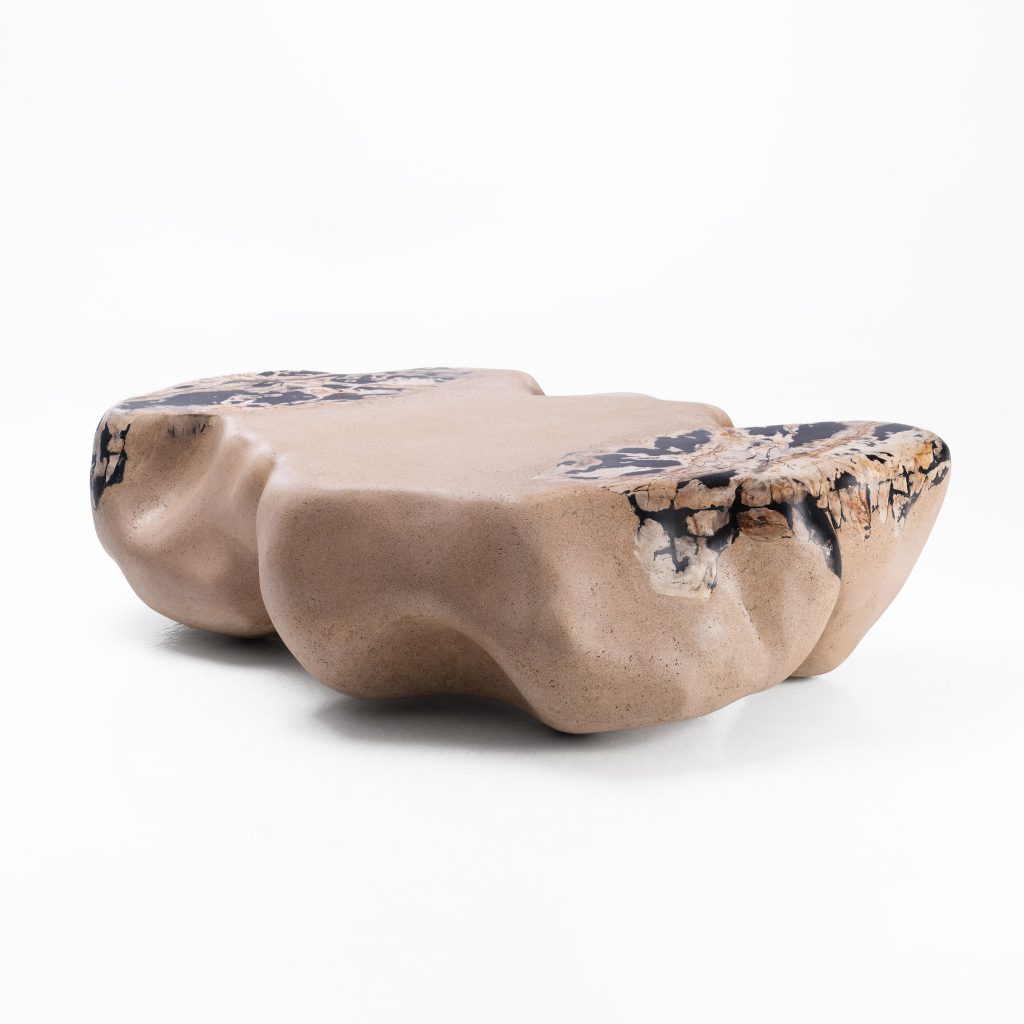

See the full boho chic collection →
Key characteristics of boho decor
Four things recur across every version of the style, and the fourth is the one that does the most work.
- An edited mix. Vintage, contemporary and handmade held together in one room. The mix is the point, but it needs an organising constraint — usually a restricted palette or a repeated material — or it reads as accumulation without intent.
- Natural materials. Wood, rattan, cane, bamboo, jute, unglazed clay and undyed textile. These absorb light rather than reflecting it, which is the mechanism behind the warmth people associate with the style.
- Global sourcing, properly credited. Textiles, pattern and technique from a range of traditions — ideally from studios working within those traditions rather than imitations of them.
- Layered texture. Patterned rugs, embroidered cushions, fringed throws, woven wall hangings. Texture is what lets boho carry a lot of visual information without becoming loud, because the variety sits in the surface rather than in colour.
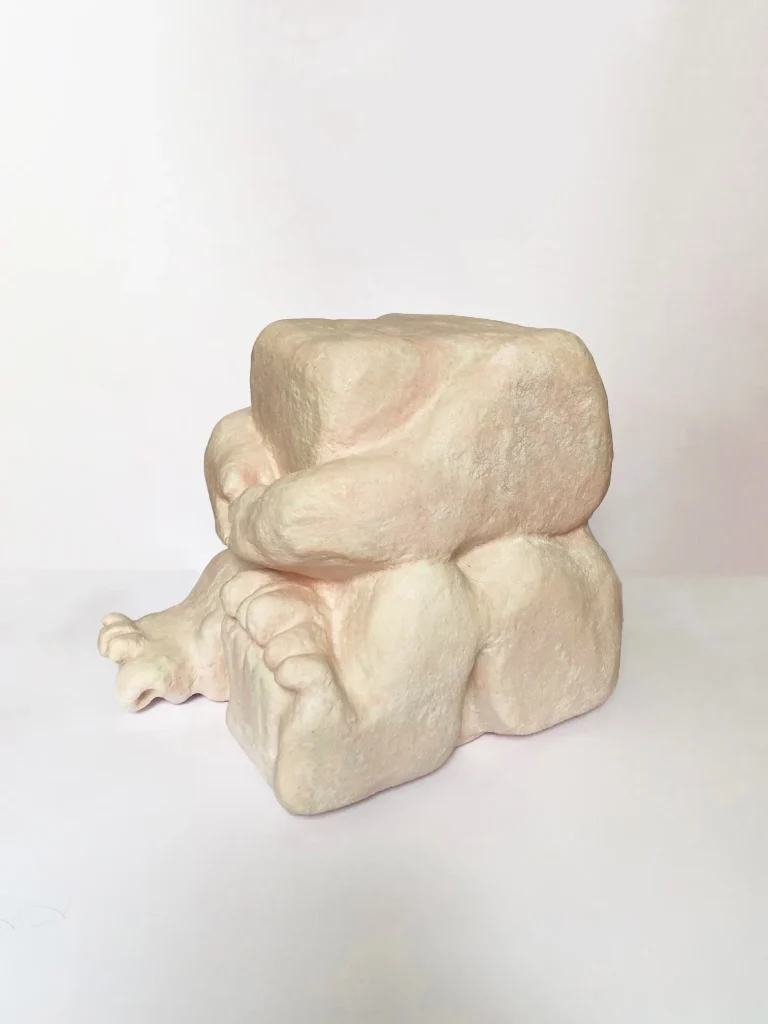

Boho decor room by room
Boho living room
The living room is where boho works best, because it has enough surfaces to layer on. Start with a patterned rug as the anchor, then build seating that does not match — a low sofa, a cane chair, a floor cushion. Keep the walls quieter than the floor, and light the room from three or four low sources rather than overhead. Our guide to a cozy living room covers the lighting logic in more detail.
Boho bedroom
In a bedroom the same principles apply with less pattern, since the room needs to be restful. Concentrate texture in the bedding and one wall piece, use plants for the organic element instead of more objects, and keep the palette to three or four tones. A woven hanging above the bed does more than a gallery wall would, and is easier to live with.
Boho wall decor
Walls are where boho most often goes wrong, usually through too many small framed things. The stronger move is one substantial textile — a handwoven hanging, a flatweave rug hung rather than laid, a macramé panel — which brings the texture that framed prints cannot. Wall pieces in natural fibre also soften a room acoustically, which framed work does not.
Modern boho: what has changed
Contemporary boho is noticeably more restrained than its 1970s ancestor, and the shift is mostly about editing. Where the original piled pattern on pattern, the current version holds a spare structural base — plain walls, simple furniture — and concentrates the variety into fewer, better pieces. That is why “modern boho” and boho chic have effectively converged.
Material standards have risen too. Rattan and cane are being used by studios who understand them structurally rather than as a signal, and handwoven textiles increasingly come with a named maker attached. Meanwhile the secondhand instinct that was always part of the style now overlaps with sustainable practice and upcycling — boho was buying vintage long before it was framed as an environmental choice.

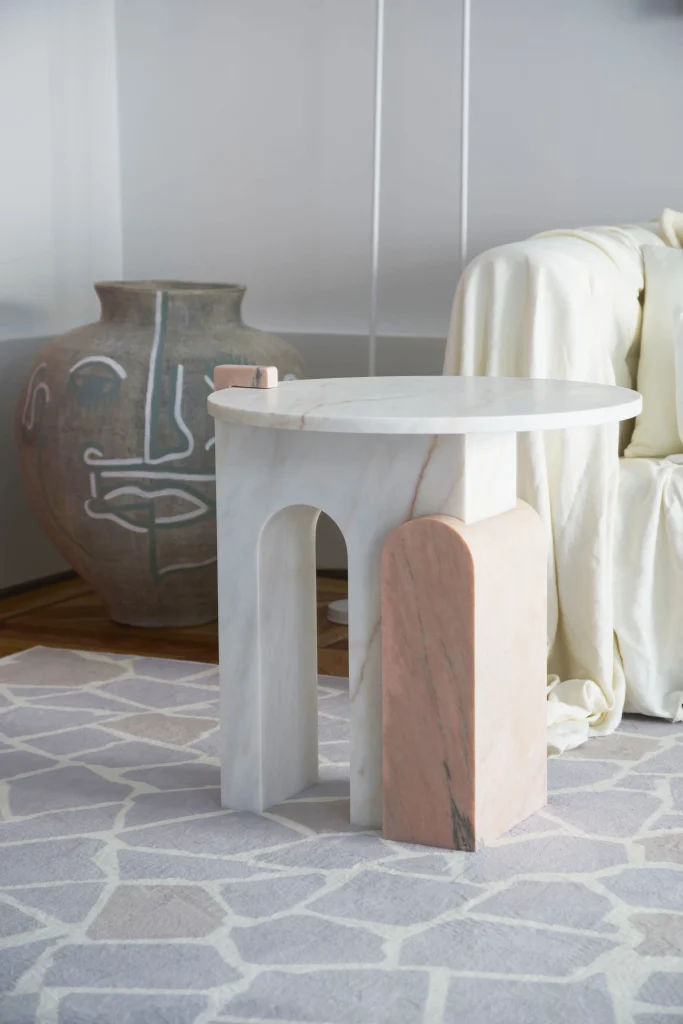
Also worth reading: boho chic seating and boho chic tables
Boho rugs and textiles
If you buy one thing, buy the rug. It anchors the layout, carries most of the pattern, and is the piece that makes a plain room read as boho rather than merely undecorated. Flatweaves and kilims suit the style better than deep pile — the pattern is structural, they are reversible, and they layer over each other, which deep pile cannot.
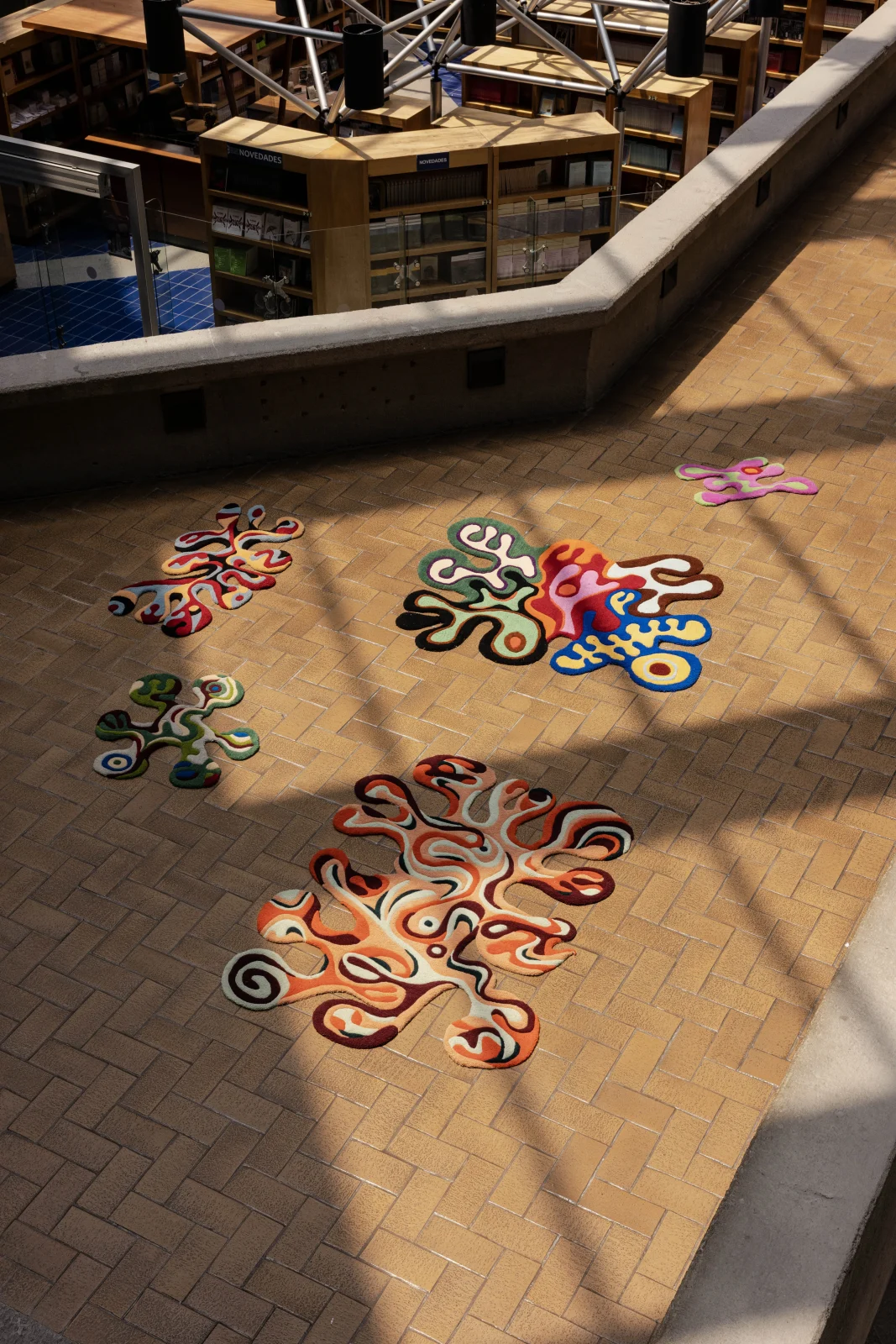
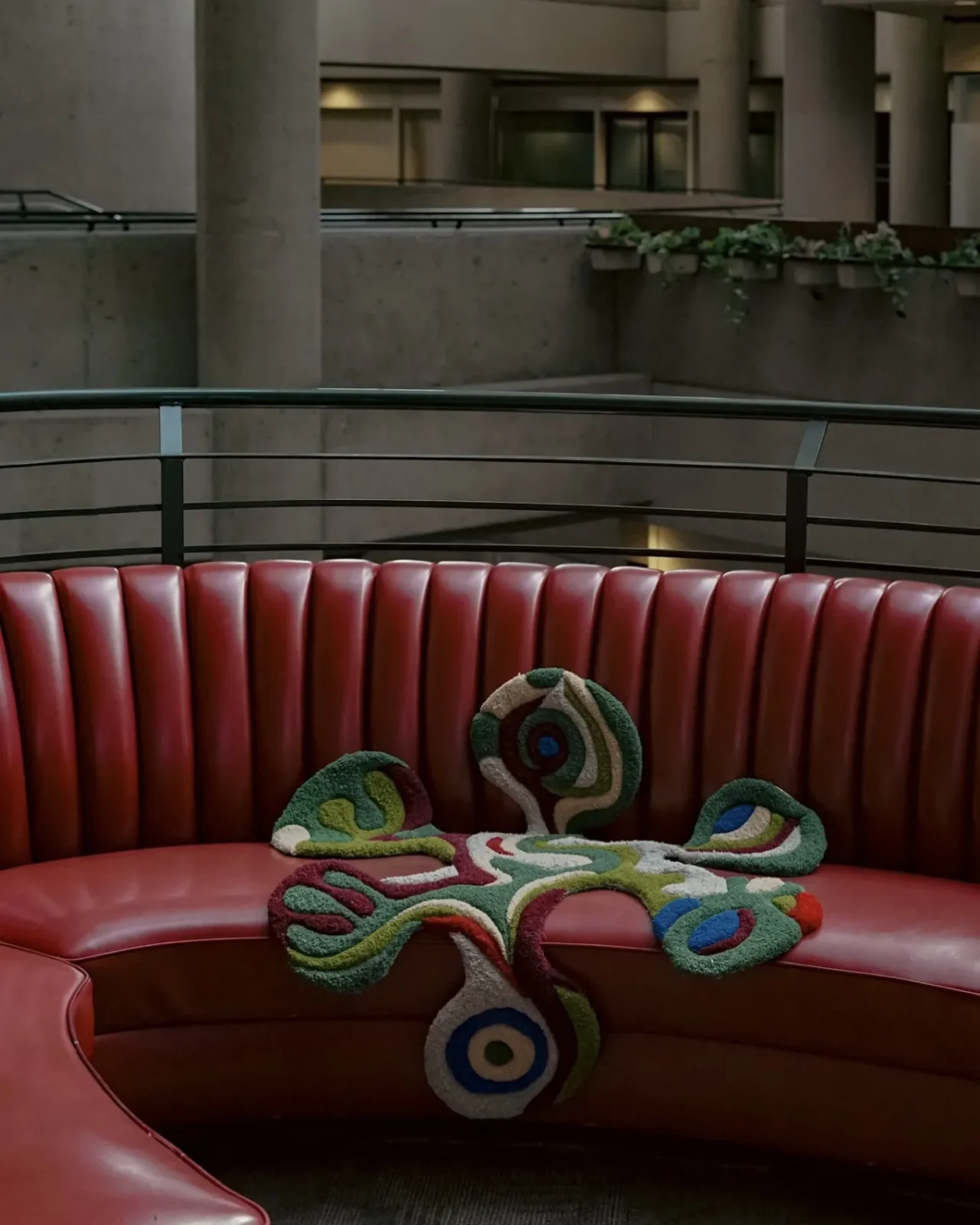
Handwoven wool in natural dye ages the way the style wants: it mellows rather than fading abruptly, and the subtle striation of hand-spun yarn gives variation no machine rug has. The Sombra de Zebu Rug by Umaguma is a good example — handwoven in Oaxacan wool with natural pigments, in collaboration with artisans in Oaxaca, and made to read as shifting shadow rather than flat pattern. Our roundup of wool rugs collects more.
Frequently asked questions
What is the difference between boho and boho chic?
Restraint. Boho is maximal and unedited — more pattern, more objects. Boho chic uses the same vocabulary with a tighter palette, better material quality and enough empty space for individual pieces to register. Boho chic is the version that works in a small flat.
How do you make a room look boho without it looking cluttered?
Impose one constraint and keep it. Usually that means limiting the palette to three or four tones, or repeating a single material across several pieces. Vary texture freely within that constraint — texture adds interest without adding visual noise, which is why it does the heavy lifting in this style.
What colours work in boho decor?
Earth tones as the base — terracotta, ochre, olive, sand, rust — with one or two saturated accents. The base needs to be warm and low-contrast so the layering reads as calm. Cool greys and blue-whites fight the natural materials the style depends on.
Is boho style still current?
Yes, though in a more edited form than a decade ago. The macramé-and-pampas version has dated; the underlying principles — natural material, layered texture, objects with provenance — have not, and they overlap heavily with the current interest in warm minimalism.
What is the difference between boho and eclectic?
Boho has a defined material and colour vocabulary — natural fibre, earth tones, global textiles. Eclectic has none; it is a method of combining rather than a look, so an eclectic room can be chrome and lacquer. Boho is one possible eclectic outcome, not a synonym.
Do you need plants for a boho room?
They help more than most objects, because they add the organic irregularity the style wants without adding another manufactured thing. A few large plants work better than many small ones, on the same logic that governs everything else here.
Why boho holds up
Boho survives because it is the one major style that assumes a room will change. It has no correct configuration to arrive at and no set to complete, so it absorbs whatever you acquire next instead of being disrupted by it.
Above all it rewards buying slowly. A room built from pieces acquired one at a time over years is exactly what the style is trying to look like — which makes it the rare aesthetic where doing it properly is also the cheaper route.
