Updated on: September 23, 2026
There is a Japanese phrase, mono no aware, that speaks to a sensitivity to the passing of things. It sits at the heart of sakura season, when cherry blossoms reach their peak and fall almost as quickly. Indeed, the bloom lasts barely a week or two in any one place, which is precisely why it is watched so closely. This sense of impermanence runs through Japanese art and design, where beauty is rarely fixed — it moves, fades, and carries the marks of time.
This selection of Japanese home decor holds onto that feeling through color, material, and mood rather than literal blossom motifs. Blush tones and soft pastels lead the palette, with pale spring greens and the occasional petal-like gesture. Meanwhile, clean lines and restrained silhouettes, informed by Japandi and Japanese design, keep everything grounded. The result is pink home decor that reads as seasonal without feeling staged: thirteen pieces, from hand-blown glass vases to washi paper lamps, chosen for how they carry the season into a room.
What is sakura season?
Sakura season is the short window each spring when Japan’s cherry trees bloom, usually from late March in Tokyo and Kyoto to early May in Hokkaido. The custom of hanami, gathering beneath the trees to watch the blossoms, goes back more than a thousand years. Notably, the appeal was never about permanence. The blossoms are admired because they fall, and that awareness of timing shapes much of Japanese aesthetics, from wabi sabi to the seasonal rhythm of the tea ceremony.
For interiors, sakura season translates less into prints of branches and more into a palette and a temperament. Consequently, the pieces that capture it best share three qualities: soft pink and pale green tones, natural or translucent materials, and forms that feel caught mid-movement. It is also the natural moment for a spring decor refresh, when lighter colors and textures begin to replace the weight of winter.
How to choose Japanese home decor
Start with restraint. Japanese interior design values space as much as the objects placed in it, so one considered piece usually says more than a shelf of accessories. In other words, choose fewer things and give each one room. A single pink glass vase on a bare console carries the season more clearly than a room full of blossom prints.
Next, look at material before motif. Hand-blown glass, washi paper, porcelain, and natural wood all have a quality of light or texture that feels close to the source. Moreover, they age well, which matters in a tradition that finds value in wear. Finally, balance soft color with grounded form. Blush and rose tones can drift into sweetness on their own; paired with the clean proportions of Japandi decor, they read as calm rather than decorative.
Materials that carry the season
Hand-blown glass
Glass is the closest material to a petal: thin, translucent, and colored by the light passing through it. Mouth-blown and mass-tinted pieces carry color through the body of the glass rather than on its surface, so tone shifts as the day changes. As a result, a pink glass vase can read pale in the morning and deep rose by evening. For more on the material, see our guide to colored glass decor.
Washi paper
Washi is traditional Japanese paper made from the long fibers of the kozo shrub. Stronger and more textured than machine-made paper, it diffuses light into a soft, even glow. Accordingly, it remains the defining material of Japanese lighting, from festival lanterns to contemporary handmade paper lamps.
Porcelain and ceramic
Porcelain brings a cool, fine-grained surface to the table, while stoneware adds weight and warmth. Both suit the rituals of spring, from tea to shared small plates, and sit naturally alongside handmade tableware in pale glazes.
Solid wood
Solid wood grounds a lighter palette. Oak and other hardwoods, left close to their natural finish, provide the structure that keeps pastel tones from feeling fragile. Furthermore, the grain itself carries the irregularity that wabi sabi prizes.
Textile, gypsum and acrylic
Less expected materials extend the palette. Recycled textile, cast gypsum, and layered acrylic each hold pink in a different way — soft and absorbent, chalky and matte, or clear and glowing. Specifically, they let color become the structure of a piece rather than a finish applied to it.
Blooming Color: Pink Home Decor
Pink sets the tone, moving from soft blush to deeper rose and echoing blossoms at different moments in their short cycle. Here, color becomes a defining element rather than an accent, carried across vases, tables, and objects that feel seasonal without feeling staged.
Trio Rose Coffee Table by Studio Monsoleil

Cloud-textured glass in a rose tone, cut with gently irregular edges that move away from strict geometry. This glass coffee table comes in three low parts that can sit together or apart, so the composition shifts with the room. Altogether, it brings the drift of falling petals into the living room in a quiet, practical form.
€2.000 incl. tax
Trdlik – Mouth-blown Vase by Frantisek Jungvirt
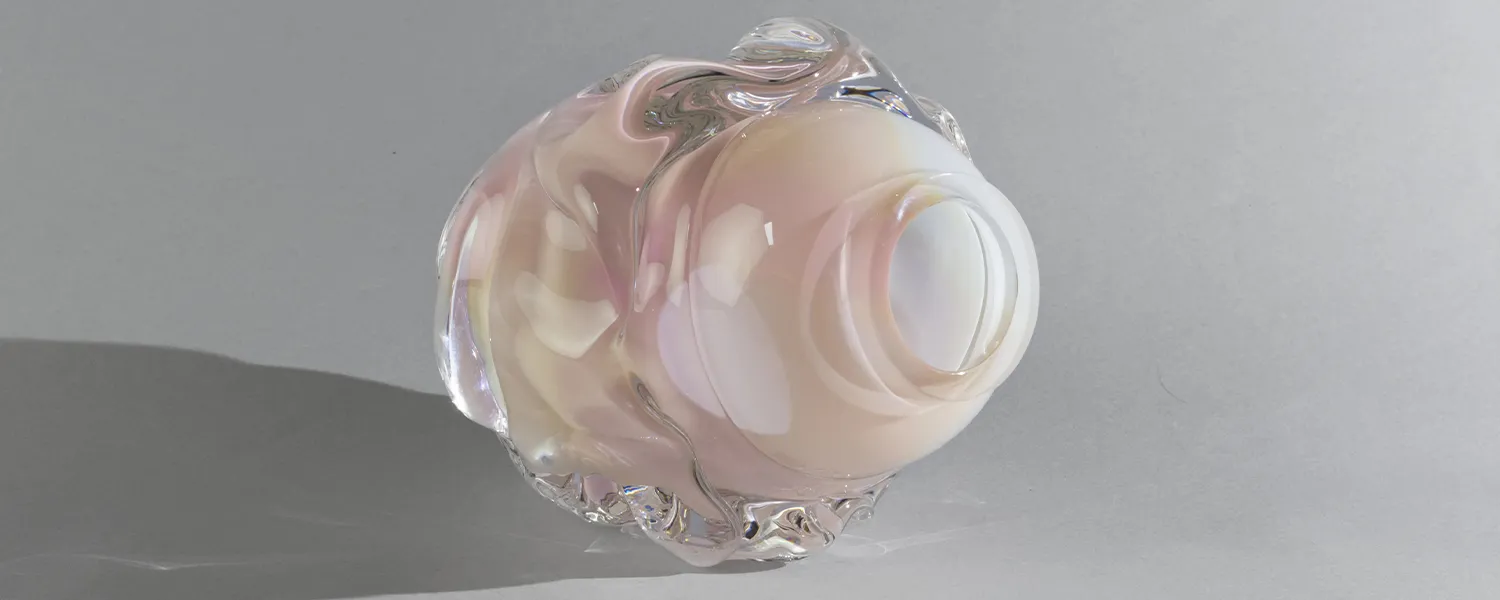
Shaped by hand from mouth-blown glass, Trdlik takes its name from a rolled Czech pastry, a playful reference for a serious piece of glassmaking. The form curls and folds on itself, and the pink deepens wherever the glass thickens. Notably, it comes in a wide range of tones, from purple-pink to crystal green.
€1.360 – €1.460 incl. tax
Supernova 4 Vase – Silver Smoke Red by ELOA – Unique Lights
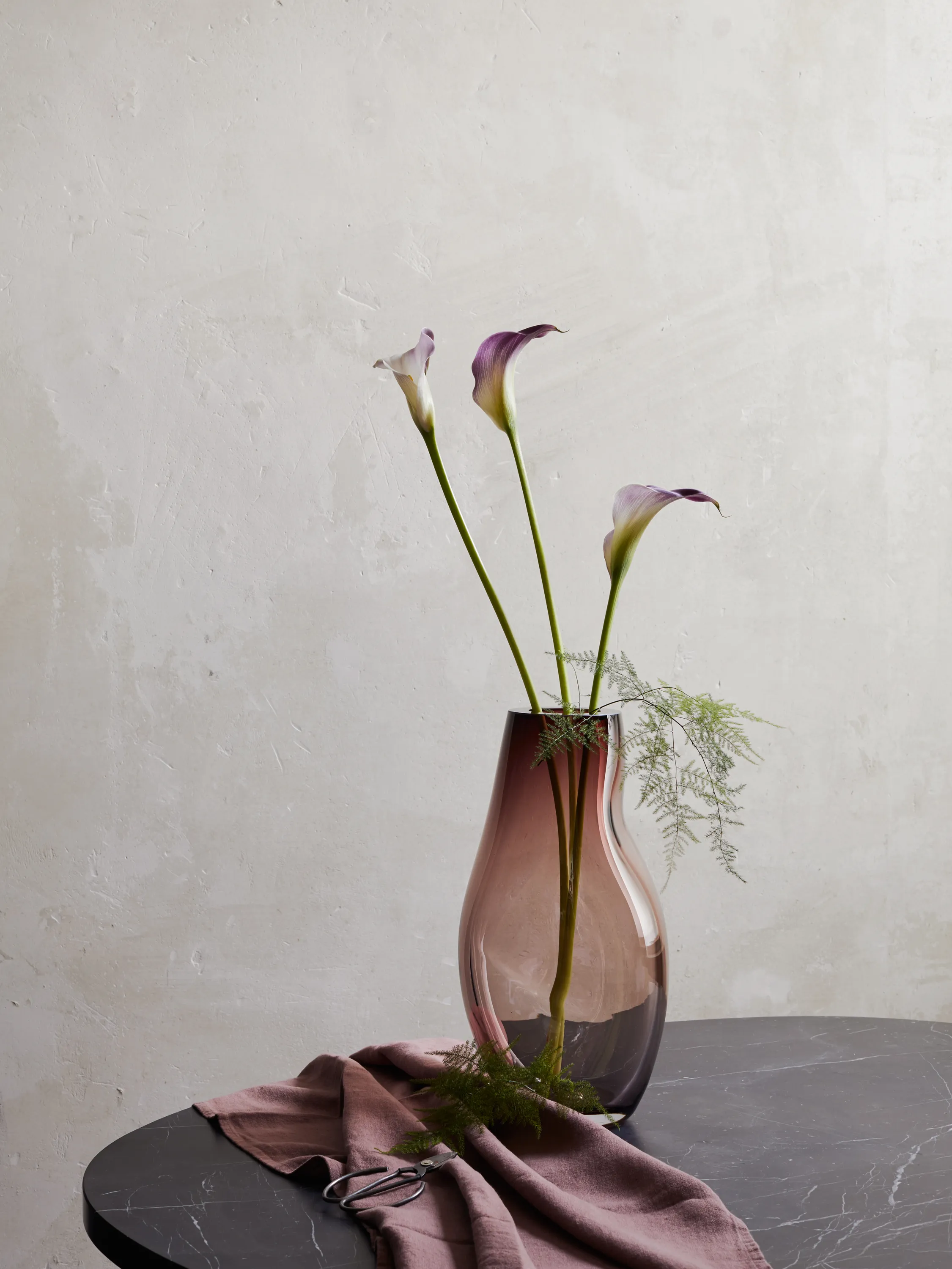
Blown glass in a smoky red that fades toward silver, so the vase holds both depth and haze at once. It is available in four sizes, from medium to XXL, alongside other hand-blown glassware. By contrast with the paler pieces here, it carries the deeper rose of blossoms just before they fall.
€760 – €1.365 incl. tax
Really Rococo Il – Recycled Textile Table by Studio Ebba Lindgren

Made from recycled textile, this table turns discarded fabric into a solid, sculptural material. Its ornamental profile nods to Rococo curves, while the color runs through the material itself rather than sitting on top. Moreover, it shows how sustainable design can carry color as convincingly as glass or lacquer.
€2.000 incl. tax
A Piece Of One Day_pray 03 – Acrylic Side Table by Saerom Yoon
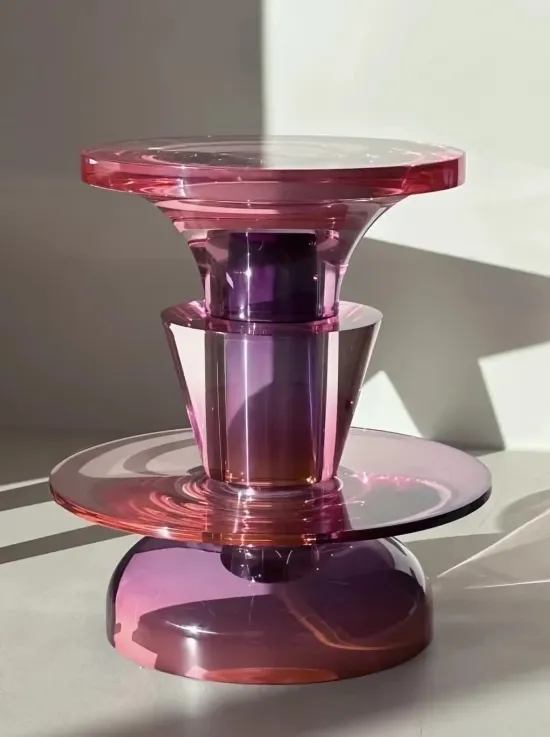
Built from layered acrylic, this side table holds light inside its body, so the color glows rather than rests on the surface. Part of the A Piece of One Day series, it treats a single moment as something worth keeping. Consequently, it reads as much like sculpture as furniture.
By Saerom Yoon
€10.430 incl. tax
Traces of the Blossom: Floral Forms
Floral references move through the selection in a natural way, shaping curves, edges, and surface treatments. Paper, porcelain, and tinted glass bring this language into focus, with forms that echo layering and organic growth. Each piece carries a sense of movement, as if held in a different phase of bloom.
Blossom Pendant Lamp in Washi Paper by Heike Buchfelder
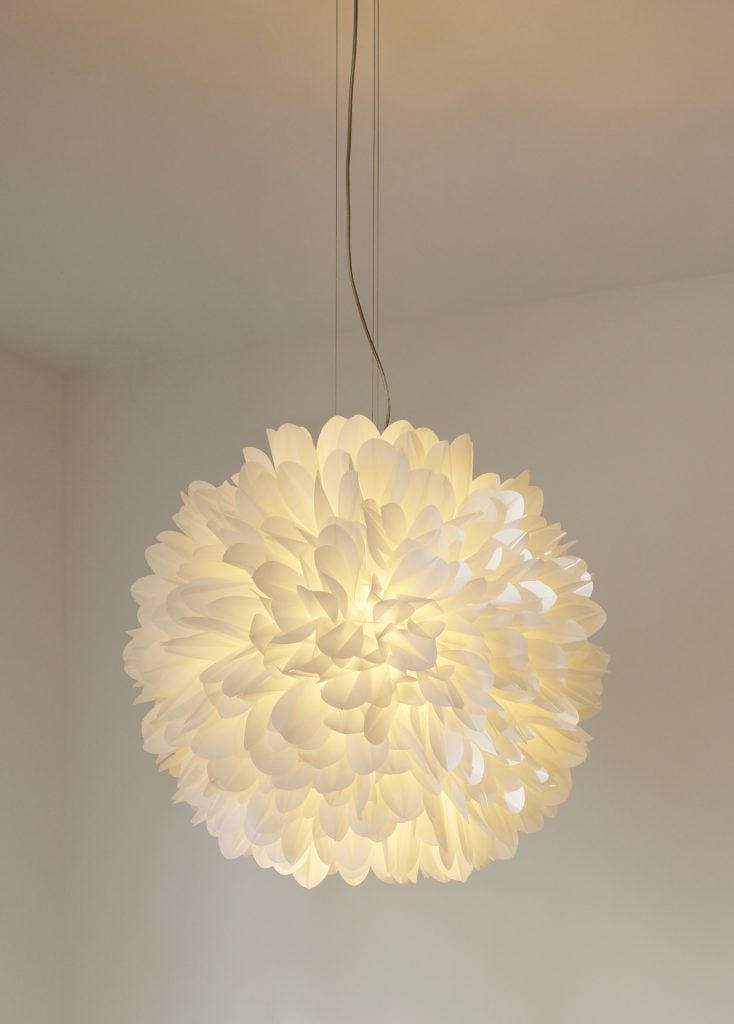
Folded washi paper petals open around the light source, turning a pendant lamp into something close to a bloom suspended above the table. The paper diffuses light into a warm, even glow. Indeed, it is the most literal nod to the blossom in this selection, and still the quietest.
€2.933 incl. tax
Chawan – Mass-tinted Hand-blown Glass Matcha Bowl by OOG Objects
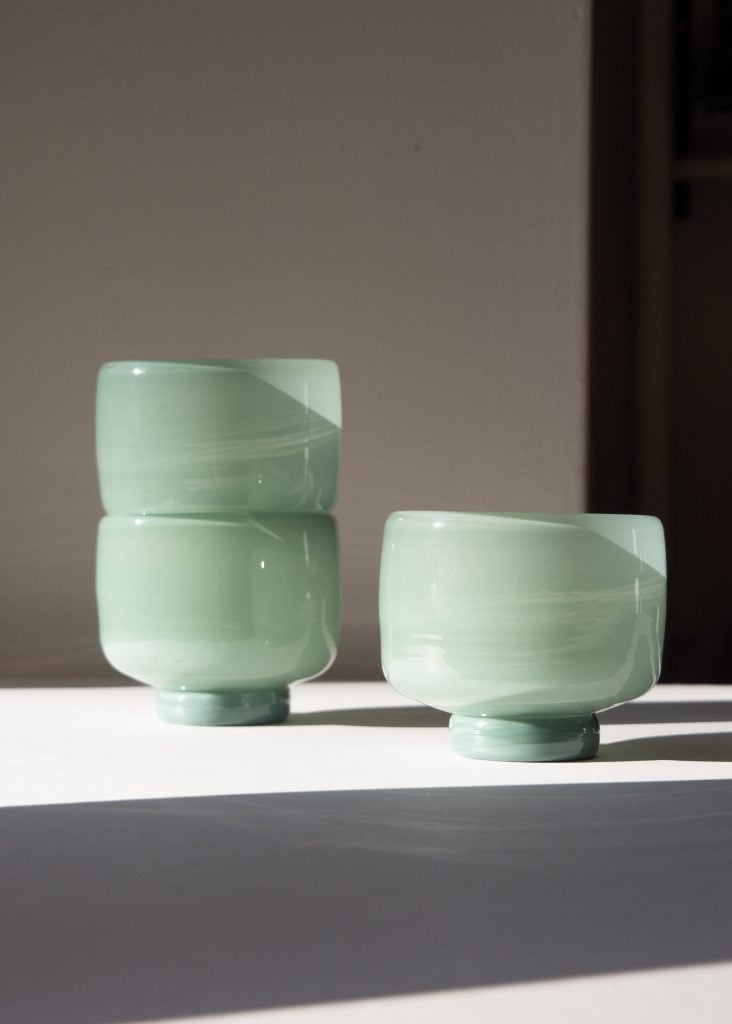
A chawan is the bowl used to whisk and drink matcha, and this one is hand-blown with color tinted through the whole mass of the glass. It catches light from every side, so the green of the tea and the tone of the glass mix in the hand. For more on the form, see our matcha bowl collection.
By OOG Objects
€200 incl. tax
Haven – Porcelain Dish Set of 4 by Schoemig Porzellan

Four porcelain dishes, fine and pale, made for small portions and shared plates. Their soft outlines recall petals gathered after they fall. Accordingly, they suit a spring table set for tea, sweets, or a slow hanami-style lunch.
€273 incl. tax
Room to Breathe: Light and Glass
There is a sense of openness across the selection. Iridescent glass and ambient lighting cast subtle changes in tone and reflection across a space, in the spirit of komorebi, the Japanese word for sunlight filtering through leaves. Each piece holds its place without crowding the room around it.
Bosei Ceiling Lamp in Gypsum by Studio AOAO
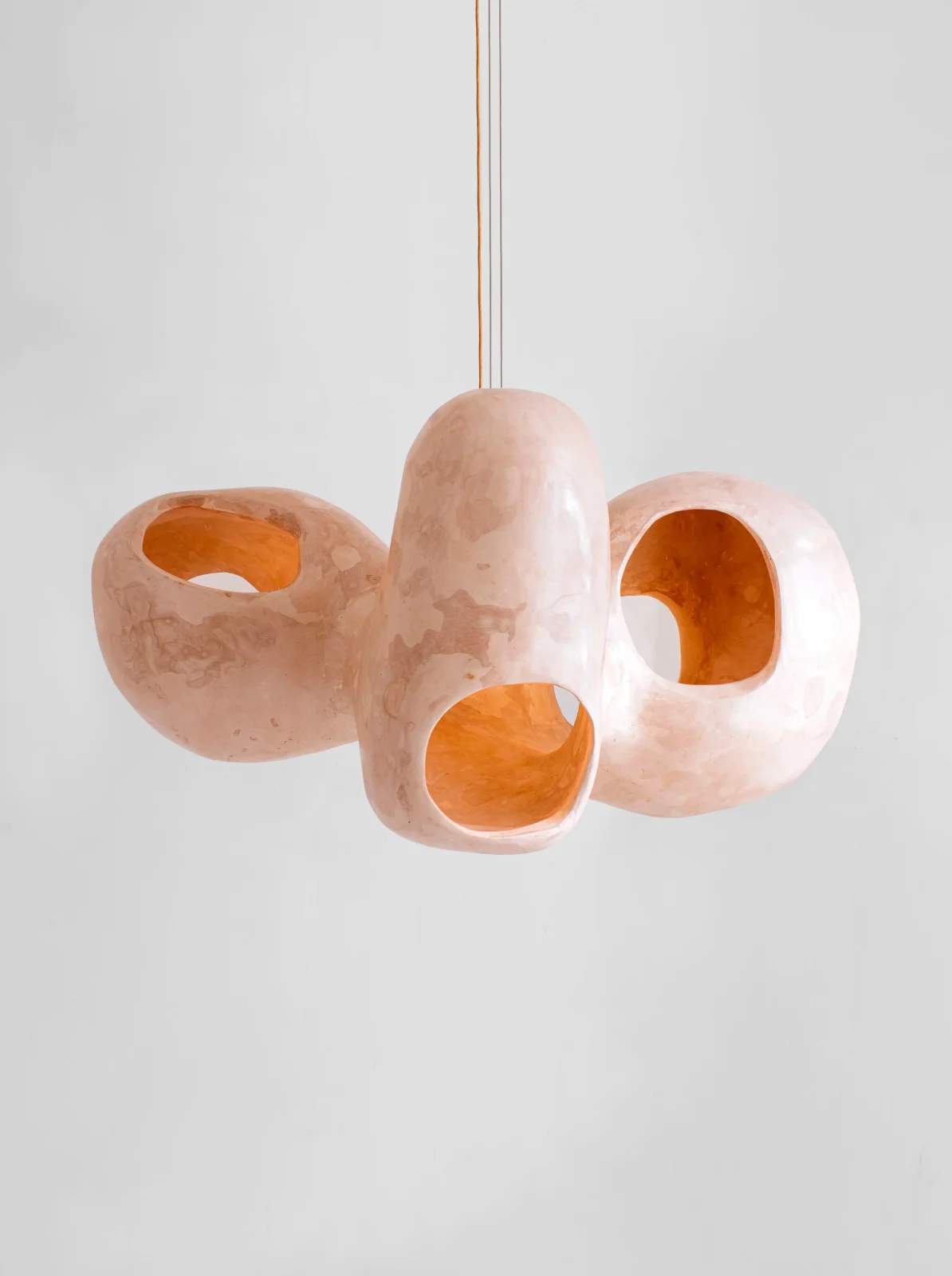
Sculptural pod forms in nude pink gypsum hang together as a single chandelier. The matte, chalky surface absorbs light rather than reflecting it, so the glow feels close to dusk. Available in medium and large, it anchors a dining room or a double-height space.
By Studio AOAO
€15.000 – €29.000 incl. tax
Liora II Sconce in Fabric and Glass by Atelier Alz

Fabric and glass meet in a wall sconce that softens light before it reaches the room. The textile layer adds texture and warmth, while the glass keeps the light clear. As a result, it works well in pairs beside a bed or along a hallway.
By Atelier Alz
€350 incl. tax
Kalia Table Lamp in Glass and Resin by Justyna Poplawska
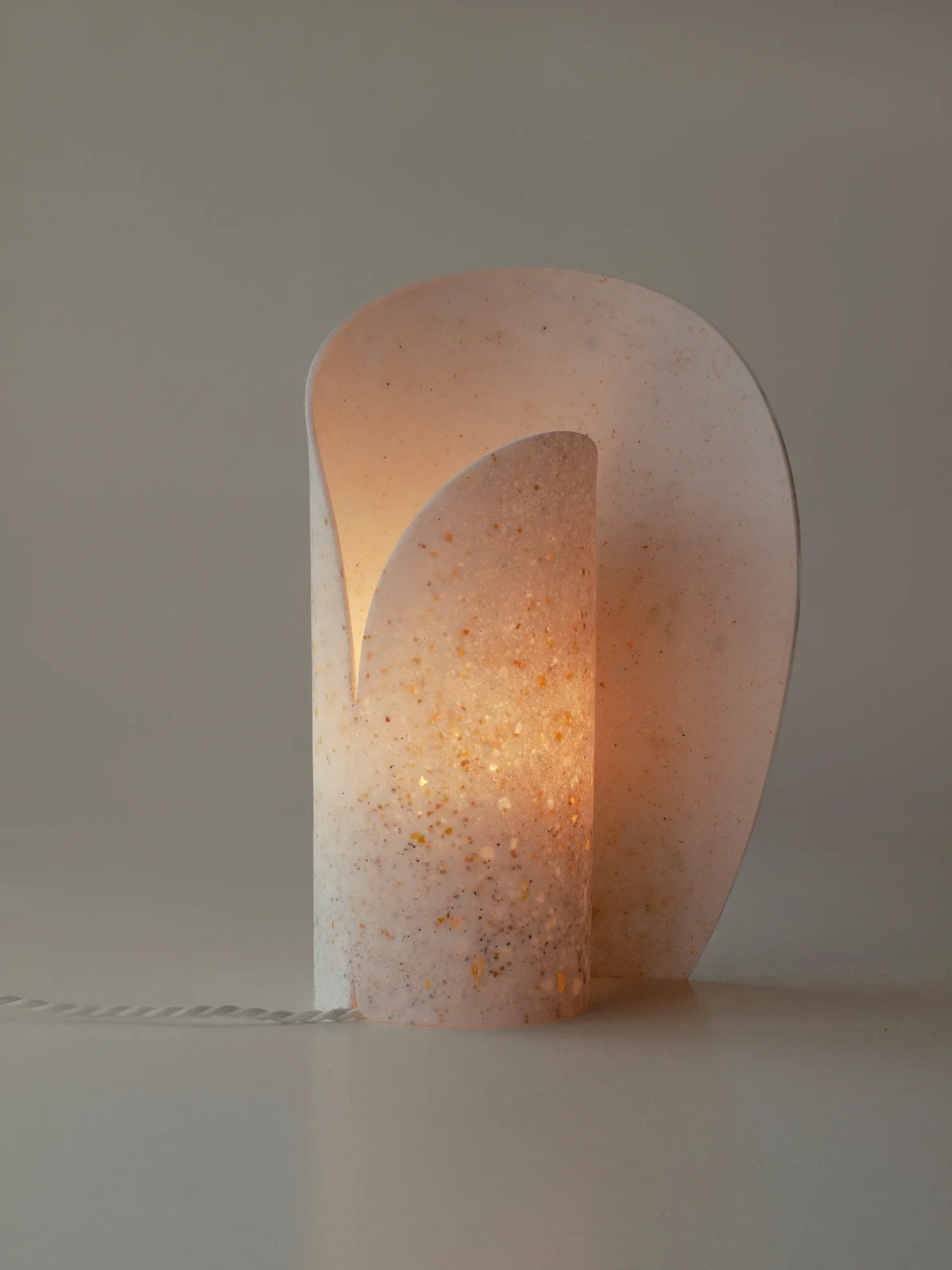
Glass and resin combine in a table lamp with a soft, rounded profile. Lit, the materials blur into one translucent glow; unlit, the lamp holds its shape as a sculptural object. Therefore, it earns its place on a side table by day and by night.
€536 incl. tax
Grounded and Balanced: Japandi Decor
A sense of discipline runs through these final pieces, drawing from Japanese-inspired contemporary design. In seating and sculptural objects, natural materials and controlled forms keep everything grounded, with a clear focus on function and proportion. This balance lets softer colors come forward without feeling fragile.
Shibui Vase by Deon Rubi
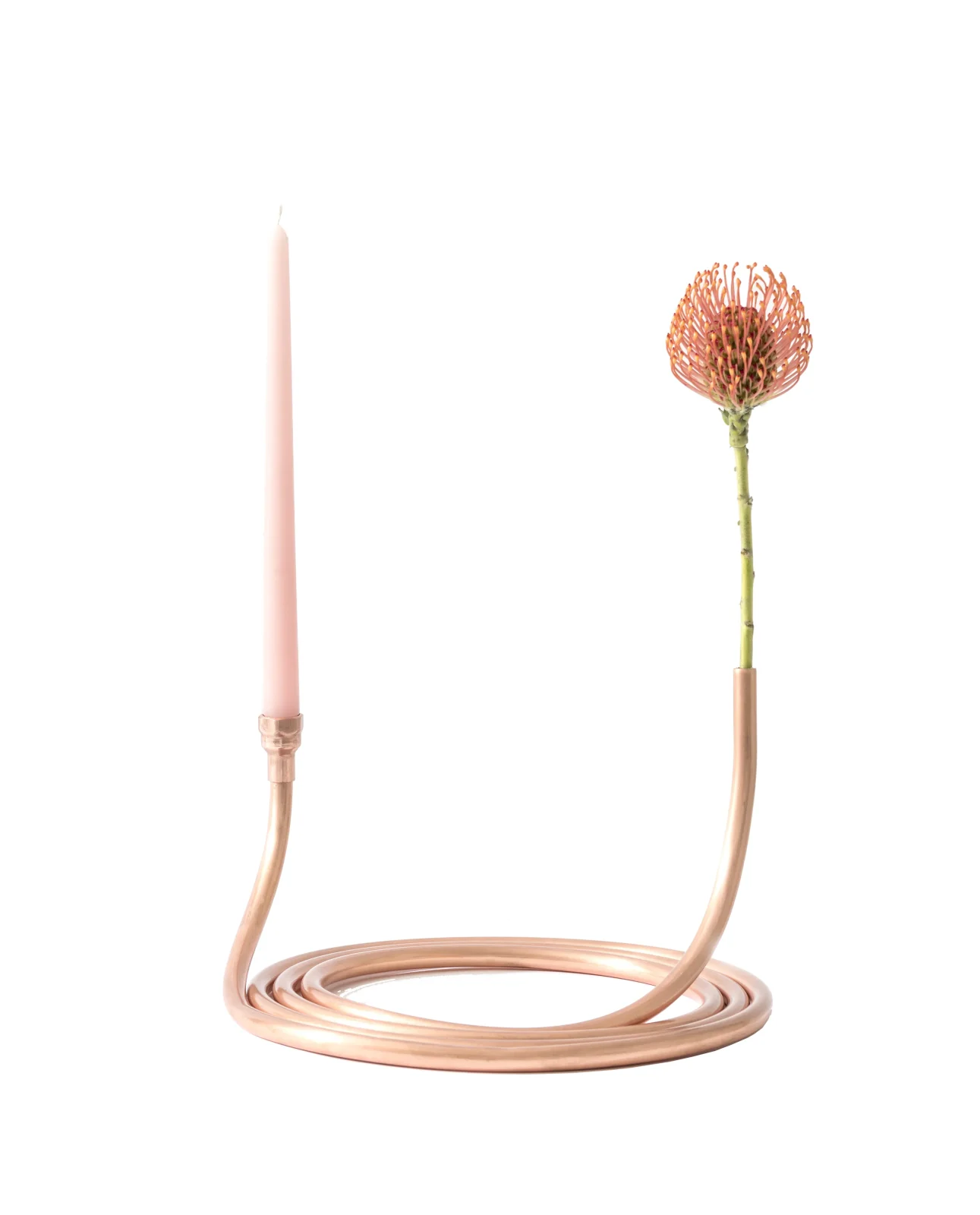
Shibui is the Japanese idea of subtle, unobtrusive beauty, the kind that reveals itself slowly. This vase takes the word as its brief, with a restrained form and quiet surface that reward a second look. Indeed, it sits as comfortably empty as it does holding a single spring branch.
By Deon Rubi
€350 incl. tax
Junco Stool by Daniel Couttolenc
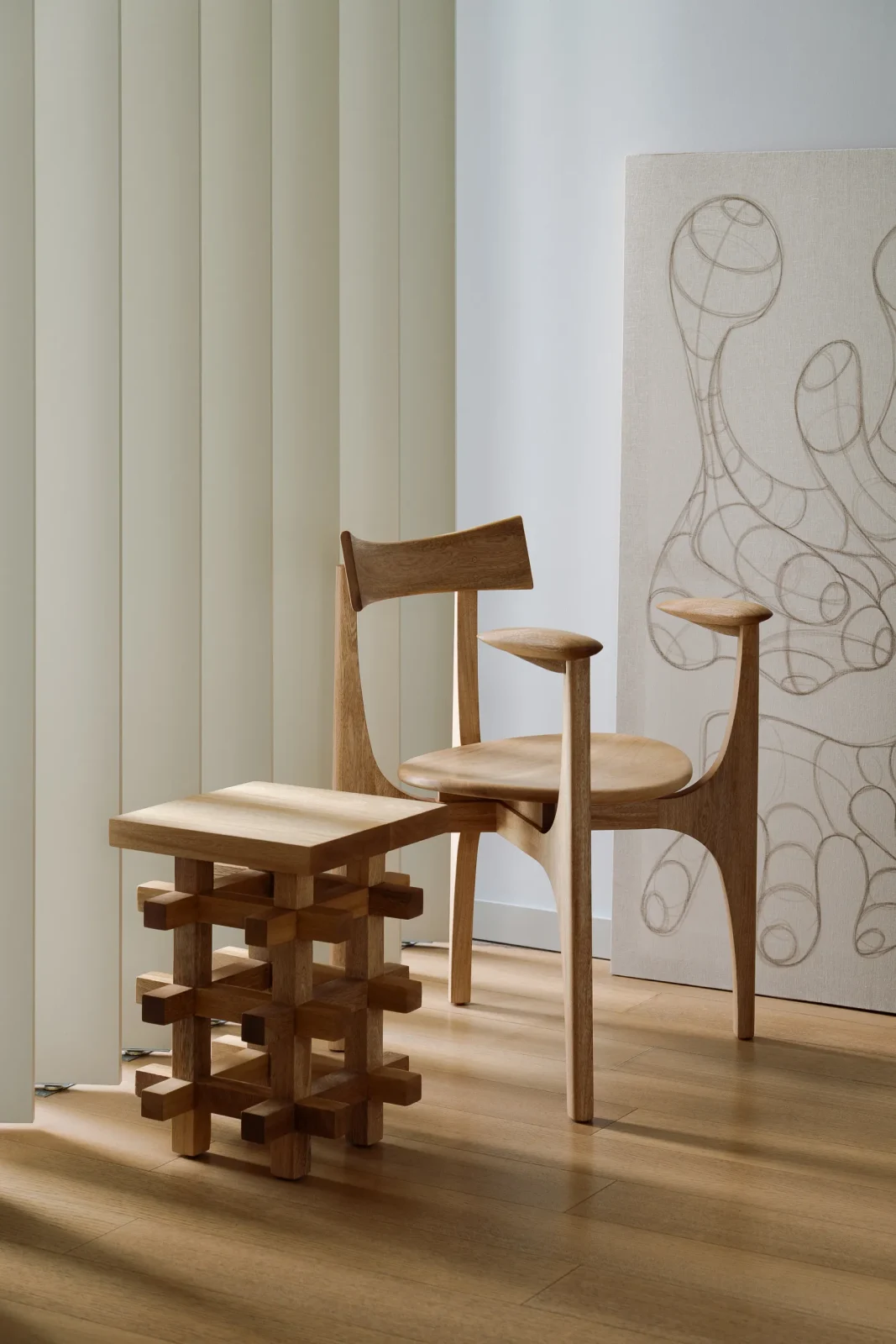
Made in solid wood, offered in Mexican oak, tzalam, or red oak with a cinnamon tint, this wooden stool rests on a clean, grounded profile. The grain stays visible and tactile. Altogether, it supplies the structure a pastel-leaning room needs, in the same spirit as Japandi furniture.
€1.500 incl. tax
Styling cherry blossom decor room by room
Living room
Build the living room around one anchor, such as a glass coffee table or a single statement vase, and let the rest stay neutral. Soft pink reads best against warm white, pale wood, and linen. By contrast, too many pink accents at once flatten the effect.
Dining table
Set the table for spring with porcelain dishes, a glass matcha bowl, and one pink vase holding a cut branch at the center. A paper or gypsum pendant overhead adds the low glow of an evening hanami.
Bedroom
Wall sconces free up nightstand space and keep light low and soft. Pair them with a small vase or a single ceramic object, and keep the palette pale so the room stays restful.
Entryway and home office
A single sculptural piece sets the tone the moment you walk in: a vase on a console, or a glass lamp on a home office desk. In small spaces especially, one well-chosen object does more than several.
Caring for glass, paper and porcelain
Hand-blown glass
Wash by hand in lukewarm water with a mild soap, and avoid sudden temperature changes, which can stress thick glass. To prevent mineral rings inside a vase, empty and dry it after each bouquet.
Washi paper lamps
Dust with a soft, dry brush. Keep paper lamps away from humidity and direct water, and use a low-heat LED bulb to protect the fibers over time.
Porcelain dishes
Most fine porcelain handles gentle washing, but check the maker’s guidance before using a dishwasher. When stacking, place a soft cloth between pieces to prevent chips.
Wood and textile
Keep solid wood out of direct sun and away from radiators to limit fading and cracking. Vacuum textile surfaces lightly and treat marks promptly with a barely damp cloth.
Frequently asked questions
When is sakura season in Japan?
Cherry blossoms usually bloom from late March to early April in Tokyo and Kyoto, moving north to reach Hokkaido by early May. Peak bloom lasts about a week in any one place, depending on the weather.
What is Japanese home decor?
Decor rooted in Japanese aesthetics: natural materials, restraint, open space, and a close relationship with the seasons. Paper, wood, ceramic, and glass are central, and each piece is chosen for how it sits in a room as much as for how it looks.
What is the difference between Japandi and Japanese decor?
Japanese decor draws directly on Japanese traditions, from washi lamps to low furniture. Japandi style blends that approach with Scandinavian design, adding pale woods and everyday comfort. Both favor clean lines and natural materials.
How do I decorate with cherry blossom colors without it feeling too sweet?
Use pink as an accent against warm neutrals, and lean on material, such as glass, porcelain, or paper, rather than printed blossom motifs. Grounding pieces in solid wood keep the palette balanced.
What is wabi sabi decor?
Wabi sabi decor finds value in imperfection, age, and change. It favors handmade pieces, irregular surfaces, and natural materials that develop character over time. Read more in Wabi Sabi: The Beautiful Foolishness of Things.
What flowers go in a pink glass vase?
Cherry or plum branches, ranunculus, peonies, and sweet peas all suit pink glass. For a Japanese approach, use a single branch or stem and leave space around it, in the spirit of ikebana.
A Change in the Air
There are certain words in Japanese that do not translate cleanly into other languages, each capturing a specific way of seeing and feeling. Mono no aware speaks to the awareness of passing moments, while wabi sabi finds value in wear, irregularity, and change. Komorebi describes sunlight filtering through leaves, a fleeting pattern that exists for only a moment before it moves on.
These ideas do not need to be named to be present. They appear in the softness of color, in restraint, in the way each piece holds space without excess. The result is not a direct reference to sakura season, but something closer to its atmosphere: a sensitivity to timing, to light, and to the passing of things as they arrive and as they fade. For more pieces in the same palette, browse our pastel gifts or pieces by designers from Japan.
Shop the Sakura Season Selection
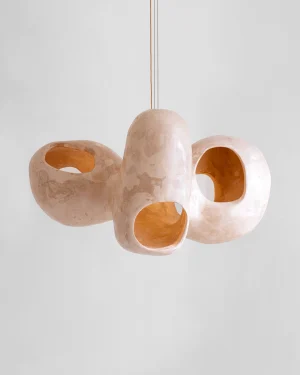
Bosei Chandelier in Gypsum
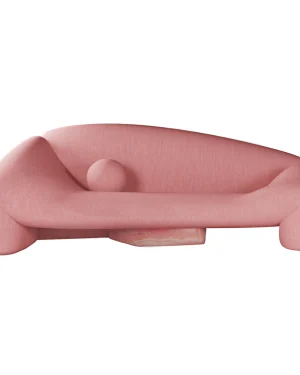
Jell – Asymmetric Sofa With Stone Finish
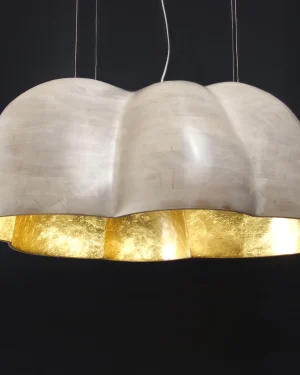
N2 Cloud Ceiling Lamp in Cherry Wood and Gold Leaf
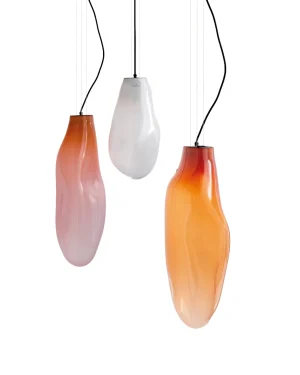
Lyra Pendant Lamp Set of 3 in Blown Glass
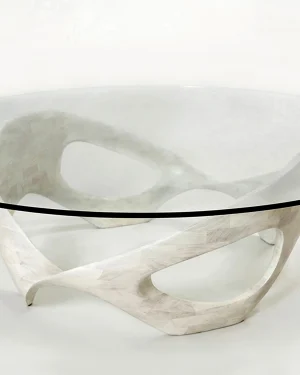
N2 Coffee Table in Cherry Wood and Glass
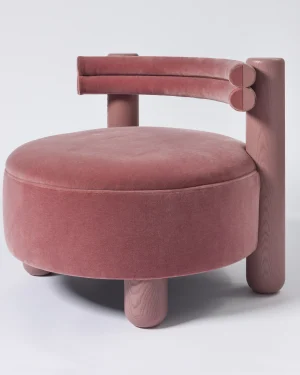
Mt Curve Big Chair In Ash Hardwood And Mohair Velvet
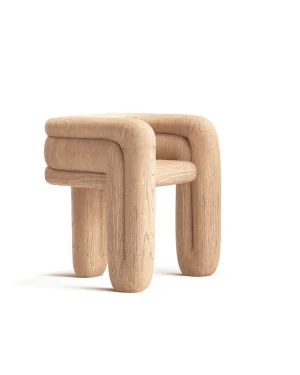
Enigma – Oak Chair
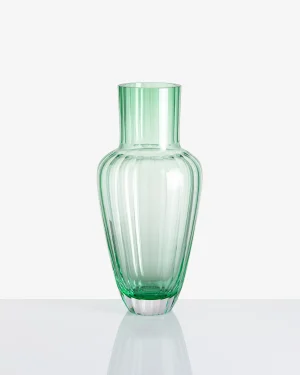
Garden – Hand Cut Unique – Emerald – Edition Brutalism
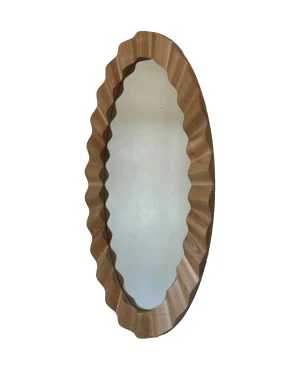
Ruffles – Cherry Wall Mirror
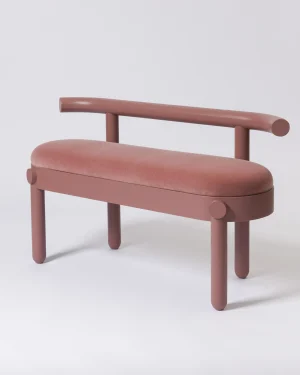
Mt Curve Bench In Ash Hardwood And Mohair Velvet
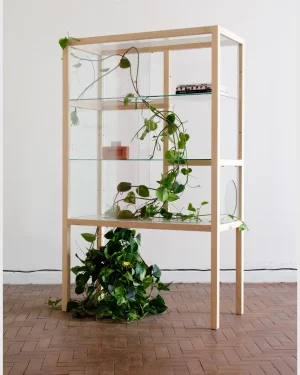
Simbiose Glass Cabinet
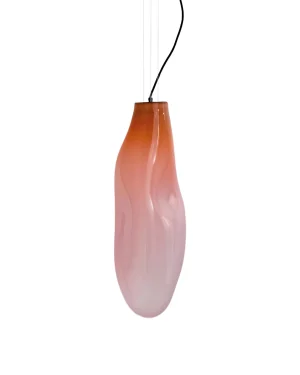
Lyra Single, Flamingo Opaque Pendant Lamp in Blown Glass
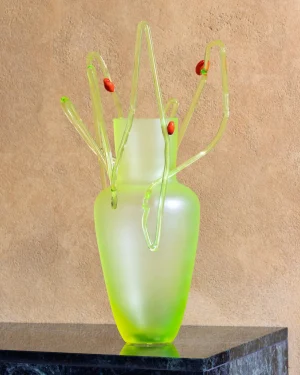
Garden Artistic Vase-object – Flame
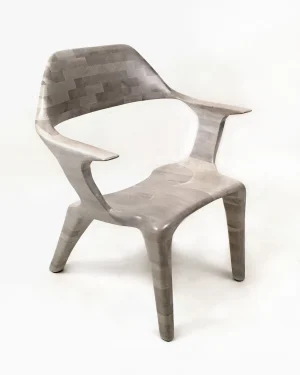
D2 Lounge Chair In Bleached Cherry
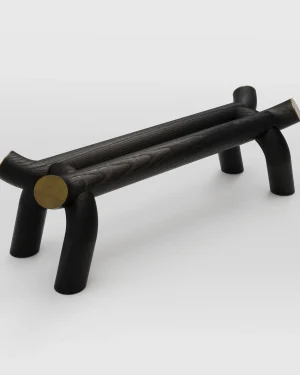
Torii Bench
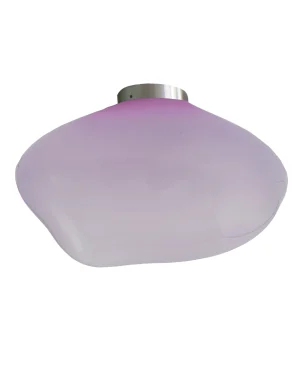
Haumea Convex Ceiling Lamp (Flieder Opaque) in Blown Glass