


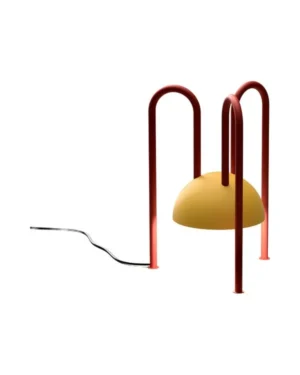
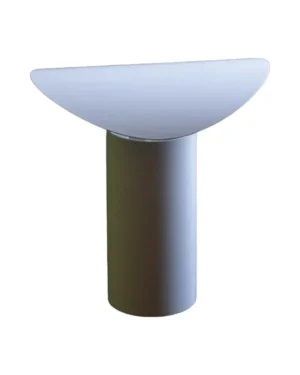
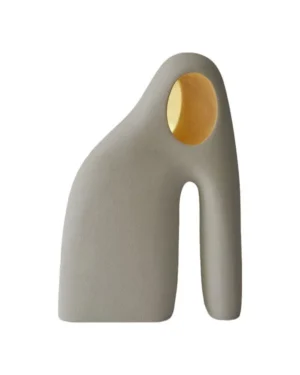
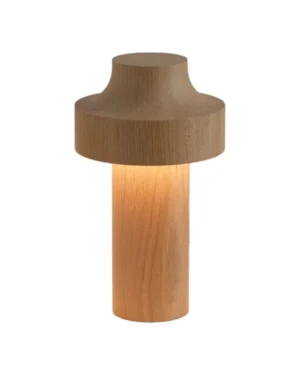
-
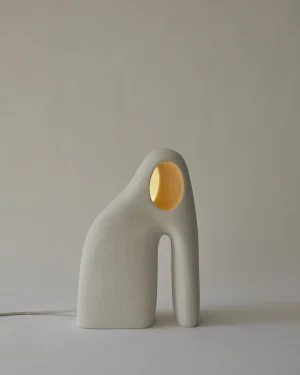
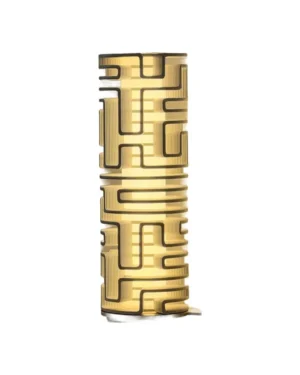
Nomad Ⅱ:02 Table Lamp in Stoneware
By SK - Sofia Karnukaeva
€2.480 -
 In stock
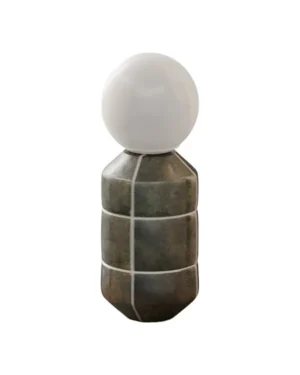
SONIAH Table Lamp in ZTISTA Biocomposite
By FAINA
€3.000 -

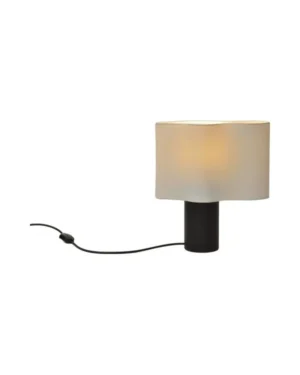
Taruh Table Lamp in Clay
By Andrei Clontea STUDIO
€900 -
 In stock
Abyss No. 4 Table Lamp in Stoneware
By Ceren Gürkan
€1.600 -
 In stock
Abyss No. 7 Table Lamp in Stoneware
By Ceren Gürkan
€1.100 -
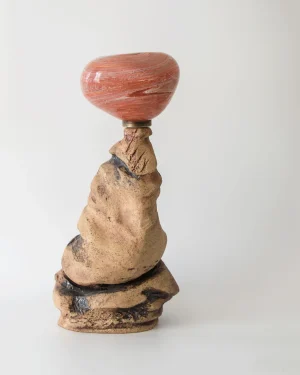 In stock
Abyss No. 8 Table Lamp in Stoneware
By Ceren Gürkan
€1.500 -
 In stock
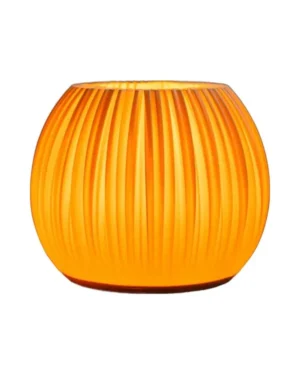
Soul Table Lamp in Handblown Glass
By Ceren Gürkan
€700
Clay bedside lamps carry the mark of the hand that shaped them, built up by hand in slabs and coils. Studios working in clay favor stoneware bodies, finished with glazes that range from chalky matte to glassy and pooled, so no two surfaces catch light the same way. The base is fired, not molded from a single cast, which gives each lamp a slight asymmetry and a weight that plastic or metal rarely has.
What defines a clay lamp base
Clay starts as a wet, workable material and ends as something closer to stone, fixed by heat rather than drying alone. Hand-building leaves visible seams, finger marks or a gentle wobble in the wall thickness, and no two forms are ever quite symmetrical. Either way, the base carries real mass, which is useful on a nightstand, where a lamp gets knocked, reached for in the dark and switched on half asleep.
Glaze is where the color lives. A single clay body can emerge white, off-white, gray or a warmer yellow depending on the minerals in the glaze and how the kiln is fired, and the same recipe can shift slightly from one batch to the next. That variation is not a flaw in the material; it is the reason two lamps from the same studio are never quite identical.
The range of clay, stoneware and related finishes
Alongside clay, related bedside lighting on ADORNO includes stoneware fired at higher temperatures for a denser, less porous body, often paired with blown glass. Some studios pair a clay base with a blown glass diffuser or a brass fitting, mixing a hand-formed material with a turned or cast one. Styles run from contemporary and wabi-sabi, where the surface is left uneven on purpose, to radical and brutalist forms with heavier, more sculptural lines. Editions vary too: some lamps are unique pieces, no two alike by design, others are made in small or open runs from a shared mold or template.
Choosing a clay bedside lamp
Scale matters more on a nightstand than anywhere else in the bedroom, since the lamp sits close to eye level and gets handled daily. A good starting point:
- Match the base height to the nightstand: low and wide for a narrow surface, taller for a deeper one, so the shade sits roughly at eye level when seated in bed.
- Check the base diameter against the nightstand's edge; a wide foot needs more clearance than a slim column.
- Pick a glaze that reads well in the room's existing light, since matte surfaces soften daylight while glossy glazes bounce it.
- Confirm the switch is easy to find without looking, usually on the cord or at the base rather than under the shade.
Where these lamps work
Clay bedside lamps belong, unsurprisingly, beside the bed, but the same forms turn up as reading lights in a study or as a quieter accent on a console in a living room. Their weight and warmth suit rooms built around natural materials: wood floors, linen, wool. A full view of bedside lighting, including clay pieces, sits under all bedside lamps, and lamps chosen specifically for sleeping spaces are gathered under bedroom bedside lamps.
Living with and caring for clay
Fired clay is stable but not indestructible; a glazed surface resists stains and daily handling well, though an unglazed base can absorb oils from hands over time and darken slightly. Wipe with a dry or barely damp cloth, avoid soaking the base, and keep it away from sudden temperature swings that can stress the glaze. Those drawn to a particular glaze or body across other rooms can look through every clay piece on ADORNO, or narrow a lamp search further through contemporary bedside lamps or the wider range of clay table lamps for other rooms.
How do I choose a clay bedside lamp?
Look at the weight and the glaze first, since both affect how the lamp sits on a nightstand and how it reads in low light. A heavier, more matte base suits a quiet room; a glassy glaze throws more reflection.
How do I care for a clay lamp base?
Dust with a dry or barely damp cloth and keep glazed surfaces away from harsh cleaners, which can dull the finish over time. Avoid soaking the base, since unglazed clay underneath can absorb water.
Is clay a durable material for a bedside lamp?
Fired clay is closer to stone than to its wet starting state, so it holds up well to daily handling. It can chip if dropped on a hard edge, but the weight that makes it stable also makes that unlikely on a nightstand.
What size and height works for a bedside lamp?
Most bedside lamps sit low enough that the shade falls near or just below eye level when seated in bed, which keeps the bulb out of direct view. Check exact measurements on the piece's page before ordering.
Which rooms suit a clay bedside lamp?
Clay bases work wherever a soft, grounded light is useful, bedrooms most of all, but also reading nooks, studies or a console table in a living room.
How does buying from ADORNO work, and can I ask about a specific lamp?
Shipping is insured and worldwide, returns are accepted within 14 days except on made-to-order pieces, and each lamp comes with a certificate of authenticity under a lowest-price guarantee. For details on a specific lamp, use Chat with the maker on its page.