-
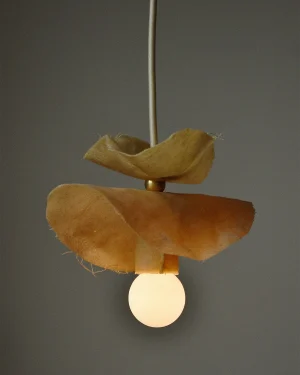
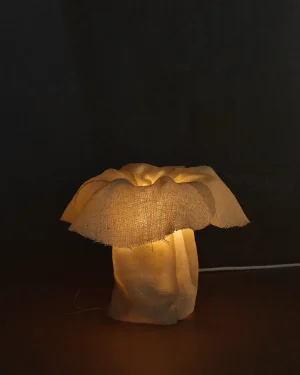
Judie Pendant Lamp in Cotton
By Atelier Alz
€200 -
 In stock
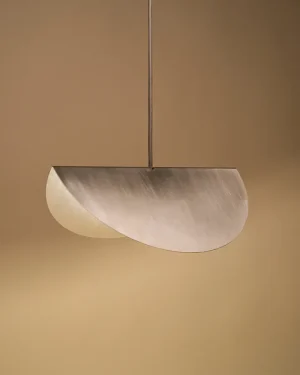
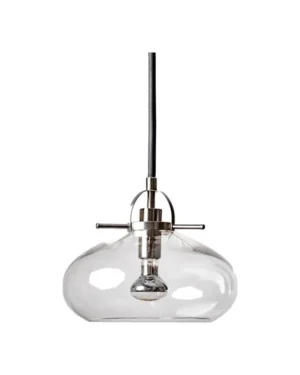
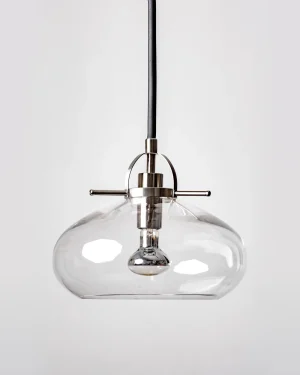
Art Deco Pendant Lamp in Glass and Stainless Steel
By Szostak Atelier
€1.000 -
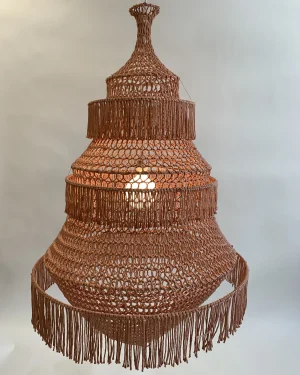
Typha Pendant Lamp in Cotton Rope
By Annie Legault
€1.907 -

Florance I Ceiling Lamp in Brass, Glass and Fabric
By Atelier Alz
€575 -
 In stock
Large Pendant Lamp in Blown Glass and Textiles
By SVITANOK
€375 - €500 -
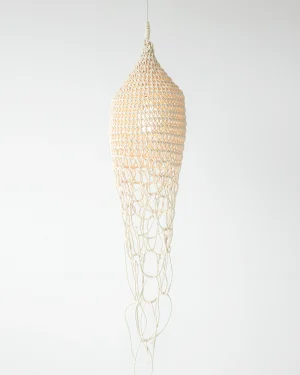
Meduse Pendant Lamp in Cotton
By Annie Legault
€700 -
In stock
Medium Pendant Lamp in Blown Glass and Textiles
By SVITANOK
€300 - €415 -

Echin Pendant Lamp in Cotton and Glass
By PletoStudio
€1.100 -
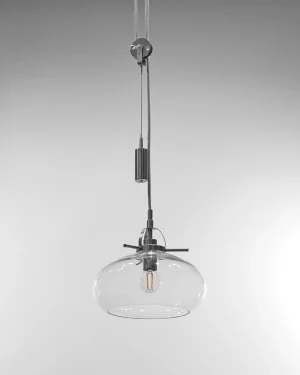
Art Deco Pendant Lamp with Weight in Glass and Steel
By Szostak Atelier
€1.400€1.330 -

Lomo Pendant Lamp In Ash Wood And Wool
By Natural Urbano - Sebastián Beltrán
€400 -
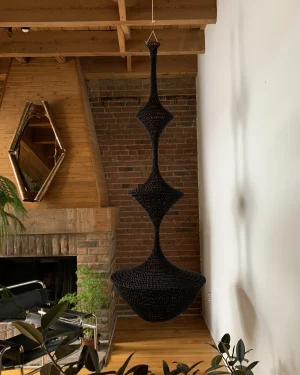
Briza Pendant Lamp in Cotton
By Annie Legault
€2.250 -
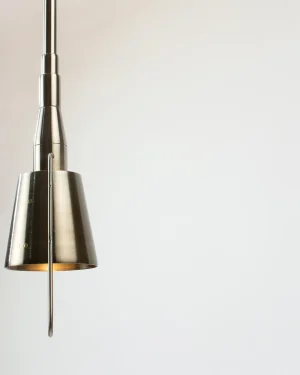
Suspension Pendant Lamp in Stainless Steel
By Szostak Atelier
€1.000 -
 In stock
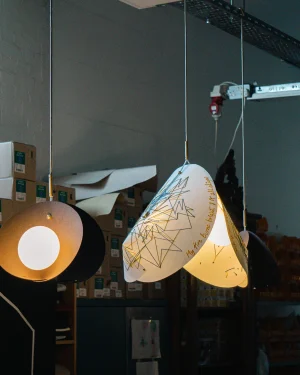
Concha Embroidure Pendant Lamp in Paper and Brass
By MESEME by Riya Panchal
€788 -
 In stock
Ic-4 Pendant Lamp In Resin, Foam And Natural Fibers
By Studio Josha
€8.250 -
Small Pendant Lamp in Blown Glass and Textiles
By SVITANOK
€279 - €345 -
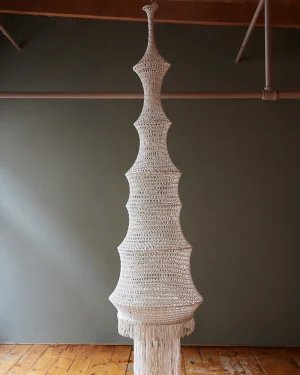
Melica Pendant Lamp in Cotton
By Annie Legault
Price Upon Request -
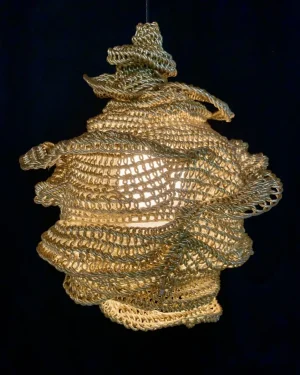
Auræ Pendant Lamp in Glass and Textiles
By Annie Legault
Price Upon Request -
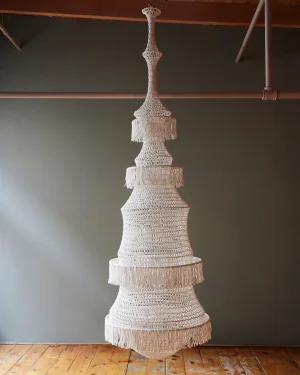
Luzule Pendant Lamp in Cotton Rope
By Annie Legault
Price Upon Request -
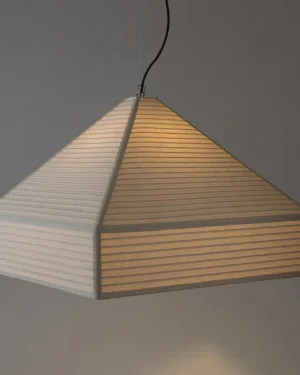
Pyramid Pendant Lamp In Textiles
By NASSI LAMPS
€1.049 - €1.575
Textile pendant lamps gather cotton, rope and natural fiber into a single shade, made by studios working in macramé, embroidery, hand assembly and biofabrication rather than metal or glass. The fiber itself shapes the light, loosening it into a softer, more scattered glow than a hard shell allows. Across the range, what holds constant is the hand: knotted, tufted or braided, each shade carries the trace of the person who made it.
What defines a textile pendant lamp
Cotton, natural fiber and synthetic fibers behave differently under light. Open weaves let more through and cast a dappled pattern on ceiling and wall; tighter weaves or lined shades hold the light back and glow at the seams instead. Rope and macramé pieces often leave gaps by design, so the fixture reads as sculpture by day and as a grid of warm points after dark.
Color in this material runs toward off-white, beige, brown, terracotta and black, with gray, blue and gold appearing as accents rather than dominant tones. Styles lean boho chic, eclectic and romanticism on one side, sustainable and neo-industrial on the other, with plenty of contemporary, minimalist and modern shades sitting between the two. None of this is incidental: the knot pattern, the fiber's natural color and the density of the weave are what set the mood, more than any added pigment.
The range of materials and techniques on ADORNO
Within textile and natural fiber pendants, you find shades built from cotton, cotton rope, wool-adjacent synthetic fibers and raw natural fiber, sometimes paired with blown glass diffusers or a stainless steel frame for structure. Techniques include textilework, metalwork for armatures, glassblowing where glass is part of the build, macramé, hand assembly, paperwork, embroidery and biofabrication for newer, grown materials. Editions move between open runs, limited editions and unique pieces, so the same technique can turn up as a repeatable shade or as a one-off, depending on the studio.
For a wider view of what independent studios are doing with cord, cane and cloth across lighting, seating and tables, the full range of textile and natural fiber pieces sits outside lighting alone.
How to choose a textile pendant lamp
Scale first: a shade with a wide diameter reads as a single statement and wants space around it, while a narrower cone or dome suits a tighter corner or a row of three over a counter. Hanging height matters as much as the shade itself — low enough over a dining table to warm the surface without blocking sightlines, higher over a sofa or stair run where heads pass beneath.
Finish decides how much light escapes. A dense weave or lined shade throws a calmer pool downward; an open rope or macramé structure spreads light sideways and up, which suits a room that wants ambient glow rather than a single bright circle. Placement follows from there: a plain cord and simple canopy sit well against most ceilings, so the shade itself carries the room.
Where these pendants work
Woven and knotted shades suit rooms built around texture already — a living room with linen upholstery, a dining area with oak or rattan furniture, a bedroom where a softer light at low wattage reads as restful rather than clinical. Rope and cotton pendants also hold their own in entryways and stairwells, where a textured object at eye level does more than a flush ceiling fixture ever could.
Caring for woven and natural fiber shades
Dust settles into the weave over time, so a soft brush attachment or a light vacuum on low suction keeps the fiber from dulling. Direct sun fades natural color unevenly, so a shade near a south-facing window will shift faster than one set back from the glass. Keep these pieces away from damp bathrooms or uncovered kitchens, where humidity and grease shorten the life of untreated cotton and rope.
For the wider format these shades belong to, the full range of pendant lamps covers ceramic, glass, metal and wood alongside textile, while contemporary pendant lamps and textile lighting more broadly show how the same fibers turn up in table and floor formats too.
How do I choose a textile pendant lamp?
Decide how much light you want to pass through versus hold back. Open weaves and macramé cast dappled patterns, while tighter weaves or lined shades glow softly at the seams instead.
How do you clean and care for a textile pendant lamp?
Dust regularly with a soft brush or vacuum attachment, and keep the shade away from damp or direct sun, which can fade natural fiber and weaken knots over time.
What size pendant lamp do I need, and how low should it hang?
Over a table, leave about 28 to 34 inches between the tabletop and the bottom of the shade; in open areas, allow enough headroom for comfortable passage below.
Which rooms suit a textile pendant lamp?
Their warmth suits living rooms, bedrooms and dining spaces, anywhere a softer, scattered light is welcome over a hard, direct beam.
Can I get a textile pendant lamp custom made?
Some studios take custom requests in size, fiber or color. Chat with the maker on the piece's page to confirm what is possible.
What are ADORNO's shipping and return policies for pendant lamps?
Shipping is insured and worldwide. Pieces can be returned within 14 days, except made-to-order items, and each comes with a certificate of authenticity and a lowest-price guarantee.