
-
Two Circles Pendant Lamp in Stainless Steel
By Georgiev Kiril
€490€441 -
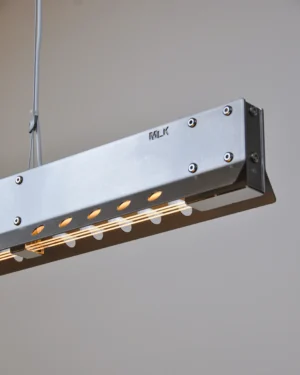
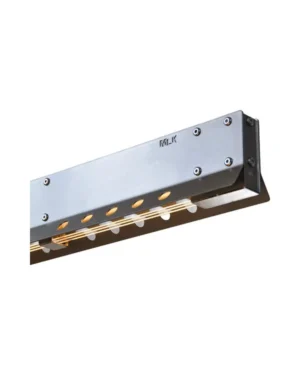
Ne1250/145 Pendant Lamp In Steel And Acrylic
By MLK Furniture
€1.390 -
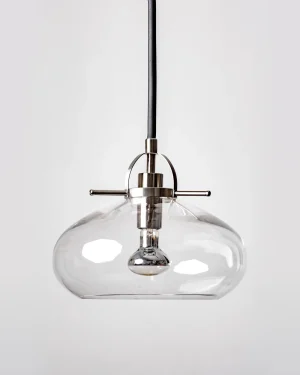 In stock
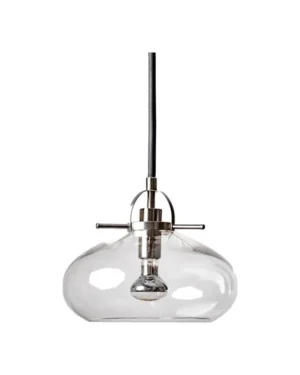
Art Deco Pendant Lamp in Glass and Stainless Steel
By Szostak Atelier
€1.000 -
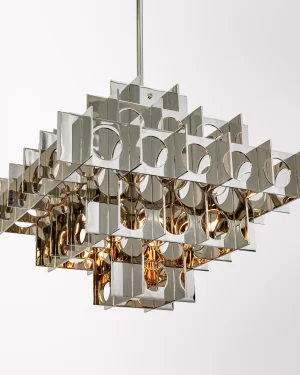
Tenfold 5 T Pendant Lamp in Stainless Steel and Aluminum
By Luft Tanaka Studio
€4.440 - €11.000 -
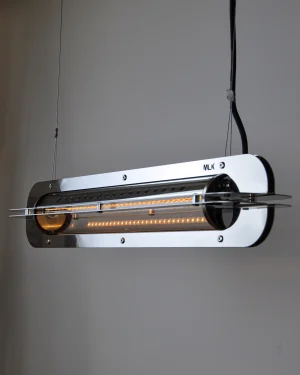
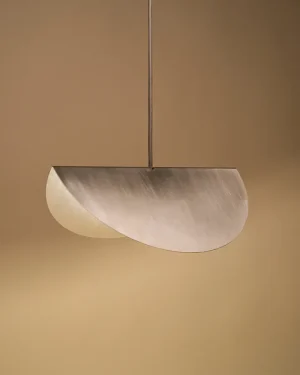
Pill600 Pendant Lamp In Mirror Stainless Steel
By MLK Furniture
€1.090 -
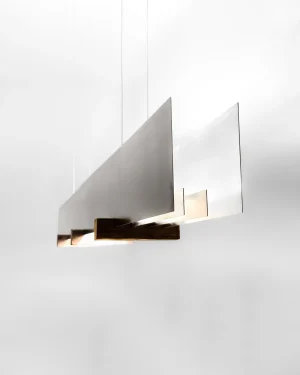
Linear Ceiling Lamp (extra Large) in Aluminum and Wood
By case studios
€1.210 - €1.910 -
 In stock
Lumix Ceiling Lamp in Stainless Steel
By Pablo Sinan Design
€365 -
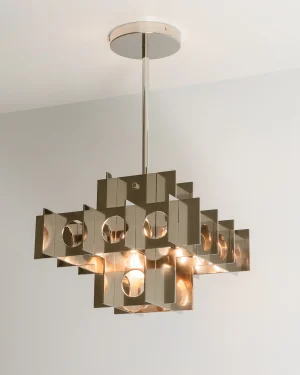
Tenfold 3 T B Pendant Lamp in Stainless Steel and Aluminum
By Luft Tanaka Studio
€2.895 - €8.675 -
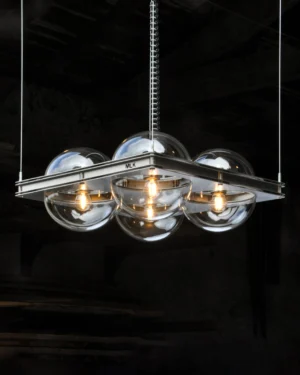
Bbl200x04 Pendant Lamp In Stainless Steel And Acrylic
By MLK Furniture
€2.400 -
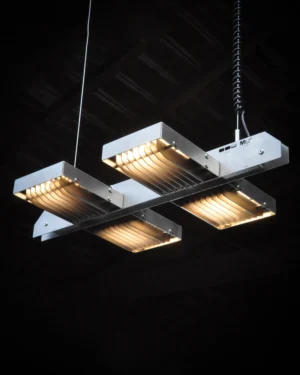
Ads200x04 Pendant Lamp In Matte Steel
By MLK Furniture
€2.400€2.040 -
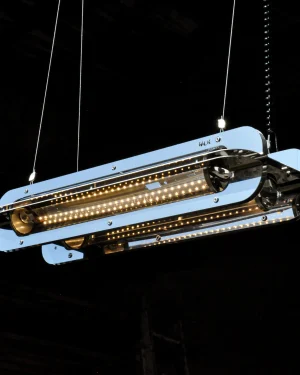
Pill600x2 Pendant Lamp In Mirror Stainless Steel
By MLK Furniture
€1.890 -
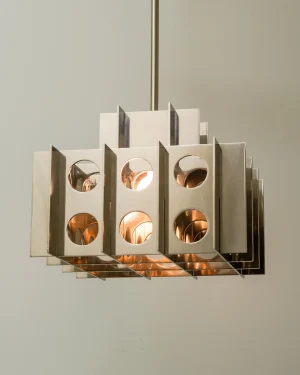
Tenfold 3 T A Pendant Lamp in Stainless Steel and Aluminum
By Luft Tanaka Studio
€2.895 - €8.675 -
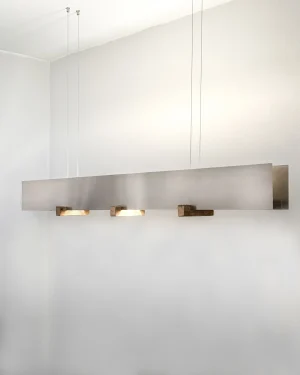
Linear Ceiling Lamp (Large) in Aluminum and Wood
By case studios
€1.444 - €1.844 -
 In stock
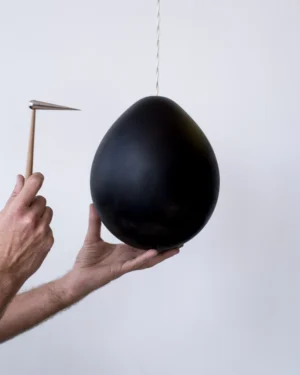
Less Pendant Lamp In Steel, Wood And Plaster
By Jordi Canudas Faura
€388 -
 In stock
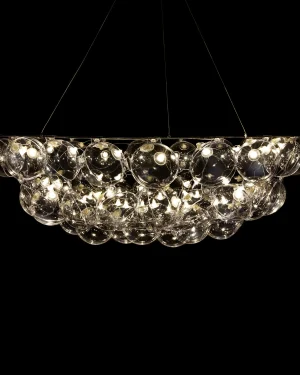
Half-superstar Ceiling/ Pendant Lamp In Pvc And Steel
By PUFF-BUFF
€1.190 -

[float] Sculptural Ceiling Lamp in Concrete
By case studios
€2.700 -
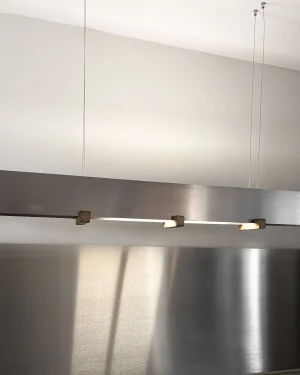
Linear Ceiling Lamp (Medium) in Aluminum and Wood
By case studios
€1.001 - €1.200 -
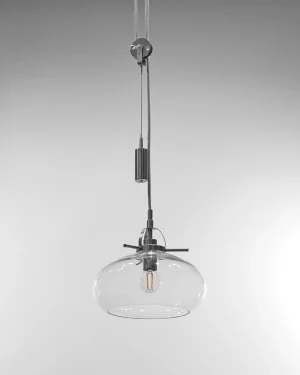
Art Deco Pendant Lamp with Weight in Glass and Steel
By Szostak Atelier
€1.400€1.330 -
 In stock
Lullaby and Hygge Pendant Lamp in Resin and Steel
By BDCI
€1.400 -
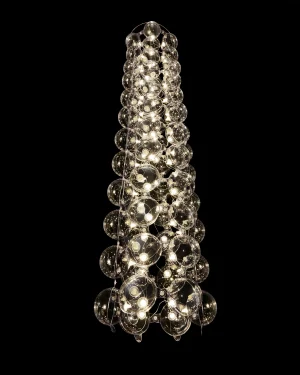
High Tower Pendant Lamp In Air-filled Pvc And Steel
By PUFF-BUFF
€1.480 -
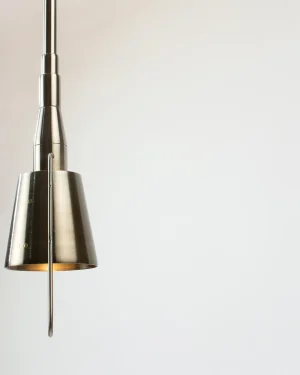
Suspension Pendant Lamp in Stainless Steel
By Szostak Atelier
€1.000 -
 In stock
Scoop Pendant Lamp in Steel
By noknok
Price Upon Request
Stainless steel pendant lamps take their shape from a metal chosen for its strength and its resistance to rust, tarnish and the daily wear of a kitchen or hallway. Studios cut, weld and polish sheet or tube steel into shades and frames that hold their line without a protective coating. The surface itself, brushed or mirror-polished, becomes the finish, so what you see is the metal rather than a paint or lacquer sitting on top of it.
What defines stainless steel in a pendant
Stainless steel differs from plain steel or aluminum in one key way: a thin layer of chromium oxide forms on its surface and seals it against moisture and oxygen. That layer is what lets a stainless steel shade hang bare, without rusting, above a sink or a stove for years. It also gives the metal its particular weight in the hand, denser than aluminum, and its particular sound, a low ring rather than a dull knock.
Finishes, colors and styles within the range
Within stainless steel pendant lamps, finish does most of the visual work. A mirror polish throws back a wide, distorted reflection of the room and reads as silver or chrome; a brushed or matte surface softens that reflection into a quieter gray, closer to brass or pewter in how it catches light. Some studios blacken or darken the steel for a heavier, more graphic presence, while others leave it raw and bright.
Style follows finish. Reflective, mirror-polished shades suit a futuristic or art deco reading, all curve and glare; brushed and matte surfaces sit more easily in contemporary, minimalist or modern rooms, where the lamp reads as a plain volume rather than an object. Neo-industrial and brutalist pieces tend toward visible welds, exposed tube or sheet edges and heavier gauges of metal, while eclectic settings can mix a steel shade against wood, glass or ceramic without conflict, since steel's neutrality lets it sit beside almost any other material. For a wider view of steel finishes and tube and sheet work across the category, see metal pendant lamps, or narrow by mood through minimalist pendant lamps.
Choosing a stainless steel pendant lamp
Scale and hanging height matter more with steel than with softer materials, because a polished shade reflects everything around it and can dominate a small room if it is too large or hung too low. A single pendant generally works best centered over a table, island or seating group, with enough clearance that the shade sits at eye level when seated, not when standing.
Finish should match how much light scatter you want: mirror-polished interiors throw light outward in a wide, hard-edged pool, while matte or brushed interiors diffuse it more gently. Editions vary across the range, from open editions produced in ongoing runs to limited editions and unique pieces, so it is worth checking how a given lamp is produced if that distinction matters to you.
- Hang low over a dining table, high over a stairwell or entry
- Match a mirror finish to rooms with other reflective surfaces, glass, lacquer, metal
- Choose a matte or brushed finish where you want the lamp to recede
Where they suit a room
Kitchens and dining rooms are the most natural setting, since stainless steel tolerates heat, steam and grease better than most other materials. Living rooms take steel pendants well too, particularly over a console or reading corner, and the full range of living room pendant lamps shows how varied that use can be. For a broader look across all steel-bodied hanging lights, the steel pendant lamps group sits alongside this one.
Caring for stainless steel
Wipe the surface with a soft cloth and mild soap; avoid abrasive pads, which can leave fine scratches that dull a polished finish. Fingerprints show more on mirror surfaces than on brushed ones, so a quick wipe after installation keeps the reflection clean. Beyond that, stainless steel asks for little upkeep, which is part of its appeal in a fixture meant to stay overhead for years.
To see the full spread of pendant styles before narrowing by material, visit all pendant lamps, or explore every stainless steel piece on ADORNO across lighting and furniture.
How do I choose the right stainless steel pendant lamp?
Match the finish to the light you want: mirror-polished steel throws a wide, bright reflection, while brushed steel gives a softer, quieter gray. Consider also the room's other metal tones, since steel reads coolest next to brass or copper.
How do you clean and care for a stainless steel pendant lamp?
Wipe with a soft cloth and mild soap and water; avoid abrasive pads, which can dull the surface. Light scratches stay shallow and usually buff out, so the lamp ages evenly rather than showing wear.
Will a stainless steel pendant lamp rust or tarnish over time?
No. A thin chromium oxide layer forms on the surface and seals out moisture and oxygen, which is why the steel can hang bare above a sink or stove for years without rusting.
What size and hanging height works for a stainless steel pendant lamp?
Height depends on the space: over a table or island, the shade typically hangs so its base sits close to eye level when seated; in a stairwell or entry, it can drop lower. The maker can confirm exact sizing on the piece's page.
Which rooms suit stainless steel pendant lamps best?
Their resistance to moisture and heat makes them a natural fit for kitchens, over islands or stoves, and for bathrooms or hallways, though the same clean reflective surface works equally well in a dining room or stairwell.
What happens if I need to return or have questions about a stainless steel pendant lamp?
Shipping is insured and worldwide, with a 14-day return policy, though made-to-order pieces are excluded. Each piece arrives with a certificate of authenticity, and ADORNO offers a lowest-price guarantee.