-
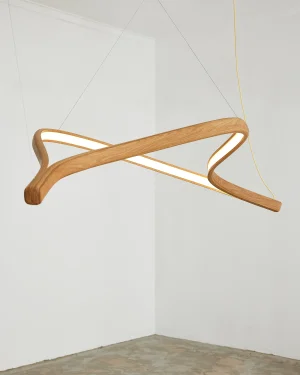
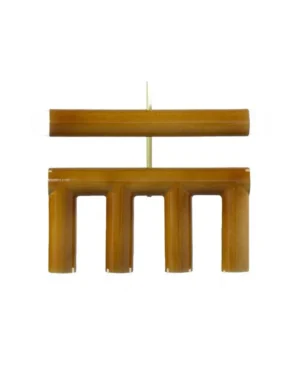
Perola Pendant Lamp in Oak Wood
By Poémia
€8.000 -
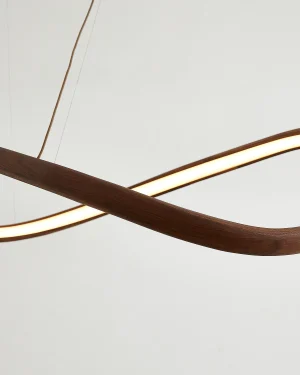 In stock
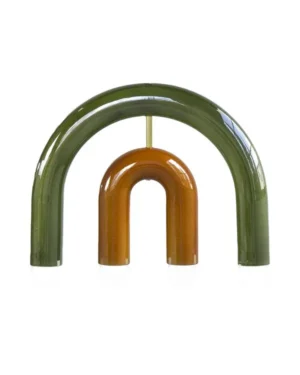
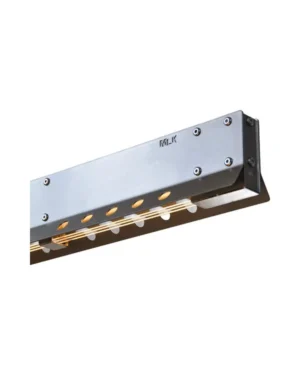
Horizonte Pendant Lamp in Walnut Wood
By Poémia
€8.450 -
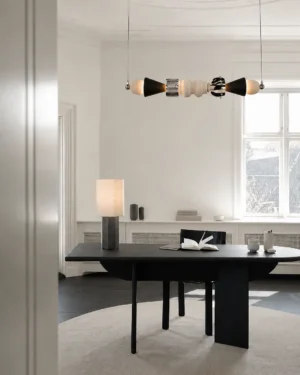 In stock
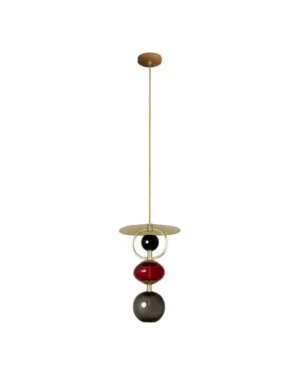
Arinna Pendant Lamp In Oak, Stone And Brass
By MARAU
€15.000 -
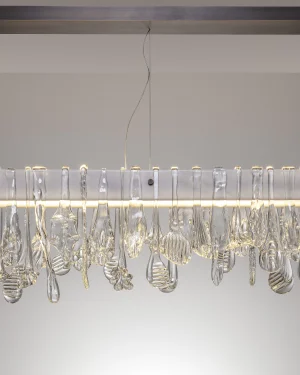 In stock
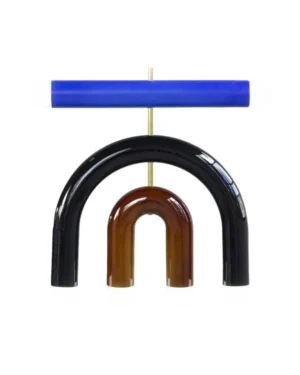
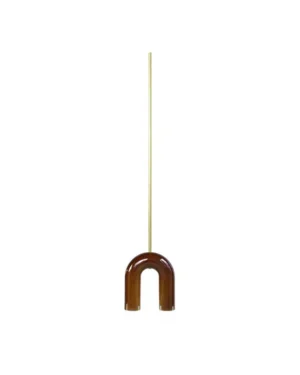
Pingente Pendant Lamp
By Carol Gay
€8.000 -
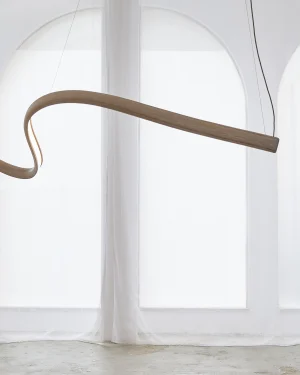 In stock
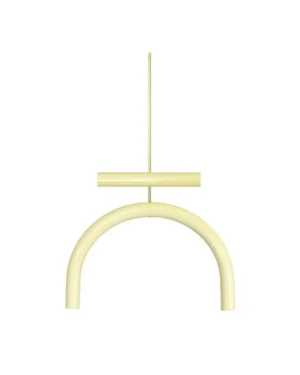
Brisa Pendant Lamp In White Ash Wood
By Poémia
€5.750 -
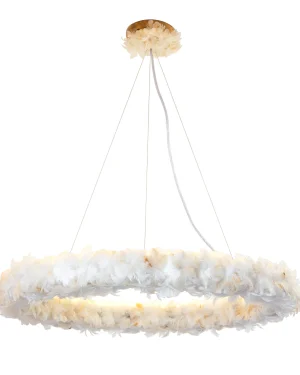
Halo Pendant Lamp in Peroba Wood and Feathers
By YANKATU
€3.700 -

Wind Pendant Lamp in Aluminum, Copper & Recycled Plastic
By SIGNATURE OBJECTS
€1.200 -

Rand Ceiling Lamp in Aluminum
By Darka
€3.500 -
 In stock
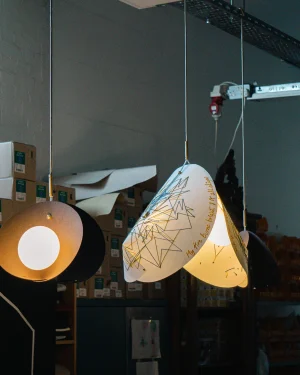
Concha Embroidure Pendant Lamp in Paper and Brass
By MESEME by Riya Panchal
€788 -
 In stock
Scoop Pendant Lamp in Steel
By noknok
Price Upon Request -
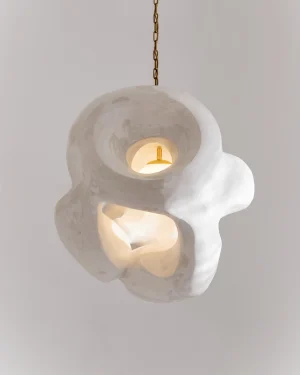
Ikigai Ceiling Lamp in Alabaster Gypsum
By Studio AOAO
€22.000 -

Chainmail Droplet Pendant Lamp In Glass
By Panorammma Atelier
€2.450 - €3.150
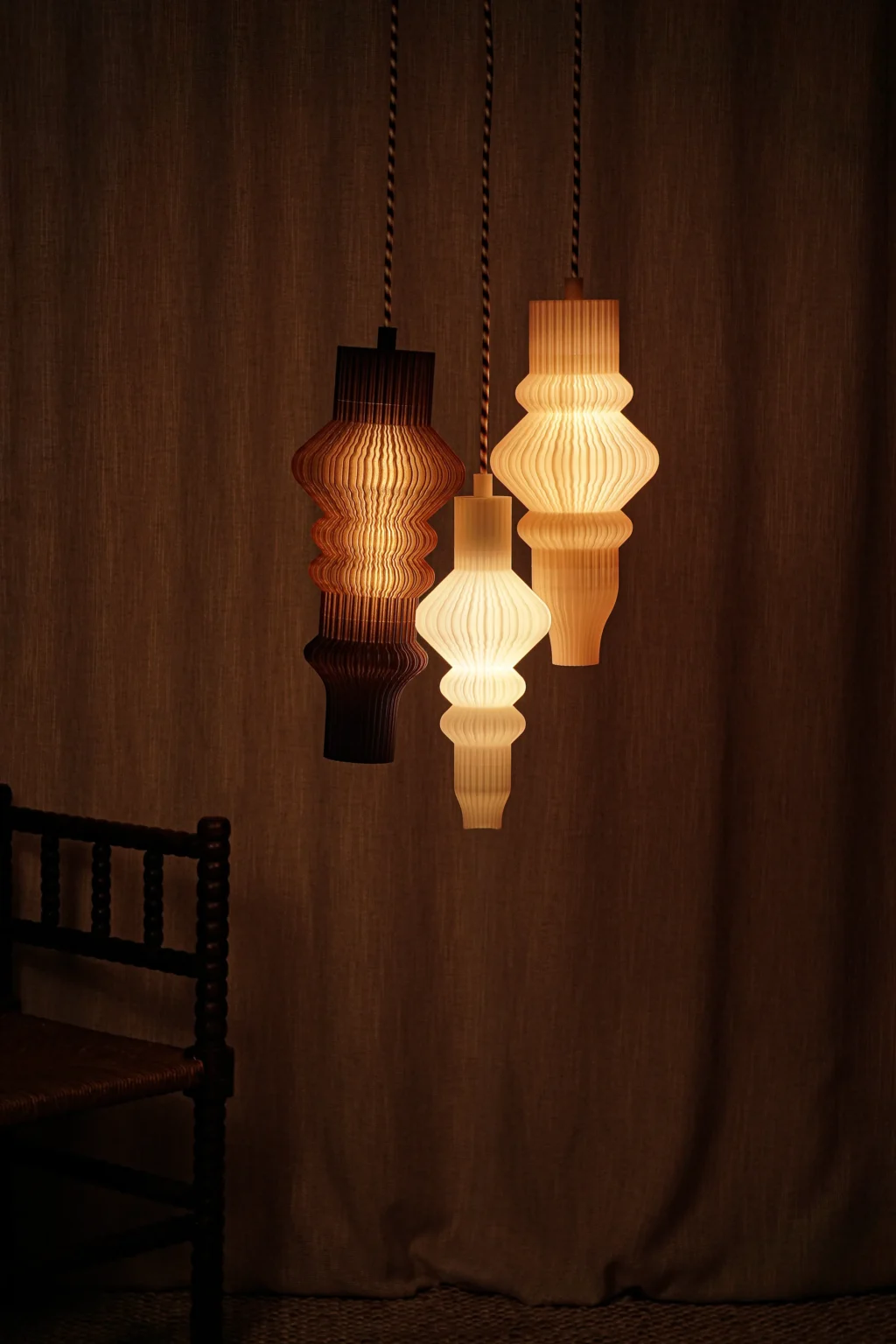
Limited edition pendant lamps are made in small, numbered runs by independent studios working in glass, metal and wood, each batch closed off once its count is reached. What separates them from standard pendants is not the shape but the restraint behind the making: a glassblower who stops at a set number of shades, a metalworker who signs off a run of cast brass fittings before moving to the next design. The result is a light that behaves like an object first and a fixture second.
What makes a pendant a limited edition
A limited run means the maker has fixed a ceiling on how many lamps will exist in that finish or form. Once the run closes, the design either disappears or returns in a new color, a different metal, or a revised proportion. This is why two lamps that look alike at a glance can carry different surface treatments, different weights in the hand, or a slightly different cord length, depending on when in the run each one was finished.
Materials and techniques behind the range
Glassblowing produces shades in clear, smoked or opaque tones, each one carrying the faint asymmetry of hand work. Metalwork turns brass, copper and aluminum into shells that darken or polish over time, sometimes finished in a glossy lacquer, sometimes left to show fingerprints and oxidation as part of the object's life. Wood carving and cabinetmaking bring veneered or solid timber into pendant form, often paired with a stone base cut by hand from mardin stone. Newer studios add 3D printing, digital fabrication and generative design to the mix, using recycled plastic or fine-silver plated brass to produce forms that would be difficult to carve or cast by hand.
Color across this range tends toward the material's own voice rather than an applied one: the copper of raw metal, the transparency of blown glass, blacks, off-whites and ivories that sit close to the finish the making process naturally produces. Styles run from a conceptual, almost sculptural minimalism to a more eclectic, boho-leaning warmth, with contemporary and modern lines in between.
Choosing a pendant for scale and height
Start with the surface below it. A single pendant over a dining table should sit roughly seventy centimeters above the tabletop, low enough to pool light without blocking a sightline across the room. Over an island or counter, hang it closer to standing eye level so the shade reads as an object rather than a hazard. A cluster of smaller lamps asks for more vertical room than one large shade, so measure ceiling height before deciding between a single statement piece and a group.
Where these lamps work in a home
- Dining rooms and kitchen islands, where a pendant replaces a ceiling fixture as the main source of light over a table
- Living rooms, where a lower-hanging lamp can define a reading corner or a seating group without competing with floor lamps
- Stairwells and entries, where height allows a cord to run long and the lamp becomes visible from more than one angle
- Bedrooms, used in pairs beside a bed in place of table lamps
For a broader look at pendant shapes and materials beyond limited runs, the full range of pendant lamps is worth comparing against these smaller editions. Metal-focused options sit within metal pendant lamps, while pared-back forms appear among minimalist pendant lamps. Lamps sized and hung for seating areas are gathered under living room pendant lamps, and the wider spread of capped runs across ceiling fittings, table lamps and floor lamps sits within limited edition lighting.
Care for limited edition materials
Blown glass should be dusted rather than wiped with abrasive cloths, which can dull a polished surface over years of handling. Brass and copper will darken unless kept lacquered or periodically polished; many owners choose to let the metal age rather than fight it, since the patina is part of what a small-run piece is meant to show. Wood shades benefit from stable humidity and a wipe with a dry cloth, avoiding direct contact with water near the fitting. Stone bases should be kept away from damp surfaces, as porous stone can stain if left wet.
How do I choose a limited edition pendant lamp?
Start with the material and how it ages, glass stays fixed while brass and copper darken or polish over time, then match the shade's weight and drop to the space below it.
How do I care for a limited edition pendant lamp?
Dust glass and metal shades with a soft, dry cloth, and avoid harsh cleaners on lacquered or oxidized brass since they can strip the finish the maker intended.
What height should a pendant lamp hang at?
Over a table, aim for about 30 inches between the tabletop and the bottom of the shade, adjusting for ceiling height and the lamp's own proportions.
Which rooms suit a limited edition pendant lamp?
Kitchen islands, dining tables, stairwells and beds all take a single pendant well, since it reads as an object first and a light source second.
Can I ask about a specific limited edition pendant lamp's run or finish?
Yes, each piece's run size, materials and finish details vary, so chat with the maker on the piece's page to confirm specifics before buying.
How does shipping, returns and authenticity work when buying through ADORNO?
Shipping is insured and worldwide, returns are accepted within 14 days except on made-to-order pieces, and every lamp arrives with a certificate of authenticity.