-
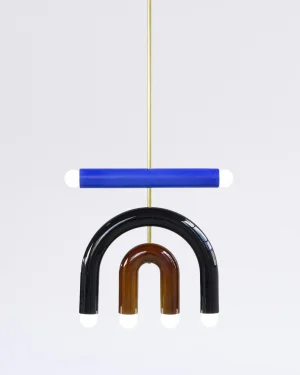
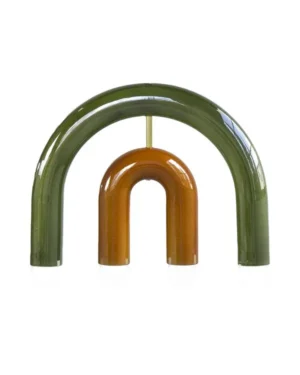
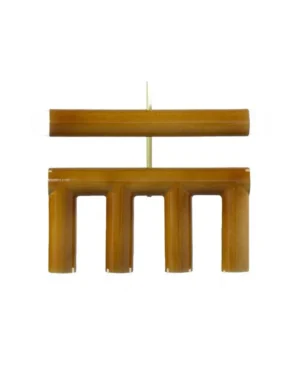
Trn / Model D1 Pendant Lamp In Ceramic
By Pani Jurek STUDIO
€1.080 -
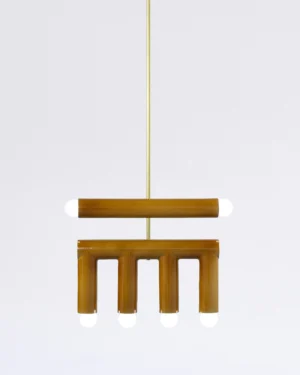
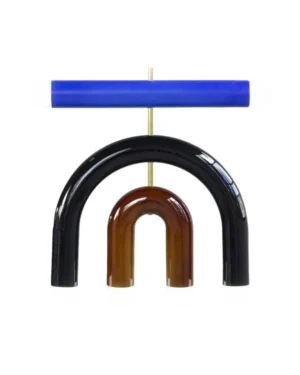
Trn / Model D2 Pendant Lamp In Ceramic
By Pani Jurek STUDIO
€1.080 - €1.130 -

Trn / Model E1 Pendant Lamp In Ceramic
By Pani Jurek STUDIO
€1.430 - €1.490 -

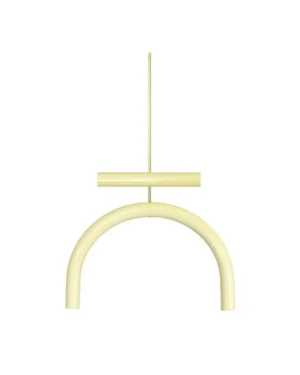
Trn / Model C2 Pendant Lamp In Ceramic
By Pani Jurek STUDIO
€880 - €940 -
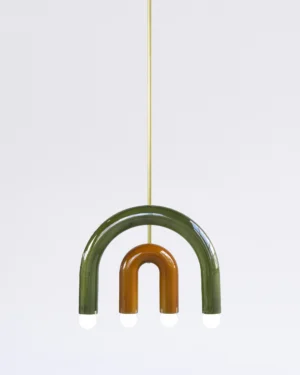
Trn / Model C1 Pendant Lamp In Ceramic
By Pani Jurek STUDIO
€880 -
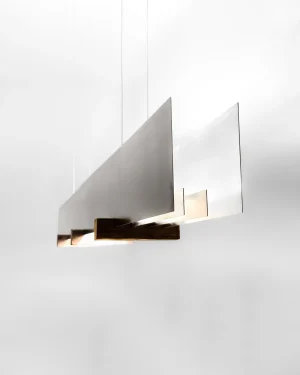
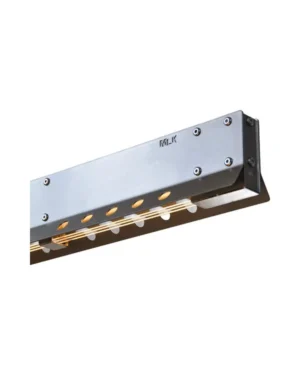
Linear Ceiling Lamp (extra Large) in Aluminum and Wood
By case studios
€1.210 - €1.910 -

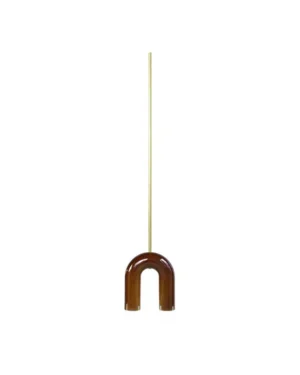
Trn / Model A2 Pendant Lamp In Ceramic
By Pani Jurek STUDIO
€470 -
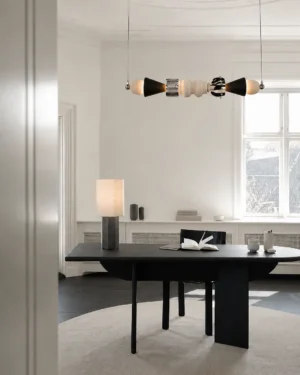 In stock
Arinna Pendant Lamp In Oak, Stone And Brass
By MARAU
€15.000 -

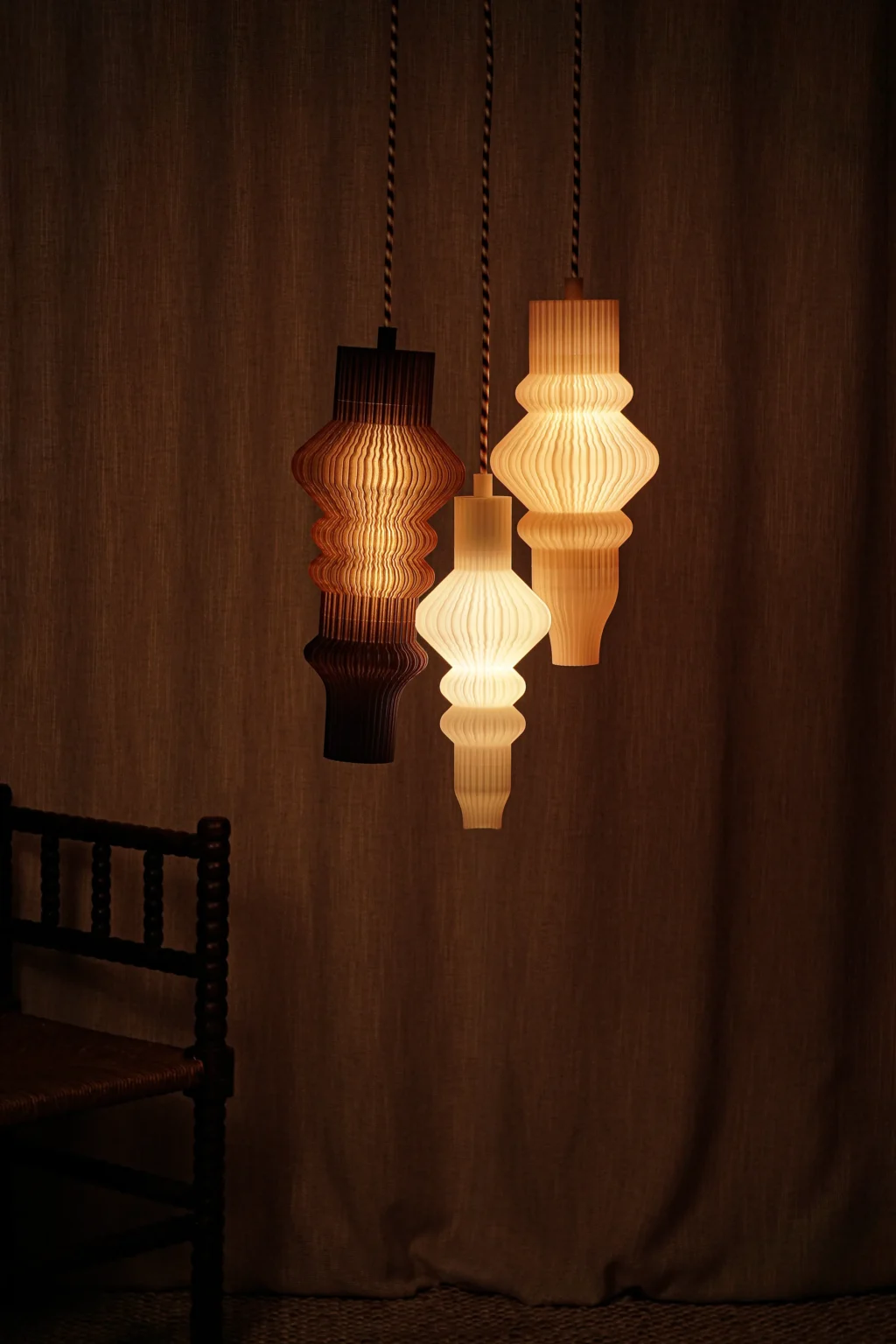
Vira Triptych Ceiling Lamp In Bio Plastic
By Julie Mallet Studio
€567 -
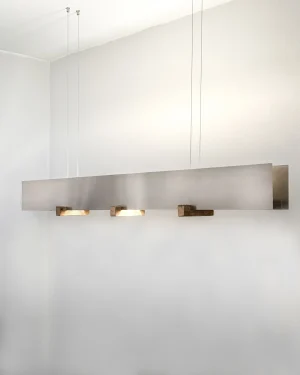
Linear Ceiling Lamp (Large) in Aluminum and Wood
By case studios
€1.444 - €1.844 -
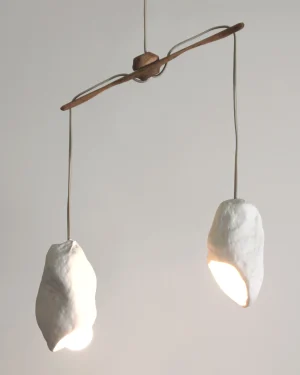
Maat Ceiling Lamp
By Dace Sūna
€1.200 -
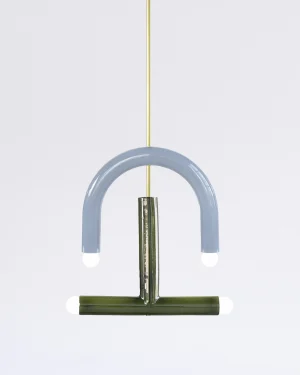
Trn / Model C3 Pendant Lamp In Ceramic
By Pani Jurek STUDIO
€880 - €940 -
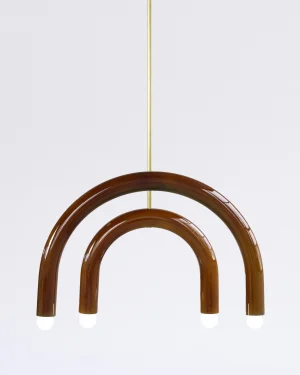
Trn / Model E3 Pendant Lamp In Ceramic
By Pani Jurek STUDIO
€1.430 - €1.490 -

Trn / Model F1 Pendant Lamp In Ceramic
By Pani Jurek STUDIO
€1.600 -
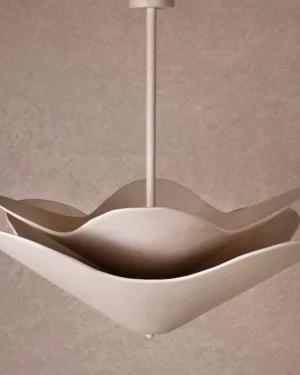
Iris Pendant In Clay Paste
By Harshita Jhamtani Designs
€1.180 -

Clay Cone Pendant In Textured Black Clay Paste And Mild Steel
By Harshita Jhamtani Designs
€1.820 -
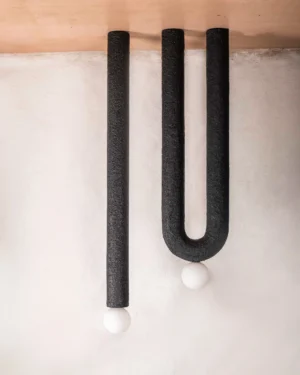
U And I Ceiling Light Set In Clay Paste And Glass
By Harshita Jhamtani Designs
€1.680 -
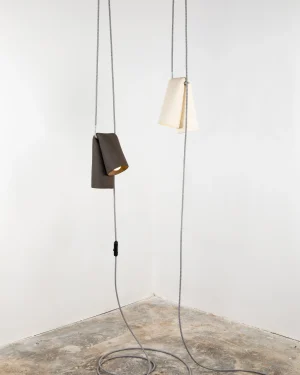
Melo Pendant Lamp In Ceramic
By Catalin Filip
€300 -
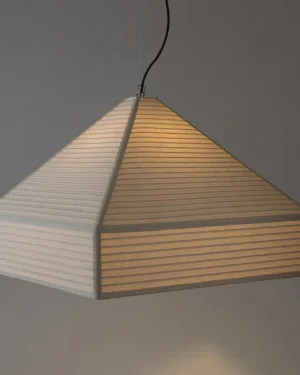
Pyramid Pendant Lamp In Textiles
By NASSI LAMPS
€1.049 - €1.575
Home office pendant lamps bring a single, direct source of light down to desk height, built by independent studios in steel, ceramic, plaster composite and wood. Each one is made as a self-contained unit — one shade, one cord, one point of light — rather than assembled from stock parts, so the finish and the hang read as the work of one maker rather than a catalog part. The studios behind them work across metalwork, hand-building, plastering, glazing and cabinetmaking, which is why the same basic cone or drum shape can show up in very different weights and textures.
What steel, ceramic and wood bring to a desk lamp
Mild steel and stainless steel are the most common bodies among home office pendant lamps, shaped into shades that throw a hard-edged pool of light straight onto paper or keyboard. Steel takes a matte black or white powder coat well, and a raw or brushed finish will darken slightly with handling over years rather than rust, provided it stays dry. Aluminum does similar work at a lighter weight, useful where a shade needs to swing or tilt on an arm.
Ceramic pendants, hand-built and glazed, carry more warmth and more variation: no two glaze pulls are identical, and terracotta, off-white or blue surfaces will show small pits and drips that are part of the glaze rather than a flaw. Wood — beech, chestnut or mixed finishes — is worked and jointed by cabinetmakers into shades that soften the light further and warm in tone as the surface oxidizes. Plaster composite shades, built up and smoothed by hand, give a stone-like, chalky surface that mutes glare without the weight of real stone.
Finishes, styles and editions to expect
Color runs from white, off-white and beige through black, brown, chestnut and the occasional terracotta or blue glaze, so a steel shade and a ceramic one can sit in the same palette without matching exactly. Stylistically, most home office pendant lamps lean minimalist or contemporary, with Japandi and wabi-sabi pieces that favor an irregular, hand-finished edge over a perfectly even one, and a smaller number of conceptual or eclectic designs built around one unusual form.
- Open editions, for a form a studio keeps in ongoing production
- Limited editions, numbered and closed once a run is complete
- Unique pieces, where no two glaze or plaster finishes come out the same
Choosing a pendant for a desk or home office
Scale and hanging height matter more over a desk than almost anywhere else: a shade should sit low enough to throw light directly onto the work surface, close to eye level when seated, but high enough that it never sits in the sightline to a screen. A narrower cone or drum shade concentrates light into a tighter pool, useful for close reading or drawing, while an open or perforated steel shade, seen across the wider range of steel pendant lamps, spreads light wider across a desk shared with other furniture. Match the finish to what else sits in the room: a brushed steel or aluminum body suits a desk with other metal fittings, while a glazed ceramic or plaster shade sits more easily against wood furniture and soft textiles.
A single pendant works for one desk; two or three identical shades, hung in a row, can mark out a longer work surface the way they do over a kitchen island. For a full view of how these sit within the broader format, the pendant lamps range covers shapes and materials beyond the office.
Where else a home office pendant lamp fits
Outside the office, the same forms move easily into a reading corner, a hallway desk or a small studio space that needs one defined pool of light rather than general ceiling coverage. For task lighting on the desk itself rather than overhead, home office lamps cover table and floor options in the same materials, and the wider set of home office pieces on ADORNO extends into desks, mirrors and accessories built for the same room.
Caring for steel, ceramic and wood pendants
How do I choose a pendant lamp for a home office?
Pick a shade that throws light straight down onto the desk rather than across the room, in a material and finish that reads as one object against your walls and furniture.
What height should a pendant lamp hang above a desk?
Most hang low enough that the bottom of the shade sits level with or just above eye line when seated, so the bulb stays out of view but the light lands on the work surface.
Are steel or ceramic pendant lamps easier to maintain?
Steel needs only a dry wipe and stays stable for years if kept dry, while ceramic should be dusted gently since glaze surfaces can chip on hard contact.
Will a hand-built ceramic pendant look different from others in the same style?
Yes, each glaze pull varies slightly, so small pits, drips or tonal shifts are part of the surface rather than a flaw.
Do home office pendant lamps work in other rooms too?
Yes, the same direct, downward light suits reading corners, bedside spots or a kitchen counter, anywhere a single focused source is useful.
What are ADORNO's shipping and return policies for pendant lamps?
Shipping is insured and worldwide, with a 14-day return policy except on made-to-order pieces, and each lamp arrives with a certificate of authenticity.