
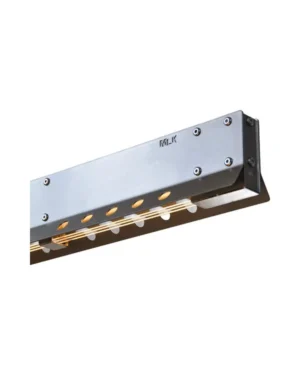
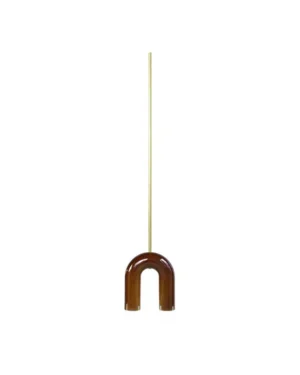
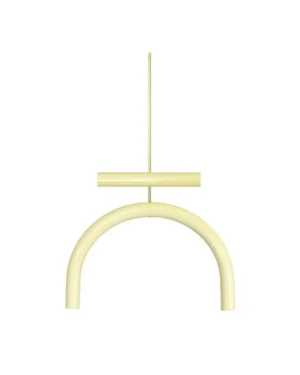
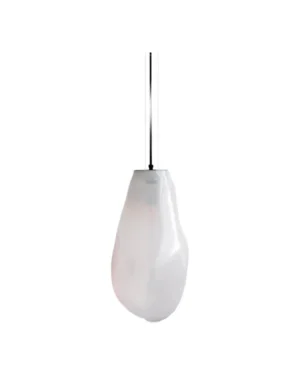
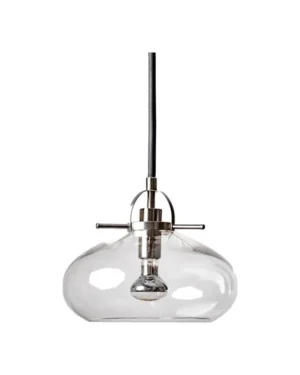
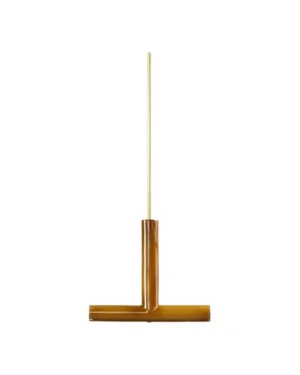
-
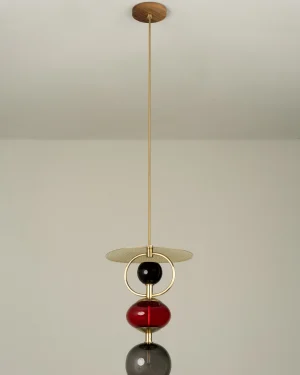
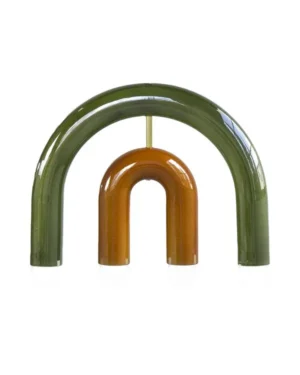
Vitrea Pendant Lamp in Glass and Brass
By Isabel Moncada
€3.802 -
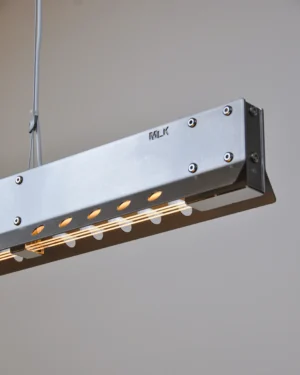
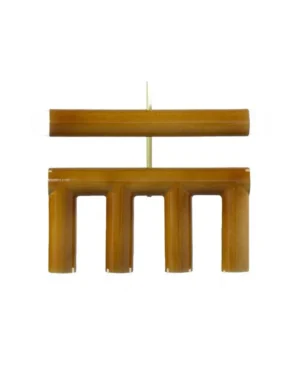
Ne1250/145 Pendant Lamp In Steel And Acrylic
By MLK Furniture
€1.390 -

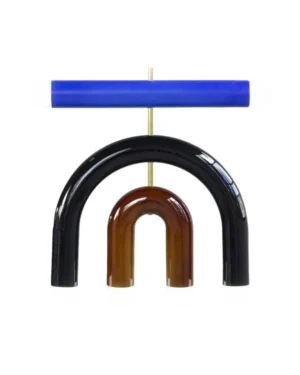
Marsha 01 Pendant Lamp in Glass and Steel
By MESEME by Riya Panchal
€839 -
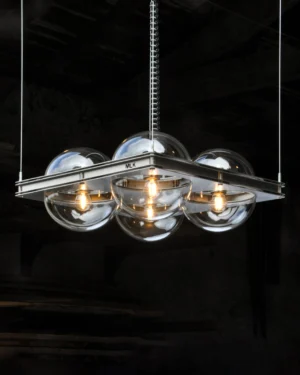
Bbl200x04 Pendant Lamp In Stainless Steel And Acrylic
By MLK Furniture
€2.400 -
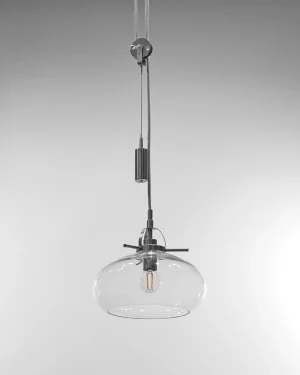
Art Deco Pendant Lamp with Weight in Glass and Steel
By Szostak Atelier
€1.400€1.330 -

Lomo Pendant Lamp In Ash Wood And Wool
By Natural Urbano - Sebastián Beltrán
€400 -
 In stock
Svitlotin Hammered Stamp Pendant Lamp in Stainless Steel
By SVITANOK
€1.280 - €1.800 -
 In stock
Svitlotin Brush Strokes Pendant Lamp in Stainless Steel
By SVITANOK
€1.020 - €1.400 -
 In stock
Svitlotin Anisotropy Ceiling Lamp in Metal
By SVITANOK
€930 - €1.270 -

Crescent Pendant Lamp In Steel
By Natural Urbano - Sebastián Beltrán
€515 -

Slotted Vertical Offset Pendant Lamp In Acrylic
By Nolan Talbot-Kelly
€1.800 -

Slotted Linear 32 Pendant Lamp In Aluminum And Acrylic
By Nolan Talbot-Kelly
€1.200 -

Fos 05 Pendant Lamp in Wood and Marble
By Daniel Orozco Estudio
€1.390
Gray pendant lamps bring a quiet neutral into the single most repeatable light fixture in the house, built from blown glass, steel, brass and acrylic by independent studios working across glassblowing, metalwork and digital fabrication. The color sits between black and white without leaning toward either, so a shade reads as an object first and a light source second. Hung alone or multiplied in a row, gray pendant lamps hold their place in a room without competing with it.
What gray does to glass, metal and ceramic
Gray is rarely a single pigment. On blown glass it comes from smoke or sand added to molten silica, giving a shade that is translucent at the edges and dense at the center. On steel and aluminum it is usually a powder coat or a brushed mill finish, both of which resist fingerprints better than gloss black or raw brass. On acrylic, gray is cast through the material itself, so the color holds even if the surface is scratched.
The range of materials and finishes
Across the category, gray shows up as matte steel drums, brushed stainless cylinders, smoked blown glass globes, and acrylic diffusers that soften a bulb's glare into a flat wash. Brass fittings and cords are common on metal shades, giving a cool body a warm point of contact at the ceiling rose or switch. Some studios work in unique pieces, hand-shaped one at a time; others produce open editions, repeating a single mold or metal profile so a row of pendants over an island or table matches exactly.
Choosing a gray pendant lamp
Scale matters more than color once a shade is gray, since the tone recedes and the silhouette does the work. A single dome or sphere over a round table should sit roughly a head's height above the surface, low enough to pool light downward, high enough to clear sightlines across a dinner. Over a kitchen island, a row of smaller shades spaced evenly reads as one gesture rather than three separate lamps; in a stairwell, a long drop cord lets one pendant mark several floors at once.
Finish affects how a shade behaves in daylight as much as at night. A matte powder coat absorbs light and disappears into a ceiling during the day, then becomes a solid silhouette once lit. A blown glass shade does the opposite, staying visible as an object and glowing from within when the lamp is on. Consider the two housings and pick one, or mix a handful of styles through metal pendant lamps and glass options if a room can carry contrast.
Where gray pendants work
- Kitchens, where a gray shade reads as neutral as the cabinetry and hardware around it
- Dining rooms, where one fixture anchors the table below without pulling focus from it
- Stairwells and entries, where a single drop reads as sculpture from more than one angle
- Living rooms, where a softer gray glass pendant can replace a floor lamp near a seating group, as shown among living room pendant lamps
Style and upkeep
Gray pendant lamps move easily between registers: pared-back minimalist shades sit alongside mid-century globes and neo-industrial fixtures with exposed hardware, all unified by the same restrained tone. For a reading of the style on its own terms, minimalist pendant lamps show how far a single gray surface can go without ornament. Glass shades need only a dry cloth, since fingerprints and dust show more on smoke-tinted glass than on clear. Painted steel wipes clean with a damp cloth; avoid abrasive pads, which can scuff a matte finish into an uneven sheen over time.
The wider range of gray pieces, not limited to lighting, sits under every gray piece on ADORNO, while the full spread of hanging fixtures, in every color and material, is gathered under all pendant lamps.
How do I choose a gray pendant lamp?
Start with the material: blown glass gives a soft, uneven glow, while steel or acrylic casts a more defined pool of light. Match the finish's warmth or coolness to the metals already in the room.
What is the gray finish made of?
It varies by material: smoke or sand added to molten glass, a powder coat or brushed finish on steel and aluminum, or a pigment cast through solid acrylic so the color never wears off.
How do I clean and care for a gray pendant lamp?
Dust glass and acrylic shades with a dry, soft cloth, and wipe metal finishes the same way to avoid streaking. Avoid household glass cleaners on acrylic, which can cloud the surface.
What size pendant and hanging height do I need?
Over a table or island, hang the shade so its base sits roughly 30 to 36 inches above the surface. The maker can confirm exact dimensions and recommended drop with Chat with the maker on the piece's page.
Which rooms suit gray pendant lamps?
Their neutral tone works over kitchen islands, dining tables, stairwells and beds, reading as an object first rather than a strong accent color, so they sit easily alongside most palettes.
How does shipping, returns and authenticity work on ADORNO?
Shipping is insured and worldwide. Returns are accepted within 14 days, excluding made-to-order pieces, and every piece arrives with a certificate of authenticity.