
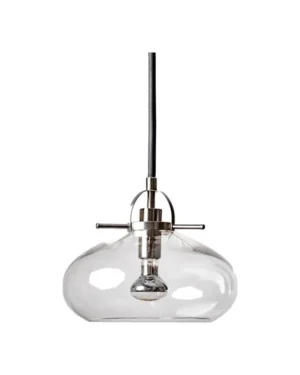
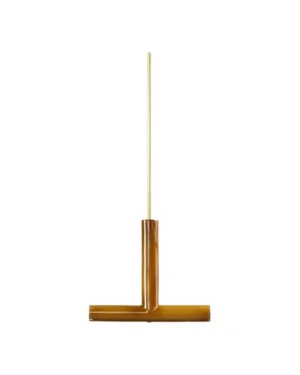
-
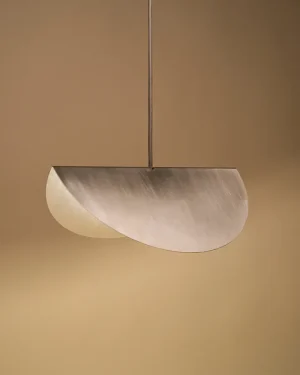
Two Circles Pendant Lamp in Stainless Steel
By Georgiev Kiril
€490€441 -
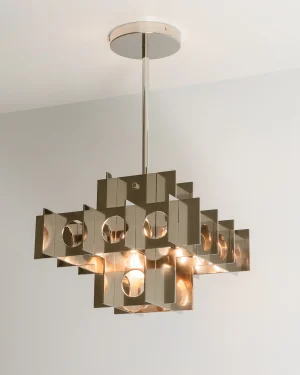
Tenfold 3 T B Pendant Lamp in Stainless Steel and Aluminum
By Luft Tanaka Studio
€2.895 - €8.675 -
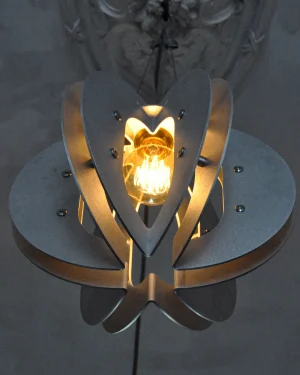
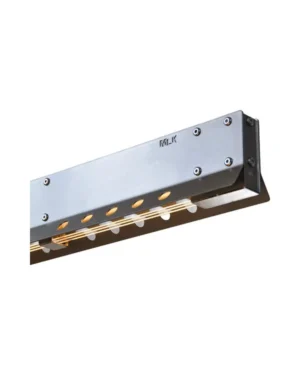
D300 Lampion Pendant Lamp In Matte Aluminum
By MLK Furniture
€390 -
 In stock
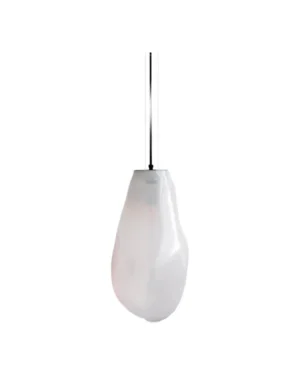
Svitlotin Olive Pendant Lamp in Stainless Steel
By SVITANOK
€890 - €960 -
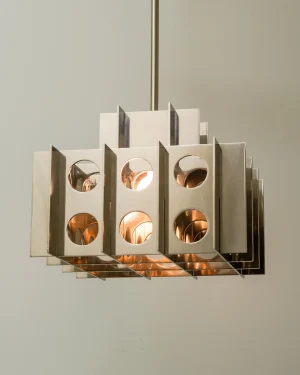
Tenfold 3 T A Pendant Lamp in Stainless Steel and Aluminum
By Luft Tanaka Studio
€2.895 - €8.675 -
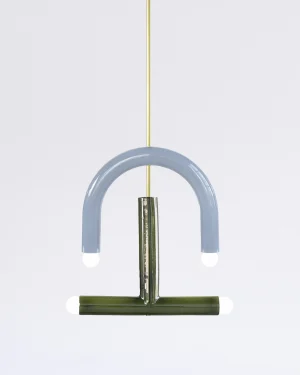
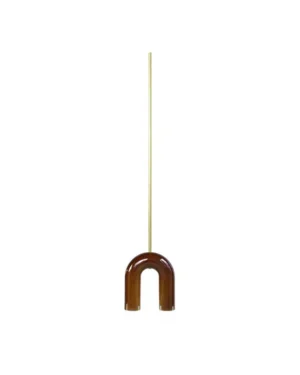
Trn / Model C3 Pendant Lamp In Ceramic
By Pani Jurek STUDIO
€880 - €940 -
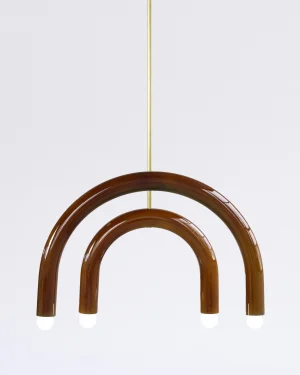
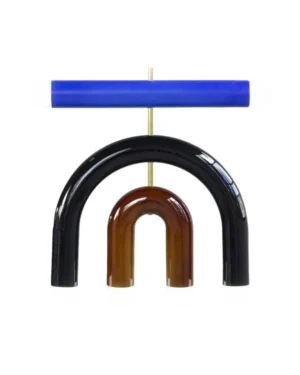
Trn / Model E3 Pendant Lamp In Ceramic
By Pani Jurek STUDIO
€1.430 - €1.490 -

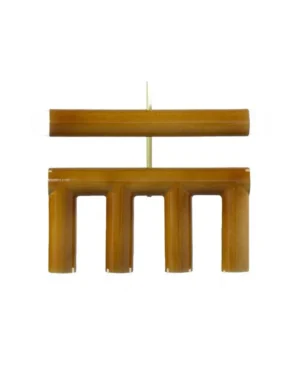
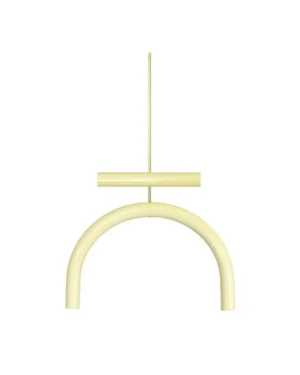
Trn / Model F1 Pendant Lamp In Ceramic
By Pani Jurek STUDIO
€1.600 -
 In stock
Svitlotin Hammered Stamp Pendant Lamp in Stainless Steel
By SVITANOK
€1.280 - €1.800 -
 In stock
Svitlotin Brush Strokes Pendant Lamp in Stainless Steel
By SVITANOK
€1.020 - €1.400 -
 In stock
Svitlotin Blue Ceiling Lamp in Metal
By SVITANOK
€890 - €1.150 -
 In stock
Svitlotin Anisotropy Ceiling Lamp in Metal
By SVITANOK
€930 - €1.270 -
 In stock
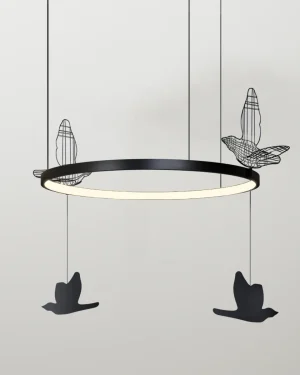
Flight Shadows Circular Pendant Lamp In Steel
By SVITANOK
€1.020 - €1.140 -

Trn / Model F1 Silver Finish Pendant Lamp In Ceramic
By Pani Jurek STUDIO
€1.650 -
 In stock
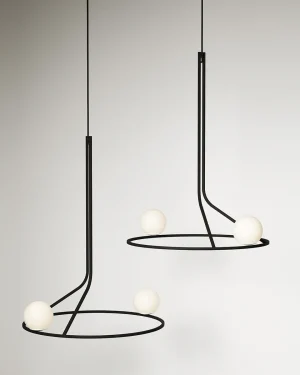
Na Linii Pendant Lamp in Steel and Glass
By SVITANOK
€1.050 -
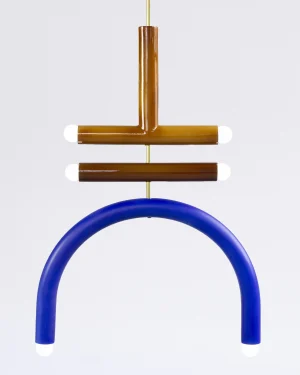
Trn / Model F2 Pendant Lamp In Ceramic
By Pani Jurek STUDIO
€1.600 -

Trn / Model F2 Silver Finish Pendant Lamp In Ceramic
By Pani Jurek STUDIO
€1.650 -

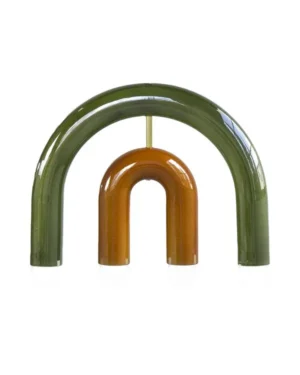
Trn / Model C2 Pendant Lamp In Ceramic
By Pani Jurek STUDIO
€880 - €940
Geometrical pendant lamps are built from circles, cones and straight lines rather than organic curves, so the shade reads as a drawn shape against the ceiling. Studios work mostly in cut steel and brass, and in hand-built, glazed ceramic, choosing processes that hold a hard edge or a true radius. The result is a light that behaves as much like a small sculpture as a source of illumination.
What defines a geometrical pendant lamp
Materials, finishes and how they're made
Steel and brass dominate, cut into rings and panels or folded into closed volumes, then left raw, lacquered or plated depending on the studio. Stainless steel and aluminum show up where a cooler, more reflective finish is wanted. Ceramic pieces are hand-built in clay and glazed, so each one carries small variations in thickness and in how the glaze pools, typical of fired work rather than a flaw. Glazes and paint bring in the color range seen across this group: black, cobalt blue and denim read as graphic and architectural, while beige, brown and light yellow sit closer to the clay or metal they're fired or coated on. Styles span mid-century modern and art deco, where geometry nods to older precedent, through to minimalist, neo-industrial and the more layered, collected look sometimes called midimalism. Most pieces are made as open editions, produced on an ongoing basis by the designer or studio rather than numbered or capped.
Choosing scale, height and placement
Start with the shade's diameter against the table, island or floor area it sits over: a geometrical lamp with a wide drum or disc needs clearance on all sides so its outline stays legible rather than crowding the room. Hang height matters as much as size. Over a dining or kitchen table, the lowest point of the shade usually sits close enough to eye level seated that the light pools on the surface without glaring into faces standing nearby; over a stairwell or entry, it can hang higher, since the form is meant to be seen from below and from an angle. Pick a finish to match the rest of the room's metal: brass and warm woods pull toward mid-century or art deco settings, raw or blackened steel suits neo-industrial interiors, and matte ceramic glazes work equally well against plaster, tile or paint.
Where geometrical pendants hang well
Because the form holds up under repetition, these pendants are often hung in pairs or rows: two or three brass discs over an island, a line of ceramic domes above a long dining table, a single steel cone centered over a reading chair. They suit kitchens, dining rooms and stairwells where a clear outline against the ceiling helps define the space below, and they hold their own in a living room pendant lamp arrangement set low over a seating group rather than centered on the whole room.
Caring for metal and ceramic shades
Raw brass will darken and spot with handling and air; a light wax or lacquer slows this, while leaving the metal unsealed lets it develop an uneven patina over years. Steel finished in powder coat or paint only needs dusting and a damp cloth, avoiding abrasive cleaners that can dull the surface. Glazed ceramic is stable once fired, but shades should be lifted rather than pulled by the cord when cleaning, since the glaze is hard but the body beneath it can chip on impact.
For the full range of forms beyond geometry, the pendant lamp group covers every shape and material on offer, while every geometrical piece across lighting, seating and tables sits together under geometrical design. Those drawn specifically to metalwork can narrow further to metal pendant lamps, and anyone after the plainest possible outline will find a tighter edit under minimalist pendant lamps. Across all of these, the common thread stays the same: geometrical pendant lamps make their case through exact shape and a material left to show how it was formed.
How do I choose a geometrical pendant lamp?
Start with the shape you want overhead, a disc, dome, cylinder or cone, then check the material. Steel and brass give sharp, defined edges, while ceramic softens the same forms with hand-built texture.
How do I care for steel, brass or ceramic pendants?
Wipe steel and brass with a dry or barely damp cloth, keeping polished brass away from moisture that causes spotting. Dust ceramic shades gently, since glaze can chip if knocked against a hard edge.
What size and hanging height works for a geometrical pendant lamp?
Over a table, keep the shade roughly 28 to 34 inches above the surface, adjusting the cord to suit ceiling height and the width of the bulb or cluster it needs to clear.
Which rooms suit geometrical pendant lamps?
Their graphic lines work well over kitchen islands, dining tables and entryways, and repeat cleanly in rows along a stairwell or corridor where a drawn shape against the ceiling reads best.
Can I order a custom size, finish or color?
Some studios take custom requests on finish, color or scale. Chat with the maker on the piece's page to confirm what is possible before ordering.
How does shipping, returns and authenticity work on ADORNO?
Shipping is insured and sent worldwide. Returns are accepted within 14 days, excluding made-to-order pieces, and every piece arrives with a certificate of authenticity alongside a lowest-price guarantee.