
-
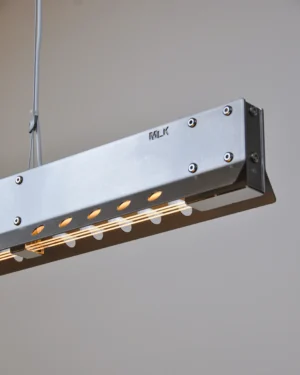
Ne1250/145 Pendant Lamp In Steel And Acrylic
By MLK Furniture
€1.390 -
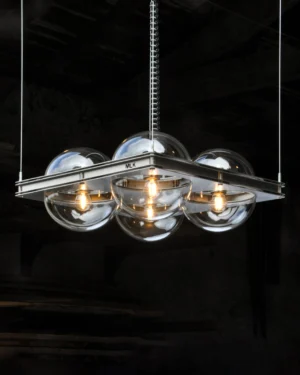
Bbl200x04 Pendant Lamp In Stainless Steel And Acrylic
By MLK Furniture
€2.400 -
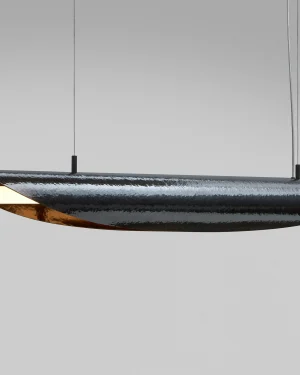
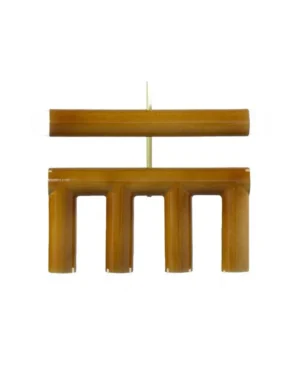
Taco De Luz Black Patinated Brass Pendant Lamp in Brass
By Studio Aristotelis Barakos
€5.900 -

Object 019 Pendant Lamp in Brass and Acrylic
By Naama Hofman
€1.850 -

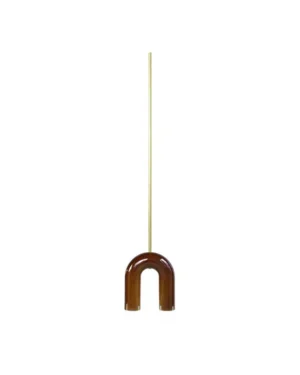
Umu U Pendant Lamp In Iron And Acrylic Glass
By Drusch Design
€950 -
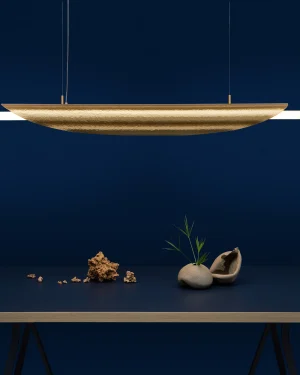 In stock
Taco De Luz Satin Brass Pendant Lamp in Brass
By Studio Aristotelis Barakos
€5.400 -

Object 018 Pendant Lamp in Brass and Acrylic
By Naama Hofman
€2.100 -

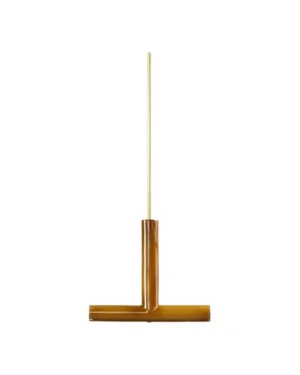
Tube 01 Pendant Lamp in Brass and Acrylic
By Naama Hofman
€2.600 -

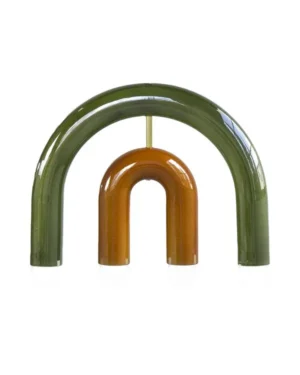
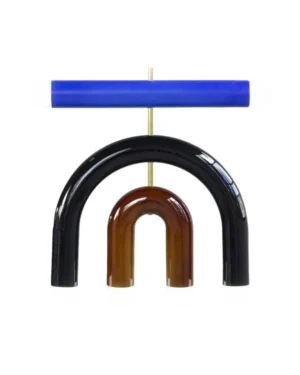
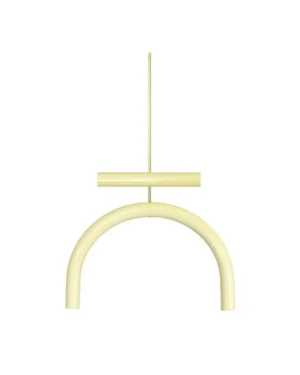
Arc 015 Pendant Lamp in Brass and Acrylic
By Naama Hofman
€2.900 -

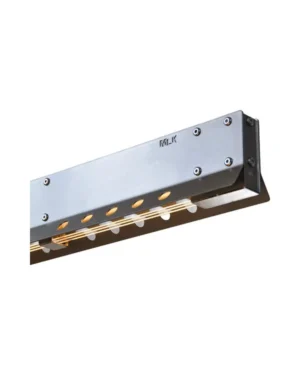
Slotted Vertical Offset Pendant Lamp In Acrylic
By Nolan Talbot-Kelly
€1.800 -

Slotted Linear 32 Pendant Lamp In Aluminum And Acrylic
By Nolan Talbot-Kelly
€1.200
Acrylic pendant lamps are defined by a material that takes light and color rather than absorbing them, worked by studios through CNC milling and digital fabrication into shades, cylinders, discs and tubes. Sheets or extruded rods of acrylic are cut, heated, bent and polished until edges catch light along their length, a quality glass and metal cannot repeat in the same way. Some studios treat every piece as a unique object, so surface and bend vary slightly from one lamp to the next.
What acrylic brings to a hanging light
Acrylic is a polymer, cast or extruded into sheet and tube form, then shaped cold or with gentle heat rather than fired or forged. It can be left clear so a bulb or LED reads through it undisguised, tinted in cobalt blue, bronze or gray, or kept transparent so the fitting almost disappears against the ceiling. Compared with blown glass it is lighter, resists breakage better and holds a sharper, more graphic edge, which is why so many acrylic pendant lamps lean toward geometric rather than organic form.
The range of finishes and techniques
Within the acrylic pendant lamps found at ADORNO, material and metalwork are often paired: acrylic tube or acrylic glass diffusers sit inside frames of brass, stainless steel, aluminum or iron, finished through welding, blacksmithing, repoussé or patination. Styles run from Bauhaus-leaning geometry and Minimalist discs to Neo-Industrial fittings with exposed hardware, Brutalist mass, Art Deco stepping and plainly Contemporary or Modern reductions. Matte acrylic diffuses a source into a soft glow, while gloss and transparent finishes throw sharper reflections across a ceiling or wall.
Editions vary by studio. Some pendants are produced as open editions, made and remade to a fixed design, while others are built as unique pieces where the acrylic is shaped or finished individually, so no two are identical.
How to choose an acrylic pendant lamp
Scale is the first decision: a single wide disc or drum reads as a statement over a dining table, while a cluster of narrow tubes or small spheres can be spread across a longer surface or stairwell. Mounting height matters as much as the shade itself, since acrylic pendants are usually hung low enough to shield the bulb from eye level but high enough to clear a table's edge. Metal trim, visible hardware or a patinated frame will pull a clear or tinted shade toward whichever finish already runs through a room, so it helps to match the metalwork before the color of the acrylic.
- Pick a tinted or matte shade where you want a colored pool of light; choose clear or transparent acrylic where you want the fitting to stay quiet.
- Favor a single statement pendant over a small table, and a row or cluster over a long island, bar or bed.
- Check the frame metal, whether brass, stainless steel, aluminum or iron, against existing fixtures in the room.
Where these lamps work
Kitchens and dining rooms suit acrylic pendants well, since the material stays light in appearance even at a wide diameter and will not read as heavy over a table. Living rooms take to them as a single sculptural drop beside a sofa or reading chair, and bedrooms use smaller versions as bedside light where a lamp on a table is not practical. The same qualities that suit a dining room, clarity, color and a graphic silhouette, carry across to the lighting pages covering living room pendant lamps and minimalist pendant lamps for rooms built around a quieter palette.
Caring for acrylic
For the wider set of pendant shapes and materials beyond acrylic, the full pendant lamps category covers ceramic, glass, wood and metal alongside it, while every acrylic lamp, mirror and object on the site sits under acrylic as a material. Those drawn to acrylic specifically in ceiling fittings can also look at acrylic ceiling lamps and the broader run of acrylic lighting for table and floor versions of the same material.
How do I choose an acrylic pendant lamp?
Consider whether you want the light source visible through clear acrylic or softened by a tint like bronze or cobalt blue, then match the frame metal, brass, steel or iron, to existing fixtures nearby.
How do you clean and care for acrylic pendant lamps?
Wipe with a soft, damp cloth and a mild, non-ammonia cleaner; avoid paper towels and alcohol-based products, which can scratch or cloud the surface over time.
What size pendant lamp do I need and how low should it hang?
Over a table, hang the lamp so its base sits about 30 to 36 inches above the surface; in a stairwell or entry, leave at least 80 inches of clearance from the floor.
Which rooms suit acrylic pendant lamps best?
Their light weight and clear or tinted surfaces work well over kitchen islands, dining tables and desks, anywhere a sharp, graphic form reads better than a heavier shade.
Are acrylic pendant lamps durable, and do they yellow or crack?
Acrylic resists breakage better than glass, though direct, prolonged sun exposure can yellow lighter tones over many years; keeping it out of direct sunlight slows this.
What is ADORNO's shipping, returns and authenticity policy?
Shipping is insured and worldwide, with a 14-day return policy excluding made-to-order pieces. Every piece includes a certificate of authenticity, backed by a lowest-price guarantee.