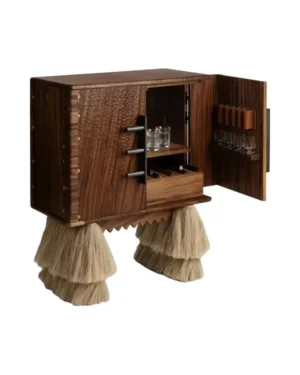
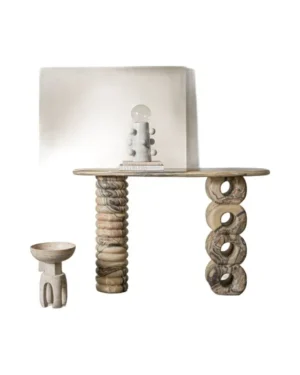
-
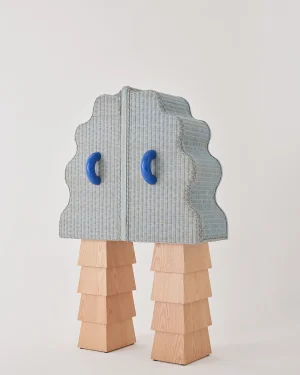
Ventura Cabinet
By Joyful Objects, Yes!
€6.900 This product has multiple variants. The options may be chosen on the product page -

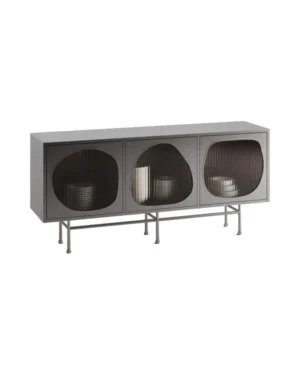
Vilma Display Cabinet
By Comité de Proyectos
€15.800 -
 In stock
Martin & Me High Gloss Two Piece Bar
By Toro Manifesto
€14.600 -

Carmen Bar Cabinet
By Comité de Proyectos
€10.900 -
 In stock
Rosomak – Garage Unit Wood Cabinet
By StorqueStudios
€1.794 -
 In stock
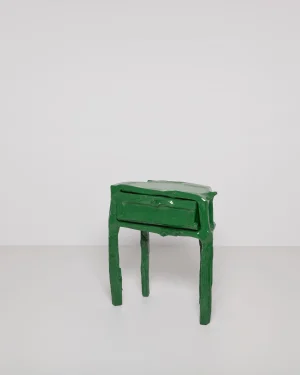
Splitted Round Cabinet Green
By Teun Zwets
€3.915 -

Salomón Credenza – Solid Rosa Morada Wood
By Kresta Studio
€2.500 -
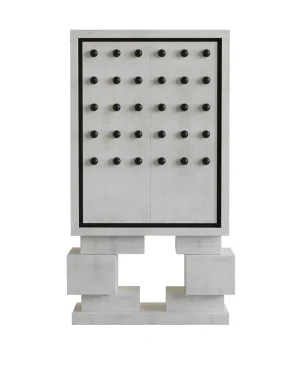
Sculpt – Bar Cabinet
By hermhaus
€4.829 This product has multiple variants. The options may be chosen on the product page -
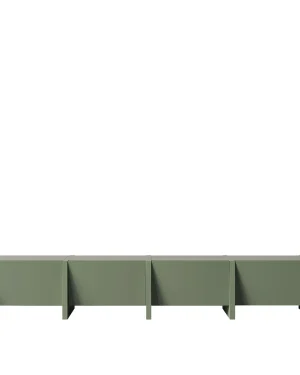
Bevel Low Console
By hermhaus
€3.405 - €4.024 This product has multiple variants. The options may be chosen on the product page -

Dot Mini Cabinet
By hermhaus
€5.745 This product has multiple variants. The options may be chosen on the product page -
 In stock
Phloem, Parota Wood Carved Credenza – Cabinet
By CMX | Furniture
€15.086 -
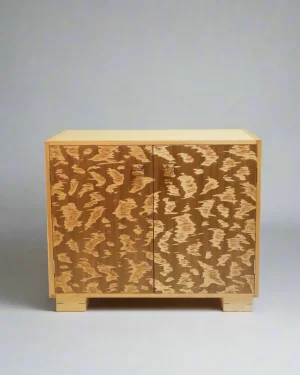
Acid Cabinet, Walnut And Ash Wood
By Josh Page Studio
€2.770 -

Jose Bar
By PROSA
€5.200 -

Brocado Cabinet – Cabreúva Wood / Embroidered Glass
By YANKATU
€5.100 -

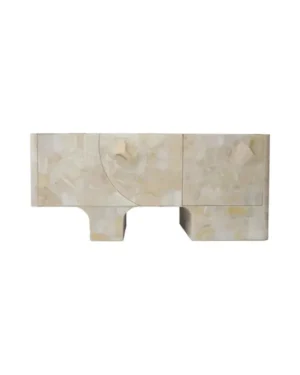
Eoli Credenza In White Onyx, Postmodern Sideboard/cabinet
By Panorammma Atelier
€24.900 -
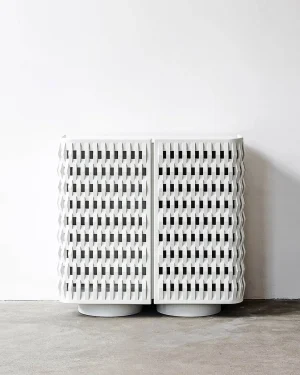
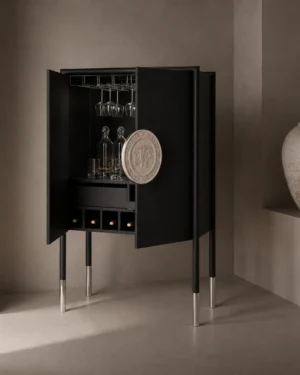
Chain Mail (two-door Cabinet)
By ZEMNA
€6.000 -
 In stock
Puduhepa Liquor Cabinet
By MARAU
€25.000 -

Timujin Wenge Wood Cabinet
By Brett Paulin
€11.366 -
 In stock
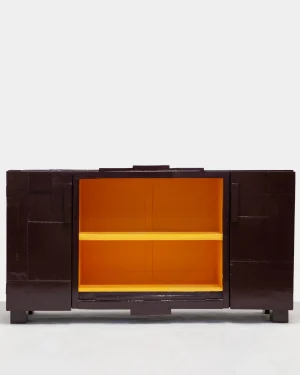
Capri – Drink Cabinet
By Lebanto
€10.500 -
 In stock
Practice Semi-open Credenza
By Studio Fabius Clovis
€8.900 -
 In stock
Rima Credenza
By Peca Mobiliario
€5.455 -
 In stock
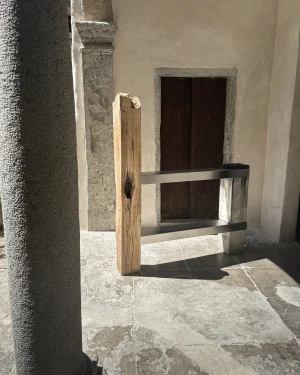
Perfidia_01 Solid Wood & Casted Bronze Bar Cabinet
By ANDEAN
€12.551 -
 In stock
Ice Beech Wood Sideboard
By case studios
€2.810 -

Acid Chest Of Drawers, Walnut And Ash
By Josh Page Studio
€4.100 -
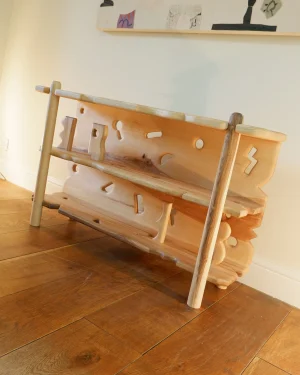
Cut Out Ash Wood Sideboard
By Josh Page Studio
€1.790 -

Das Bar Cabinet
By Nathan Chintala
€14.500 -
 In stock
Succession – Leather / Textile Cabinet
By FARG & BLANCHE
€6.000 -
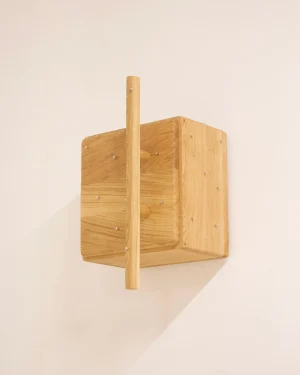 In stock
Présence Chest Wall Cabinet in Oak and Steel
By Vital Lainé
€1.400 -
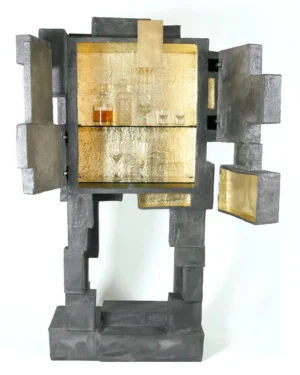 In stock
Grey Cardboard Bar Cabinet – Box-3
By Studio Josha
€10.995 -
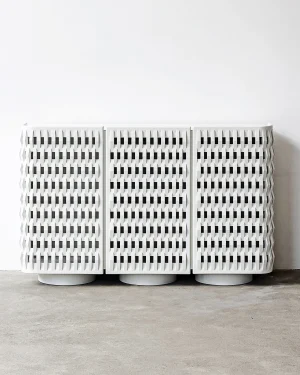
Chain Mail (three-door Cabinet)
By ZEMNA
€8.000 -
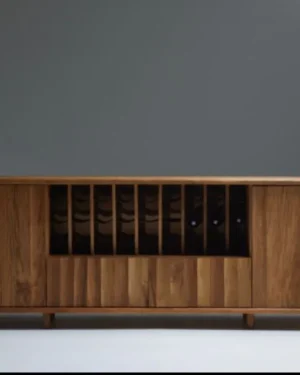
Cava Salomón – Wine Cabinet
By Kresta Studio
€3.750 -
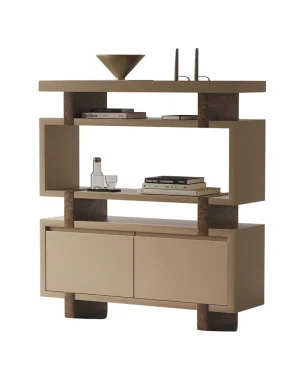
Aks Bookshelf – Lacquered On Mdf
By hermhaus
€4.292 This product has multiple variants. The options may be chosen on the product page -
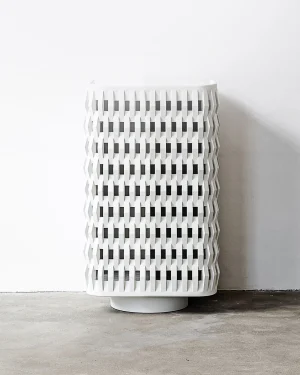
Chain Mail (single-door Cabinet)
By ZEMNA
€3.760 -
 In stock
L’isola Che Non C’e’ – Sculptural Briarwood Island
By M’ama edizioni
€17.790 -
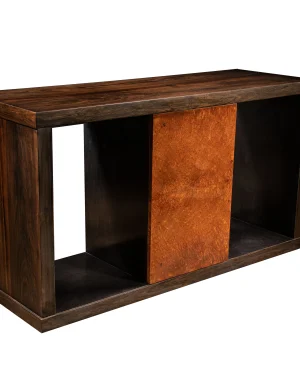
Bertolucci – Exotic Wood / Bronze Credenza
By Costantini Design
€8.147 This product has multiple variants. The options may be chosen on the product page -
 In stock
Timujin Tall Cabinet
By Brett Paulin
€19.225 -
 In stock
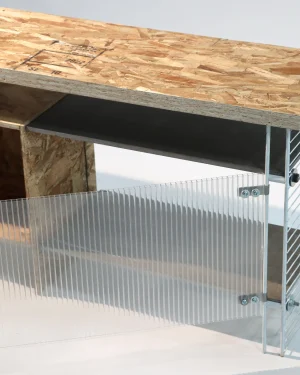
Two Halves – Upcycled Credenza
By Nolan Talbot-Kelly
€2.600 -
 In stock
Grand Tour
By M’ama edizioni
€6.500 -
 In stock
The Cabinet In Love
By Masha Volkova
€4.600 -
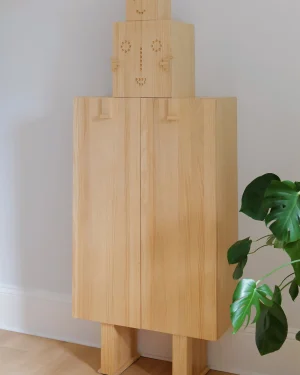
Furniture Friends – Cabinet No. 1 (pino)
By STUDIO FP
€6.030 -

Phloem, Oak Wood Carved Credenza
By CMX | Furniture
€15.086 -

Doressā – Wooden Credenza
By Moneo Brock Studio
€10.000 -

Elmer – Kitchen Island
By M’ama edizioni
€12.000 -

Planet Cabinet
By WOODTALES by Foteini Noti
€4.800 -
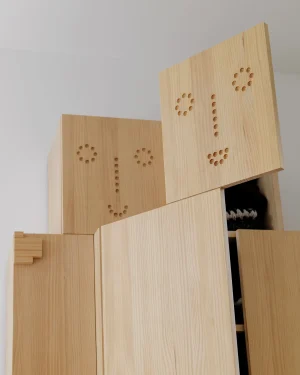
Furniture Friends – Cabinet No. 2 (pino)
By STUDIO FP
€6.326 -
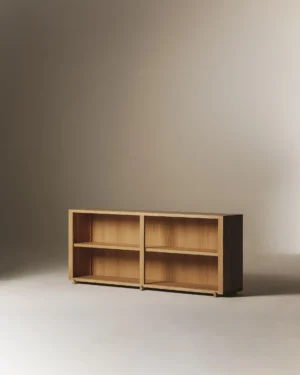 In stock
Campo Cabinet
By Mike Hausmann
€13.700 -
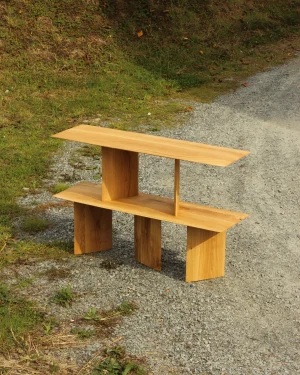 Sold
Gavrinis Sideboard – Solid Oak Wood
By Vital Lainé
€2.500 -

Walnut Burl Storage Cabinet
By Petra Madalena
€3.956 -
 In stock
Cupboard
By Studio Victor Hahner
Price Upon Request -

Ramon Credenza
By Comité de Proyectos
Price Upon Request -

Abrigo Credenza – Handwoven Wood Cylinders/ Cotton Threads
By YANKATU
Price Upon Request -
 In stock
Cabinet From The 1+1+1 Series
By AaltoAalto Studio
€2.600 -
 Sold
Rian – Wood / Brass Dresser
By Semigood Design
€8.080
Wooden cabinets bring the grain, color and weight of a living material into storage furniture, built by studios who choose timber for how it ages rather than how it looks on day one. Each piece is shaped through cabinetmaking, carving, veneering or marquetry, methods that depend on hand skill and a feel for how a board will move over time. What defines the category is this combination: a material that shifts subtly with humidity and light, and a maker who accounts for that from the first cut.
What defines a wooden cabinet
Wood is porous, directional and alive in a way that metal or stone is not. A panel of oak or ash carries a grain pattern that runs through the piece, so two cabinets from the same studio are never identical. Hardwoods resist dents and carry weight well, which is why they anchor cabinetry meant to hold books, dishware or linens for decades rather than years.
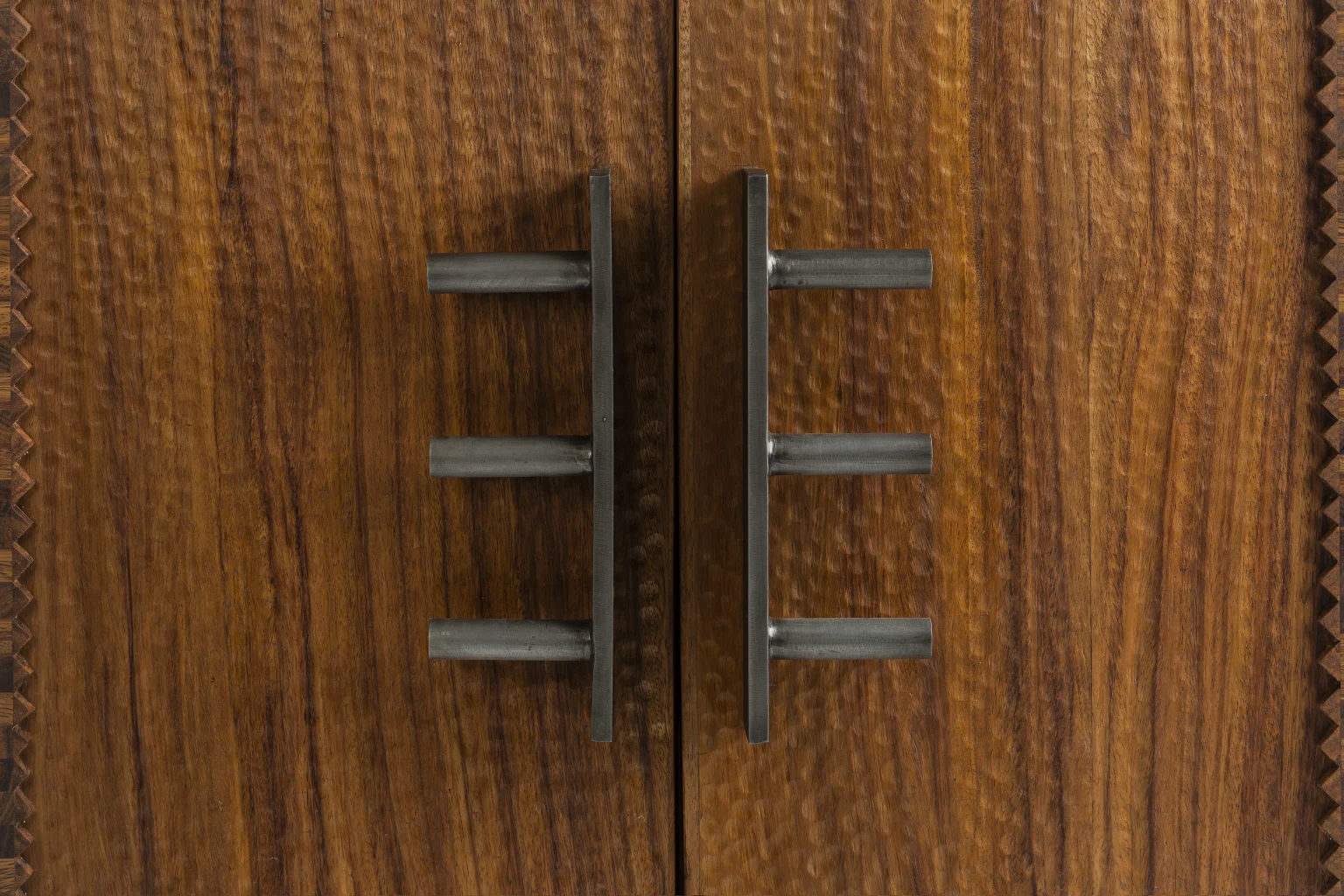
Color in wood comes from the species and the finish, not from pigment layered on top. Walnut darkens toward brown-black, ash stays pale and cool, charred wood goes near-black at the surface while keeping its grain visible underneath. A cabinet's tone will shift a little as it sees daylight, usually deepening, which is part of how the material is meant to behave.
The range of wood, finish and technique
Across cabinets on ADORNO, wood appears as oak, ash, walnut and other hardwoods, sometimes paired with natural fiber or rattan panels for a lighter front. Finishes run from raw and oiled to charred, lacquered or left to weather, and techniques include cabinetmaking and joinery for the frame, with carving, veneering or marquetry added where a studio wants pattern or relief. Editions vary by maker: some wooden cabinets are open editions, produced to a standing design, others are limited runs or unique pieces where no two will be made exactly the same way again.
Styles range as widely as the techniques. A piece can read as Scandinavian in its pale, straight-grained restraint, mid-century modern in its tapered legs and warm veneer, or maximalist where marquetry and strong color meet. For a narrower look at plainer lines, the minimalist cabinets group within the same category shows how far the material can be pared back.
How to choose a wooden cabinet
Start with scale: a cabinet should sit comfortably against the wall it's given, neither crowding a doorway nor floating in too much empty space around it. Height matters for use as much as looks, since a piece meant to hold a television or bar setup usually sits higher than one built for folded linens.
- Match the wood tone to existing flooring or furniture, or let it contrast deliberately rather than by accident
- Check whether the finish is open-pored and matte, which shows wear character sooner, or sealed and lacquered, which resists marks longer
- Consider door versus open storage, and how the hardware or lack of it will read against the grain
Where wooden cabinets work
In a living room, a low wooden cabinet holds media equipment or acts as a long sideboard beneath art. In a dining room, a taller case piece stores glassware and linens close at hand. Wood also suits bedrooms and entryways, where its warmth softens harder surfaces like stone floors or steel fittings; a dedicated entryway cabinet or a home bar cabinet both lean on the same material logic, just tuned to a different room.
Caring for wood over time
Keep wooden cabinets away from direct radiator heat and prolonged sun, both of which dry timber unevenly and can cause splitting at joints. Wipe spills promptly, since standing water will mark an oiled or raw finish faster than a lacquered one. A light wax or oil applied occasionally keeps the surface fed and the color even, and minor scratches in solid wood can usually be sanded back rather than hidden.
For wood beyond cabinetry, the same material runs through wooden furniture more broadly and into related pieces such as every wood piece on ADORNO, from tables to seating, all shaped by the same questions of grain, finish and how a room will use them.
How do I choose a wooden cabinet?
Start with the wood itself: oak and ash carry weight and suit daily use, while walnut leans darker and more formal. Match joinery and finish to the room's light and traffic.
How do I care for a wooden cabinet?
Keep wood away from direct heat and damp, and wipe with a dry or barely damp cloth. Oiled or waxed surfaces benefit from occasional reconditioning to keep the grain from drying out.
What size cabinet should I get for my space?
Measure wall length, ceiling height and door swing before deciding on width and depth. Taller cabinets anchor a room visually, while low cabinets work well under windows or art.
Which rooms suit a wooden cabinet?
Wooden cabinets hold their own in living rooms, dining rooms and entryways, where they double as storage and a visual anchor. Bedrooms also suit smaller, lower pieces for linens or clothing.
Can I order a custom size or finish?
Some studios take custom requests on dimensions, wood species or finish. Chat with the maker on the piece's page to confirm what is possible.
What are ADORNO's shipping, returns and authenticity policies?
Shipping is insured and worldwide. Returns are accepted within 14 days, excluding made-to-order pieces, and every purchase includes a certificate of authenticity along with a lowest-price guarantee.