-
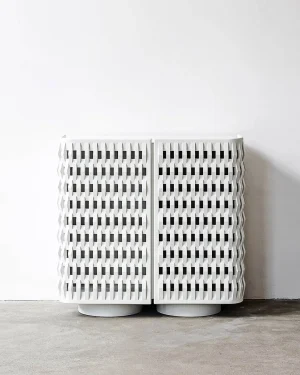
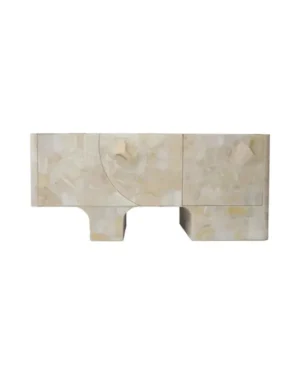
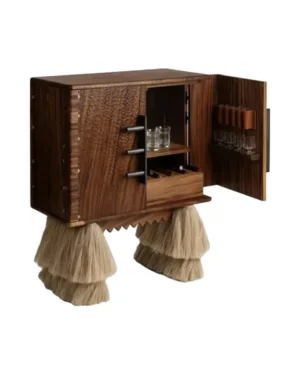
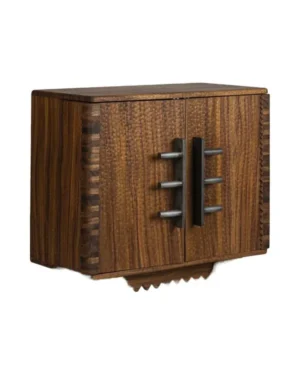
Chain Mail (two-door Cabinet)
By ZEMNA
€6.000 -
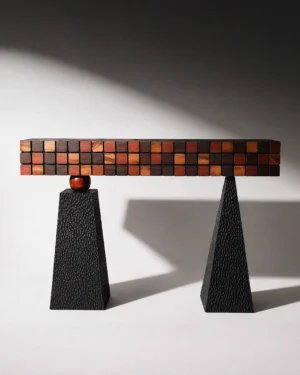
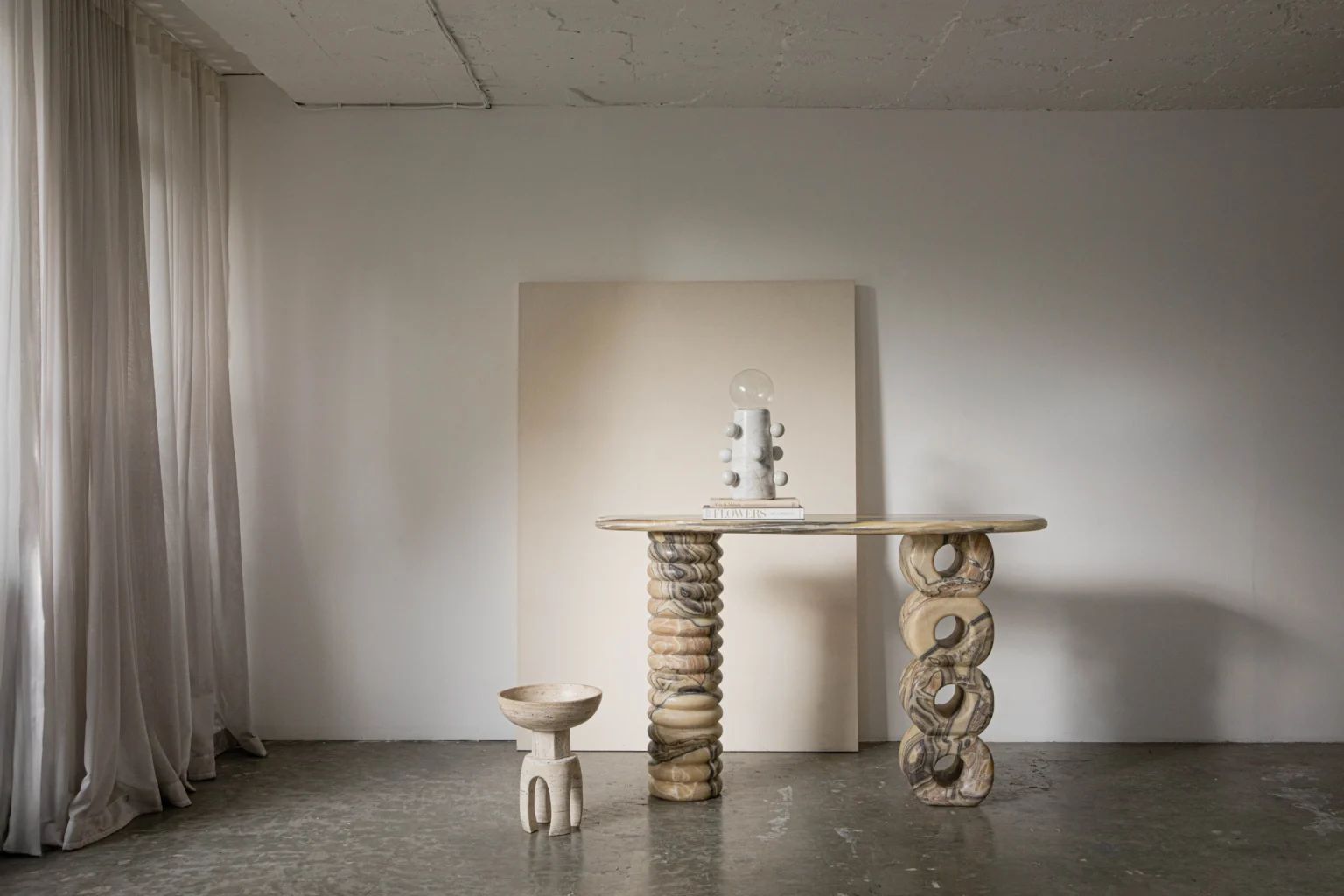
Caapora Console
By Estudio Leonardo Zanatta
€7.150 -
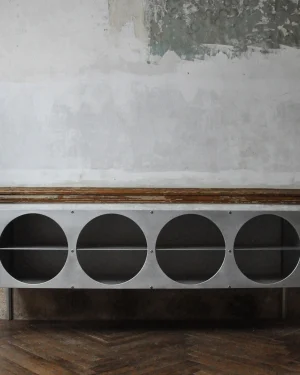
D400 Console – Matte Aluminium
By MLK Furniture
€4.700 -
 In stock
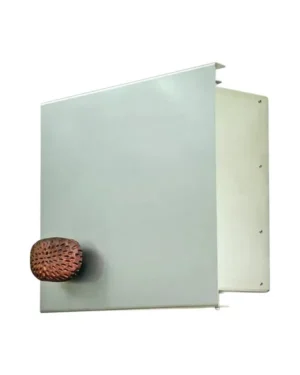
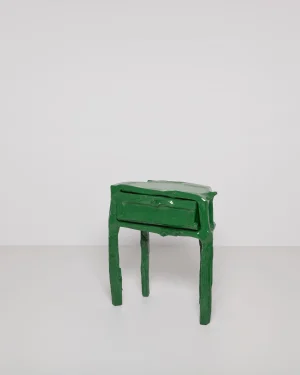
Splitted Round Cabinet Green
By Teun Zwets
€3.915 -
 In stock
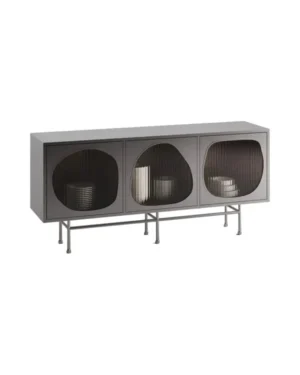
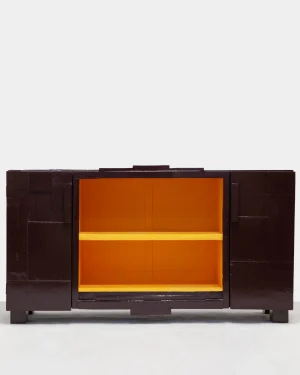
Practice Semi-open Credenza
By Studio Fabius Clovis
€8.900 -
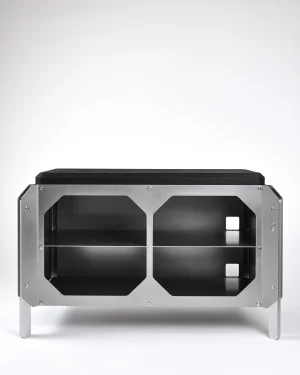
Jnk330 Console – Matte Stainless Steel / Ebonized Oak Wood
By MLK Furniture
€2.500 -
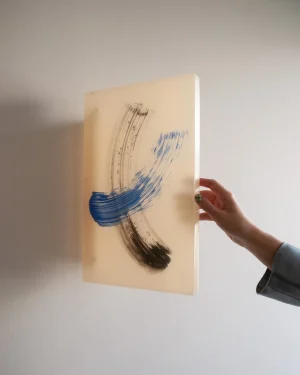
Future Heirlooms Cabinet
By Studio Ebba Lindgren
€1.200 This product has multiple variants. The options may be chosen on the product page -
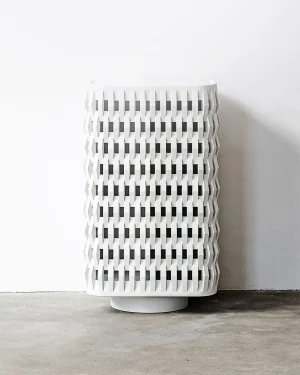
Chain Mail (single-door Cabinet)
By ZEMNA
€3.760 -
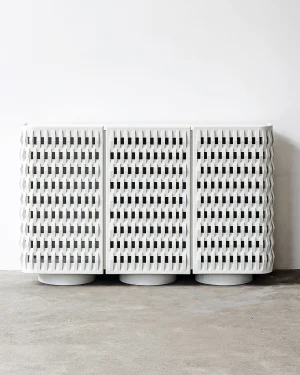
Chain Mail (three-door Cabinet)
By ZEMNA
€8.000 -
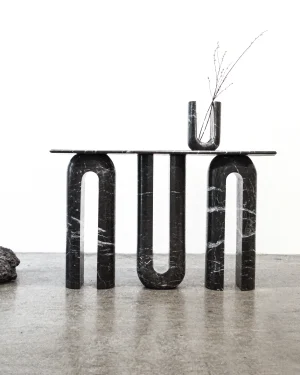 In stock
Lago – Marble Console
By Studio Ayres
€5.240 -
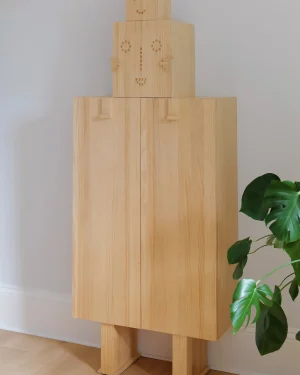
Furniture Friends – Cabinet No. 1 (pino)
By STUDIO FP
€6.030 -
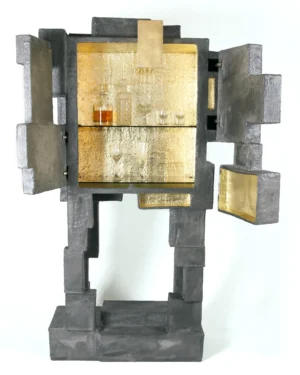 In stock
Grey Cardboard Bar Cabinet – Box-3
By Studio Josha
€10.995 -
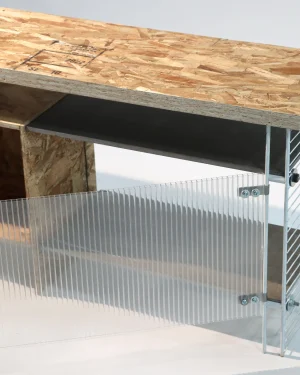 In stock
Two Halves – Upcycled Credenza
By Nolan Talbot-Kelly
€2.600 -

Walnut Burl Storage Cabinet
By Petra Madalena
€3.956 -
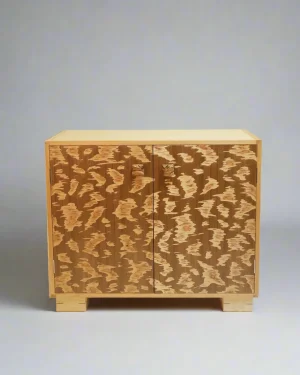
Acid Cabinet, Walnut And Ash Wood
By Josh Page Studio
€2.770 -
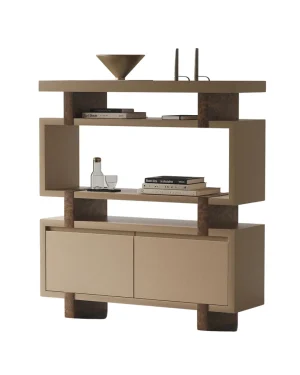
Aks Bookshelf – Lacquered On Mdf
By hermhaus
€4.292 This product has multiple variants. The options may be chosen on the product page -
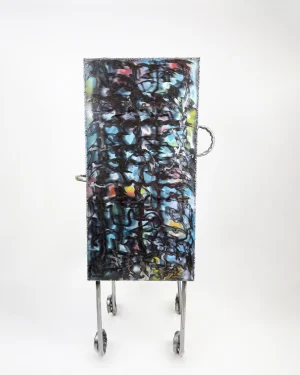 In stock
The Awkward Cabinet
By Masha Volkova
€3.900 -
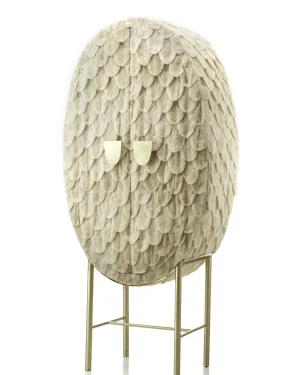
Bucha Soberana Cabinet
By Cultivado em Casa
€11.977 -
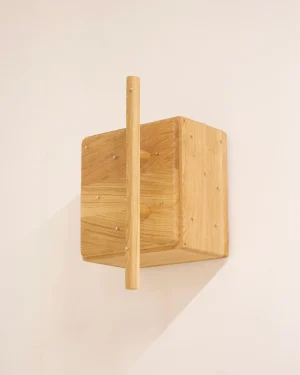 In stock
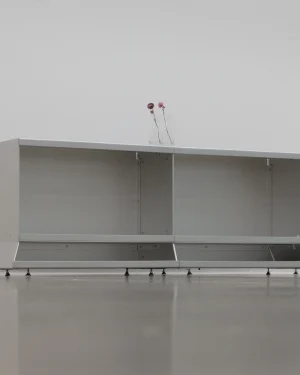
Présence Chest Wall Cabinet in Oak and Steel
By Vital Lainé
€1.400 -
 In stock
Aluminum Bench With Storage
By andykim.global
€2.217 -
 In stock
The Cabinet In Love
By Masha Volkova
€4.600 -

D300 Shelves – Mirror Stainless Steel
By MLK Furniture
€1.690 -
 In stock
Timujin Tall Cabinet
By Brett Paulin
€19.225 -

Sublime Tv Unit
By Nama Home
€3.870 -

Inner Tide 001 – Wall Cabinet
By Studio Formbart
€4.500 -
 Sold
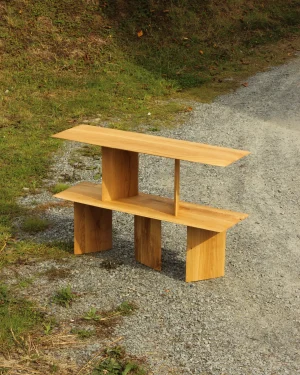
SoldGavrinis Sideboard – Solid Oak Wood
By Vital Lainé
€2.500 -
 In stock
Infinite Aya Console
By TheUrbanative
-

Nasara Console
By TheUrbanative
Price Upon Request -
 In stock
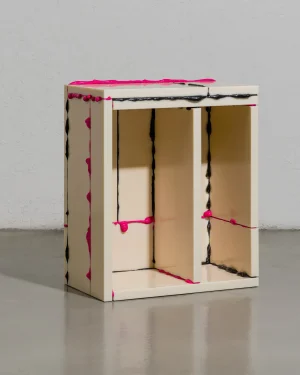
B. S. P Series – Recycled Plastic Cabinet
By Atelier SOHN
Price Upon Request -
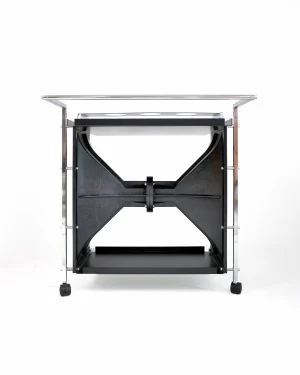
Horn Series – Storage Trolley
By juyong shim
Price Upon Request -
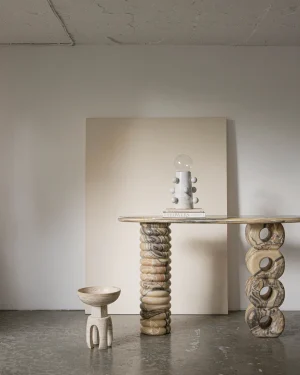
Lucrecia – Marble Console
By Studio Ayres
Price Upon Request -
 Sold
SoldCeramic Nacre – Mosaic Tile Drawers
By STUDIO KIMBYUNGSUB
Contemporary cabinets at ADORNO bring together wood, metal, stone and resin in forms that favor clean lines, visible joinery and material honesty over ornament. The studios behind them work across cabinetmaking, metalwork, CNC milling and hand finishing, producing pieces as open editions, limited editions or unique pieces. What ties the group together is less a single look than a shared attention to proportion, surface and how a cabinet sits in a room.
What sets the contemporary style apart
A cabinet in this style reads as considered rather than decorated. Fronts tend toward flat planes or simple curves, hardware disappears into push-catches or recessed pulls, and color comes from the material itself: the gray of raw aluminum, the warmth of oak, the depth of a lacquered black or off-white front. Where pattern appears, it is more likely to come from grain, carving or a painted gesture than from anything applied on top.
Materials and methods behind contemporary cabinets
Oak and other woods remain the most common base, worked through cabinetmaking and, on select fronts, marquetry or wood carving for texture. Metal cabinets, often in aluminum or brass, come from welding, metalwork and powder coating, which gives a durable, even color that resists chipping better than paint. Stoneware and carved stone bodies appear less often but carry weight and a cold-to-touch mass that plywood or resin pieces do not. Hand-painted fronts and resin inlays bring multicolor or gold accents against otherwise quiet silver, black or dark brown bodies.
- Wood, oak, plywood and metal for structure and fronts
- Brass, aluminum and stoneware for hardware, legs and accent panels
- Hand painting, stone carving and marquetry for surface and pattern
- Open editions, limited editions and unique pieces, depending on the maker's process
Choosing scale, height and placement
Start with the wall or floor space a cabinet will occupy, then check its depth against the room's traffic: a sideboard that reads as slim in a showroom can crowd a narrow dining room. Heights run from low consoles near coffee-table level to tall storage that meets eye level, so match the piece to what it needs to hold and to the furniture beside it. Finish matters as much as size: a pale oak or off-white front lightens a small room, while a black or dark brown body gives a large wall a fixed point.
Where contemporary cabinets work
Living rooms take them as media storage or display, dining rooms as sideboards for linens and glassware, entryways as a first landing point for keys and coats. A home bar cabinet suits a dining room or a living room corner built for serving, while an entryway cabinet favors a narrower, taller body suited to a hallway.
Living with wood, metal and stone
Oak and other solid woods darken slightly with light exposure and benefit from an oil or wax finish reapplied every year or two. Powder-coated metal wipes clean with a damp cloth and resists fingerprints better than gloss lacquer. Stone and stoneware fronts should be sealed against staining and kept away from direct, prolonged sun, which can dull painted or resin surfaces over time.
For a wider view of the style, the full range of contemporary design on ADORNO extends beyond storage, while the broader cabinet category spans more styles and periods. Those drawn to a single material can narrow further through wooden cabinets or metal cabinets, and anyone after a one-off can look at unique cabinets made as single pieces rather than runs, a natural next stop after contemporary cabinets built in open or limited editions.
How do I choose a contemporary cabinet?
Start with the room's proportions and the materials already in it, then look for a silhouette, wood tone or metal finish that stands apart rather than blends in. Contemporary pieces favor clean lines and bold material contrast over ornament.
What materials are contemporary cabinets made from?
Oak, walnut and plywood appear often, alongside metal, brass, stoneware and resin. Many pieces pair wood with a metal or lacquer accent for contrast.
How do I care for a wood or metal cabinet?
Wipe wood with a dry or slightly damp cloth and keep it from direct heat or sun to avoid warping. Metal surfaces need only occasional dusting, though polished brass will darken naturally over time.
What size cabinet fits a living or dining room?
Contemporary cabinets range from low sideboard heights near hip level to tall storage pieces that reach the ceiling. Measure your wall and doorway clearances first, and confirm exact dimensions with the maker via Chat with the maker on the piece's page.
Which rooms suit a contemporary cabinet?
Living rooms and dining rooms use them for storage and display, while entryways and home bars favor smaller footprints. Bedrooms can take a tall cabinet in place of a wardrobe.
How does shipping, returns and authenticity work at ADORNO?
Shipping is insured and worldwide. Returns are accepted within 14 days, except on made-to-order pieces, and every cabinet arrives with a certificate of authenticity.