-
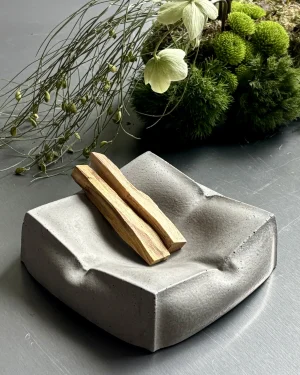
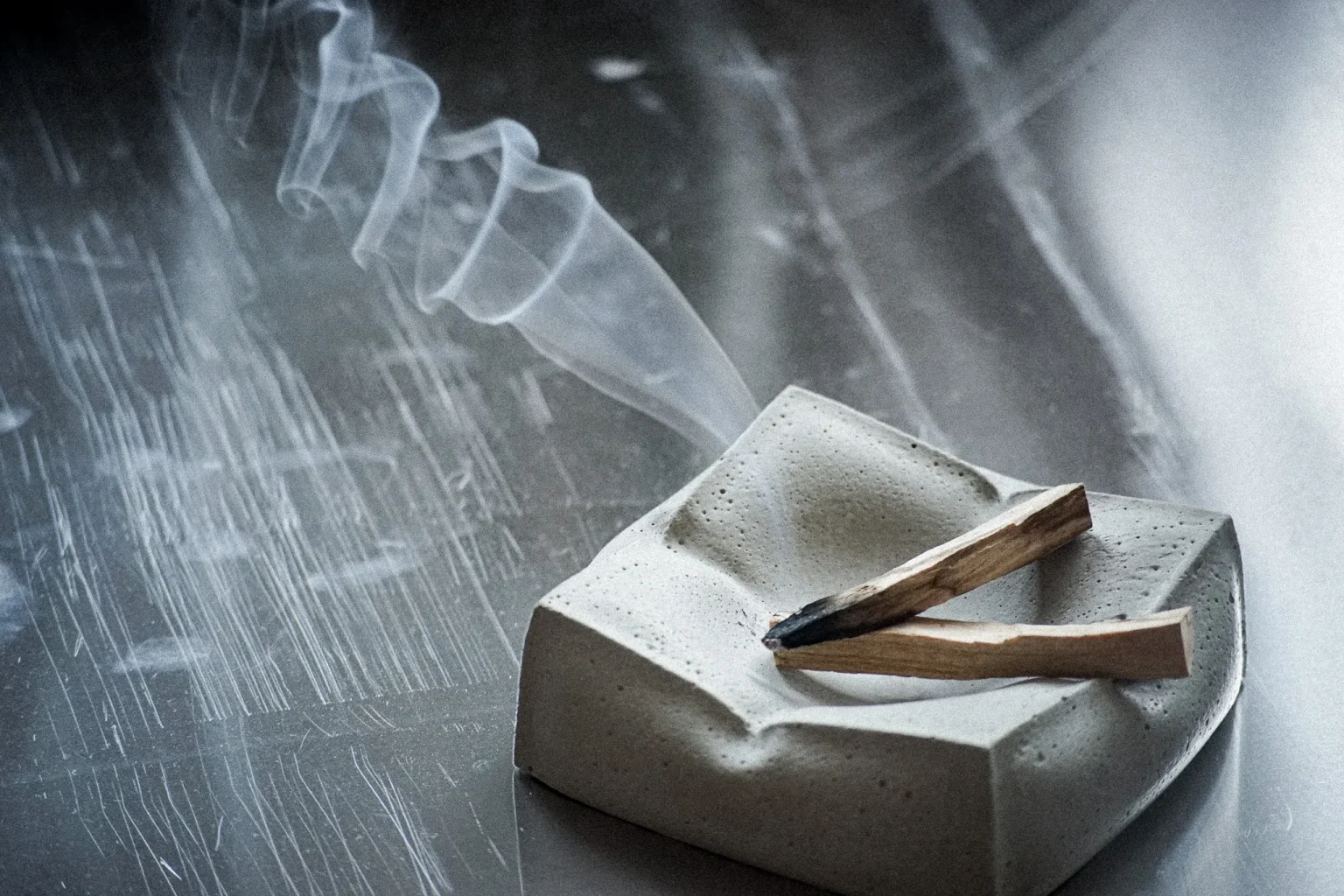
Pillow Tray Raw – Concrete Design Tray
By julius.works
€90 -

Trinket Tray
By Six Dots Design
€42 -

Strawberry Ashtray
By Sugoi Studio
€380 -
 In stock
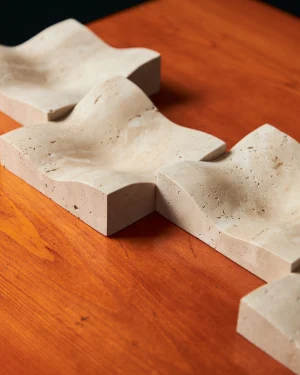
Ashen – Marble Ashtray / Catch All Tray
By Boo Design Studio
€162 -
 In stock
Otto Tray In Layered Birch Wood
By SOLMISTUDIO
€1.250 -

Paper Tray
By Six Dots Design
€65 -
 In stock
Tray S Yuma Collection
By HYZ
€450 -
 In stock
Otto Centerpiece In White Carrara Marble Or Nero Marquina
By SOLMISTUDIO
€2.600 This product has multiple variants. The options may be chosen on the product page -
 In stock
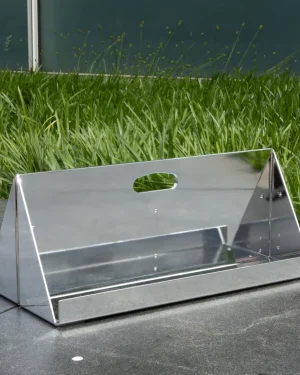
Tote Tray – Chrome Plated Aluminum
By andykim.global
€1.500 -
 In stock
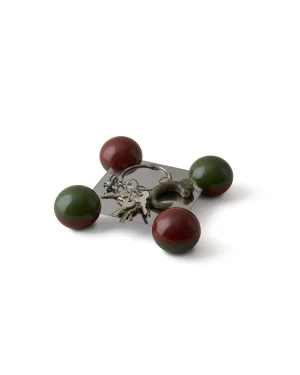
Ball Tray Collection – Casted Resin /Stainless Steel
By 304.cage
€400 This product has multiple variants. The options may be chosen on the product page -
 In stock
Trays – “les Endormis” Collection
By Pirouette
€468 -
 In stock
Tray S – Sonia – Yuma Collection
By HYZ
€530 -
 In stock
Ritualia – Arabescato Bowl
By CARRARA
€150 -
 In stock
Herbarium-a1
By EQUILIBRI-FURNITURE
€120 -
 Sold
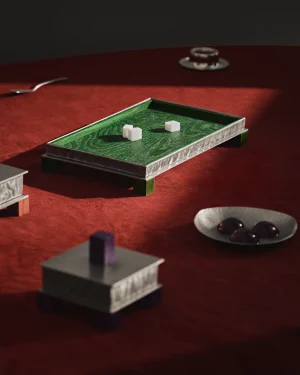
SoldYuma – Steel & Wooden Tray
By HYZ
€750
Contemporary trays bring together flat or shallow forms, raised edges and handles that read as sculpture, made by studios working across steel, aluminum, stone and wood. What sets them apart is restraint: surfaces are left plain or lightly textured, geometry stays simple, and the material itself is allowed to carry the piece. Some are turned out in open runs, others appear as limited editions or one-offs, depending on the technique behind them.
What defines a contemporary tray
A tray in this style favors clean lines over ornament. Edges are square or gently radiused, handles are cut into the body rather than bolted on, and color comes from the material's own finish, the gray of raw aluminum, the white or dark green of a stone, the black of an oxidized steel. Where earlier trays leaned on pattern or inlay, these pieces rely on proportion and surface alone.
Materials, finishes and techniques found here
Stainless steel and aluminum trays dominate, shaped through metalwork and left raw, brushed or powder-coated in black, silver or beige. Marble and stone trays come from slabs cut and polished through stone carving, their veining and weight doing the work that decoration would otherwise do. Oak wood trays, built through wood and cabinetmaking, bring warmth and a grain that shifts with light. Concrete trays, formed by casting, read as heavier and more architectural, often in gray or coral-tinted mixes.
- Metalwork: stainless steel, aluminum, raw aluminum
- Stone carving: marble, stone
- Wood and cabinetmaking: oak
- Concrete casting: concrete, often gray or amber toned
Across contemporary trays, editions vary by technique. Cast concrete and carved stone pieces tend to appear in limited editions or as unique pieces, since each slab or pour differs slightly, while metal trays worked to a fixed template are more often produced in open editions. For a wider look at the style across materials, metal trays and concrete trays both sit within the same restrained language.
Choosing a tray for scale and placement
Start with what the tray needs to carry. A small tray for keys or a few glasses asks for a different weight of material than one meant to hold a full set of drinkware or a coffee service. Stone and concrete trays carry weight well but are heavier to lift and move, so they suit a surface where they can stay put, a console, a credenza, a low table. Metal and oak trays, lighter by comparison, move more easily between a kitchen counter and a dining table.
Finish matters as much as size. A raw or brushed metal finish shows fingerprints more than a powder-coated one, and a honed stone surface resists stains better than a polished one. Match the finish to how often the tray will be handled, not only to how it will look.
Where these trays find a place
Contemporary trays move between rooms more than most tableware. In a living room one anchors a coffee table, holding candles, small objects or a carafe. In a dining room it carries serving pieces to and from the table. In a kitchen it organizes bottles, oils or cutting boards near the stove, close to where kitchen trays are put to daily use. For a broader range of pieces in the same restrained style, the full set of contemporary accessories extends beyond trays into bowls, vases and other objects.
Caring for metal, stone and wood surfaces
Stainless steel and aluminum wipe clean with a damp cloth and resist most household use; raw aluminum will darken slightly over time unless sealed. Marble and other stone trays stain from acidic liquids such as wine or citrus, so spills should be wiped promptly and the surface sealed periodically. Oak wood tolerates dry use best; standing water will raise the grain, so it should be dried right away and occasionally refreshed with oil to keep the surface from drying out. Concrete is porous and benefits from a sealant to resist staining and keep its color even.
For the complete range of trays by material, color and technique, the full trays category and every other contemporary piece on ADORNO sit alongside these.
How do I choose a contemporary tray?
Start with how it will be used, serving, catching keys, or standing alone as an object, then match the material and finish to the room it sits in. A contemporary tray reads through clean lines and a restrained palette rather than ornament.
What materials are contemporary trays made from and how do I care for them?
Stainless steel, aluminum, marble, oak and concrete are common. Wipe metal and stone with a soft cloth, avoid acidic spills on marble, and oil oak occasionally to keep the grain from drying out.
What size tray should I buy?
Smaller trays suit a console or coffee table, while larger ones carry drinks or serve as a centerpiece for a dining table. For exact dimensions on a specific piece, chat with the maker on the piece's page.
Which rooms suit a contemporary tray?
Living rooms, dining rooms, bar carts and entryways all take well to a contemporary tray, where it anchors smaller objects or carries glassware without competing with the furniture around it.
Are contemporary trays handmade or made to order?
Some are handmade or produced in limited runs, others in open editions; this varies by piece. Chat with the maker on the piece's page to confirm how a particular tray is produced.
How does shipping, returns and authenticity work when buying from ADORNO?
Shipping is insured and worldwide, with a 14-day return policy excluding made-to-order pieces. Every tray arrives with a certificate of authenticity, backed by ADORNO's lowest-price guarantee.