-
 In stock
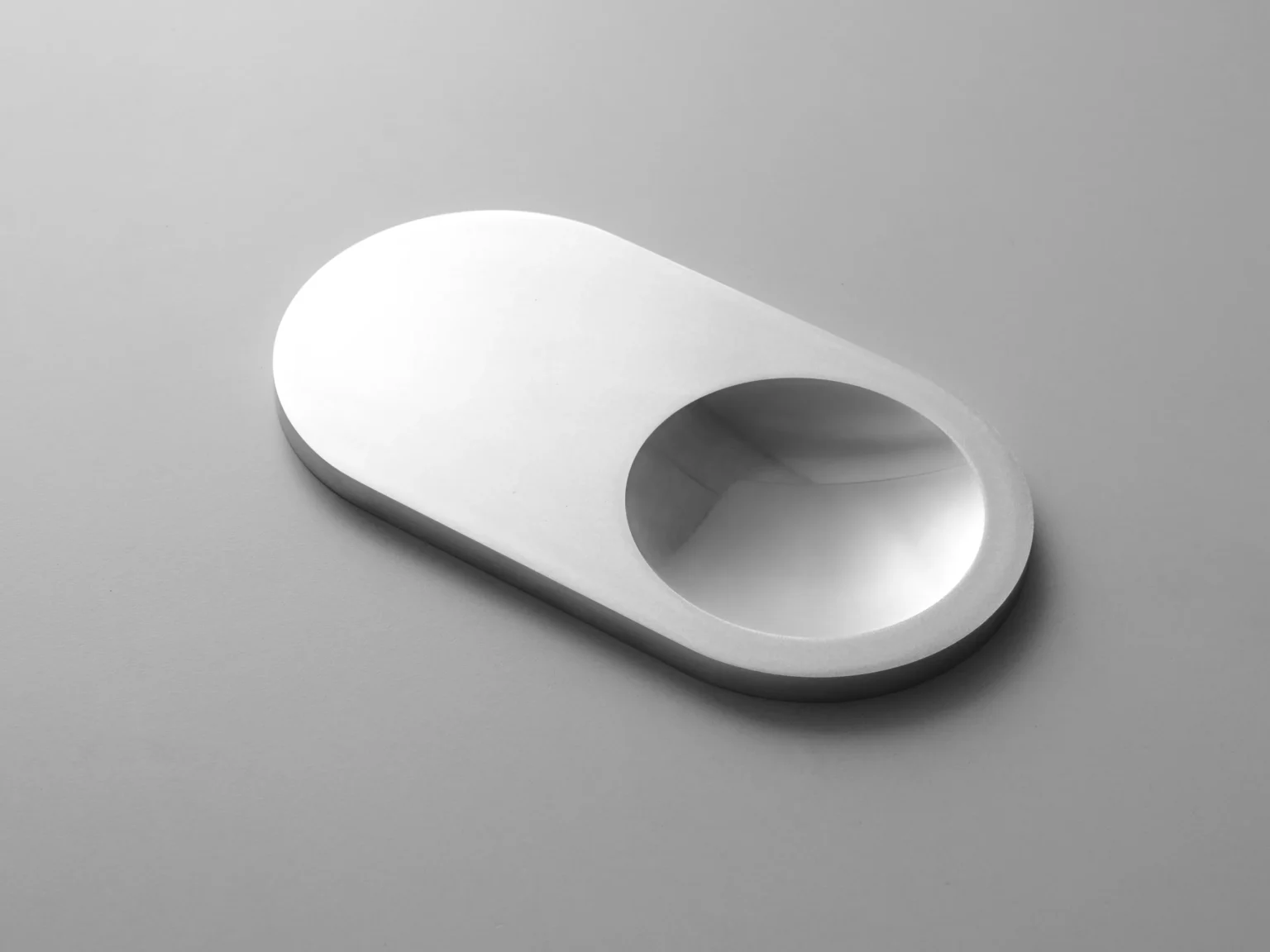
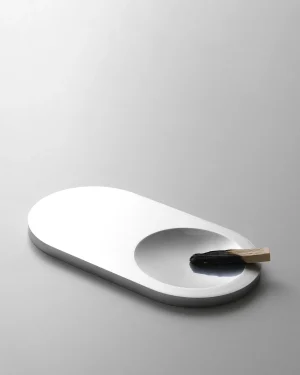
Flight Mode Burning Tray
By Obscure Objects
€206 -
 In stock
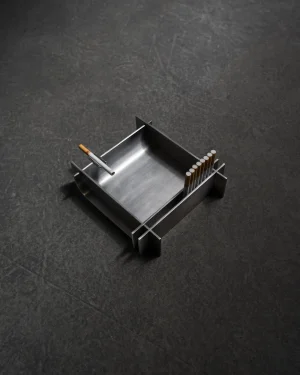
Wrp-004 Stainless Steel Ashtray
By NAVE
€250 -

Trinket Tray
By Six Dots Design
€42 -
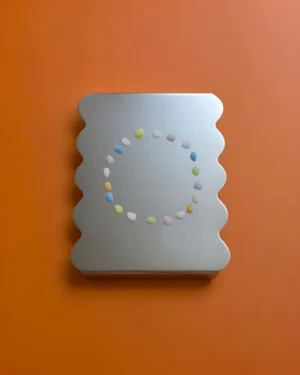 In stock
Five | Luminus Satin Serving Stand & Tray
By Studio Boyo
€199 -
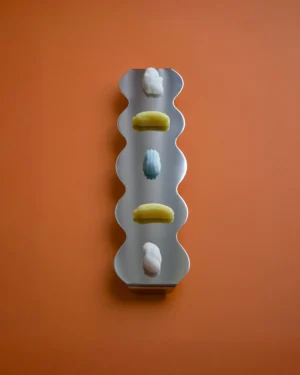 In stock
Five Long | Silk Mirror Serving Stand & Tray
By Studio Boyo
€159 -
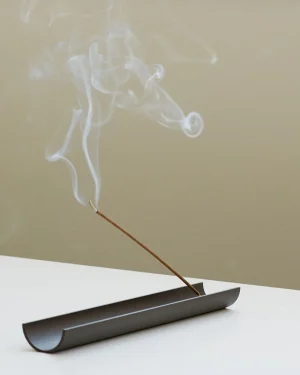 In stock
Burn Plate – Aluminum Incense Tray
By Calen Knauf Studio
€83 This product has multiple variants. The options may be chosen on the product page -
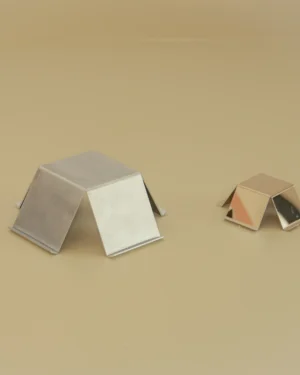 In stock
In By On Object 01, Object 02 – Incense Holder
By seamlessnote
€150 -
 In stock
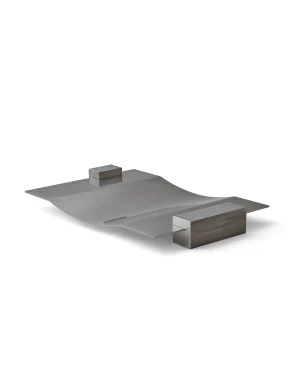
Bow Tray – Stainless Steel / Aluminum
By 304.cage
€300 -
 In stock
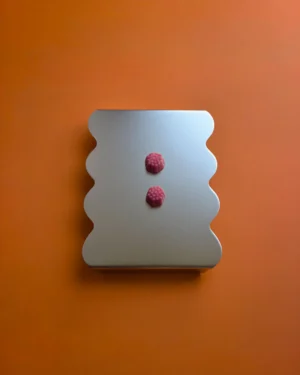
Four | Luminous Satin Serving Stand & Tray
By Studio Boyo
€189 -
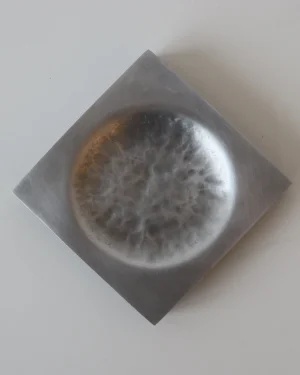
Cratere – Bowl
By Emilia Tombolesi
€230 This product has multiple variants. The options may be chosen on the product page -

Paper Tray
By Six Dots Design
€65 -
 In stock
Tray S Yuma Collection
By HYZ
€450 -
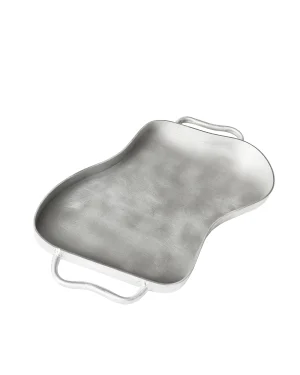
Aluminum Serving Tray
By Six Dots Design
€425 -
 In stock
Folha Tray
By studiomakuko.com
€350 -
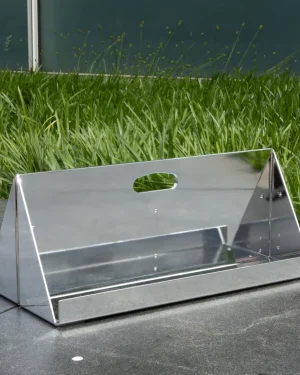 In stock
Tote Tray – Chrome Plated Aluminum
By andykim.global
€1.500 -
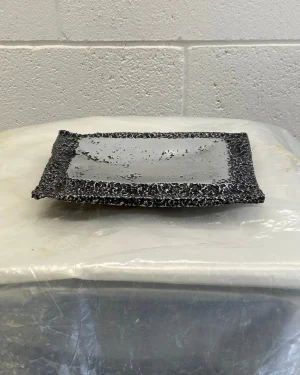
Melancholy Jewellery Dish – Aluminium
By Saturday Yard Work
€390 -

The Ember Tray
By COSEINCORSO
€490 -
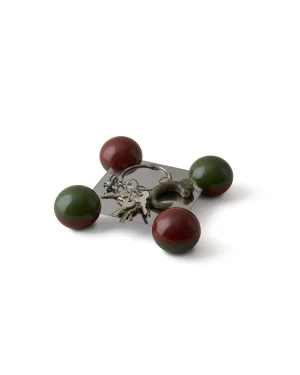 In stock
Ball Tray Collection – Casted Resin /Stainless Steel
By 304.cage
€400 This product has multiple variants. The options may be chosen on the product page -
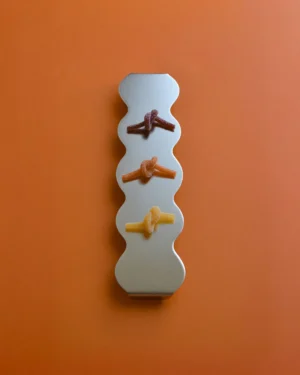 In stock
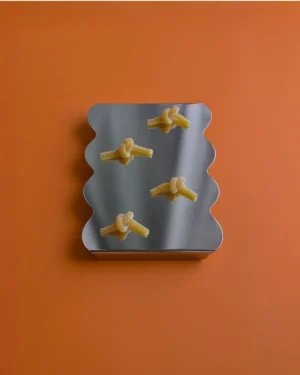
Five Long | Luminous Satin Serving Stand & Tray
By Studio Boyo
€169 -
 In stock
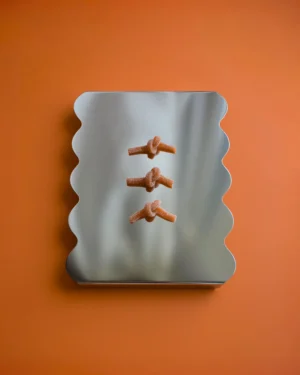
Four | Silk Mirror Serving Stand & Tray
By Studio Boyo
€179 -
 In stock
Five | Silk Mirror Serving Stand & Tray
By Studio Boyo
€189 -
 In stock
Tray S – Sonia – Yuma Collection
By HYZ
€530 -
 In stock
Kahn Trolley – Entryway Table
By Kari Kadak
€10.200 -
 In stock
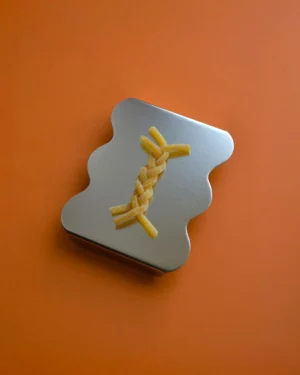
Herbarium-a1
By EQUILIBRI-FURNITURE
€120 -
 In stock
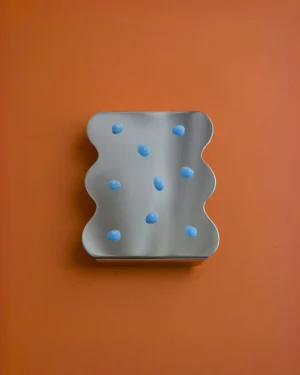
Three | Luminous Satin Serving Stand & Tray
By Studio Boyo
€179 -
 In stock
Three | Silk Mirror Serving Stand & Tray
By Studio Boyo
€169 -

Marri Trays
By MARAU
€3.000 This product has multiple variants. The options may be chosen on the product page -
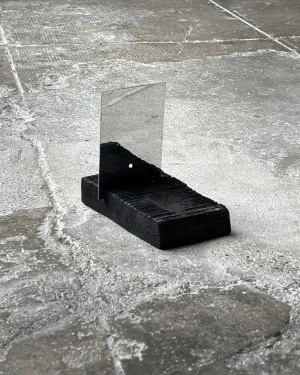 Sold
SoldBurned Wood Incense Holder
By case studios
€90 -
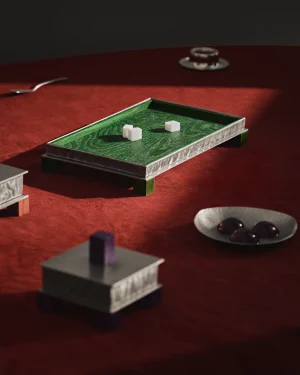 Sold
SoldYuma – Steel & Wooden Tray
By HYZ
€750 -
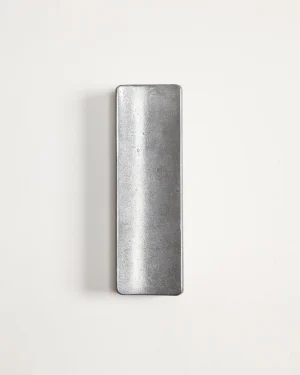
Arc – Pen Tray
By Stem
€65 - €145 This product has multiple variants. The options may be chosen on the product page -
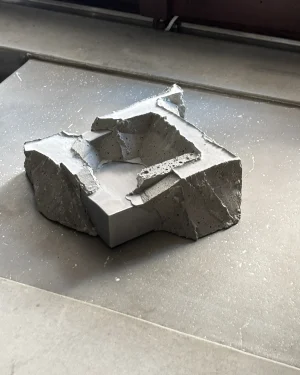 Sold
SoldStainless Steel & Concrete Tray
By case studios
€119 -
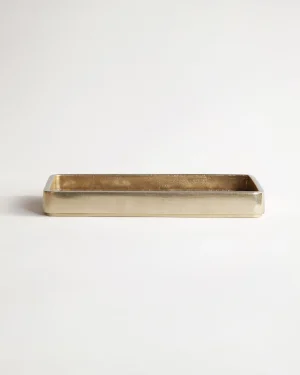
Plato – Table Tray
By Stem
€145 - €170 This product has multiple variants. The options may be chosen on the product page
Metal trays bring sheet and cast metal into a tabletop object, shaped by studios working in stainless steel, aluminum, brass and chrome. Some are spun on a lathe, some are sand cast, others are cut flat and bent at the edge, and each method leaves a different surface for light to move across. What they share is a cool, dense presence that wood and ceramic cannot offer.
What defines a metal tray
Metal takes a form and holds it. A rim pressed from steel keeps its line for decades, and a cast brass base carries weight without flexing. This density is what lets a tray double as a small table surface or a stable base for glassware and candles, something thinner materials struggle to do at the same scale.
Finish changes the character of the piece as much as the metal itself. A mirror-polished steel surface throws back the room around it, brushed aluminum reads quieter and more matte, and a powder-coated or anodized layer adds color while still showing the hand of the metalwork underneath. Laser cutting lets a maker open a pattern through the surface, so light and shadow pass through the tray rather than just sitting on top of it.
The range of finishes, colors and techniques
On ADORNO, metal trays appear in a handful of recurring families rather than one fixed look.
- Stainless steel, aluminum, chrome and brass, sometimes left raw and sometimes finished bright or matte.
- Silver, bronze and black tones, achieved through polishing, anodizing or powder coating rather than paint alone.
- Minimalist, neo-industrial, contemporary and futuristic styles, from a single bent sheet to a welded, sculptural form.
- Open editions for everyday use alongside limited editions where a technique such as sand casting makes each run small.
Anyone drawn to a flatter, more graphic surface might also look at minimalist trays, where the metalwork is pared back to a single clean edge.
How to choose a metal tray
Start with scale. A tray meant to hold a decanter and glasses needs enough surface to keep them apart, while a smaller one for keys or rings can sit on a narrow shelf or nightstand. Check the rim height too: a raised edge contains loose objects and liquid, a flat lip is easier to lift and carry.
Finish should answer the room it sits in. Polished chrome and bright steel pick up ambient light and work well where other surfaces are already reflective, such as glass or lacquer. A matte or black finish sits more quietly against wood, stone or fabric, and hides fingerprints better than a mirrored one. For a darker, more graphic result, black trays cover most of that ground without needing a high shine.
Weight matters once the tray is loaded. Cast and spun pieces in steel or brass sit heavier in the hand and stay put on a table, while thinner aluminum trays are lighter to carry between rooms, which suits serving more than static display. For that lighter end of the material, aluminum trays show the range from raw, brushed surfaces to anodized color.
Where metal trays work
In a dining or living room, a metal tray gathers glassware, a bottle and a candle onto one surface, keeping condensation and wax off the table itself. On a console or sideboard, a tray with a slight rim corrals smaller objects, keys, catalogs, a dish, so they read as one arrangement rather than clutter. In a bathroom, the same water resistance that makes metal useful at the bar makes it practical beside a sink.
Caring for a metal tray
Stainless steel and chrome wipe clean with a damp cloth and dry quickly, which keeps water spots from setting into the surface. Brass and raw aluminum develop a soft patina over time unless they are lacquered; this is normal and can be slowed with a light metal polish if a bright finish is preferred. Powder-coated and anodized surfaces resist scratching better than bare polished metal, but abrasive scourers will still dull them, so a soft cloth is enough for regular use.
For the fuller range of metalwork across tableware, lighting and furniture, the full set of metal pieces on ADORNO sits alongside everything gathered under trays as a category.
How do I choose a metal tray?
Start with finish and weight: stainless steel and aluminum stay light and resist rust, while brass and bronze develop a patina over time. Match the tray's sturdiness to its job, serving, display, or everyday carrying.
How do I clean and care for a metal tray?
Wipe stainless steel, aluminum, and chrome with a damp cloth and dry them to avoid water spots. Brass and bronze can be polished for shine or left to darken naturally, and powder-coated finishes need only mild soap.
What size metal tray should I get?
Sizes run from small catch-alls for keys and jewelry to large serving pieces that hold glasses and bottles. Check each listing's measurements and leave room so items do not crowd the rim.
Which rooms suit a metal tray?
Metal trays move easily between dining rooms and kitchens for serving, living rooms for grouping candles or books, and entryways or bathrooms for catching keys and small objects.
Does ADORNO ship metal trays worldwide?
Yes, shipping is insured and worldwide.
Can I return a metal tray or order one custom-made?
Metal trays can be returned within 14 days, though made-to-order pieces are excluded. For a custom piece, use Chat with the maker on the piece's page to ask directly.