You’ve reached the end of this search
Try a related search, or tell us what you have in mind. Our curators work with independent makers across the world and can source or commission the piece you’re looking for.
Related searches
Describe what you’re looking for
Write to us at inquire@adorno.design with a few words, a photo if you have one, and we will take it from there.
Welcome at Adorno, where the soft and versatile fabric of cotton takes center stage. Explore the rich history, characteristics, and the multitude of benefits that have made cotton an enduring favorite among artists and designers.
Origins of Cotton Design
- First introduced to the world over 7,000 years ago
- Main influences include comfort, breathability, and practicality
- Originated in the Indus Valley, with cotton cultivation spreading globally
- Emerged due to cotton's exceptional ability to adapt to various climates
Components of Cotton
- Derived from the cotton plant's fluffy fibers
- Known for its unmatched softness, breathability, and absorbency
- Cotton fibers are spun into yarns for various artistic applications
Techniques in Cotton Design
- Embroidery - Ornamental stitching that enhances cotton textiles
- Block Printing - Creating intricate patterns using wooden blocks
- Quilting - Layering and stitching cotton to create warm and textured pieces
- Batik - Wax-resist dyeing technique for vibrant and detailed designs
Current Uses of Cotton
- Lighting - Cotton lampshades that diffuse warm and inviting light
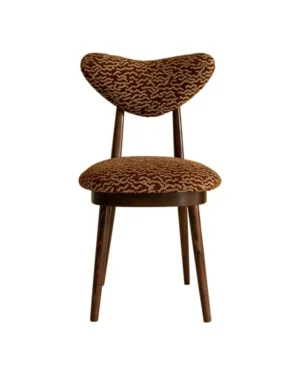
- Furniture - Cotton-upholstered chairs and sofas for both style and comfort
- Decor - Cotton-made rugs, wall hangings, and cushions for interior elegance
The Essence of Cotton
Cotton, with a history dating back millennia, remains a cherished material valued for its comfort, breathability, and adaptability. Artists and designers harness the softness and versatility of cotton through techniques like embroidery and quilting to create functional art pieces in categories such as lighting, furniture, and decor.