



-
 In stock
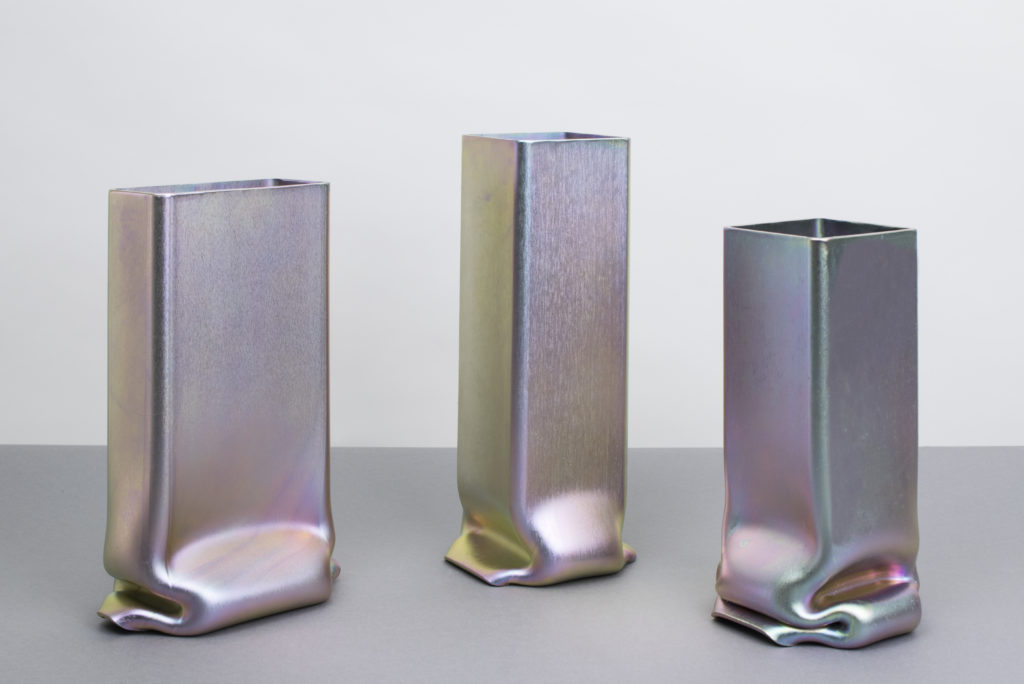
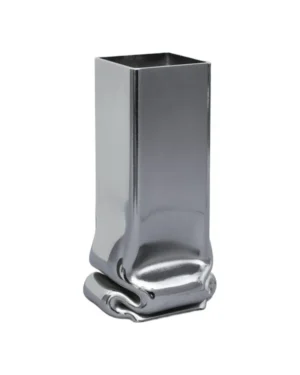
Pressure Vase Square
By TIM TEVEN
€215 This product has multiple variants. The options may be chosen on the product page -
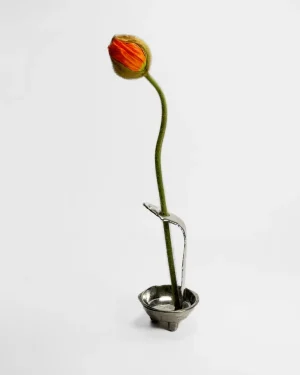
Favorite Vase
By Studio Formbart
€224 -
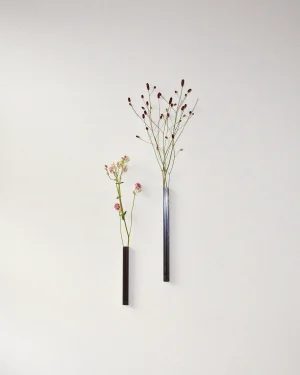
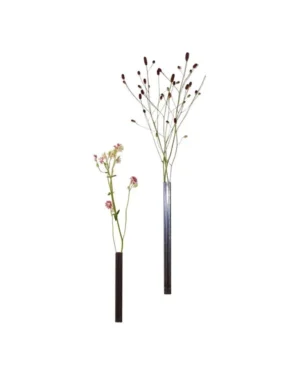
Dahlia – Steel Wall Vase
By Atelier Alz
€40 - €48 This product has multiple variants. The options may be chosen on the product page -
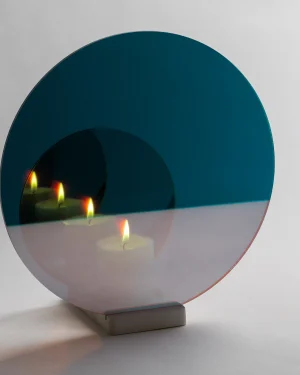 In stock
Onnda Flame Concentric Deep Sea – Dichroic Glass Marble
By Catrinel Sabaciag
€210 -
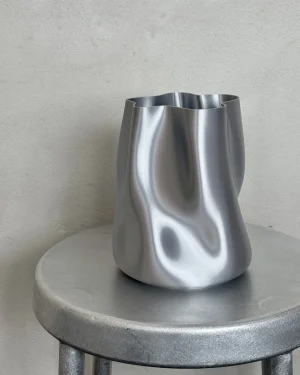
Wavy Vase
By julius.works
€70 -
 In stock
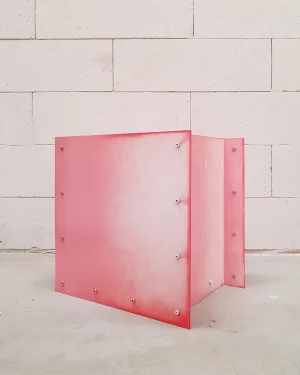
Iron And Steel Life Cabin Vase D
By TUNK I Busra Tunc
€220 -

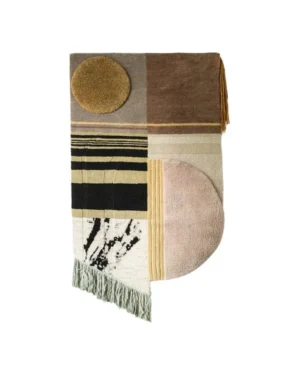
Terrae N°1 – Handwoven Wall Decoration
By Susanna Costantini
€910 -
 In stock
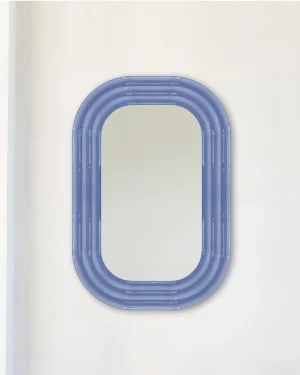
Elo Mirror 120×80 Cm – Hand Glazed Ceramic
By Pani Jurek STUDIO
€1.730 This product has multiple variants. The options may be chosen on the product page -
 In stock
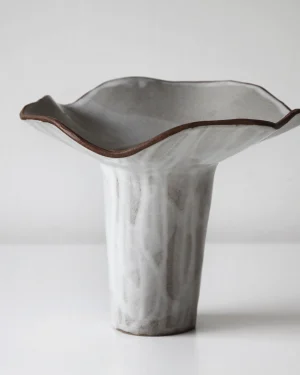
Floral Study I: White Bloom
By Elena Yakimushkina
€350 -
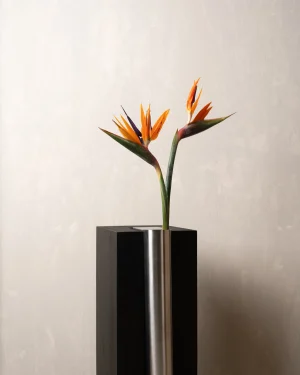
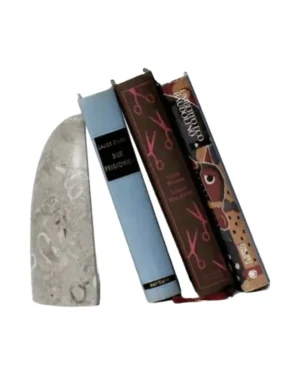
Bookcase Vase
By MANUHITA
€250 -
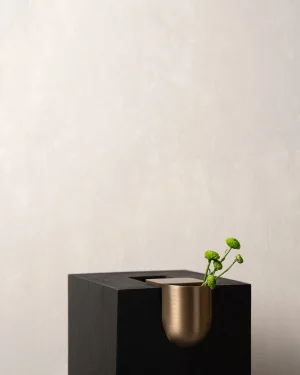
Bookcase Vase – Small
By MANUHITA
€215 -
 In stock
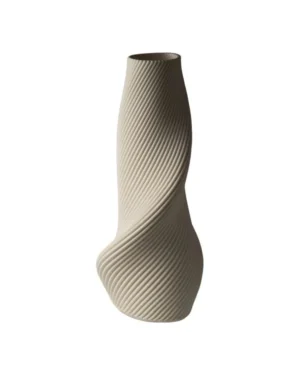
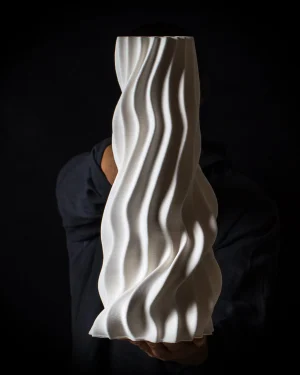
Tornado – 0 0 1 1 – Ceramic Vase 3d Printed
By Yiannis Vogdanis
€600 -
 In stock
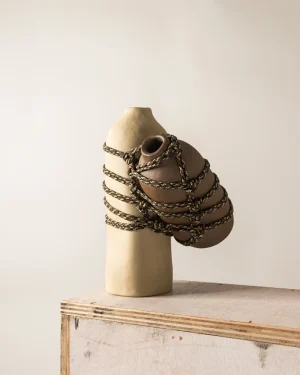
Bond Ceramic Vase
By Huillet Lucas
€625 - €849 This product has multiple variants. The options may be chosen on the product page -
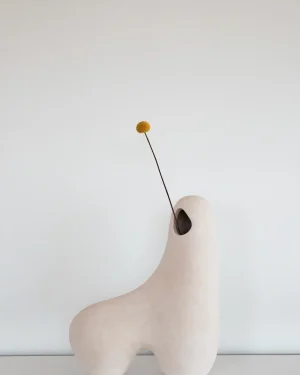
HĒrd 02 Ceramic Vase
By Andrei Clontea STUDIO
€250 -
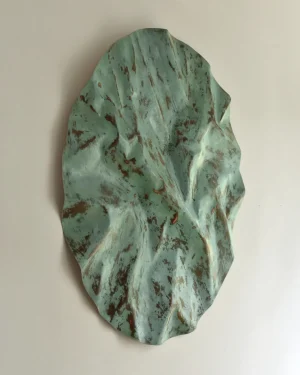
Mar De Cobre – Copper Wall Sculpture
By Aura Carpio®
€2.800 -
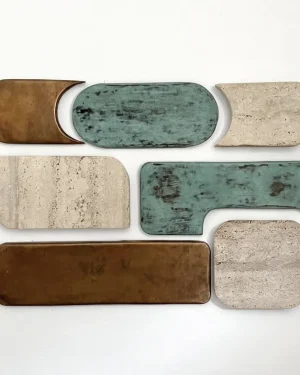
Vides Wall Decoration in Copper And Marble
By Aura Carpio®
€3.325 -
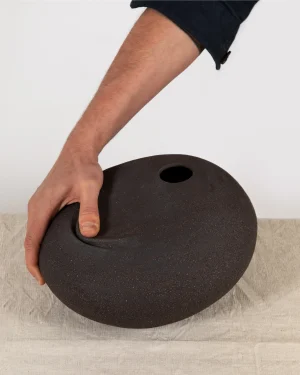
Movement Phase 3 – Black Sculptural Ceramic Vessel
By Catalin Filip
€600 -
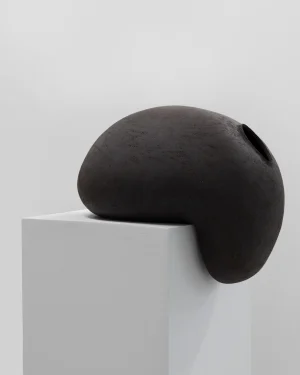
Movement Phase 1 – Black Sculptural Ceramic Vessel
By Catalin Filip
€1.350 -
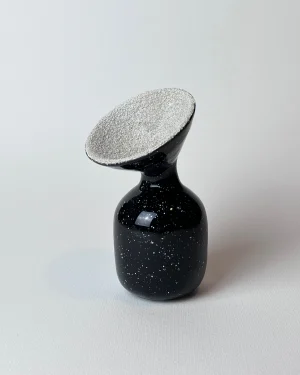 In stock
Extravases – Small Glazed Ceramic Vase
By Federica Paglia
€50 This product has multiple variants. The options may be chosen on the product page -
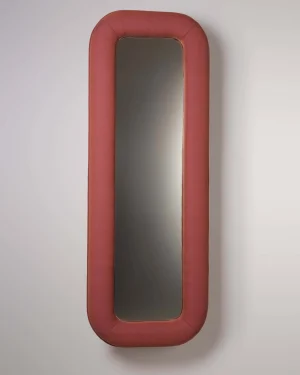 Sold
SoldCombo Mirror – Upcycled Wall Mirror
By Jaclyn Pappalardo
-
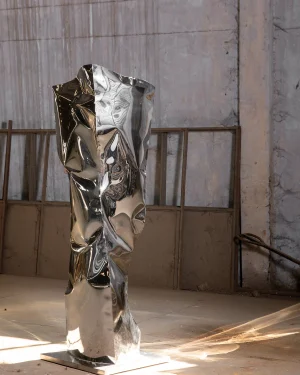
Monolith – Stainless Steel Floor Sculpture
By Nitush and Aroosh
€7.150 -
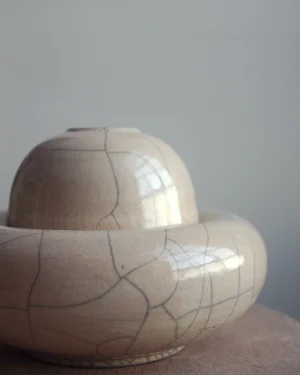
Raku – Ceramic Acorn Vase
By Isabella Artale
€350 -
 In stock
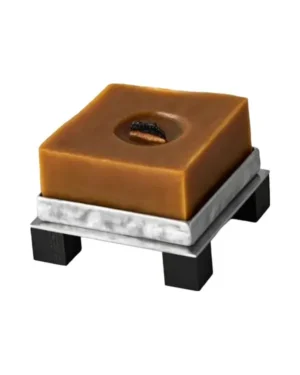
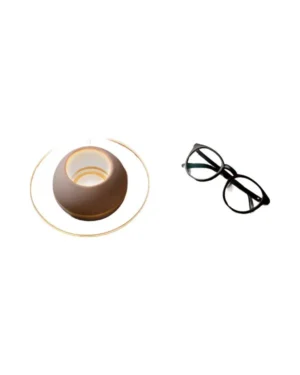
Diya – Incense Burner
By Twelve Degrees
€230 This product has multiple variants. The options may be chosen on the product page -

Aisha Totem – Stoneware Sculpture
By Lucia Mondadori
€1.395 -

Spigolatura N°48 – Handwoven Wall Art
By Susanna Costantini
€1.180 -

Fetish – Wax Vase
By Pierre Klein
€80 - €145 This product has multiple variants. The options may be chosen on the product page -
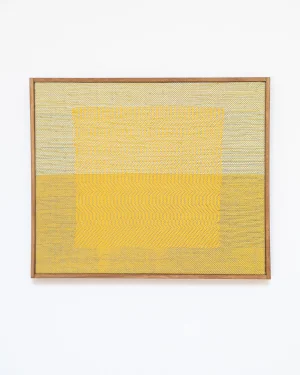
Bandiera N° 20 – Hand-woven Wall Art
By Susanna Costantini
€950 -
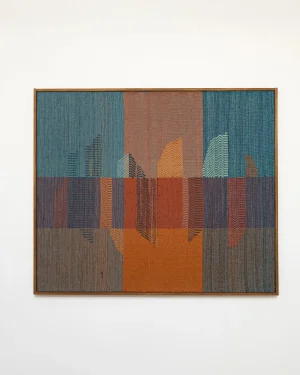
Terrae N°28 – Handwoven Wall Art
By Susanna Costantini
€1.450 -
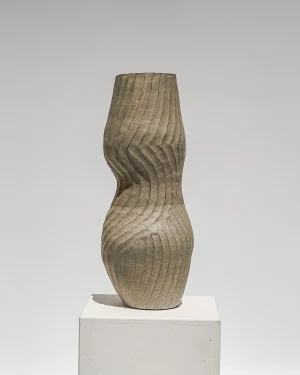
Round And Round | Beige On Grey With Lines | Vase #1-5-24
By Atelier von Ehren
€470 -
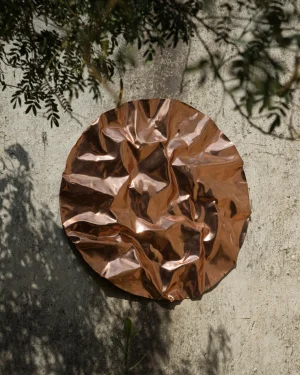
Mar De Cobre – Wall Decoration
By Aura Carpio®
€2.200 -
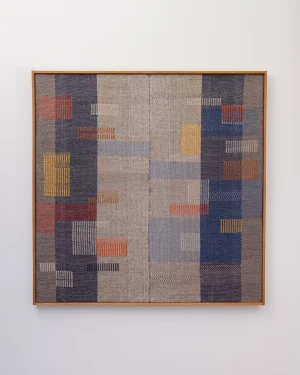
Spigolatura N°61 – Handwoven Wall Art
By Susanna Costantini
€1.800 -
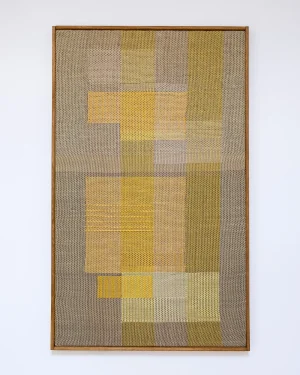
Spigolatura N°68 – Handwoven Wall Art
By Susanna Costantini
€1.200 -
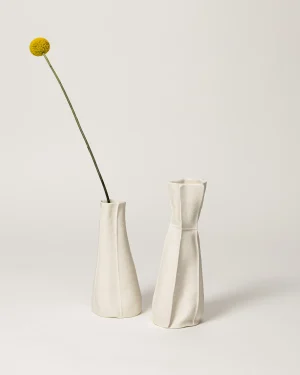
Pair of White Ceramic Kawa Vases
By Luft Tanaka Studio
€490 -

Mirror Perfumer – Handmade Bronze Wall Mirror
By Vogel Studio
€9.075 -
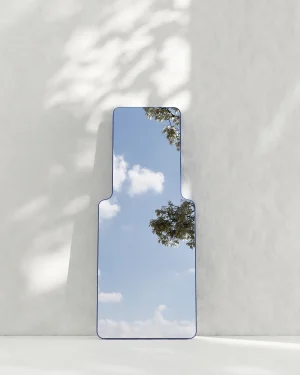
Loveself 03 – Shifted Full Length Mirror
By oitoproducts
€1.455 -
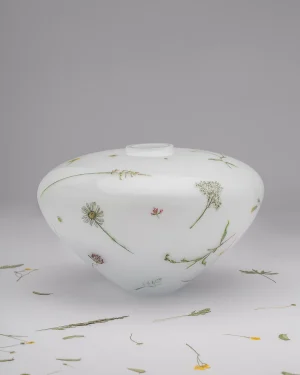
Hand-painted Fleur Vases
By Frantisek Jungvirt
€6.900 This product has multiple variants. The options may be chosen on the product page -
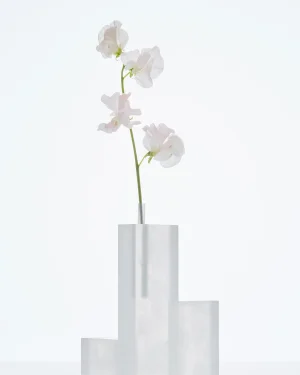
Opaque Weight – Vase 3p
By Sangwoo Son
€300 This product has multiple variants. The options may be chosen on the product page -
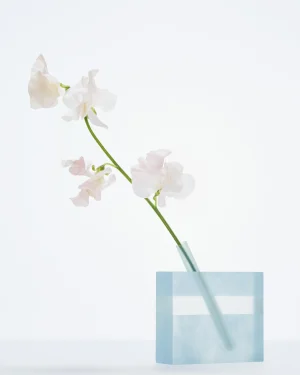 In stock
Opaque Weight – Vase 1p
By Sangwoo Son
€200 This product has multiple variants. The options may be chosen on the product page -
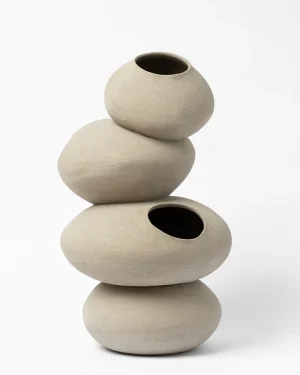 In stock
Kho Sculpture No. 4
By Od Studio
€1.280 -

Pojagi N°3 – Handwoven Wall Art
By Susanna Costantini
€4.000 -
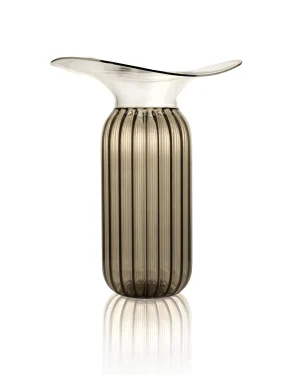 In stock
Tosca L – Vase
By KANZ
€299 -
 In stock
Arc Annex No.2 – Vase
By Anoe Melliou
€1.150 -
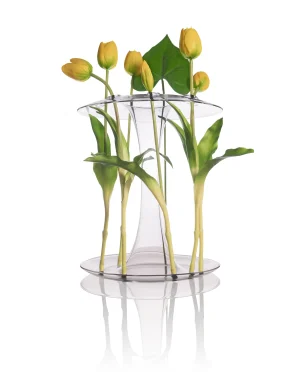 In stock
Aqua Vase
By KANZ
€156 -

Chip Mirror
By Obscure Objects
€350 -
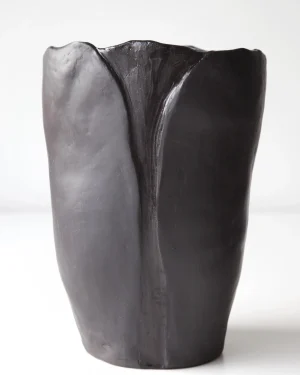
Floral Study I I : Night Tulip
By Elena Yakimushkina
€420 -
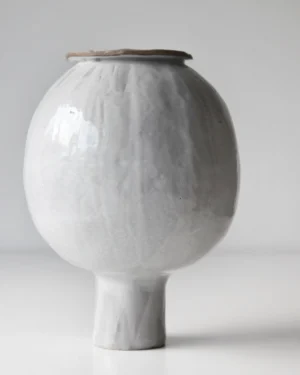
Floral Study I I I: White Rosehip – Vase
By Elena Yakimushkina
€420 -
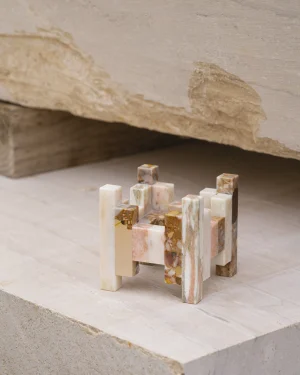 In stock
Strata – Flower Vase – Staggered Pink
By Iyo Hasegawa
€930 -

Axis – Vase
By Anoe Melliou
€31 - €36 This product has multiple variants. The options may be chosen on the product page -

Phondo Mirror
By TheUrbanative
€1.400 -

Pose N°7 Black – Sculpture
By Marie-Marie Defour
€320 -

Mush Brown, Glass Vase
By Juliana Maurer
€832 -
 In stock
Round And Round | Blue On Yellow On White | Vase No. 003/23
By Atelier von Ehren
€276 -
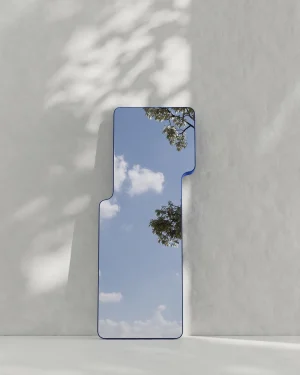
Loveself 04 – Shifted Full Length Mirror
By oitoproducts
€1.455 -
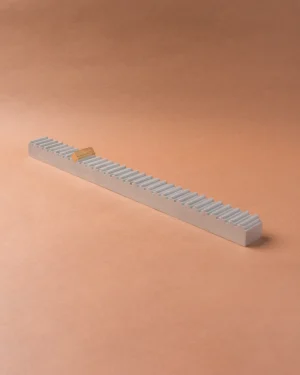 In stock
Arch Aluminum Calendar
By Boo Design Studio
€172
Minimalist decor pulls objects down to their essential volume: a bowl, a vessel, a vase, or a sculptural form made from stoneware, metal or stone, shaped so the material and the silhouette carry the whole statement. Studios working this way favor hand-building, glazing, metal casting and stone carving over applied ornament, letting a glaze pool in a seam or a casting line stay visible rather than disguised. The result sits quietly on a shelf or table, doing one thing well instead of several things loudly.
What defines the material and finish
Stoneware fired and glazed in white, off-white, black or cobalt blue holds a matte or satin surface that reads as calm rather than decorative. Metal pieces in chrome, stainless steel or steel move between cool, reflective surfaces and the warmer, patinated bronze finishes that darken and shift tone over years. Marble and stone objects carry visible veining or a honed surface, each one slightly different from the next because the material was never uniform to begin with.
Glazing and patination are both finishing techniques that change with exposure: a glaze can craze into fine lines over time, and a patinated surface will continue to react to handling and light. Neither is a flaw; both are part of how these pieces are meant to age. Metalwork and metal casting, by contrast, hold their surface more consistently, which is part of why chrome and stainless steel read as more clinical than bronze or stone.
The range found here
Within minimalist decor, the variation is mostly in material and process rather than form. Expect stoneware bowls and vessels finished by hand-building or glazing, cast or worked metal objects in steel, chrome or stainless steel, and carved stone or marble forms left close to raw. Editions vary too, from open editions produced in ongoing runs to limited editions and unique pieces where no two objects are quite alike. For a wider view of the same sensibility applied to seating, tables and lighting, see minimalist furniture and minimalist lighting.
How to choose a piece
Scale matters more than it first appears: a single large stone form can anchor a console, while a cluster of smaller stoneware vessels works better on a narrower shelf or table. Height and proportion should answer the surface it sits on, not compete with whatever is near it, which is why many of these objects are designed to be seen from more than one angle. Finish is the other decision; a glazed white or off-white surface sits quietly against most walls, while black, cobalt blue or a patinated bronze will register as a stronger visual note in the room.
- For a living room console or shelf, a single sculptural form in stone or marble often reads better than several small objects.
- For a dining or entry table, stoneware vessels or bowls bring function alongside form.
- For a desk or bedside surface, smaller metal or cast objects hold their presence without crowding the space.
Where these pieces sit and how to care for them
Minimalist decor suits living rooms, entryways, studies and bedrooms equally, anywhere a surface benefits from one considered object rather than several competing ones. Stoneware and glazed pieces should be kept away from direct, prolonged sun, which can dull a glaze over years, and wiped rather than soaked. Marble and stone are porous enough to stain from oil, wine or acidic liquids, so a dry cloth and a sealed surface underneath, like a tray or coaster, keep them presentable. Metal objects in steel or chrome need only occasional polishing, while bronze is best left to patinate naturally rather than cleaned back to its original shine.
For related ways into the same material language, the ceramic decor and metal decor groupings sit close by, as does the full range of minimalist pieces across categories. Anyone building out a room from the ground up can also look across decor and accessories more broadly for pieces that share the same restraint.
How do I choose a minimalist decor piece?
Start with the material and the form it takes, then check proportion against the surface or wall it will sit on. One restrained object, in stoneware, metal or stone, carries more weight than several competing for attention.
What materials are minimalist decor pieces usually made from?
Stoneware, chrome, stainless steel and marble appear most often, sometimes finished with a glaze or patination. Each is chosen for a clean surface and a quiet, consistent color.
How do I care for stoneware, metal or stone decor?
Dust stoneware and stone with a dry cloth and avoid acidic cleaners that dull a glaze or etch a surface. Wipe chrome and steel with a soft, slightly damp cloth, then dry fully to prevent spotting.
What size or height works best for minimalist decor?
Scale the piece to the surface it occupies, a small object reads as an accent, a taller one as a focal point. Leave open space around it since minimalist pieces depend on room to breathe.
Which rooms suit minimalist decor?
Entryways, living rooms and studies all take well to a single restrained object on a console, shelf or table. Bathrooms and kitchens work too, provided the material tolerates moisture.
How does shipping, returns and authenticity work when I order from ADORNO?
Shipping is insured and worldwide, with a 14-day return policy excluding made-to-order pieces. Every order includes a certificate of authenticity, backed by a lowest-price guarantee.