Textile Art: 8 Woven, Knotted and Tufted Pieces
Thread is the slowest way to make an image, and that is exactly why textile art holds attention.
Textile art sits between craft and fine art. A woven wall piece, a hand-tufted chair or a knotted rope can carry color, story and texture in a way paint rarely does, and it brings warmth and softer acoustics into a room at the same time. For centuries it was filed under craft and kept out of the art canon; today, weavers and fiber artists are shown in museums and sought by collectors.
This guide explains what textile art is, the main techniques, and how the Las Manuelas project in Peru brought street artists and Andean knitters together. It then presents eight pieces of textile art by independent studios, with advice on displaying and caring for them at home.
What is textile art?
Textile art, also called fiber art, is art made from fibers, yarns and fabrics, using techniques such as weaving, knitting, knotting, tufting, embroidery and felting. Where textile design usually serves a product, such as upholstery or clothing, textile art puts the material itself forward as the subject. Notably, the line between the two is blurring, as designers turn rugs, lamps and chairs into pieces that work as art.
The 20th-century story starts at the Bauhaus, where Anni Albers treated the loom as a tool for abstract art. Her student Sheila Hicks and later generations carried that idea into galleries worldwide, as Wallpaper* traces in its guide to textile artists weaving a new material world.
Textile art techniques
- Hand weaving: threads are interlaced on a loom, warp against weft; small irregularities show the maker’s hand. Read more in ADORNO’s guide to weaving.
- Jacquard weaving: a punch-card, and now digital, loom that controls each thread to weave detailed images, explained in ADORNO’s jacquard editorial.
- Knitting and knotting: loops and knots build structure from a single continuous yarn or cord; see knitting as textile art.
- Tufting: yarn is punched through a backing cloth to create a pile, used for rugs, wall pieces and upholstery.
- Embroidery and appliqué: stitched or applied motifs add drawing and color to a fabric surface.
- Felting: wool fibers are matted together with moisture, heat and pressure into dense, sculptural forms.
Case study: Las Manuelas and the Art Series
High in the Andes, in the region of Puno in Peru, the women of Las Manuelas raise alpacas at more than 4,000 meters (13,100 feet) and knit their wool by hand. The project began in 2012, when Isabel Berz, then director of the Research and Education Center at the Istituto Europeo di Design (IED), was invited by the Peruvian organization Movimiento Manuela Ramos to work with local artisans and alpaca herders. “Above all, we understood that they were equally important as us, the designers, or even more, they are the true masters,” Berz recalls.
From that visit came a Co-Design Platform, a digital tool through which artists anywhere can develop patterns with the knitters, and a manifesto built on economic independence for the women and inclusive, sustainable design. In 2022, the project’s tenth year, Las Manuelas launched the Art Series with ADORNO and IED: eleven scarves in 100% natural alpaca wool, designed by street artists including Bicicleta Sem Freio, Broken Fingaz, Lakwena, REVOK and SatOne, and knitted by the artisans of Puno. By setting street art, often dismissed as “low art”, beside a craft long excluded from the art canon, the series questioned who gets to call their work art.


The Art Series has since sold out, but its lesson remains. As Berz put it, “The important thing is its story, its process, and its longevity. It has been done to tell a story, and to perdure, to accompany for life.” The pieces below share that thinking: textiles made slowly, by identifiable hands, to be kept.
8 pieces of textile art to collect
These designs are all available on ADORNO and each comes from a different studio. They cover hand weaving, jacquard, tufting, knotting and textile lighting, from a €135 knotted coat rack to a large jacquard tapestry.
Bandiera N° 16 – Hand-woven Wall Art by Susanna Costantini
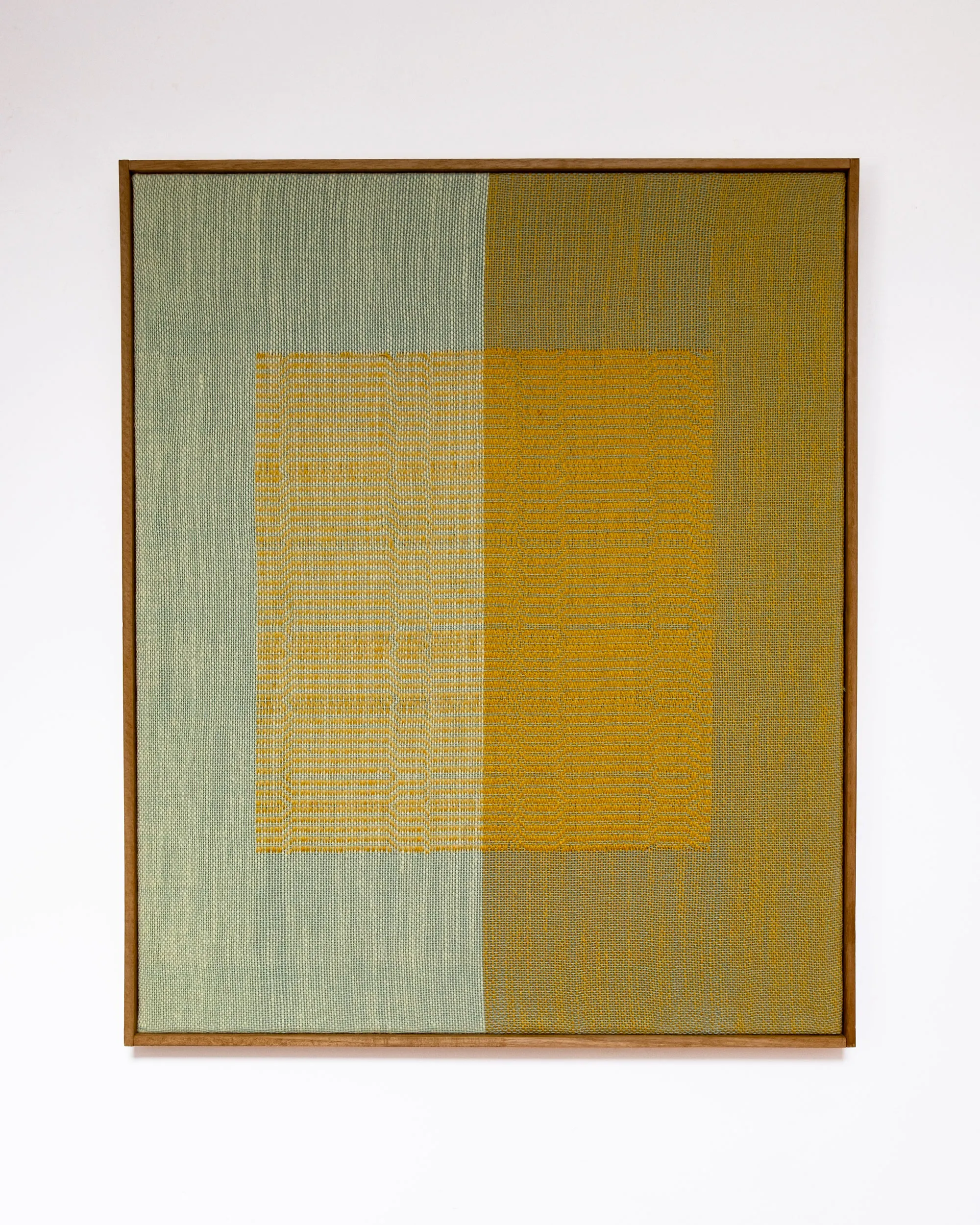
Italian weaver Susanna Costantini works cotton, linen, wool and silk on the loom by hand, so small irregularities ripple across each color field. Part of her Flags series, Bandiera N° 16 leaves its meaning open, like a flag for a place that is yours to name. With checkouts this season and repeat sales across the series, it is one of the most collected pieces of textile art on ADORNO.
By Susanna Costantini
€1.300 incl. tax
Chloé Table Lamp in Reflective Fabric by Atelier Alz
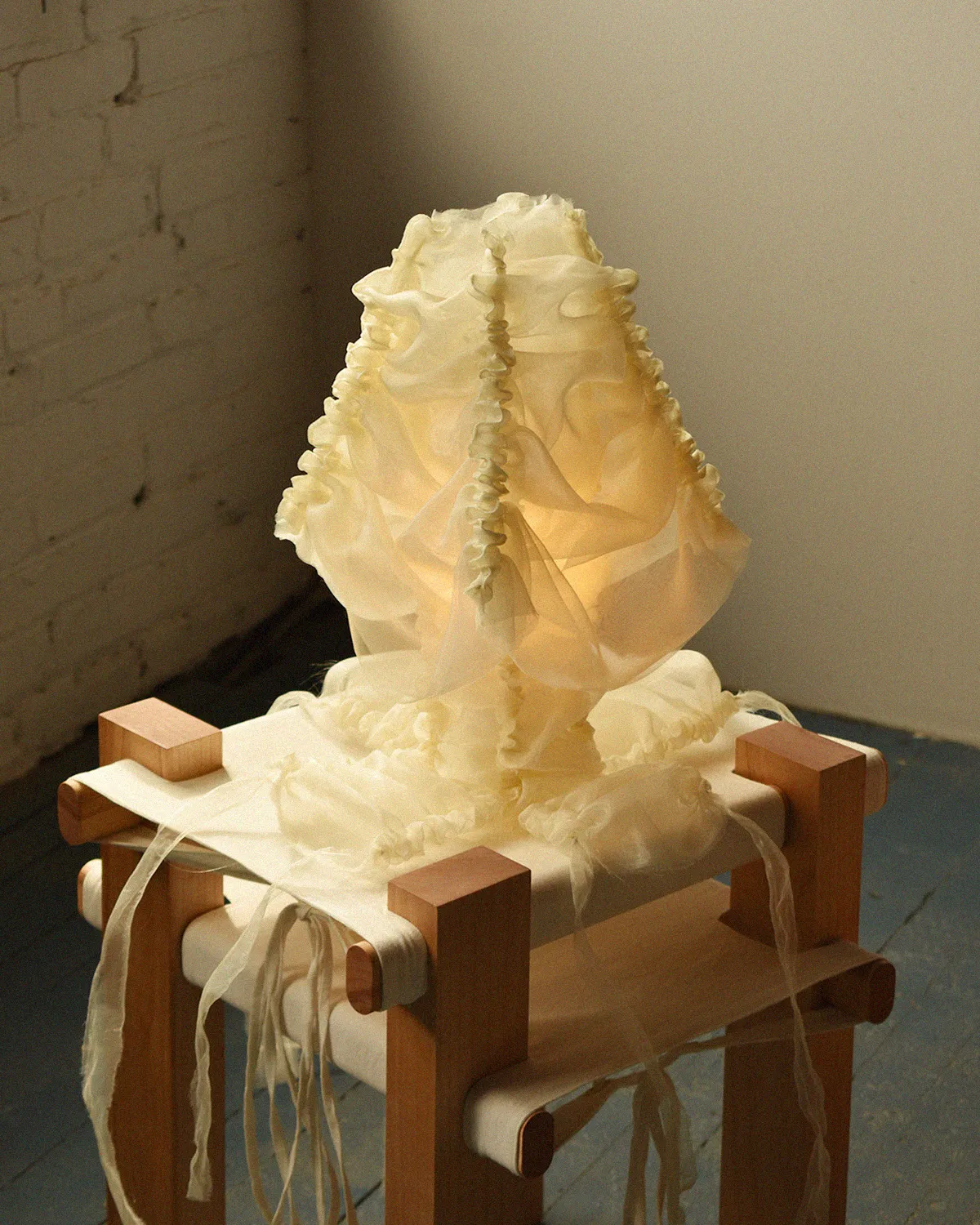
Atelier Alz gives new life to an ultra-thin reflective textile veil, once used for curtains in the early 2000s, by folding and gathering it like a garment. Lit from within, the fabric glows and shimmers. With 10 checkouts in the last 90 days, it is the most-ordered piece in this list.
By Atelier Alz
€300 incl. tax
Mid Century Mushroom Chair Hand Tufting Beige Wool by Vintola Studio
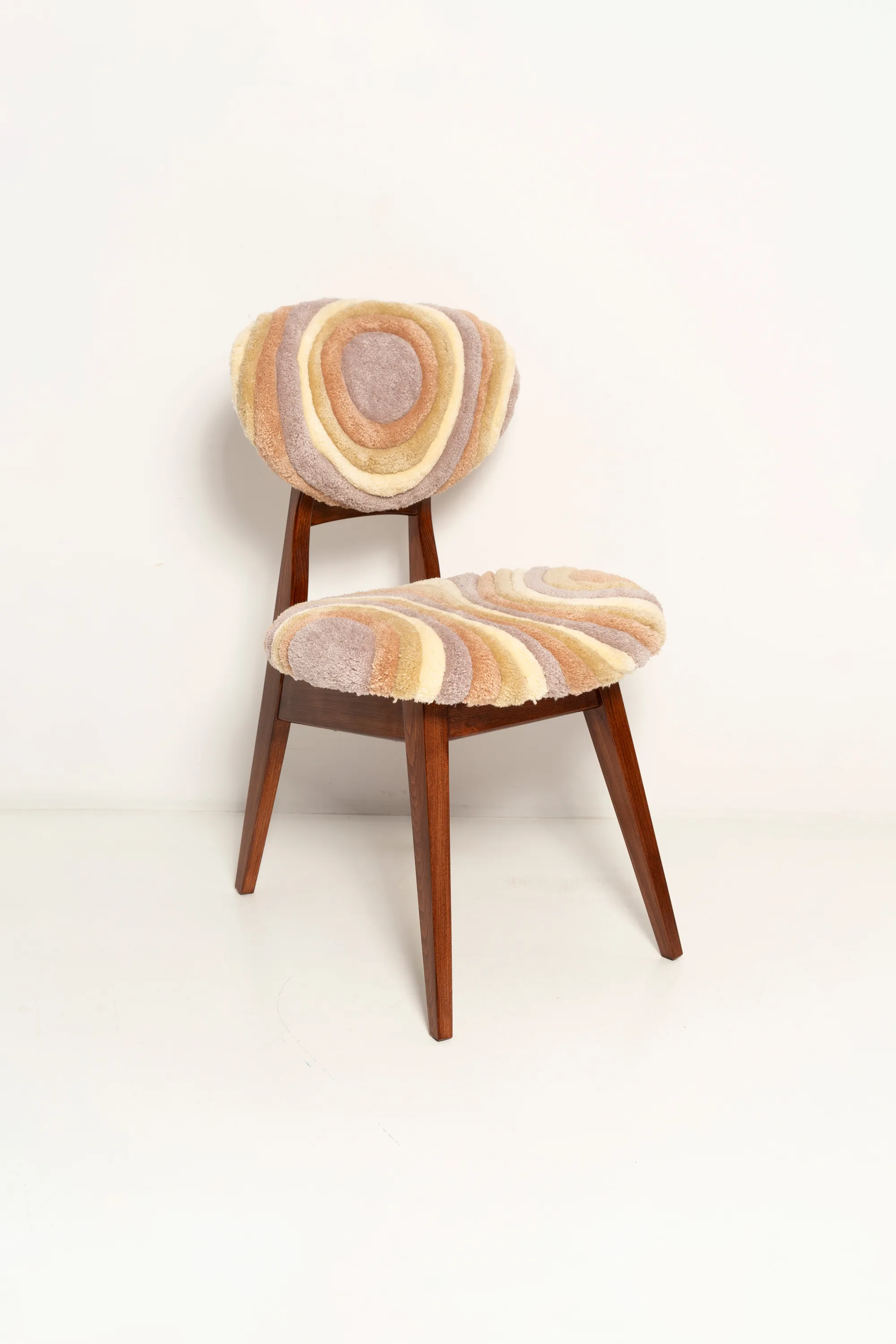
Polish studio Vintola Studio restores 1960s Mushroom chairs by Juliusz Kędziorek and covers them in hand-tufted wool. The swirling pattern turns the upholstery into a small textile artwork. It has sold three times on ADORNO.
By Vintola Studio
€1.600 incl. tax
Knotted Coat Rack – Classic by Everyday Objekts
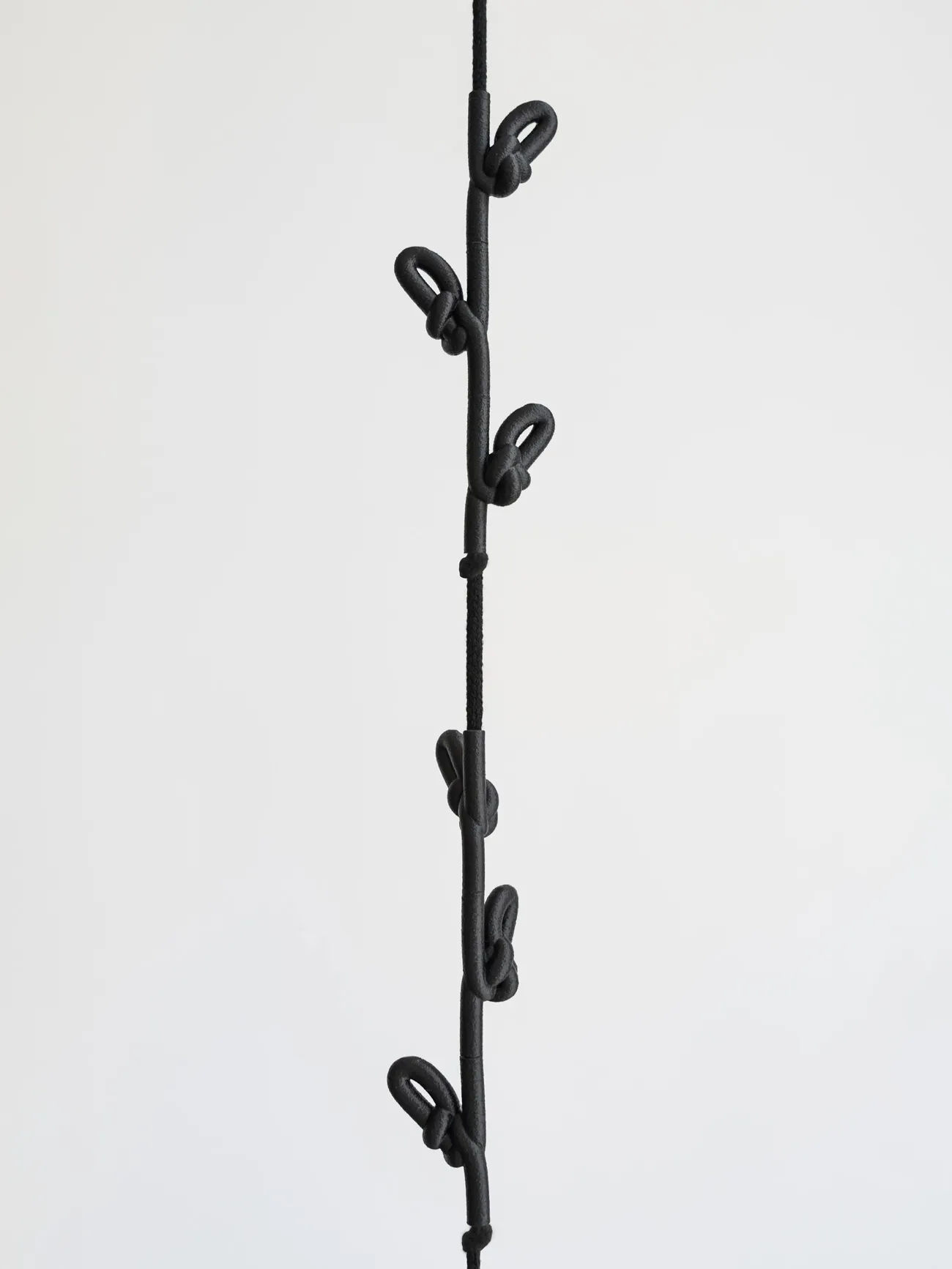
Slovenian studio Everyday Objekts, an architect and a fashion designer, reinterprets traditional knotting through digital fabrication. The rope hangs from the ceiling and its knots work as hooks, which can be moved to suit the room. It is new to ADORNO and has already reached checkout several times.
By Everyday Objekts
€135 incl. tax
Pyramid Pendant Lamp In Textiles by NASSI LAMPS

Italian studio NASSI LAMPS covers a geometric iron frame in pleated linen, so the shade filters light softly over a dining table or entryway. It comes in two sizes, 45 and 65 cm (17.7 and 25.6 in), and several linen colors. It has three sales on ADORNO.
By NASSI LAMPS
€1.280 – €1.920 incl. tax
Joyful Horses Rug by Pupcha

Ukrainian studio Pupcha draws on folk embroidery for this rug, with wavy edges, birds, flowers and toy-like horses. It works on the floor or as a wall hanging, and it has already found a buyer on ADORNO.
By Pupcha
€2.400 incl. tax
‘Woolwalls’ in Sustainable Wool – Neon Yellow, Orange and Green by jeanett knipschildt
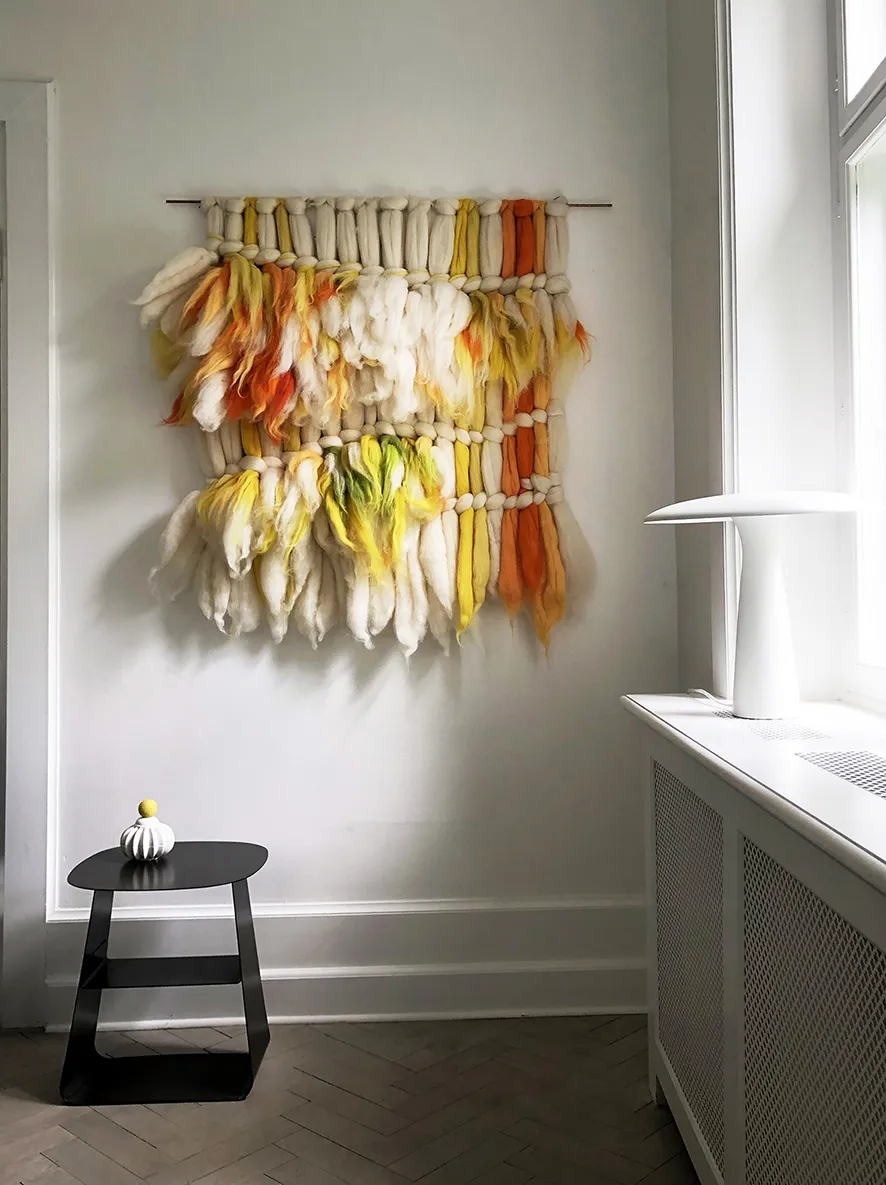
Danish designer jeanett knipschildt hand-weaves European merino wool into loose, layered strands that hang from a recycled brass rod. As well as adding color, the wool softens the acoustics of a room.
By jeanett knipschildt
€1.224 incl. tax
Light Mode 280 — Modern Foliage | Jacquard Woven Tapestry by Lucas Gutierrez Studio

Berlin-based Lucas Gutierrez translates digital images into jacquard weaving, then finishes each tapestry by hand. Greens shift from neon to pale against white, with a touch of lilac, so the piece reads like light passing through foliage. It has sold on ADORNO.
By Lucas Gutierrez Studio
€5.850 incl. tax
How to display textile art at home
Hang woven pieces and tapestries from a rod or batten so the weight spreads evenly across the top edge, and leave a little space from the wall so air can circulate. Above a sofa, bed or console, a textile piece softens hard surfaces and absorbs sound, which makes it especially useful in rooms with stone or concrete floors. Moreover, textiles look their best in side light, which brings out the depth of the weave or pile. Keep them away from strong direct sunlight, radiators and kitchens. For floors, a tufted or woven rug can act as the room’s artwork; see ADORNO’s guide to wool rugs. For textiles made from waste materials, see Studio Ebba Lindgren’s Really Rococo series.
How to care for textile art
Dust wall textiles gently with a soft brush or a vacuum on low suction through a fine mesh. Wool naturally resists dirt, so spot-clean only when needed, using cold water and a wool-safe detergent, and test on a hidden area first. Rotate rugs and hanging pieces every few months to avoid uneven fading. For storage, roll textiles around a tube with acid-free tissue rather than folding them, and protect wool from moths with cedar or lavender.
Frequently asked questions about textile art
What is the difference between textile art and textile design?
Textile design usually serves a product such as fabric or upholstery, while textile art presents the textile itself as the artwork.
Is fiber art the same as textile art?
Mostly, yes. Fiber art is the broader term and also includes works made from raw fibers, rope and paper.
How do you hang a woven wall piece?
Use a wooden or metal rod through the top sleeve or loops, resting on two hooks, or a slim batten with Velcro for heavier tapestries.
Does textile art fade in sunlight?
Yes, natural dyes and fibers fade in direct sun. Choose a wall without strong daylight, or use UV-filtering glass or blinds.
What is alpaca wool?
The fleece of the alpaca, raised mainly in the Andes. It is soft, warm, light and naturally free of lanolin, which makes it gentle on skin.
Can a rug be textile art?
Yes. Hand-tufted, hand-knotted and woven rugs by artists are often made in small editions and can be hung on the wall as well as used on the floor.
Made by hand, meant to stay
From the knitters of Puno to weavers in Italy and jacquard studios in Berlin, textile art keeps the time and touch of its maker visible. Consequently, a single woven or tufted piece can change how a room sounds, feels and looks for years to come.