

-

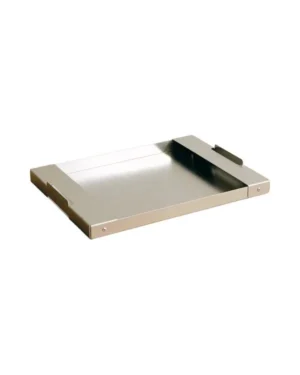
Slant Book Stand – Marble, Brass and Oak Wood
By VAUST Studio
€6.600 -
 In stock
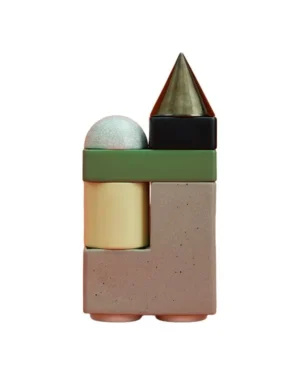
Knstrkt Set Of 6 With Large Pieces – Stackable Earthenware
By STUDIO BERG
€166 -
 In stock
Knstrkt Set Of 6 – Stackable Earthenware
By STUDIO BERG
€155 -
 In stock
Knstrkt Set Of 2 – Stackable Earthenware
By STUDIO BERG
€40 -
 In stock
Iceberg Organizer
By studiomakuko.com
€400 -
 In stock
Knstrkt Set Of 7 – Stackable Earthenware
By STUDIO BERG
€172 -
 In stock
Knstrkt Set Of 8 – Stackable Earthenware
By STUDIO BERG
€230 -
 In stock
Knstrkt Set Of 14 – Stackable Earthenware
By STUDIO BERG
€382 -
 In stock
Knstrkt Set Of 5 – Stackable Earthenware
By STUDIO BERG
€121 -
 In stock
Knstrkt Set Of 4 – Stackable Earthenware
By STUDIO BERG
€82 -
 In stock
Knstrkt Set Of 2 With Large Pieces – Stackable Earthenware
By STUDIO BERG
€50 -

Carlo – Small Desk Set
By HYZ
€465 This product has multiple variants. The options may be chosen on the product page
Black organizers gather the small containers, trays and holders that keep a desk or console in order, rendered in a color that studios reach for when they want the object to read as quiet structure rather than decoration. The tone comes from several directions: a stoneware glaze fired dark, black marble cut and polished, steel or brass finished with a powder coat, or leather dyed and stitched by hand. What unites them is restraint, a piece that holds its shape in a room without asking to be noticed first.
What gives black organizers their character
Black is not one surface but several, and the making method shows through it. A hand-built stoneware tray carries the faint irregularity of clay worked by hand, its glaze pooling slightly at the edges. Black marble, cut by stone carving, keeps a cool, veined surface that is unmistakably stone even in low light. Powder-coated steel and brass give a flatter, more even black, the kind that reads as neo-industrial or brutalist depending on the thickness of the form. Leatherwork adds a softer register, black hide that creases and dulls slightly with handling, which some owners prefer to a surface that stays pristine.
The range of materials, finishes and techniques
Organizers in this color span a wide set of working methods, and the mix on the full range of organizers changes as studios bring new pieces forward. Expect to find:
- Stoneware and terracotta, glazed or left matte, shaped by hand-building or thrown on a wheel
- Black marble, stone-carved into trays, dishes and blocks
- Brass and steel, worked through metalwork or finished with powder coating for a flat, durable black
- Oak and other woods, worked through cabinetmaking and finished dark rather than left natural
- Leather, cut and stitched for trays, pouches and desk mats
Styles range from eclectic pairings of material and form to strictly minimalist blocks and trays, with contemporary and rustic readings in between. Most pieces are made to open editions, though some studios work in limited editions, so a particular finish or shape may not return once it sells through.
How to choose one
Scale matters more than it first appears. A pencil holder or small tray can sit close to the edge of a desk without competing for space, while a taller black container needs enough clearance to avoid feeling crowded against other objects. Height and footprint should answer to what they hold, pens and cards versus keys and mail, before they answer to style. If the surface nearby is already dark, a matte black piece can recede into it; a glossier marble or lacquered wood will separate itself instead, which is worth considering before buying.
Finish is the other variable. Matte stoneware and powder-coated metal hide fingerprints and light scratching better than polished marble or brass, which show handling over time. For a desk or entryway that gets daily use, matte and hand-built surfaces tend to wear more gracefully than mirror finishes.
Where they work and how to care for them
Black organizers suit a home office or study, where they hold pens, cables and papers without adding visual noise, and they work equally well on an entryway console for keys and mail, or a kitchen counter for utensils and notes. Paired with other black furniture or set against lighter oak and stone, they read as quiet punctuation rather than a dominant note.
Care follows the material. Stoneware and terracotta want a damp cloth, never abrasive cleaners that can dull a glaze. Marble should be wiped promptly if it meets oil, wine or anything acidic, since it stains and etches easily. Brass and steel hold their powder coating well but scratch if dragged across stone, and leather benefits from an occasional conditioner to keep it from drying and cracking. For organizers in other metals and finishes, the metal organizers group is worth a look, as is organizers suited to a home office for desk-specific shapes, or the wider black pieces across ADORNO for matching accessories and lighting in the same tone.
How do I choose a black organizer?
Start with the surface it will sit on and what it needs to hold. Stoneware and marble suit a still desk or console, while steel and brass handle daily use and shifting loads.
What materials are black organizers made from?
Common choices include stoneware and terracotta finished with black glaze, black marble shaped by stone carving, and brass or steel given a matte black finish through powder coating or metalwork.
How do I care for a black organizer?
Wipe stoneware, terracotta and marble with a damp cloth and avoid acidic spills that can stain marble. Dust metal pieces and keep powder-coated steel away from abrasive cleaners that can wear the finish.
What size organizer do I need and how tall should it be?
A desk or console organizer generally sits low, under hand height, so it stays easy to reach into. Taller trays and stands work better on the floor or a wider sideboard, where more items need sorting.
Which rooms suit a black organizer?
Black grounds a home office desk, an entryway console, or a kitchen counter without competing with other colors. It also reads well against pale walls or wood furniture, giving small items a defined place.
What is ADORNO's shipping, returns and authenticity policy?
Shipping is insured and worldwide. Returns are accepted within 14 days, except for made-to-order pieces, and every piece arrives with a certificate of authenticity, backed by a lowest-price guarantee.