-
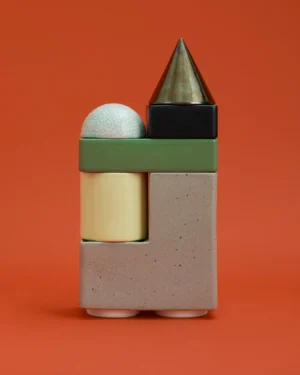 In stock
Knstrkt Set Of 6 With Large Pieces – Stackable Earthenware
By STUDIO BERG
€166 -
 In stock
Knstrkt Set Of 6 – Stackable Earthenware
By STUDIO BERG
€155 -
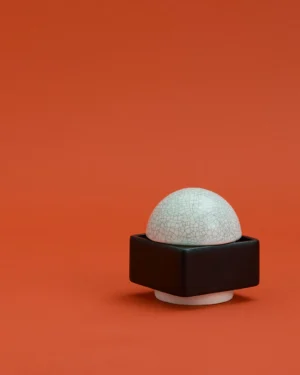 In stock
Knstrkt Set Of 2 – Stackable Earthenware
By STUDIO BERG
€40 -
 In stock
Knstrkt Set Of 7 – Stackable Earthenware
By STUDIO BERG
€172 -
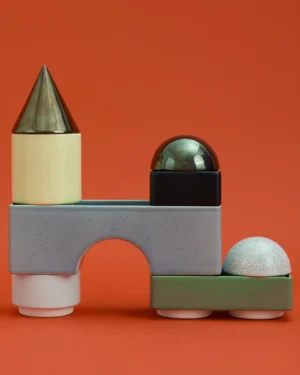 In stock
Knstrkt Set Of 8 – Stackable Earthenware
By STUDIO BERG
€230 -
 In stock
Practice Briefcase
By Studio Fabius Clovis
€734 -
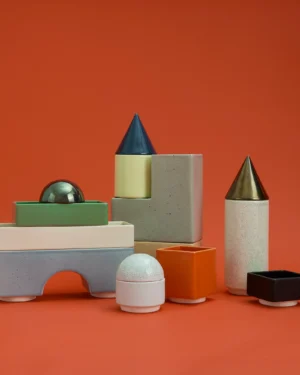 In stock
Knstrkt Set Of 14 – Stackable Earthenware
By STUDIO BERG
€382 -
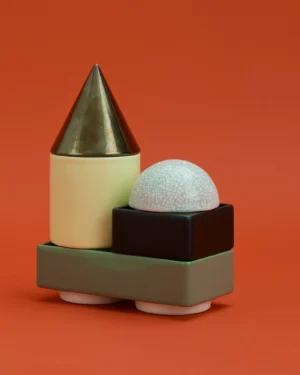 In stock
Knstrkt Set Of 5 – Stackable Earthenware
By STUDIO BERG
€121 -
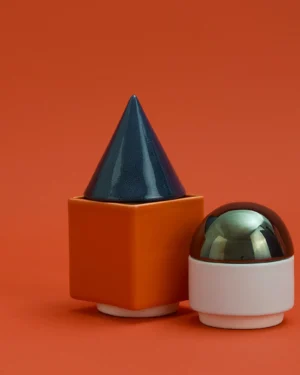 In stock
Knstrkt Set Of 4 – Stackable Earthenware
By STUDIO BERG
€82 -
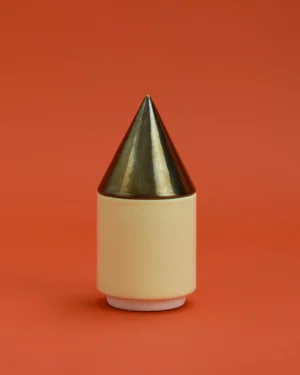 In stock
Knstrkt Set Of 2 With Large Pieces – Stackable Earthenware
By STUDIO BERG
€50
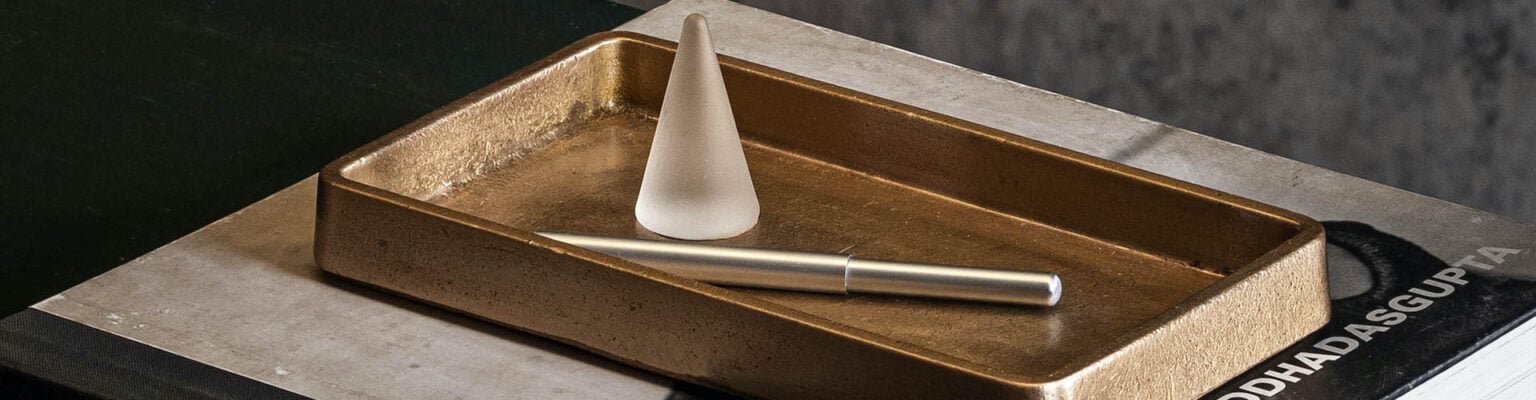
Eclectic organizers bring together materials and methods that do not usually sit side by side, stoneware trays next to leather catchalls, hand-built bowls beside welded metal racks. What defines them is contrast rather than a single material: a studio might pair a glazed stoneware base with a metal lip, or set a plywood tray against a scrap of dyed leather. The result is a desk, console or kitchen counter that reads as gathered over time rather than bought as a set.
What makes an organizer eclectic
An eclectic piece mixes finishes and sometimes materials within one object, or sits deliberately apart from the pieces around it. A stoneware vessel might carry a hand-painted stripe, a terracotta dish might rest on a metal stand, a recycled-material tray might be finished in a color the rest of the room does not repeat. The logic is not matching but conversation: textures and tones that argue a little and still hold the same surface.
Materials, finishes and techniques found here
Stoneware and terracotta organizers are wheel-thrown or hand-built, then glazed in black, off-white, green or blue, each firing leaving small variations in surface and weight. Leather pieces are stitched or molded through leatherwork, aging to a deeper tone with handling and light. The few metal organizers, worked through metalwork, bring harder edges and a cooler surface, often in black, gold or silver finishes. Plywood trays and boxes are cut and joined through wood and cabinetmaking, their layered edges left visible as part of the design, while recycled-material pieces repurpose offcuts and scrap into trays, holders and dividers. Most of what is found in this range is made in open editions, produced as needed rather than run as a fixed limited batch.
How to choose one
Start with scale: a pencil holder or key tray should sit within reach without crowding the surface it occupies, while a larger catchall or divided tray can anchor one end of a console or sideboard. Consider height next, low trays read as quiet and let other objects stand above them, taller pieces hold their own next to lamps or stacked books. Finish matters for placement too, raw stoneware and terracotta suit a desk or entryway where a little dust or a water ring will not show, while leather and polished metal reward a surface that gets wiped down rather than splashed.
Think about what the piece needs to hold before its color or material. A stoneware dish for keys and coins asks less of its glaze than a leather tray meant to carry daily mail. Where several organizers sit together, let one material lead and the others answer it in a smaller way, rather than giving each piece equal weight.
Where they belong and how to care for them
Eclectic organizers suit entryways, home offices and kitchen counters equally well, any surface where small objects need a fixed place but the room still wants some visual interest. A home office organizer can hold pens, cables and notebooks without disappearing into the desk, while a console-top piece near the door does the same work for keys and post.
- Stoneware and terracotta: wipe with a damp cloth, avoid soaking unglazed surfaces
- Leather: condition occasionally, keep away from direct heat and standing water
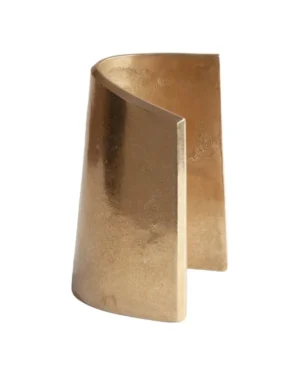
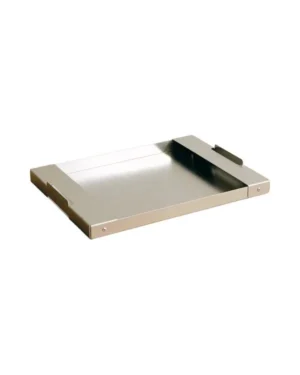
- Metal: wipe with a dry cloth, or let the finish darken naturally
- Plywood and recycled material: dust regularly, keep away from prolonged damp
For a narrower view of the material side of this range, the metal organizers group gathers the harder-edged pieces, while the full organizers category covers every material and style working alongside these. Beyond storage, the eclectic approach carries into other rooms as well, visible across eclectic furniture and the wider set of eclectic pieces on ADORNO, where the same habit of mixing material and finish shows up in seating, lighting and tables.
How do I choose an eclectic organizer?
Look for pieces that mix materials or forms, stoneware paired with metal trim, or leather alongside wood, so the organizer reads as an object first and a storage solution second.
What materials are eclectic organizers usually made from?
Stoneware, terracotta, leather, metals, plywood and recycled material appear most, often combined within one piece through glazing, hand-building, metalwork or wood and cabinetmaking.
How do I care for mixed-material organizers?
Wipe stoneware and metal with a dry or lightly damp cloth, condition leather occasionally, and keep wood or plywood away from direct heat and moisture to prevent warping.
What size organizer suits a desk or console?
Desk organizers typically sit low and compact for reach, while console or entryway pieces run taller, so measure the surface and nearby objects before deciding on scale.
Which rooms work best for eclectic organizers?
They suit home offices, entryways and kitchen counters equally, anywhere small daily items, keys, mail, pens, need a defined, visually interesting place to land.
What about shipping, returns and authenticity through ADORNO?
Shipping is insured and worldwide, returns are accepted within 14 days except on made-to-order pieces, and every piece arrives with a certificate of authenticity.