-

Taper – Pen Stand
By Stem
€85 - €200 This product has multiple variants. The options may be chosen on the product page -
 In stock
Fold – Bookend
By Stem
€300 - €330 This product has multiple variants. The options may be chosen on the product page -

Luna – Paper Weight
By Stem
€115 - €120 This product has multiple variants. The options may be chosen on the product page -

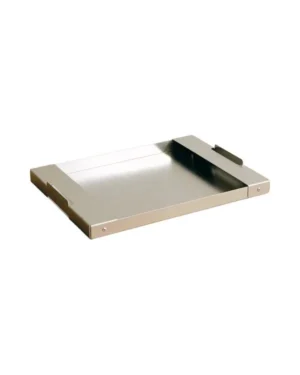
Metal Tray
By BOTHI
€100 -

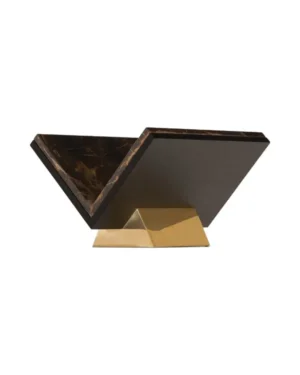
Slant Book Stand – Marble, Brass and Oak Wood
By VAUST Studio
€6.600 -

Metal Crate
By BOTHI
€145 -
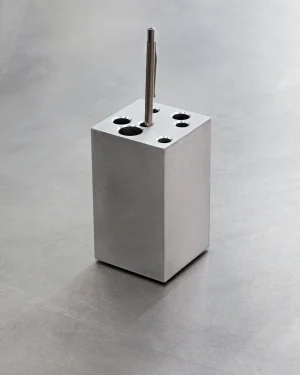
Pen Holder – Solid Aluminum Block
By PRACTICE
€142 -
 In stock
Iceberg Organizer
By studiomakuko.com
€400 -
 In stock
Practice Briefcase
By Studio Fabius Clovis
€734 -

D300 Shelves – Mirror Stainless Steel
By MLK Furniture
€1.690 -

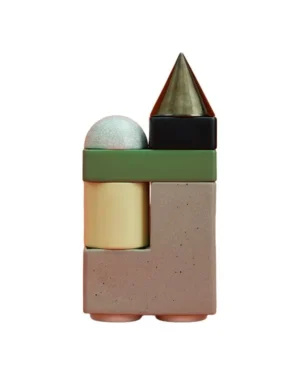
Carlo – Small Desk Set
By HYZ
€465 This product has multiple variants. The options may be chosen on the product page -
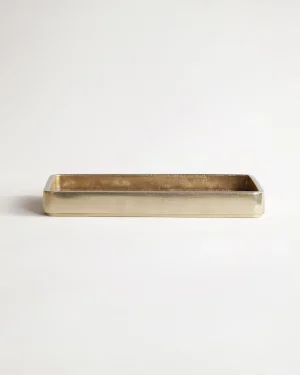
Plato – Table Tray
By Stem
€145 - €170 This product has multiple variants. The options may be chosen on the product page
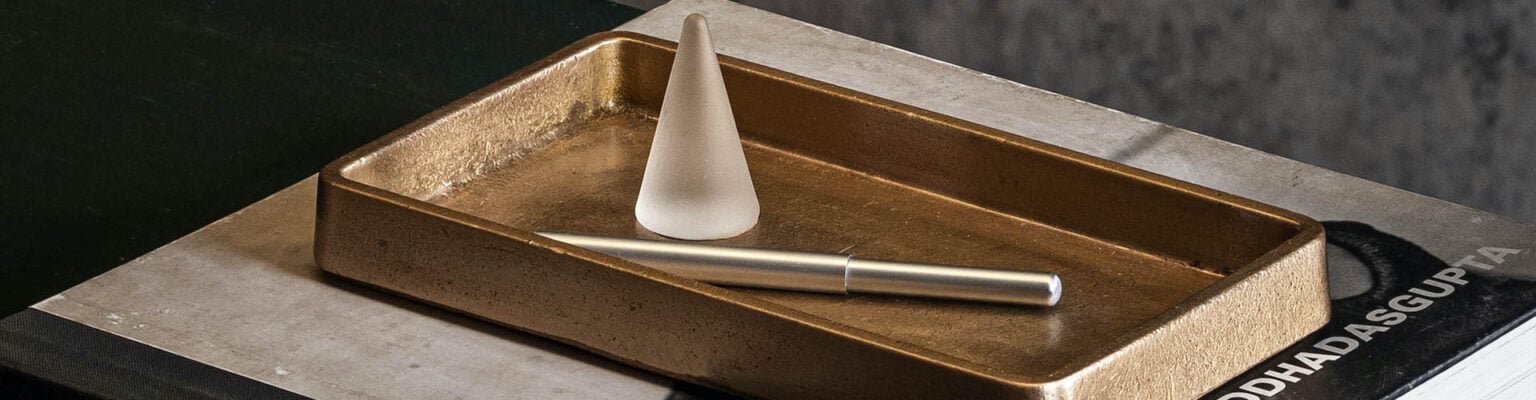
Metal organizers are trays, boxes and holders worked from brass, aluminum and stainless steel, made by studios who weld, cast or cut sheet into forms that hold pens, keys, mail and small tools in one place. Some pieces come from sand casting or metal casting, which gives a thicker, almost geological weight; others are cut and bent from sheet and finished with a powder coat for a flatter, more graphic surface. What they share is a refusal to disappear: a metal organizer sits on a desk or console the way a paperweight sits on paper, present even when empty.
What defines a metal organizer
Brass and bronze arrive warm in tone and darken with handling, picking up a patina that most owners come to read as proof of use rather than a flaw. Aluminum, raw or anodized, stays cooler and lighter, both in color and in the hand, which is why it turns up often in trays meant to be moved daily. Stainless steel sits between the two: harder to mark, easier to wipe clean, and the choice where an organizer has to survive a kitchen counter or a shared studio desk.
Color follows the metal more than it overrides it. Bronze and gold tones read warm and are usually left to oxidize; black and gray finishes are typically powder-coated or blackened for a flatter, more graphic surface; silver stays close to the raw metal. Each finish behaves differently under fingerprints and daylight, which is worth weighing against where the piece will live.
The range of metal organizers on ADORNO
Within the material, the making varies as much as the look. Sand-cast and metal-cast pieces tend toward Brutalist or Neo-Industrial forms, heavier and less symmetrical by nature of the process. Laser-cut and powder-coated pieces lean Minimalist or Contemporary, with cleaner edges and flatter surfaces. A smaller number pair metal with leather, oak wood or black marble, which softens the material or gives it a base to sit on. Editions run from open runs, made to a standing design, to limited editions produced in small numbers, a distinction worth checking before buying if a smaller run matters to you. For the full spread of metal pieces beyond organizers, including lighting and furniture, the metals material page covers the wider range.
Choosing one for scale and placement
Start with the surface it will sit on. A narrow entry console calls for a shallow tray that will not block a lamp or a dish for keys, while a desk can carry a taller, compartmented piece without crowding the work in front of it. Weight matters too: cast metal organizers are heavy enough to stay put when a drawer below is opened, which makes them useful anywhere a lighter tray would slide.
- Desks and reading corners, where a tray or cup keeps pens and small tools within reach, close to pieces built for a home office setup
- Entryways and consoles, for keys, mail and the small objects that otherwise collect loose on a surface
- Kitchens, where stainless steel resists moisture and wipes clean
- Studios and workshops, where a Neo-Industrial or Brutalist form suits raw materials and tools already in view
Finish should match the rest of the room rather than fight it. A gold or bronze organizer reads warm against wood and leather, while black or gray pieces sit quietly among other black-finished furniture and darker surfaces.
Caring for metal organizers
Brass and bronze can be left to darken naturally or kept bright with an occasional polish, depending on which look is wanted; there is no wrong choice, only a different rate of change. Aluminum and stainless steel need little beyond a damp cloth, since both resist rust under normal indoor use. Powder-coated surfaces should be wiped rather than scrubbed, as abrasive cleaning can wear through the coating over years of handling.
For organizers in other materials and tones, the full set of organizers on ADORNO spans wood, marble and leather alongside metal, while metal furniture extends the same material logic into tables, shelving and seating.
How do I choose a metal organizer?
Match the finish to the room: brass or bronze suit a console or entryway, raw aluminum or steel read well on a desk. Consider weight too, since metal holds its place without sliding.
How do you clean and care for a metal organizer?
Wipe with a dry or slightly damp cloth, avoid abrasives that scratch a finish, and dry promptly if it gets wet. Brass and bronze develop a patina over time, which most owners leave alone.
What size organizer do I need for a desk or console?
Measure the surface first, leaving room for daily use items nearby. Metal organizers tend to be compact and low profile, so they rarely crowd a desk or entry table.
Which rooms suit metal organizers best?
They work on home office desks, entryway consoles, and kitchen counters where a hard-wearing surface matters. Their weight and finish also hold up well in daily, high-traffic spots.
Will a metal organizer rust or tarnish?
Stainless steel and powder-coated finishes resist rust well, while raw brass or bronze will tarnish or patina with age and handling. Keep pieces dry and away from damp spots to slow this.
What is ADORNO's shipping and return policy for metal organizers?
Shipping is insured and worldwide. Returns are accepted within 14 days, though made-to-order pieces are excluded, and each piece arrives with a certificate of authenticity.