
-
 In stock
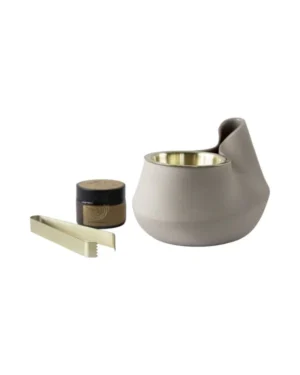
“Aves” Incense Holder
By Tributo
€97 -
 In stock
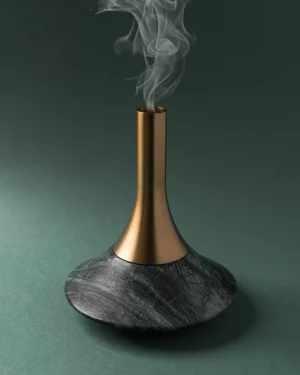
Dervish Incense Burner
By Boo Design Studio
€265 -
 In stock
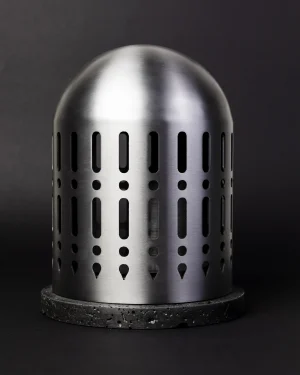
Medaillon – Incense Burner & Candle Holder
By Boo Design Studio
€202 - €240 -
 In stock
Altar – Marquina Incense Holder
By CARRARA
€120 -
 In stock
Incense Holder I-45
By julius.works
€90 -
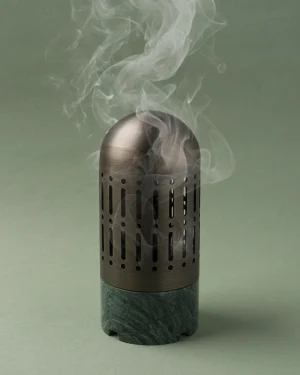 In stock
Green Medaillon Incense Burner
By Boo Design Studio
€193 -
 In stock
Altar – Emperador Incense Holder
By CARRARA
€120 -

Sasso – Incense Holder
By Emilia Tombolesi
€175 -
 In stock
Totem – Onyx & Marquina Checkered Tray
By CARRARA
€180 -
 In stock
Altar – Onyx Incense Holder
By CARRARA
€120 -
 In stock
Ritualia – Arabescato Bowl
By CARRARA
€150 -

Eteria – Carrara Stand
By CARRARA
€30 - €40
Stone incense holders are shaped from mineral material that stays cool to the touch even as smoke rises from it, a quiet contrast that is part of their appeal. Studios working in marble, sandstone, volcanic stone and other natural stone use stone carving, mould making and sometimes digital fabrication to turn solid blocks into trays, bowls, discs and small standing forms. The stone carries the piece: its vein, its grain, its weight on a shelf do most of the work that decoration would otherwise do.
What Defines Stone in This Kind of Piece
Marble brings visible veining and a cool, slightly reflective surface, but it is porous enough to mark if ash or oil sits on it too long. Sandstone and volcanic stone read rougher and more matte, with a texture that hides fine scratching and suits a heavier, more grounded form. Natural stone more broadly varies piece to piece, since no two blocks cut the same way, so color and pattern shift even within a single material category.
Finishes, Techniques and Editions Found Here
Within stone, the range runs from black, white and gray through green, brown and sand tones, depending on the quarry and the polish applied. Some studios leave a honed, matte finish that mutes the veining; others polish the surface so it catches light. Making methods vary too: hand stone carving gives each holder slightly different edges, while mould making and digital fabrication produce more repeatable forms. Editions run from open runs to limited editions, so the same silhouette can exist as a standing piece or as part of a smaller run. For the full spread of stone and mineral pieces beyond incense holders, the stone and mineral material page covers tables, lighting and other objects worked in the same materials.
How to Choose One
Scale matters more than it first appears: a small stone dish sits well alone on a narrow shelf, while a taller carved form can anchor a sideboard or console on its own. Check the base width against where the holder will stand, since stone is heavy enough to be stable but unforgiving if the surface slopes. Matte, honed finishes tend to suit quieter, pared-back rooms, while polished stone holds its own next to other reflective surfaces like glass or metal. If the room already leans toward pared-back shapes, the minimalist incense holders group narrows the options to simpler silhouettes.
Where They Sit in a Room
Stone incense holders work on altar surfaces, bedside tables, bathroom shelves and dining sideboards alike, anywhere a small object is meant to hold its own rather than disappear. Their weight keeps them from sliding on wood or tile, which makes them practical on open shelving as well as on a desk. Paired with other stone furniture or stone lighting in the same room, they read as part of a material logic rather than an accessory added on top; the full incense holders range shows how they sit alongside ceramic, brass and wood versions for comparison.
Caring for Stone
Ash should be emptied regularly rather than left to sit, since fine particles can work into porous stone like marble or sandstone and leave a shadow over time. Wipe the surface with a dry or barely damp cloth; avoid acidic cleaners, which can dull polish or etch a honed finish. Oils from incense sticks or cones are best cleaned promptly for the same reason. Beyond incense holders, the same care logic applies across stone accessories and stone furniture, where porous surfaces reward the same light, regular attention rather than heavy cleaning.
How do I choose a stone incense holder?
Consider the stone's weight and finish against where it will sit, marble and sandstone read differently, and check whether the piece has a carved channel or drilled holes for ash and smoke.
How do I care for a stone incense holder?
Wipe with a dry or slightly damp cloth, avoid soaking porous stone like marble or sandstone, and brush out ash residue before it settles into the surface.
Does stone stain or scorch from incense?
Dense stone resists heat well, but porous types can darken slightly with ash over time, so wiping after each use keeps the surface even.
What size is a stone incense holder?
Most sit small enough for a shelf or side table, holding a single stick or cone, though some are carved as low trays that take more space.
Where should a stone incense holder be placed?
They suit shelves, altars, sideboards and desks, anywhere heat resistance and a heavy base matter, since stone holds a stick steady without tipping.
Does ADORNO ship stone incense holders worldwide and offer returns?
Yes, shipping is insured and worldwide, with a 14-day return policy excluding made-to-order pieces, each arriving with a certificate of authenticity and a lowest-price guarantee.