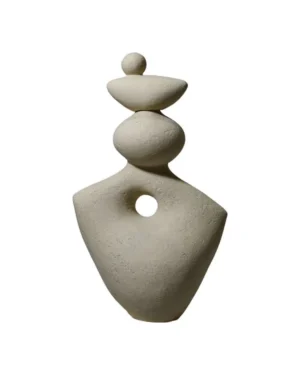
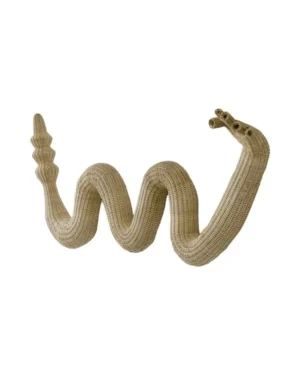
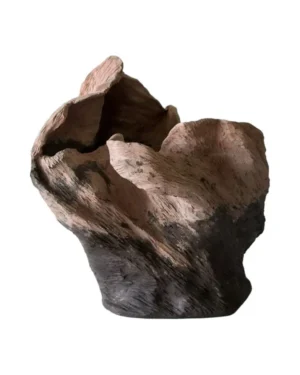
-
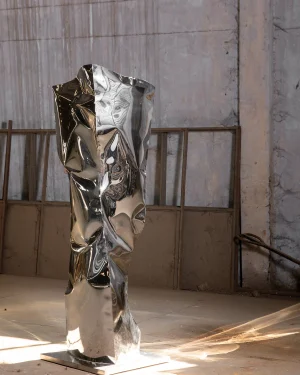
Monolith – Stainless Steel Floor Sculpture
By Nitush and Aroosh
€7.150 -

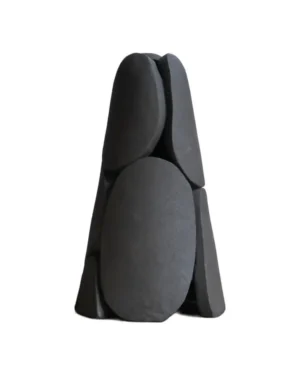
Aisha Totem – Stoneware Sculpture
By Lucia Mondadori
€1.395 -
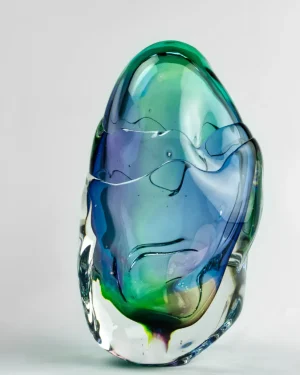
Persona – Glass Sculpture
By MILA ZILA
€2.400 -
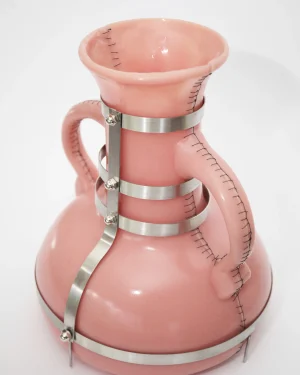
Soft Vase Sculptural Vessel
By Panorammma Atelier
€5.800 -
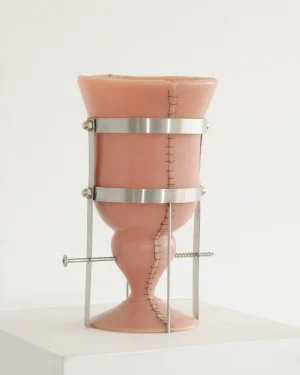
Soft Goblet Sculptural Vessel
By Panorammma Atelier
€4.800 -
 In stock
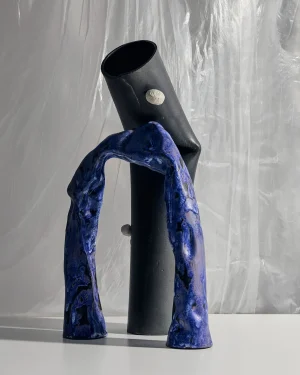
Stoneware Sculpture Installation
By C E R A M I C 4 7
€950 -
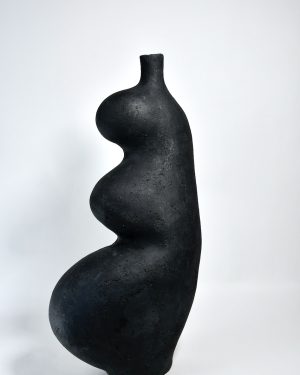 In stock
Lilith Grande
By Lucia Mondadori
€1.450 -

Lilith In Black Oxide
By Lucia Mondadori
€788 -
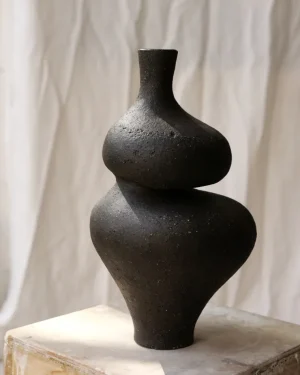
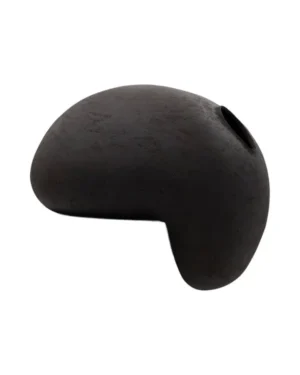
Black Lilith – Brut Stoneware Vessel
By Lucia Mondadori
€842 -

Fos Deco 08
By Daniel Orozco Estudio
€479 -
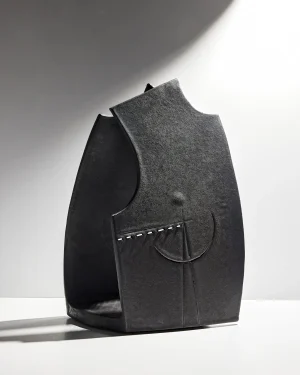 In stock
_migrated Forms 06 Sculpture
By C E R A M I C 4 7
€820 -
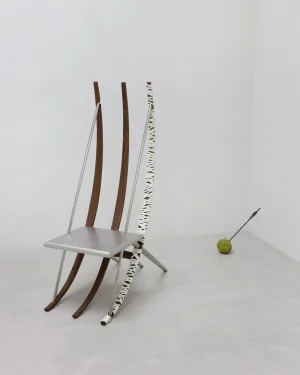 In stock
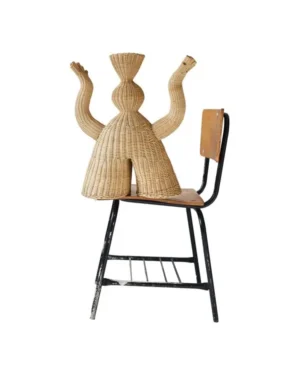
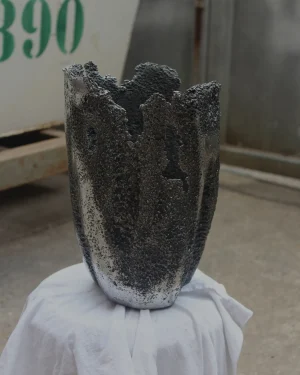
Bow Chair
By Undress House
Price Upon Request -
 In stock
Melancholy Vessel 10
By Saturday Yard Work
Price Upon Request -
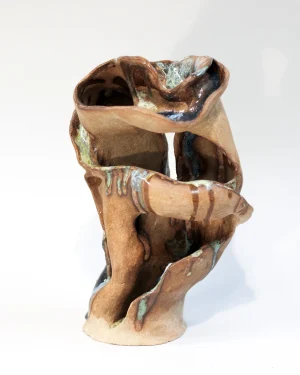 Sold
Vestige – One Of A Kind Ceramic Sculpture
By Vale Ro
€660 -
 In stock
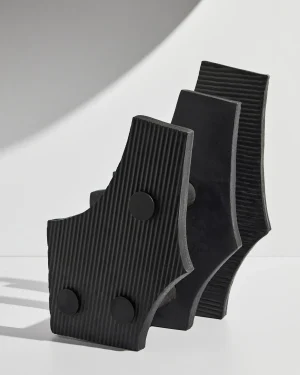
Peace After The Burn
By Undress House
Price Upon Request -
 In stock
_migrated Forms 12 Sculpture
By C E R A M I C 4 7
€970 -
 Sold
Ucayali – Stoneware Collectible Sculpture
By Vale Ro
€2.500 -
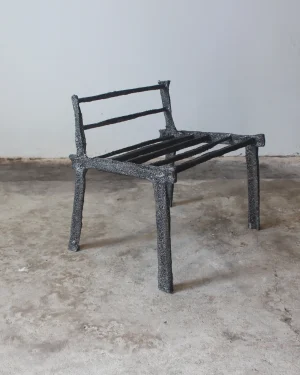
Melancholy Chair – Aluminium
By Saturday Yard Work
Price Upon Request -
 Sold
Bowels – Stoneware Collectible Sculpture
By Vale Ro
€3.600 -
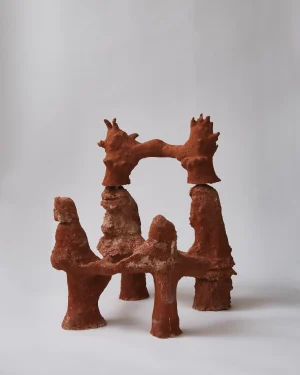 In stock
RESEMBLINGS OF A CHAIR – Sand Casted Acrystal Sculpture
By Kajsa Melchior
Price Upon Request
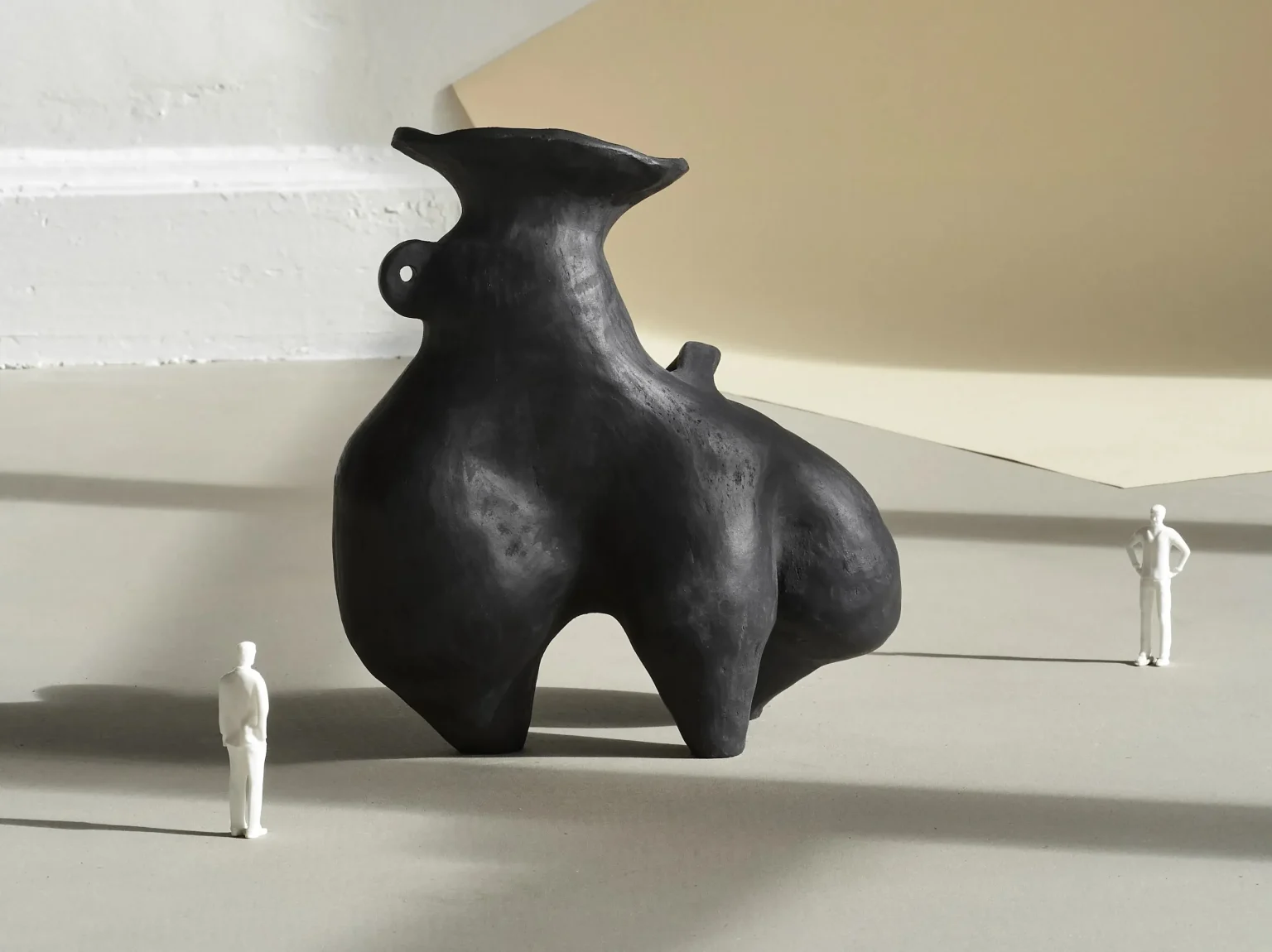
Radical sculptures are objects that refuse the quiet, well-mannered logic of most decor: they distort proportion, expose process, and let material behave in ways that feel unresolved on purpose. The studios working in this style come from ceramics, metal casting, and stone carving alike, and what unites them is intent rather than medium — each piece argues a point about form instead of settling into a familiar shape. The result sits closer to art than ornament, built to be looked at before it is used.
What makes a sculpture read as radical
A radical piece breaks an expectation somewhere: a vessel that will not hold water, a figure with no clear front, a cast form left rough where tradition says it should be smooth. The style borrows from Brutalist weight and gothic shadow as often as from pure invention, and it tends to favor mass over detail. Surfaces are left to show their making — a coil line in stoneware, a seam in cast metal, a chisel mark in stone — rather than disguising it.
Materials and techniques in this range
Stoneware and black stoneware carry most of the weight here, often finished with a heavy glaze that pools unevenly across the surface and darkens with handling over years. Earthenware and ceramic forms are usually hand-built or coiled, which keeps every piece slightly asymmetric even within an open edition. Stainless steel and aluminum appear through metalwork and sand casting or metal casting, giving sculptures a colder, harder presence that holds its finish indefinitely. Stone, carved rather than cast, brings the slowest process of all and the most permanent result.
Color stays restrained across the range — black, beige, sand, off-white, ivory, and the occasional burgundy or multicolor piece — which keeps the attention on form rather than palette. Editions vary: some pieces are unique, made once and not repeated; others come from small or open runs where the studio's hand still shows in small variations between pieces.
How to choose one
Scale matters more than style once a piece is radical in shape. A tabletop sculpture needs enough clearance to read as an object, not clutter, while a floor piece should be sized against the room's ceiling height so it anchors rather than crowds. Finish is the second decision: matte stoneware absorbs light and suits low, warm rooms, while cast steel or aluminum throws light back and reads sharper in brighter spaces.
- Place dense stone or metal forms where the floor can bear real weight — a hallway corner, a hearth, a plinth built for the purpose.
- Keep ceramic and glazed pieces away from direct sun, which can fade pigment in a glaze over time.
- Let one radical sculpture stand alone in a room rather than grouping several, since the style argues a single point and dilutes when crowded.
Where these pieces sit in a room
Living rooms and entryways carry radical sculpture well, since both rooms allow an object to be seen without competing for function. Studies and reading rooms suit the smaller stoneware and ceramic forms, set at eye level on a shelf or low plinth. Larger stone or cast-metal pieces tend to work best on the floor, where their weight is legible and the surrounding space can breathe around them; for related seating and furniture pieces that share this sensibility, see the range of radical furniture and radical seating.
Care by material
Stoneware and earthenware should be dusted rather than scrubbed, since an aggressive cloth can dull a glaze's surface. Stainless steel and aluminum wipe clean with a dry cloth and resist corrosion indoors, though fingerprints show on a high polish. Stone needs no finish at all beyond the occasional wipe, but it should be lifted rather than dragged, since carved edges chip. For the wider range of forms and materials beyond this style, the full sculpture collection and the complete set of radical pieces on ADORNO cover everything from ceramic vessels to cast-metal totems, alongside related radical decor for the rest of a room.
How do I choose a radical sculpture?
Let the form lead. Radical pieces favor exaggerated shapes, raw surfaces or unexpected proportions over decoration, so pick one whose silhouette holds a room on its own, then weigh material and scale against the space around it.
What materials are radical sculptures usually made from?
Many come in stoneware, cast glass, aluminum, stone or mixed media, worked through hand-building, sculpting, metal casting or stone carving. Each material carries its own care needs, so check the piece's page or chat with the maker for specifics.
How should I care for a sculptural piece?
Ceramic and stoneware forms want dusting and a dry spot away from direct sun. Metal pieces tolerate handling but should stay away from moisture, and stone surfaces can stain, so wipe spills promptly.
What size sculpture should I buy for my space?
Radical sculptures range from tabletop objects to floor-standing forms, so measure the surface or footprint first. The maker can confirm exact dimensions and weight through Chat with the maker on the piece's page.
Which rooms suit radical sculptures?
Their bold forms work as focal points in entryways, living rooms or studies, anywhere a single object can hold visual weight without competing for function. Larger pieces also anchor open spaces with high ceilings.
What are ADORNO's shipping, returns and authenticity policies?
Shipping is insured and worldwide. Returns are accepted within 14 days, except made-to-order pieces, and every piece arrives with a certificate of authenticity alongside a lowest-price guarantee.