The design market is no longer a small corner of the art world. It is growing up, spreading out, and getting younger.
For an independent studio, market news can feel remote. Auction totals and fair launches seem far from a workshop. They are not.
Every shift in who buys, where they buy, and what they trust changes how a studio should sell. Here are the signals worth knowing as 2026 closes, and what each one means for your practice.
Collectible Design Is Going Mainstream
The category now has its own stage at the biggest fairs. In April, Salone del Mobile.Milano launched Salone Raritas, a section devoted to collectible design and limited editions.
The art world is paying attention too. On March 28, Salone and Art Basel staged a talk at Art Basel Hong Kong called “For the love of collectibles: why collect design now.”
The sales data points the same way. Design Miami’s 2025 recap reported that Christie’s, Sotheby’s, and Phillips posted a combined rise of more than 60 percent in design sales year on year.
What it means for you: collectors and trade buyers now expect to find design alongside art. Present your work with the same care.
The Buyers Are Getting Younger
According to the 2025 Art Basel and UBS Art Market Report, cited by Dezeen, millennials are leading the interest in design.
Their tastes differ from older collectors. Elle Decoration UK reports that new collectors are drawn to playful postmodern work by names like Ettore Sottsass and Gaetano Pesce. Galleries are hearing a lot about the 1980s and 90s.
The same report describes ceramics as the more affordable end of the market. At the other end, demand for 20th-century masters stays steady.
What it means for you: a younger buyer wants personality, memory, and a way in. Offer a clear range, from an accessible object to a statement piece.
The Map Is Widening
What was once a mainly European market is spreading. Design Miami has staged its first Asian activation in Seoul, and new galleries and fairs have opened in Miami and Los Angeles, according to Elle Decoration UK.
Design Miami has also announced a multi-year partnership with Alserkal to bring a new flagship fair to Dubai in 2027. Salone’s own programme now speaks to Chinese design audiences, as its session Rethinking Collectible Design shows.
What it means for you: your next buyer may not live in your region. Make it easy to sell across borders, including the Gulf and Asia.
Trust Is the Real Currency
Gallerists at Design Miami.Paris told HURS that the market is shaped by collectors’ evolving taste and the trust they build with curators and designers over time.
Trust comes from clarity. Who made it, how, where, and in what quantity. A buyer who can answer those questions buys with confidence.
What it means for you: document your process and your editions. Make the story as easy to find as the price.
What Studios Can Do Now
- Build a price ladder. Pair a smaller object with a hero piece, so a first-time buyer can say yes.
- Use memory. Vintola Studio gives a PRL-era Bumerang chair new jacquard upholstery. It is mid-century modern with a fresh voice.
- Collaborate across borders. Nama Home’s Sorbet lamp was designed with Massimo Mariani and handcrafted in India.
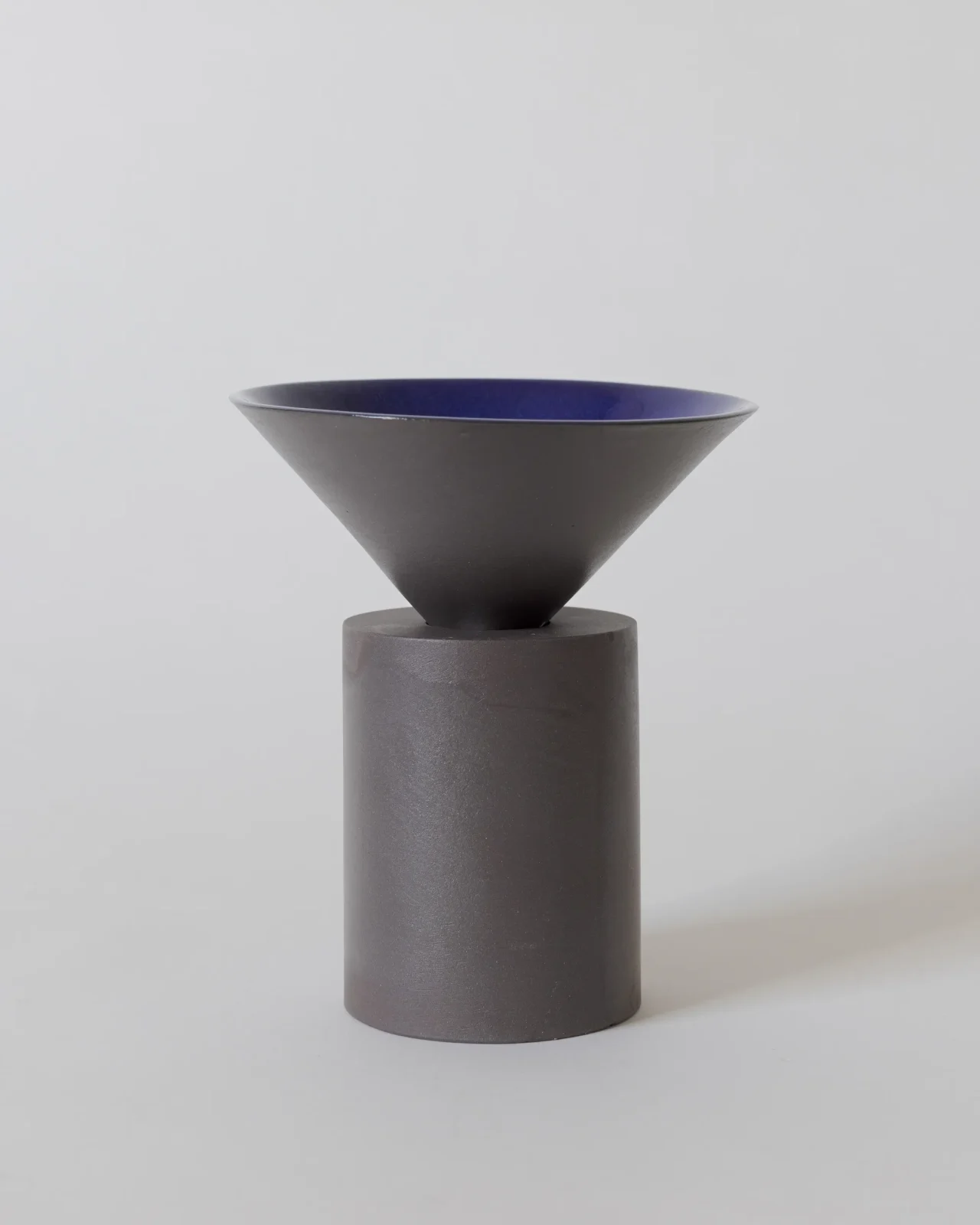
- Sell through more than one door. ZEMNA’s Dyka ceramics are available on ADORNO and through Galerie Philia in the United States.
- Watch the fairs. Collectible Brussels, Design Miami, and Salone Raritas show where demand is forming.
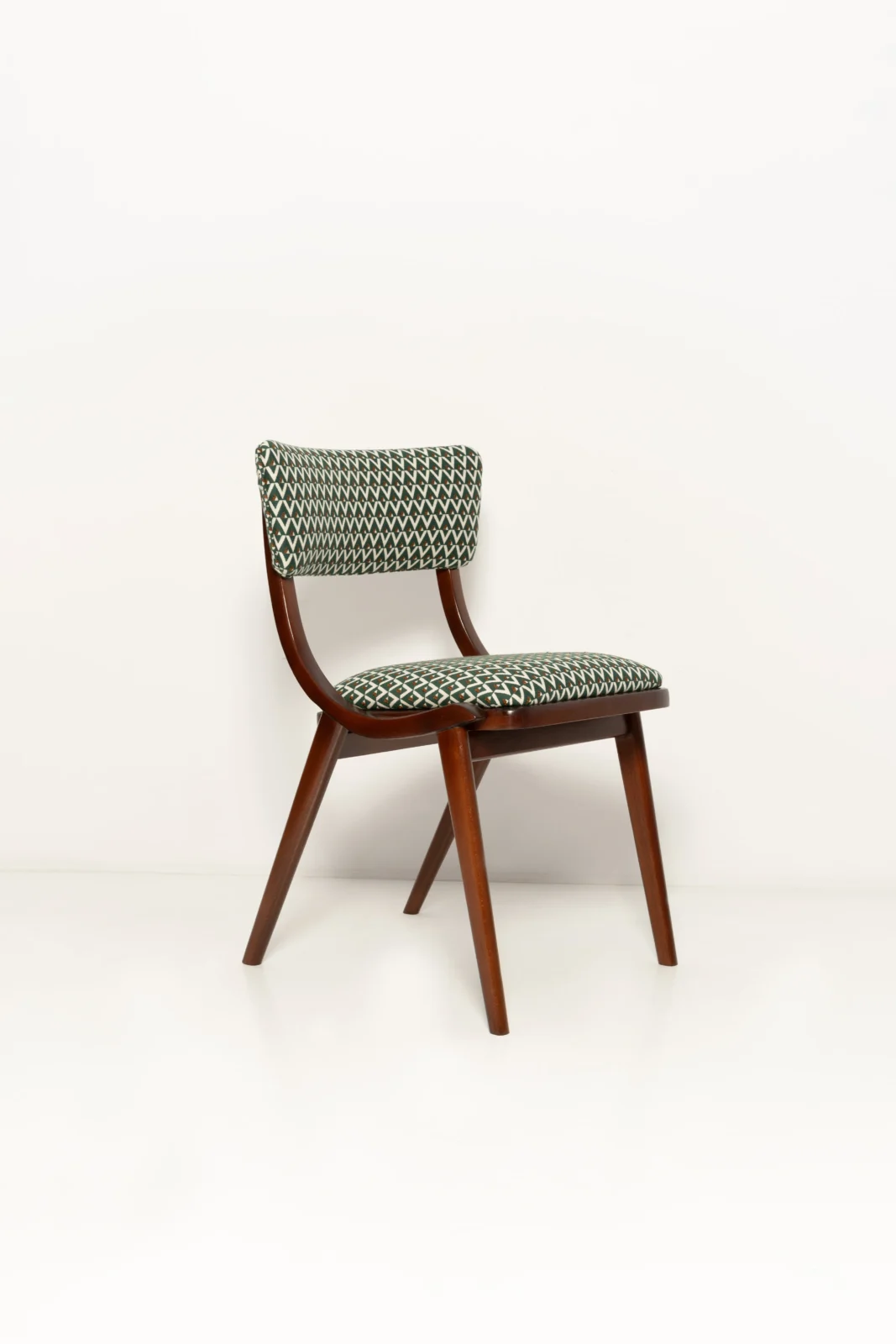
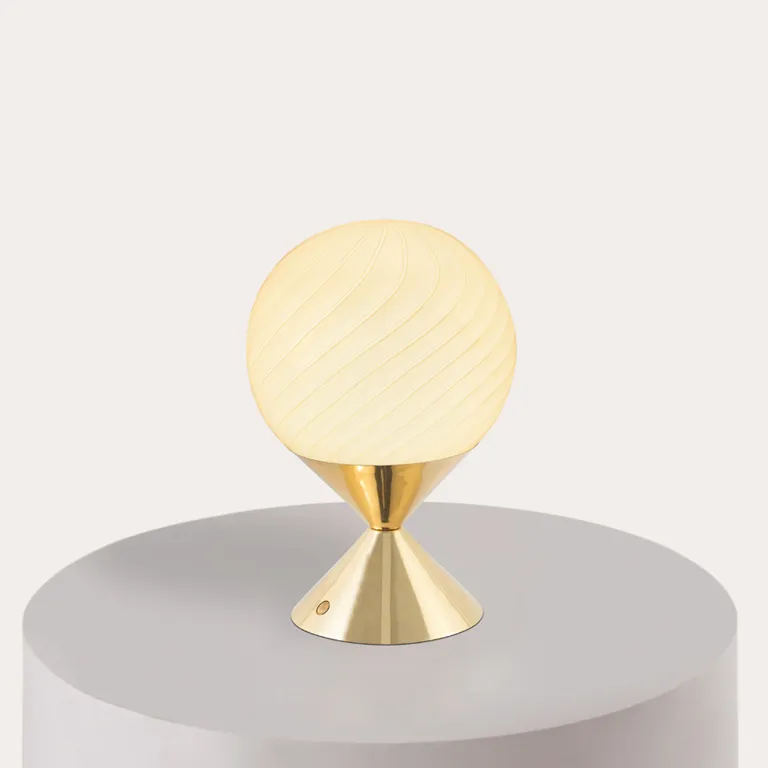
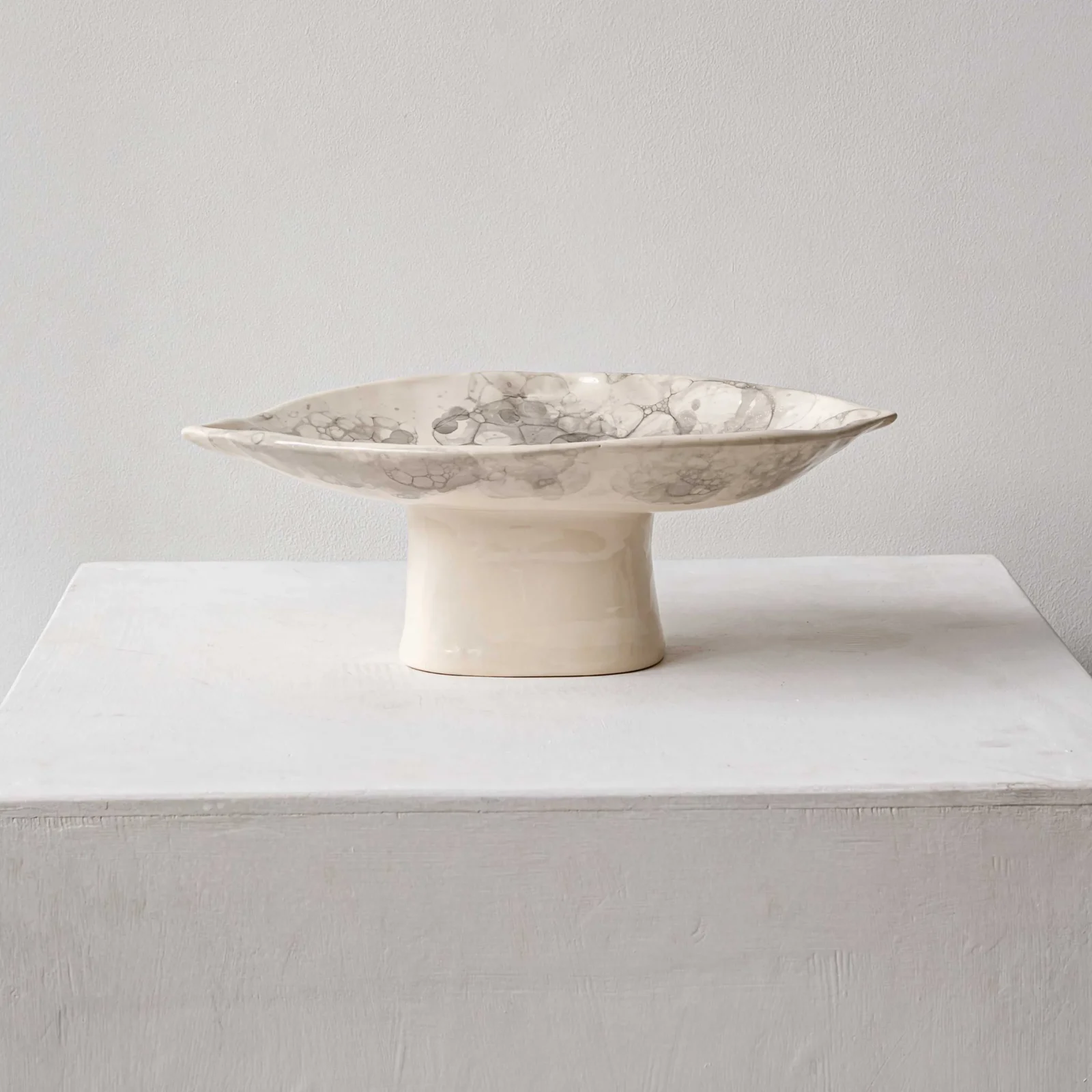
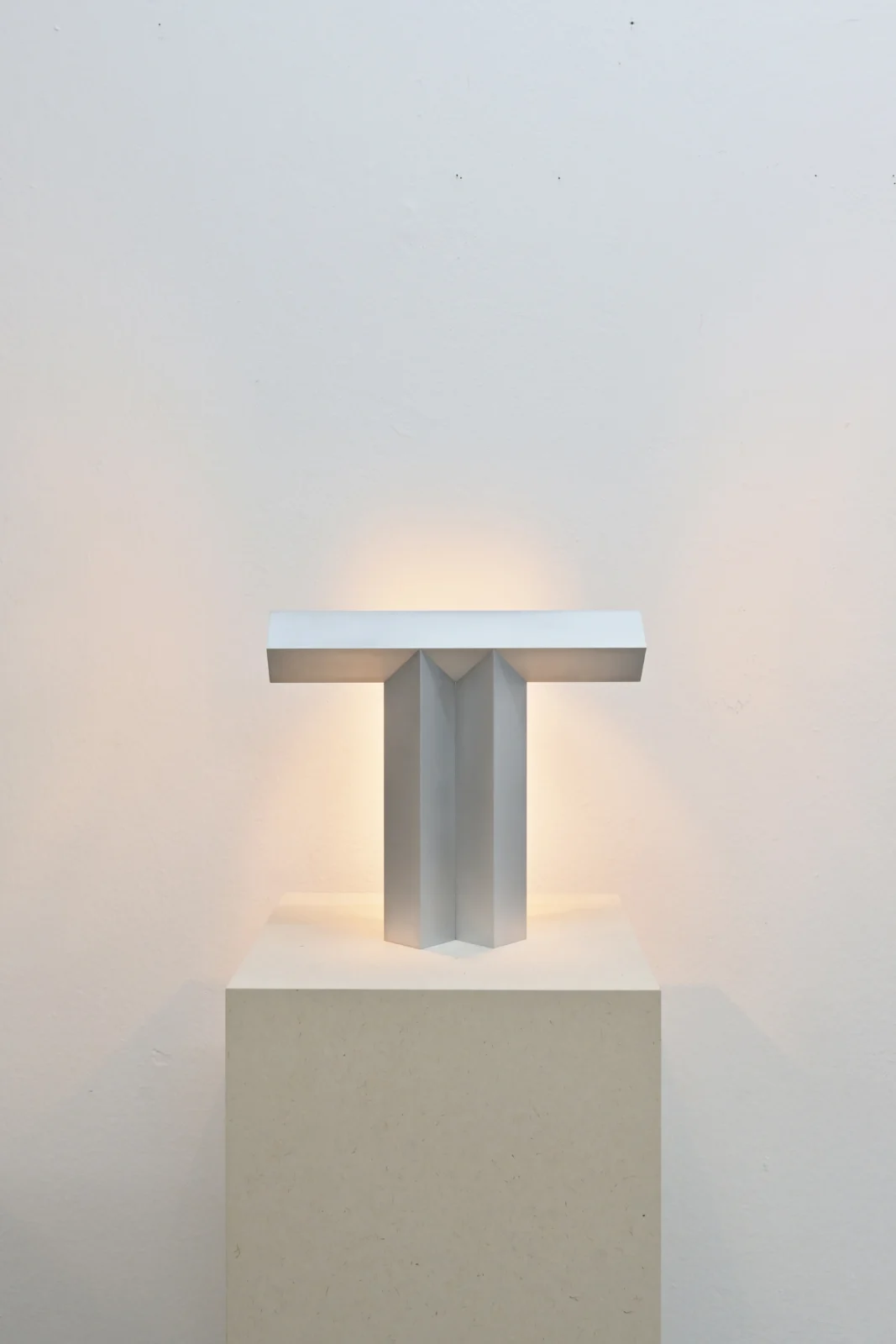
An upholstered classic, a collaborative lamp, and a sculpted ceramic bowl. Three studios, three routes into the same market.
Where ADORNO Fits
ADORNO represents independent studios and puts their work in front of collectors in more than 59 countries. ADORNO PRO connects suitable pieces with interior designers and architects. The curation and advisory team also shares what it sees moving in the market.
There is no exclusivity, so a studio can keep its galleries and its own channels. Applications are reviewed on a rolling basis, and an accepted profile typically goes live within one to two weeks.