A buyer scrolls past a hundred listings. The one they remember is the one that felt like walking into a room.
A physical showroom works because someone designed the walk. The lighting is deliberate. The first piece you see is chosen. Nothing is there by accident.
An online showroom works the same way, except the buyer is three time zones away and has about ten seconds. International collectors can’t touch the material. They can’t ask the person beside them. Your listing has to do all of that for you.
Here’s how to style a showroom that sticks. It covers photography, descriptions, and the order your pieces appear in. None of it needs a bigger budget. All of it needs a few deliberate choices.
What Buyers Notice First
In a gallery, people notice three things in order. The strongest piece. The mood of the room. Then whether the details hold up when they step closer. An online showroom gets judged the same way.
So build yours in that order: one hero piece, one consistent mood, and detail that rewards a closer look. On ADORNO, collectors keep responding to material honesty, a visible maker, and objects that carry history without performing it. Make those three things easy to see.
Photograph for Memory, Not Just Accuracy
A clear photo on a plain background is necessary. It isn’t memorable. Give each piece a small set of images, and let every image do one job.
- A hero shot. One image of the whole piece, cleanly lit, with nothing competing for attention.
- A scale shot. Place the piece beside a hand, a chair, or a wall. A buyer can judge size without reading dimensions.
- A detail shot. Get close to the joinery, the weld, the glaze, or the weave. This is where trust is built.
- A room shot. Show how the piece lives with other things. A sculptural lamp reads differently in a minimalist room than in a boho-chic one. Pick the setting that suits your work.
- A process shot. Show hands, tools, or the workshop. Collectors buy the maker as much as the object.
- One consistent look. Use the same light, the same background family, and the same crop across the showroom. Consistency is what makes a studio recognisable.
Shoot in portrait when you can. Portrait frames crop cleanly for galleries and mobile screens.
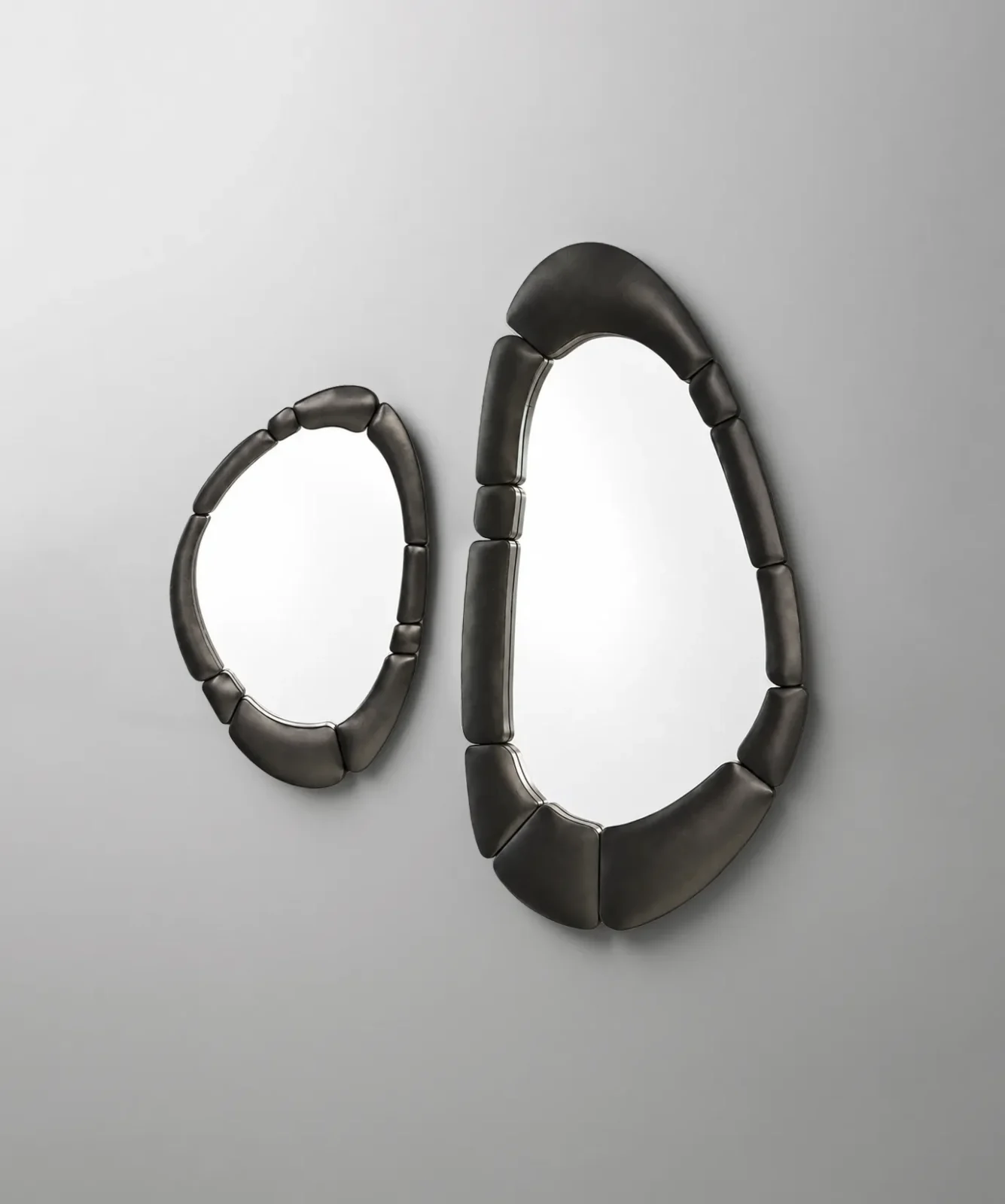


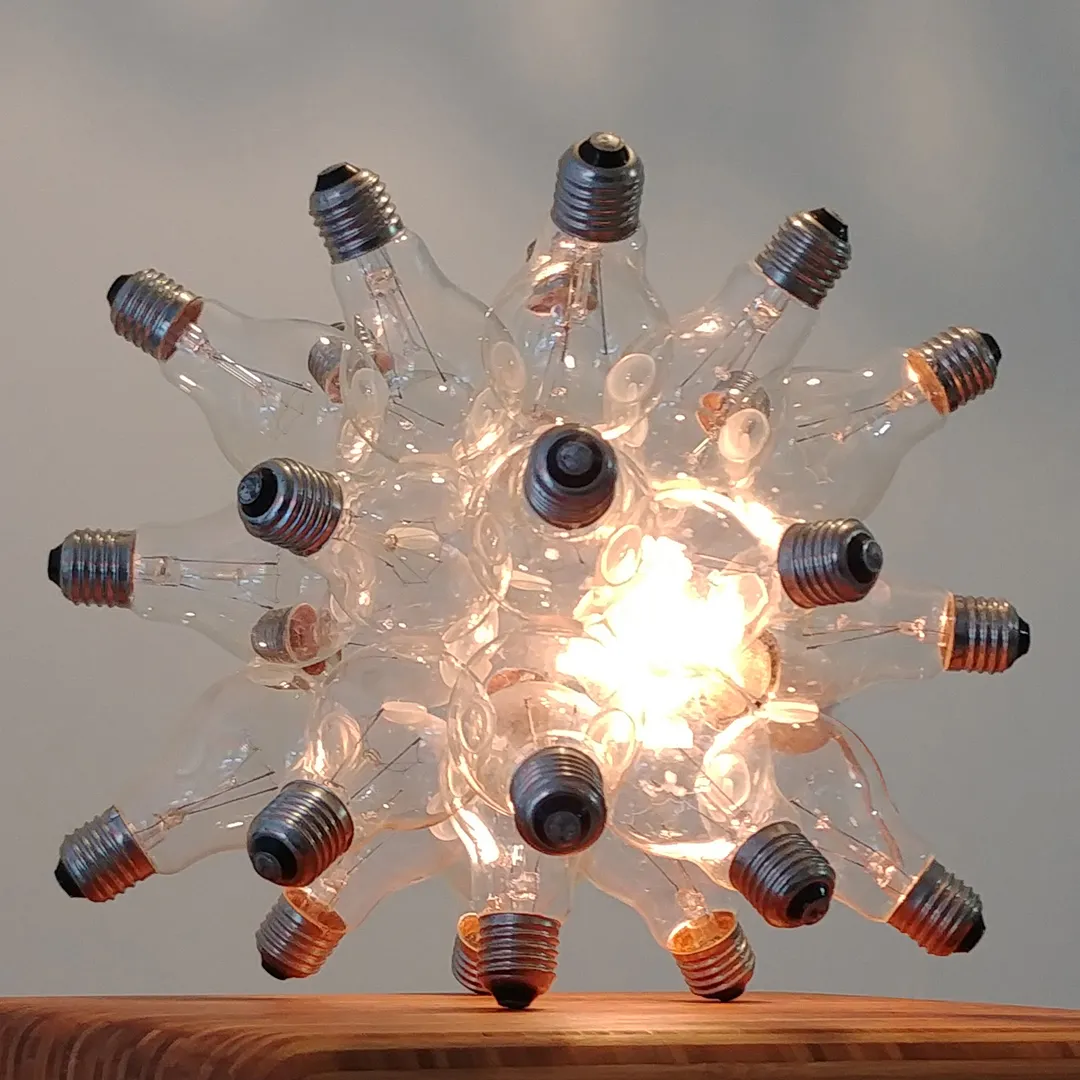
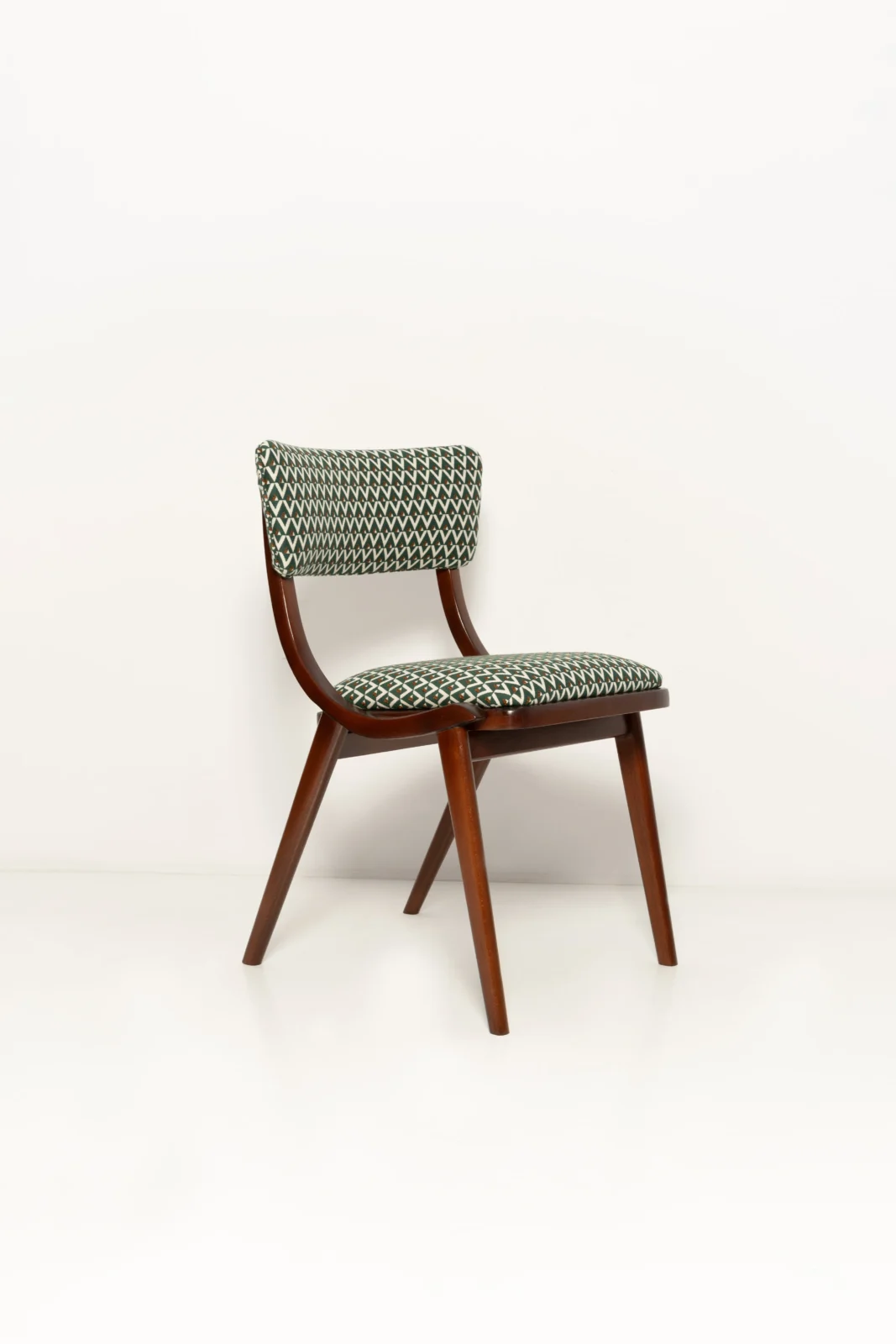
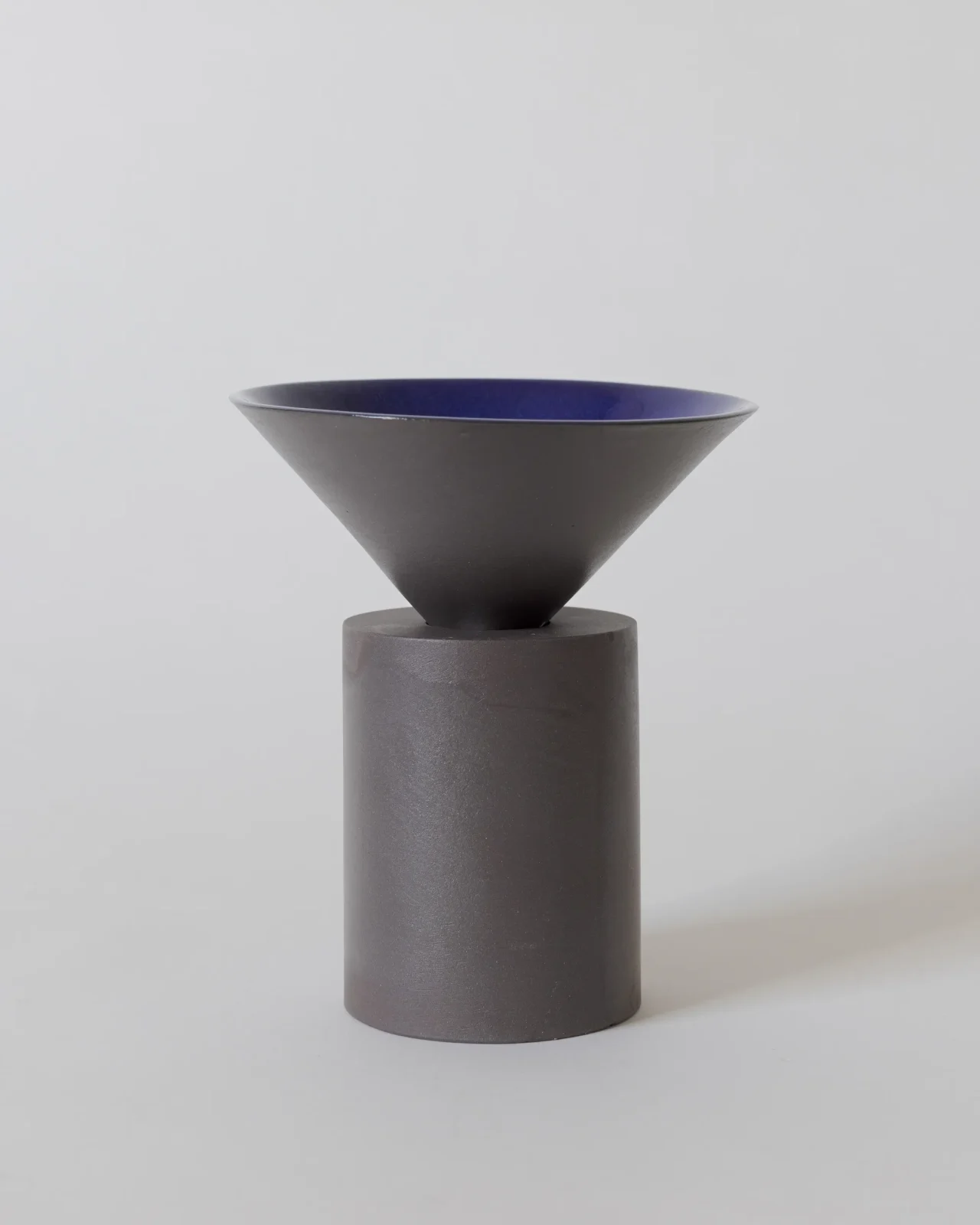
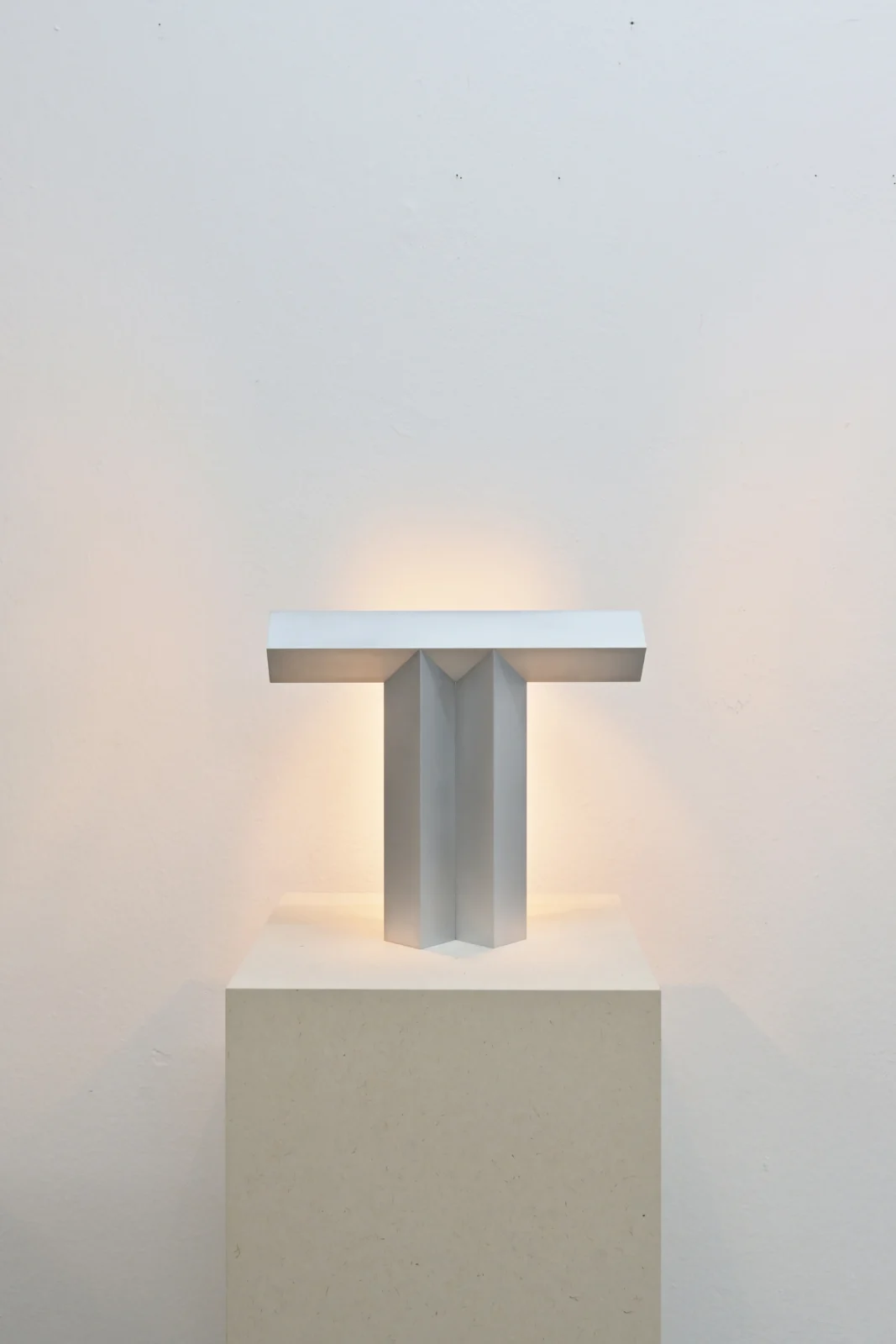
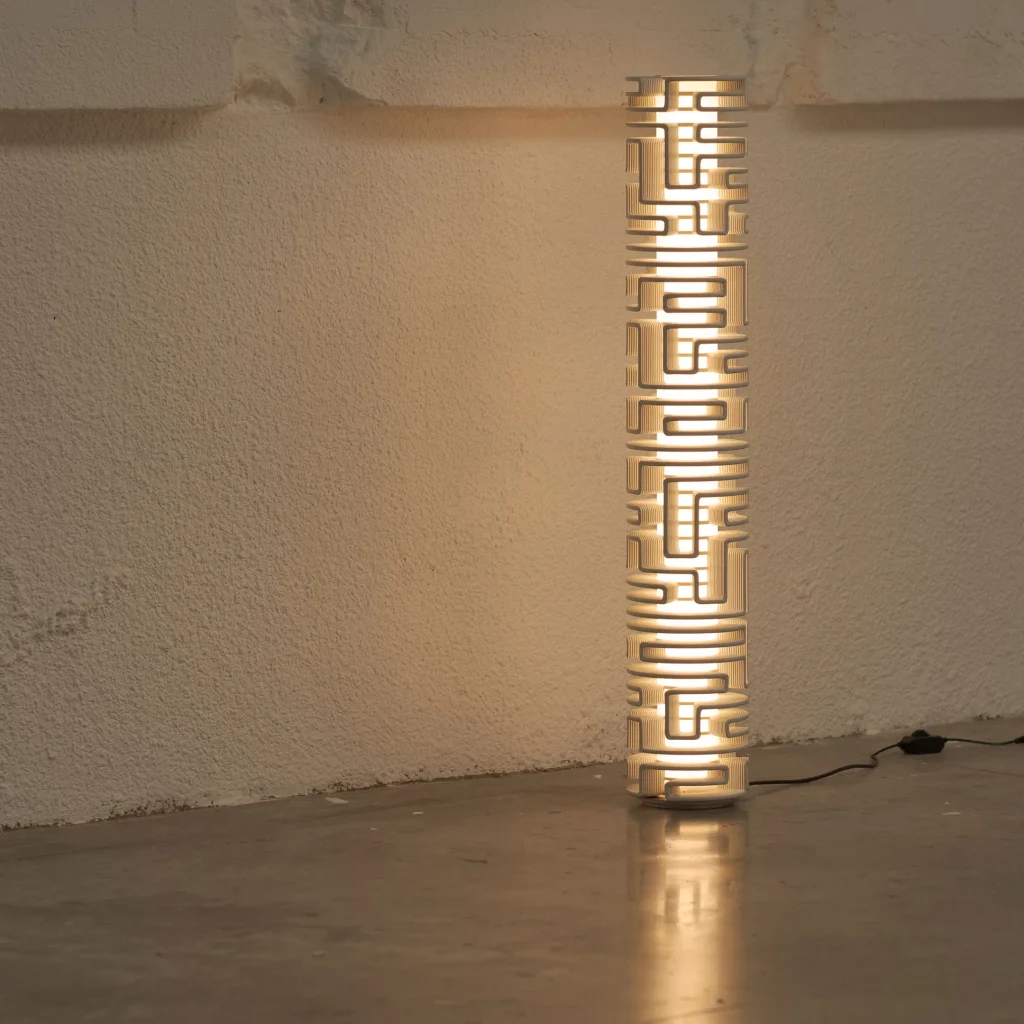
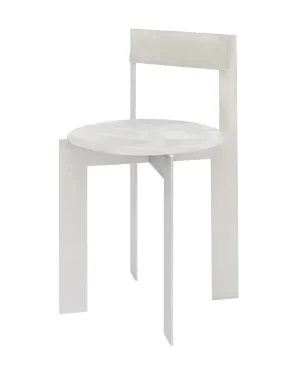
Four studios, four visual identities. That’s the goal: a look a buyer can recognise at a glance.
Describe It So a Stranger Can Picture It
Words do the work a showroom assistant would do. Keep them short, specific, and true.
- Name the piece plainly. A clear name beats a clever one. A buyer should be able to say it out loud and find it again.
- Lead with material and method. “Lost-wax cast bronze” tells a collector more than “beautiful sculptural object.”
- Credit the people. Naming the artisan or workshop builds trust. The Artefacto Bronce Ls 01 listing credits the master artisan and the foundry in Morelia. It reads as a story, not a spec sheet.
- State size and weight. Use plain numbers, in metric and imperial if you can.
- Explain made-to-order pieces. If a piece is built after the sale, like SOOS Sound’s Bella Speaker, say so up front. Give the lead time so nobody is surprised.
- Write in clear English. Use short sentences and skip the jargon. Buyers in many countries are reading.
Sequence Your Showroom Like a Walkthrough
Order matters. A buyer reads a showroom from the top down, so treat it like a walk through a gallery.
- Open with your strongest piece. Choose the one you’d put in the window.
- Group by mood or room. Keep pieces that belong together side by side. A bronze collection or a set of wicker and natural-fibre pieces helps a buyer imagine a whole space.
- Show a range of price points. Give a first-time buyer an easy entry piece. Give a serious collector a statement one.
- Keep it fresh. Add new pieces regularly, so returning buyers always find something new.
Not sure where your work sits? Browse ADORNO’s inspiration pages, from soft minimalism to mid-century modern to whimsical. You’ll see quickly which style your pieces belong to.
A Quick Showroom Checklist
- One hero piece at the top.
- Hero, scale, detail, room, and process images for your best sellers.
- One consistent photographic look across every piece.
- Material, method, size, and lead time in every description.
- Pieces grouped by mood, not only by date added.
- Clear, simple English throughout.
Where ADORNO Fits
ADORNO’s sales team fields buyer conversations with collectors in more than 59 countries. It sees which questions a good listing answers before they’re asked. That’s the thinking behind the advice above.
A studio that joins gets a showroom page, plus an advisory team that can share what it sees moving in the market. Applications are reviewed on a rolling basis. An accepted profile typically goes live within one to two weeks.