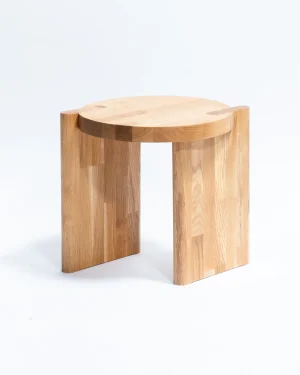
Wood Seating with Warmth, Structure, and Lasting Presence
Wood seating brings warmth and visual calm into an interior. Grain, joinery, and finish shape how a room feels, from dining zones to reading corners. For a broader material lens, start with wood and the editorial woodworking.
Designers return to wood because it works across styles and scales. It reads clean in minimalist spaces, feels natural in mid-century interiors, and grounds layered eclectic rooms. For a wider view of contemporary furniture, see wood furniture.
What Defines Wood Seating
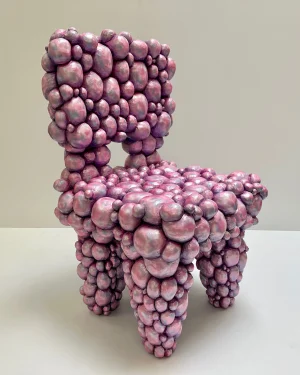
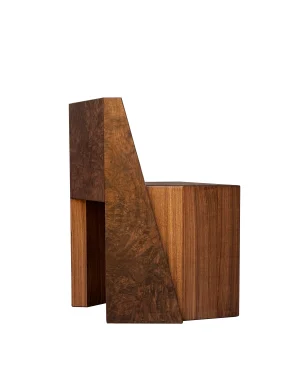
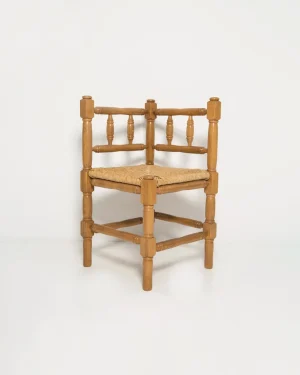
Wood seating includes chairs, stools, benches, and sculptural seats built primarily from wood. Some pieces emphasize clean lines and restraint, while others highlight tool marks and expressive grain. The thinking behind these approaches appears in artisanal techniques and crafted design.
Wood pairs naturally with other materials. Metal hardware, leather seating, and textile upholstery shift tone without compromising structure. For contrast, explore metal, leather, and textile.
Types of Wood Seating
Wood Dining Chairs
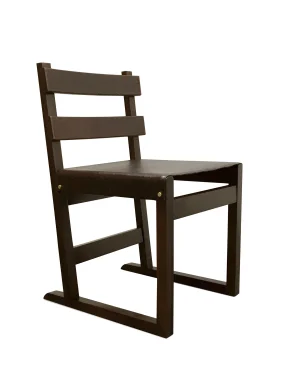
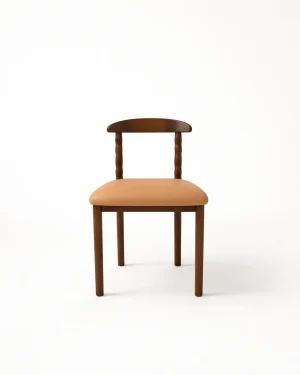
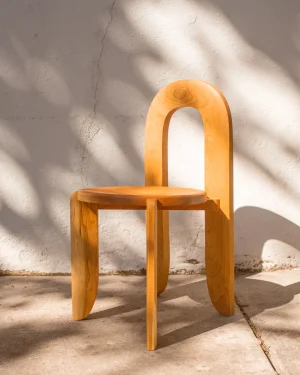
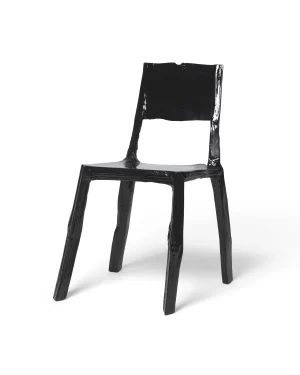
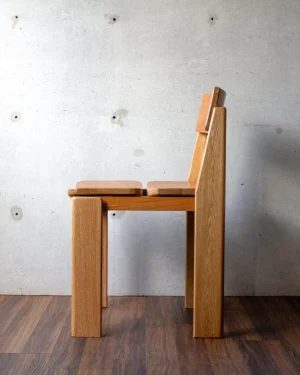
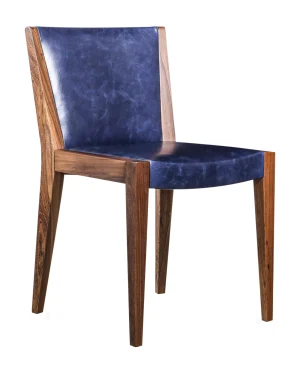
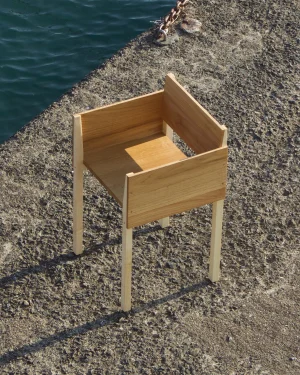
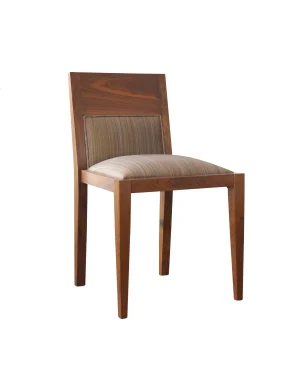
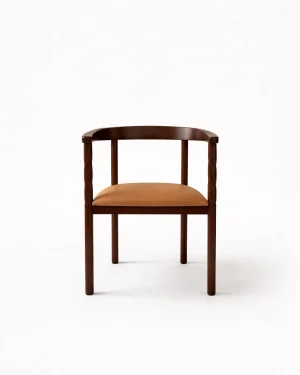
Wood dining chairs define the rhythm around a table. Supportive back angles, stable legs, and clear proportions matter most. For pairing guidance, see wood dining tables and dining room planning.
For focused inspiration, visit wooden dining chairs and wooden seats.
Wood Stools
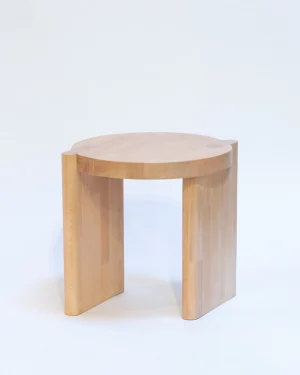
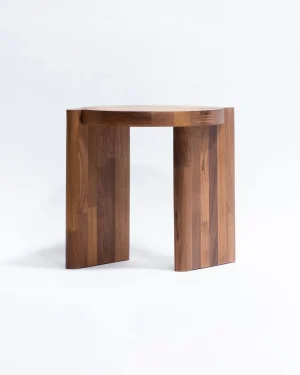
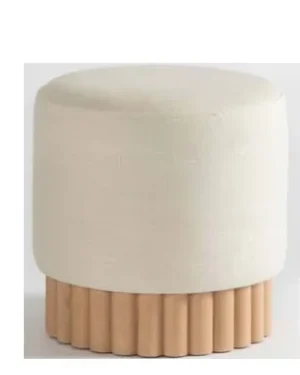
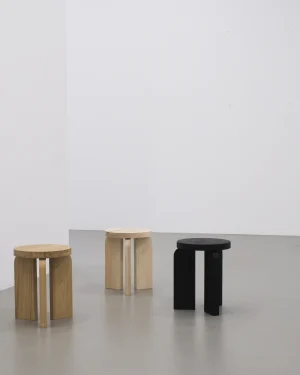
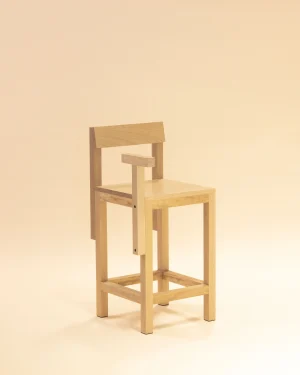
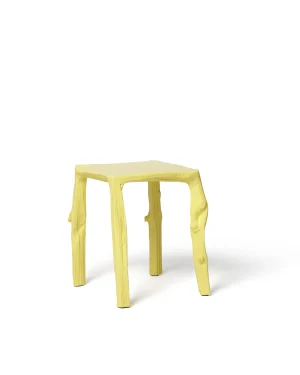
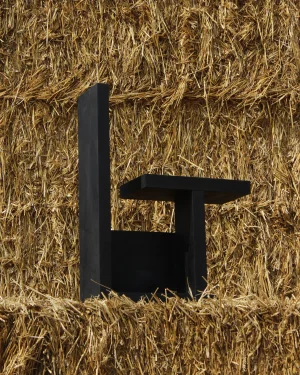
Wood stools serve as extra seating, compact perches, or sculptural accents. They suit tight layouts where chairs feel heavy. For art-led examples, see wooden stool designs.
They also support flexible layouts, echoing ideas in versatile stools.
Wood Benches
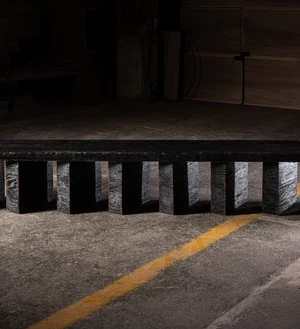
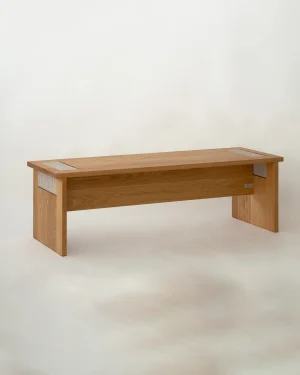
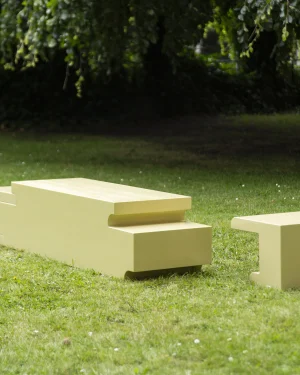
Wood benches introduce a grounded horizontal line in entryways, dining rooms, and bedrooms. They offer seating without visual clutter. For functional references, see wooden benches.
Benches work well alongside storage elements. For context, explore designer storage and wood storage.
Wood Seating by Style
Minimalist
Minimalist wood seating relies on clean silhouettes and calm surfaces. Light woods soften geometry, while darker tones add weight. For related approaches, see midimalism and minimalist decor.
Mid-Century Modern
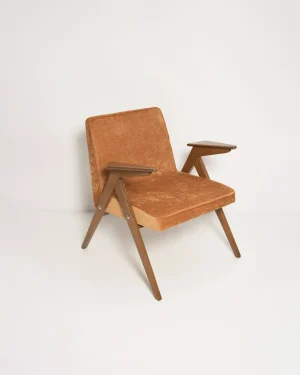
Mid-century modern wood seating often features tapered legs, curved backs, and warm finishes. These proportions remain relevant for their balance of comfort and clarity. See mid-century seating.
Scandinavian Modern
Scandinavian modern seating favors pale woods and honest construction. The result feels light and practical, especially in smaller rooms. For context, see scandinavian modern and simple chairs.
Eclectic
In eclectic interiors, wood seating anchors varied colors, patterns, and finishes. A single wood chair or stool can steady the composition. For ideas, see eclectic decor and eclectic seats.
Where Wood Seating Works Best
Dining Room
In dining rooms, wood seating shapes daily rituals. Pair chairs with tables that share a material logic, then define the area through lighting. For lighting cues, see table lamps and ambient lighting.
Living Room
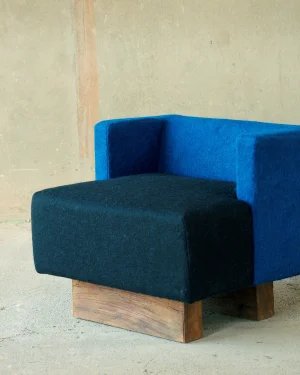
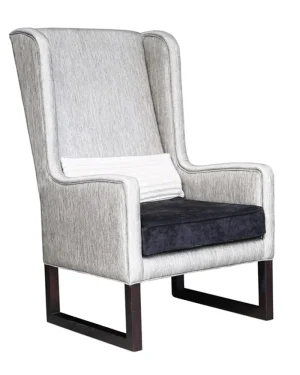
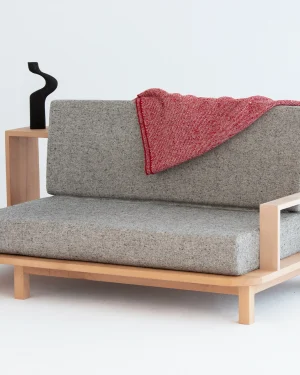
In living rooms, a wood chair or bench offsets upholstered forms and adds structure. For lounge-led ideas, see lounge chairs and unique lounge chairs.
Entryway
In entryways, wood benches and stools provide practical seating while setting tone. They pair naturally with mirrors and wall decor. For layout guidance, see entryway design and hallway finds.
Home Library and Reading Nook
In a home library, wood seating supports quiet focus. Pair a wood chair with layered textiles and a reading light. For room cues, see home library and reading.
How to Choose Wood Seating
Start with proportion. Match seat height to table height and check bench length against walls or tables. Use wood tone to echo or contrast floors for visual balance.
Next, assess construction. Look for tight joinery, stable legs, and finishes suited to daily use. For contrast materials, compare stone, ceramics, and glass.
Styling Wood Seating
Use wood seating as a grounding element, then layer texture around it. Rugs, cushions, and upholstery soften the form, while metal or glass accents add contrast. For texture cues, see wool rugs and ceramics.
When a room needs energy, add a sculptural accent nearby. A strong vase or wall piece introduces focus without changing the seating itself. See vases and wall decor.
Why Wood Seating Lasts
Wood seating ages with dignity. Patina and wear deepen the surface rather than diminish it, giving the piece long-term presence.
For broader material contrast within contemporary interiors, explore sand and marble alongside wood’s warmth.


 In stock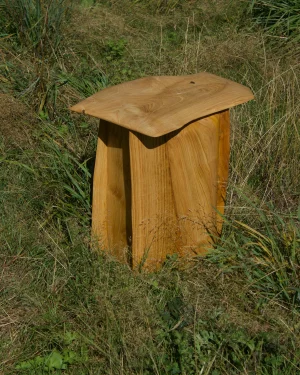
 In stock
 In stock
 In stock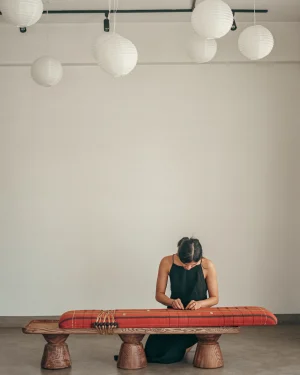
 In stock
 In stock
 In stock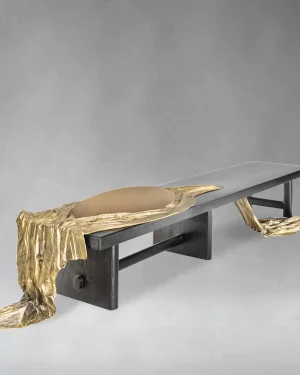
 In stock
 In stock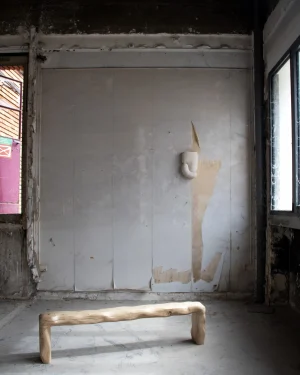
 In stock
 Sold
Sold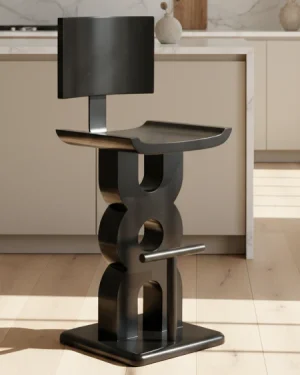 In stock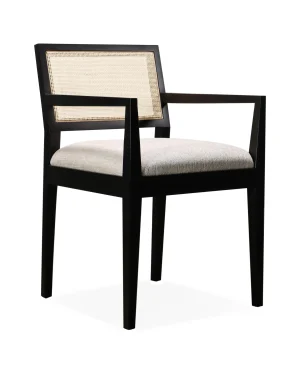
 In stock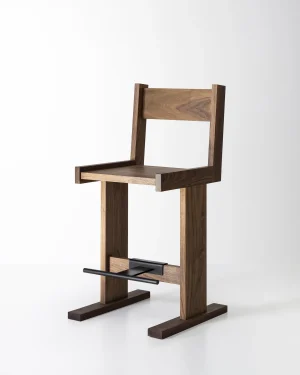
 In stock
 In stock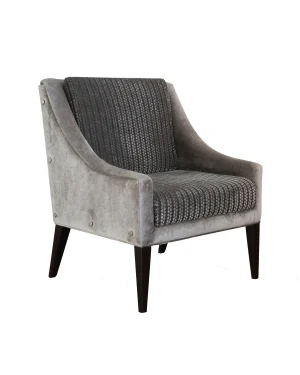
 In stock
 In stock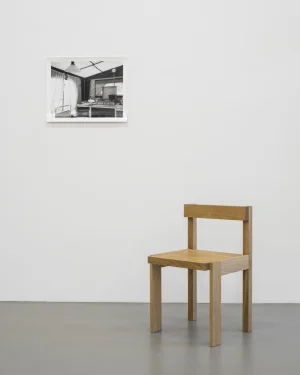
 In stock