Updated on: August 14, 2026
“Eclectic” gets used as a polite word for cluttered. Properly understood it means something more specific: drawing deliberately from several sources rather than committing to one. The word comes from the Greek eklektikos, “selective” — which is the part people skip. Selection is the whole discipline, and it is what separates an eclectic room from an accumulated one.
What does eclectic mean?
Eclectic means deriving ideas, style or taste from a broad and diverse range of sources. In general use it describes anyone whose tastes do not follow a single school — an eclectic reader, an eclectic record collection. Originally it named a school of ancient philosophers who refused to adopt one system and instead selected doctrines from several.
Consequently the word carries an implication of judgement rather than indifference. Choosing from many sources requires knowing what you are choosing between, which is why “eclectic” is a compliment when applied to a collection and an insult when applied to a mess.
What is eclectic design?
In design specifically, eclectic describes an approach that combines elements from different styles, periods and cultures into one coherent result. The defining move is intentional juxtaposition — placing contrasting things together on purpose, so the friction between them becomes the effect rather than a problem to solve.
The critical word is coherent. Eclectic design is not the absence of a scheme; it is a scheme built from variety rather than consistency. Something has to hold it together — usually a restricted palette, a repeated material, or consistent scale — and without that constraint the same objects read as random.

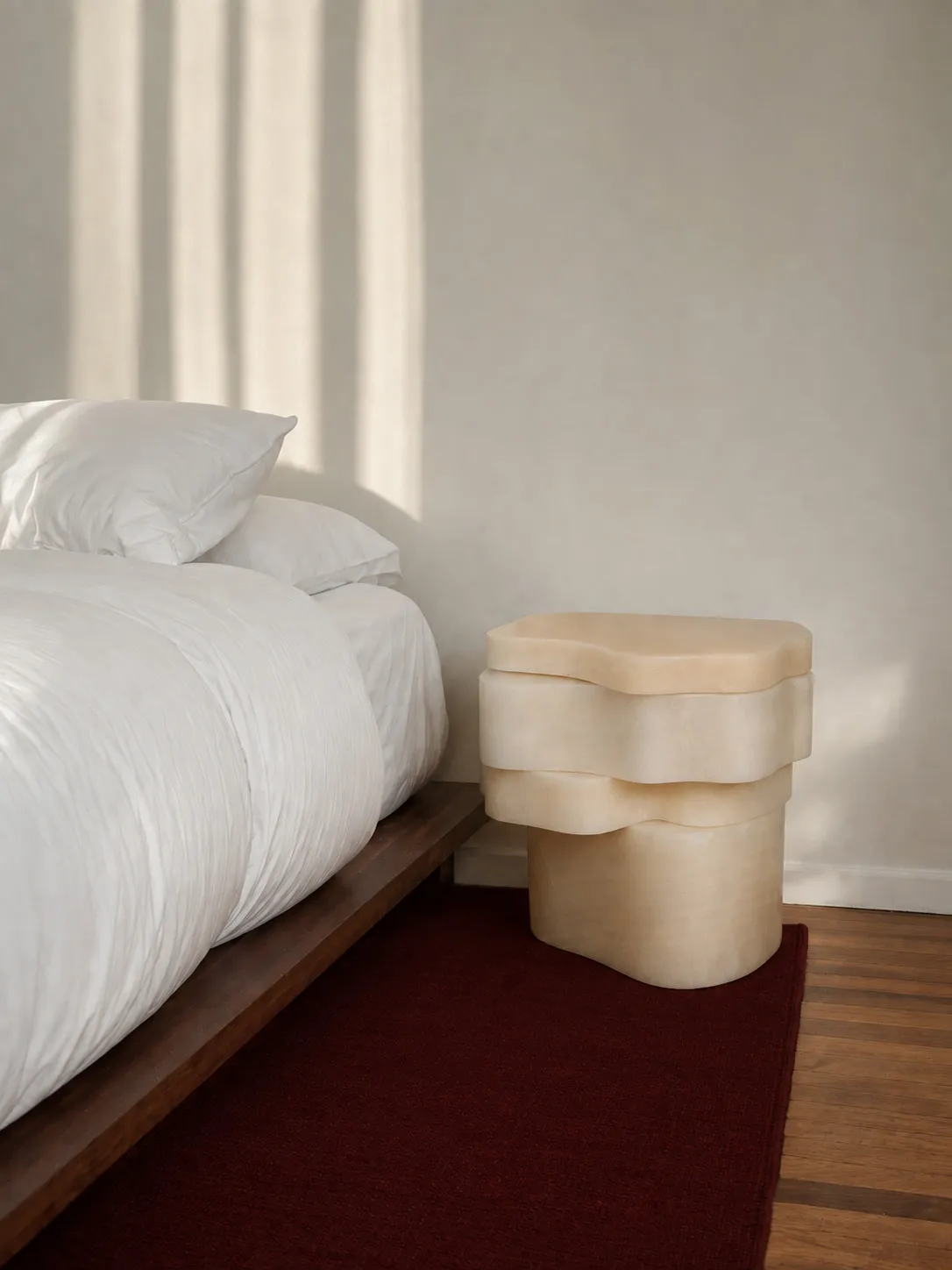
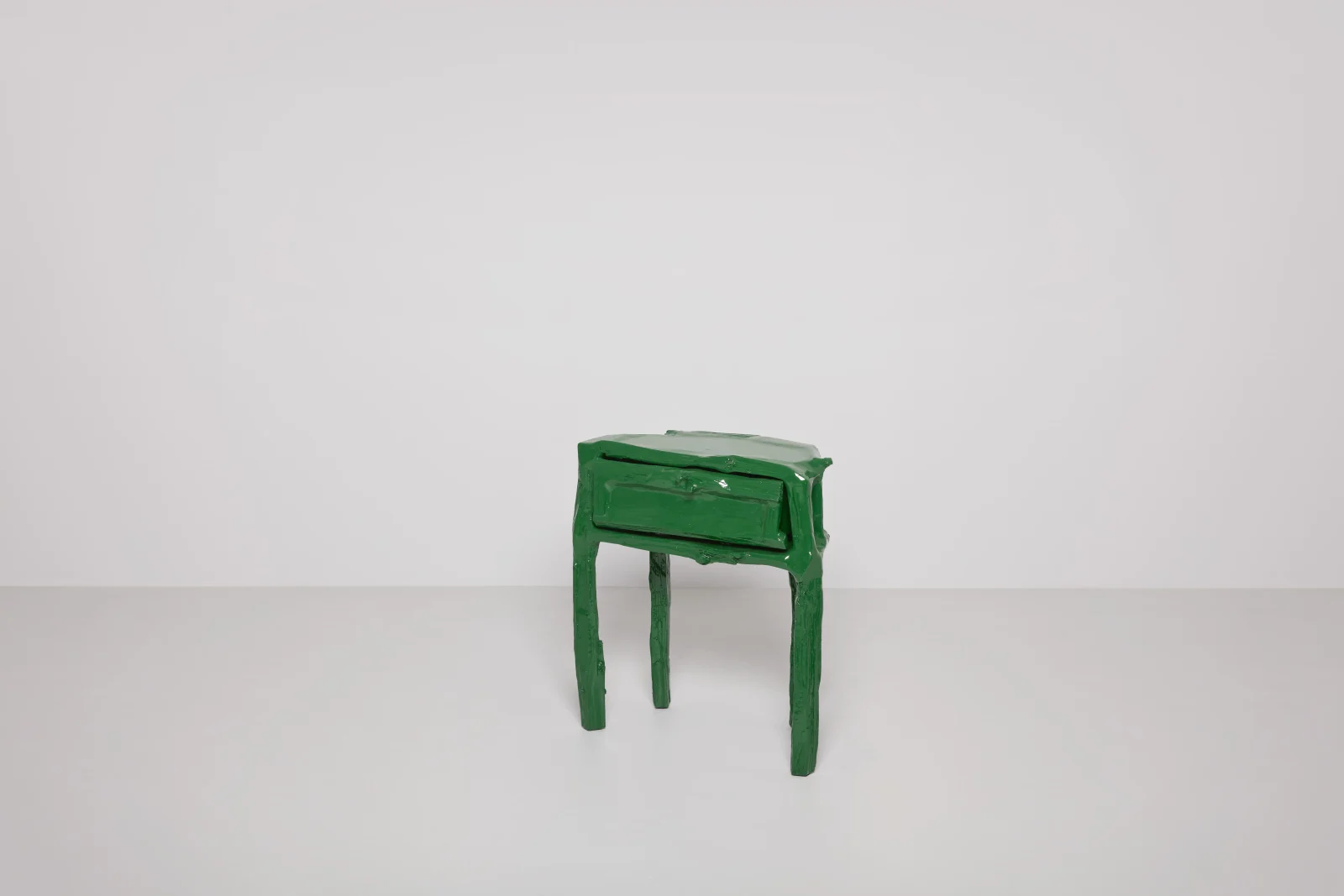
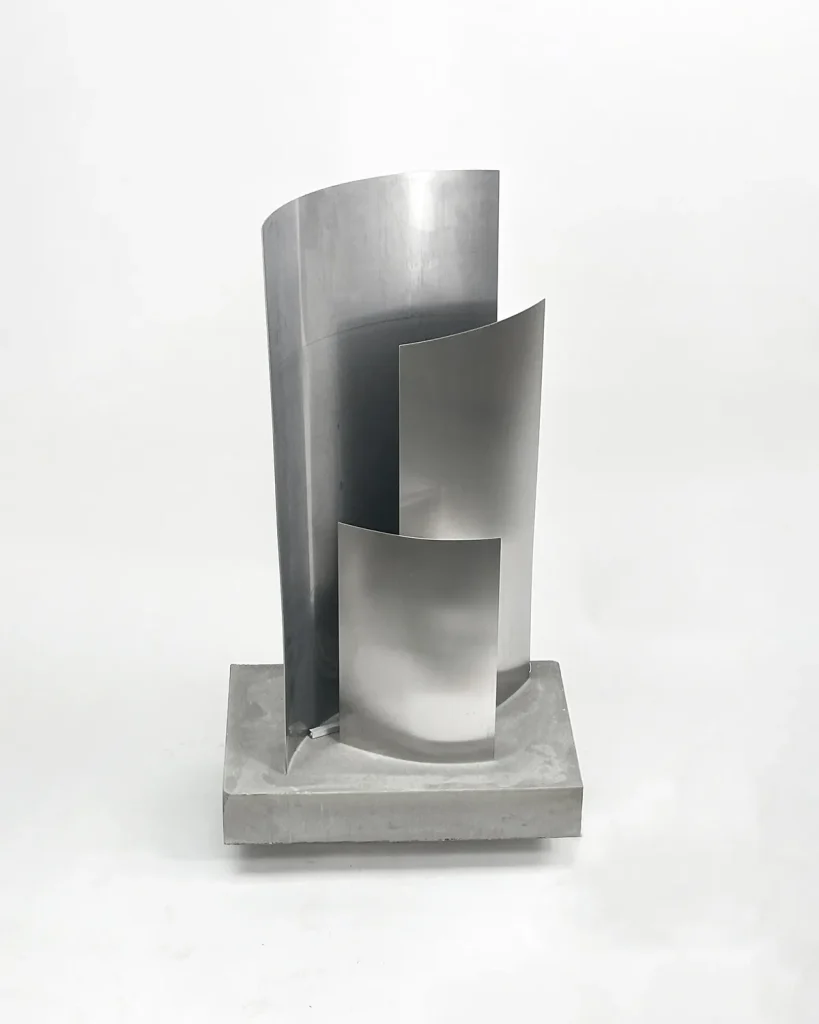
by Zoran Strijbosch
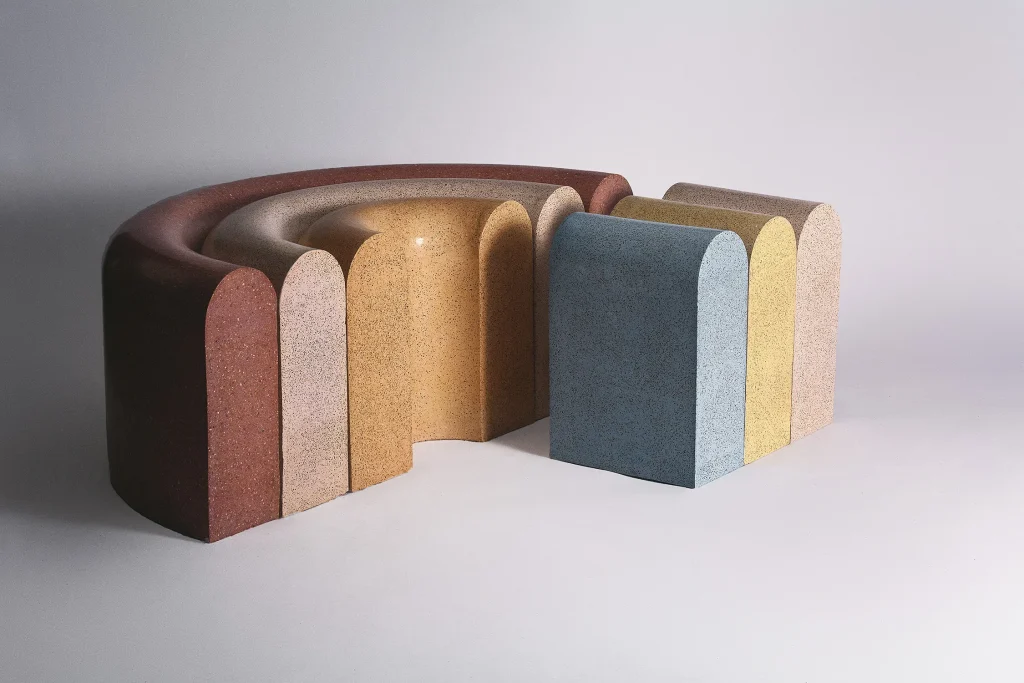
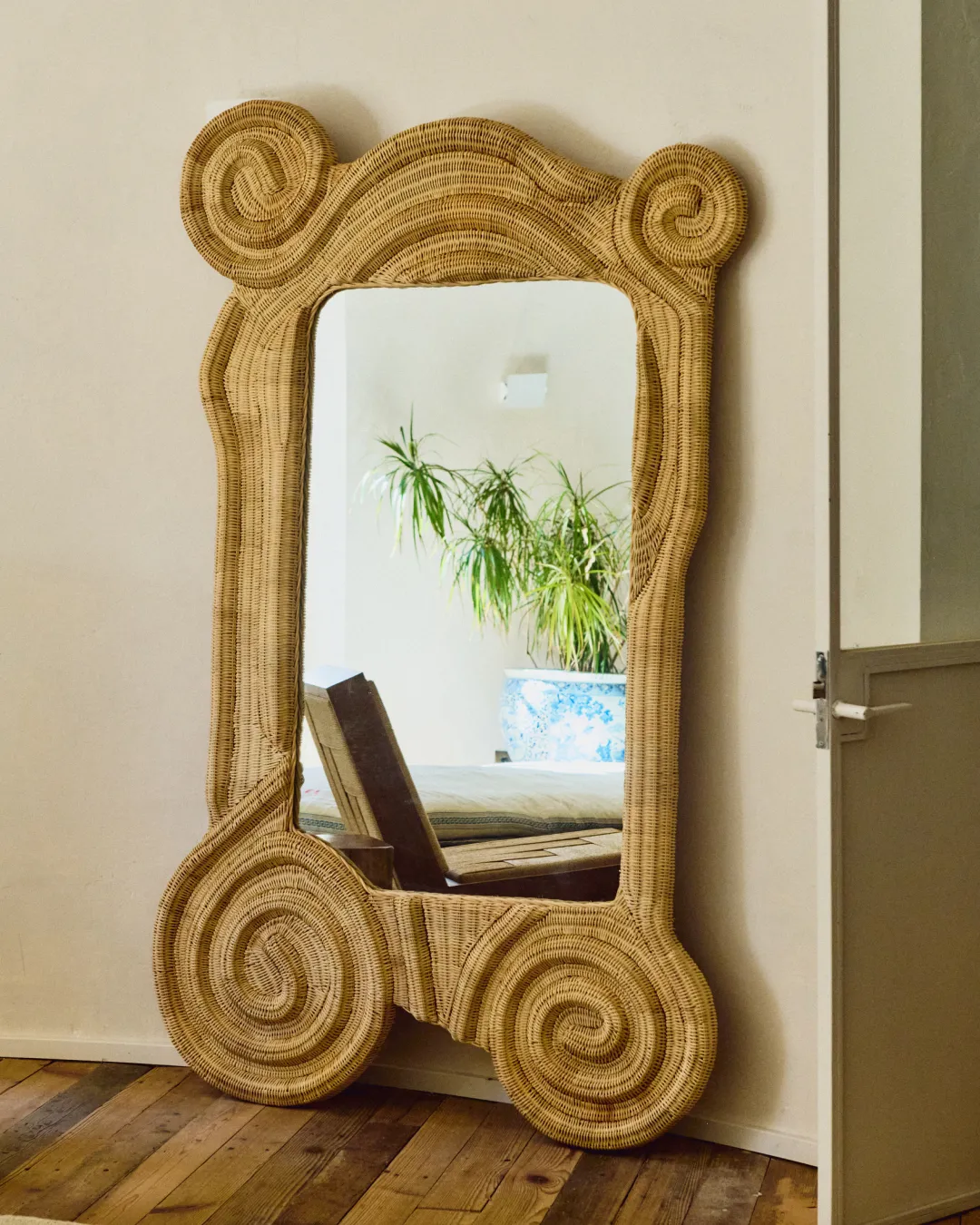
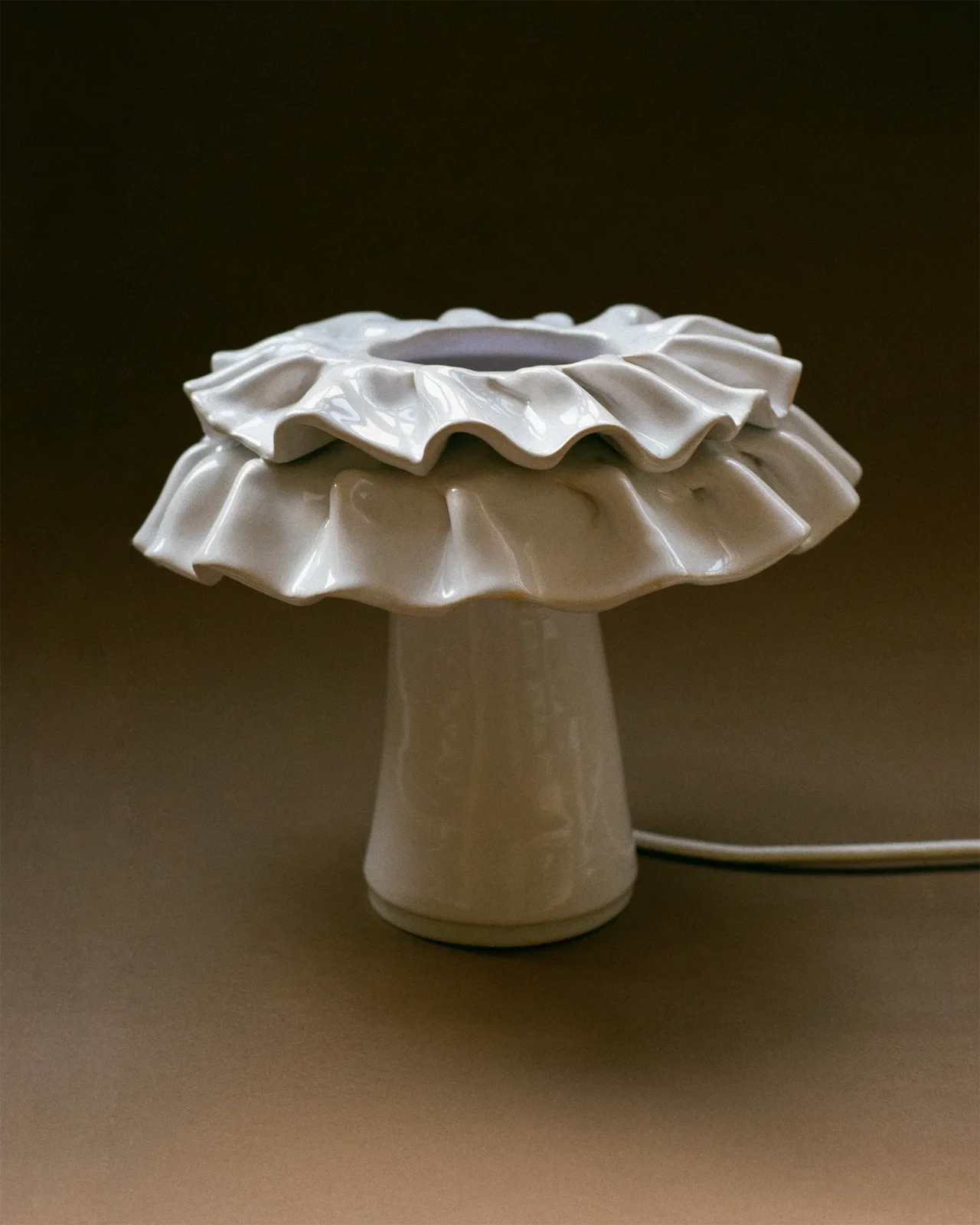
by Platalea Studio
The origins of eclectic design
Eclecticism emerged as a named architectural and design position in the nineteenth century, primarily in France and England. Architects trained in the classical tradition began drawing freely on Gothic, Renaissance, Egyptian and Moorish precedent within single buildings — a practice their contemporaries frequently considered undisciplined.
That charge is worth taking seriously, because it is the same criticism eclectic interiors still attract. The nineteenth-century defence was that a designer choosing from all of history is exercising more judgement than one following a single revival style, not less. Whether a given room proves that is the open question.
Later the term absorbed influences from Victorian layering, the organic line of Art Nouveau and the geometry of Art Deco. By the mid-twentieth century it had shifted from an architectural label to a way of describing interiors assembled over time — which is roughly how it is used now.

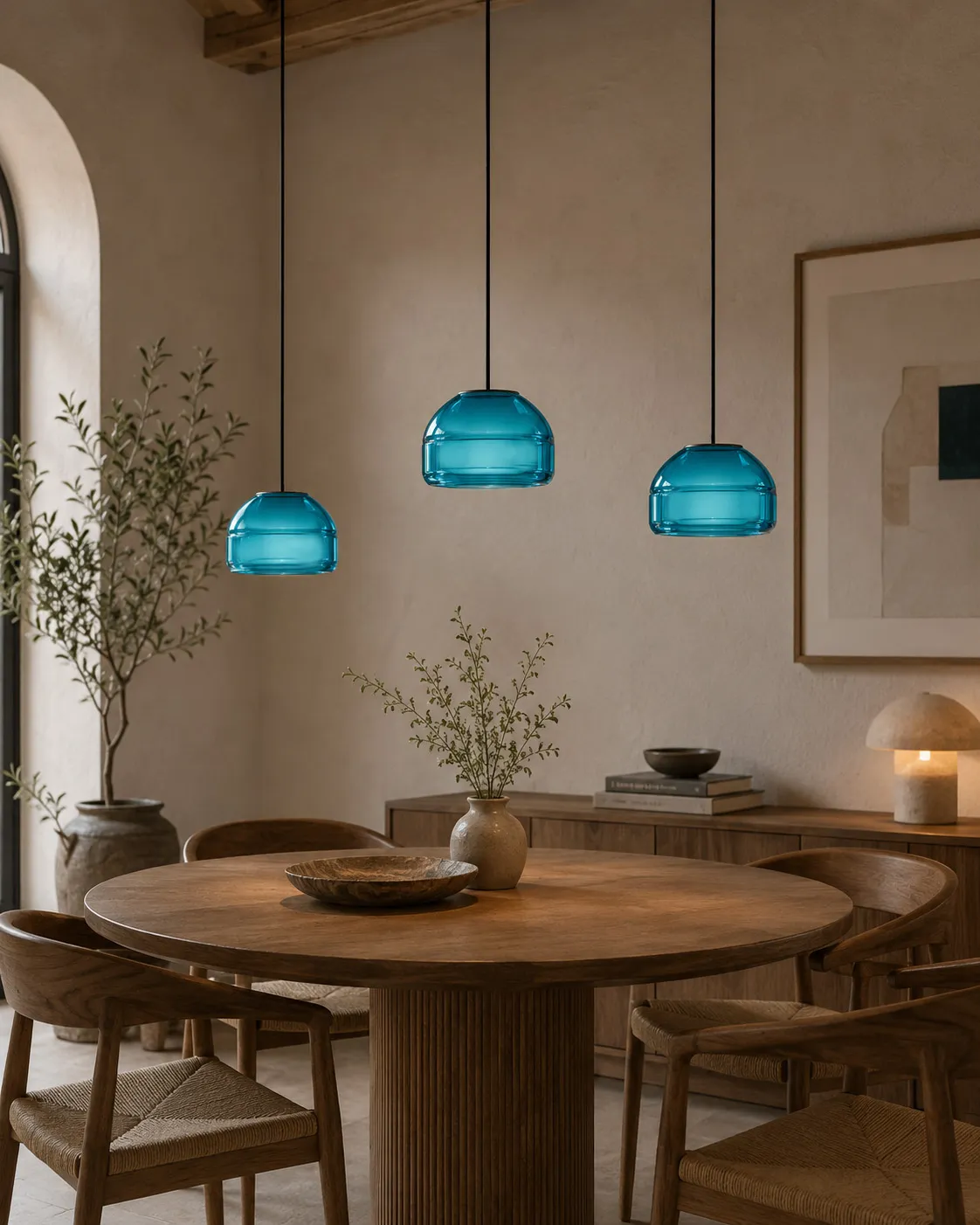
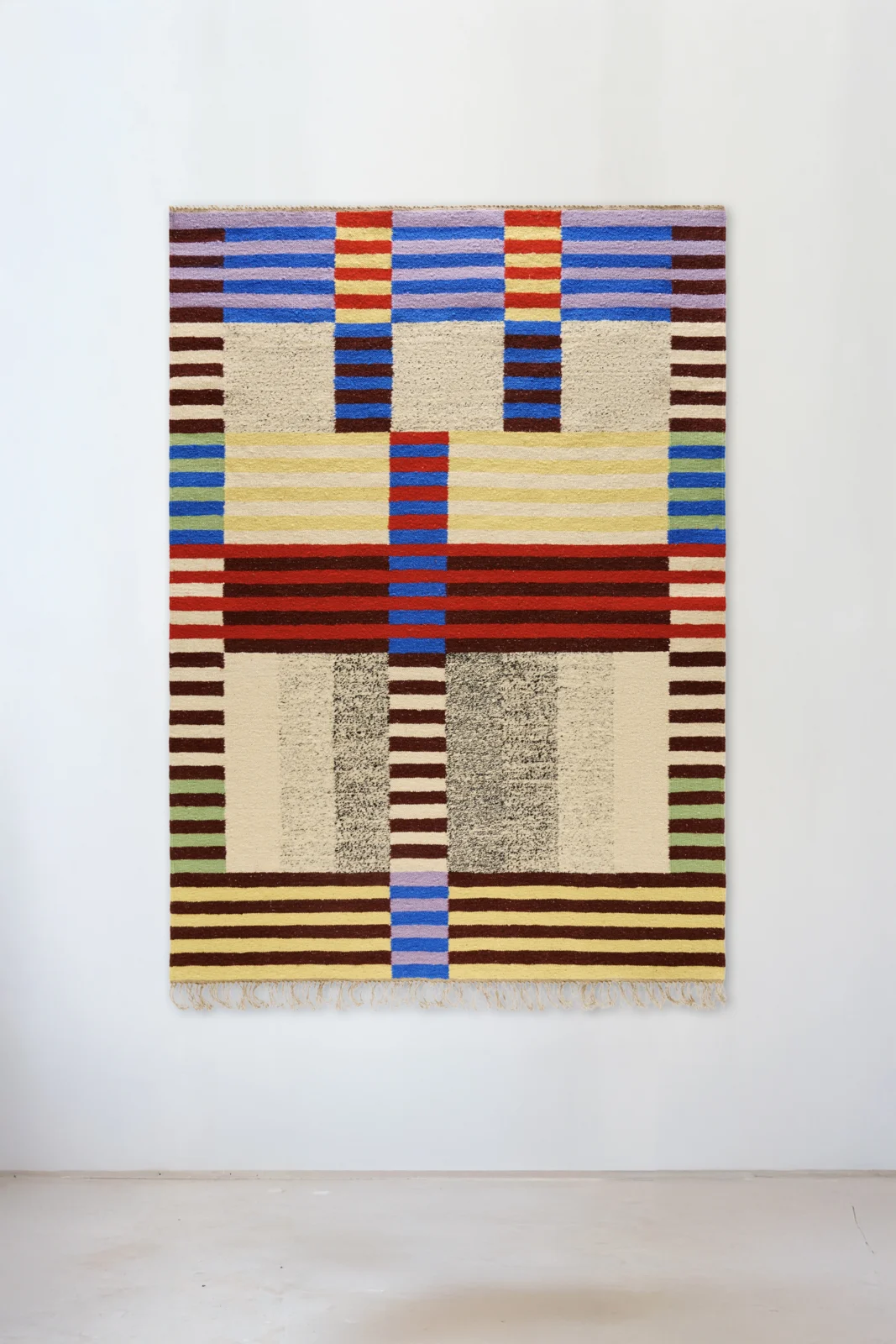
by LMNOH
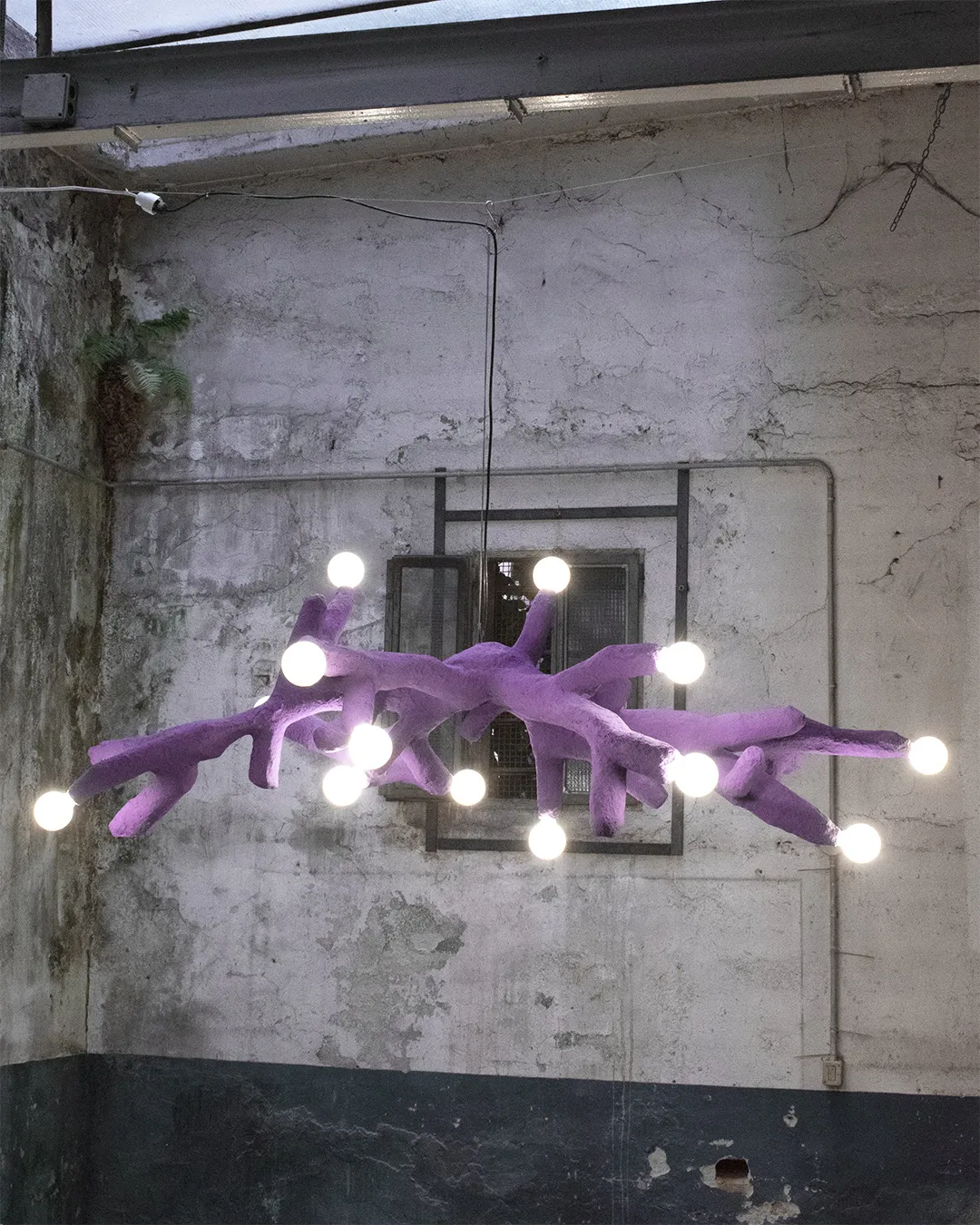
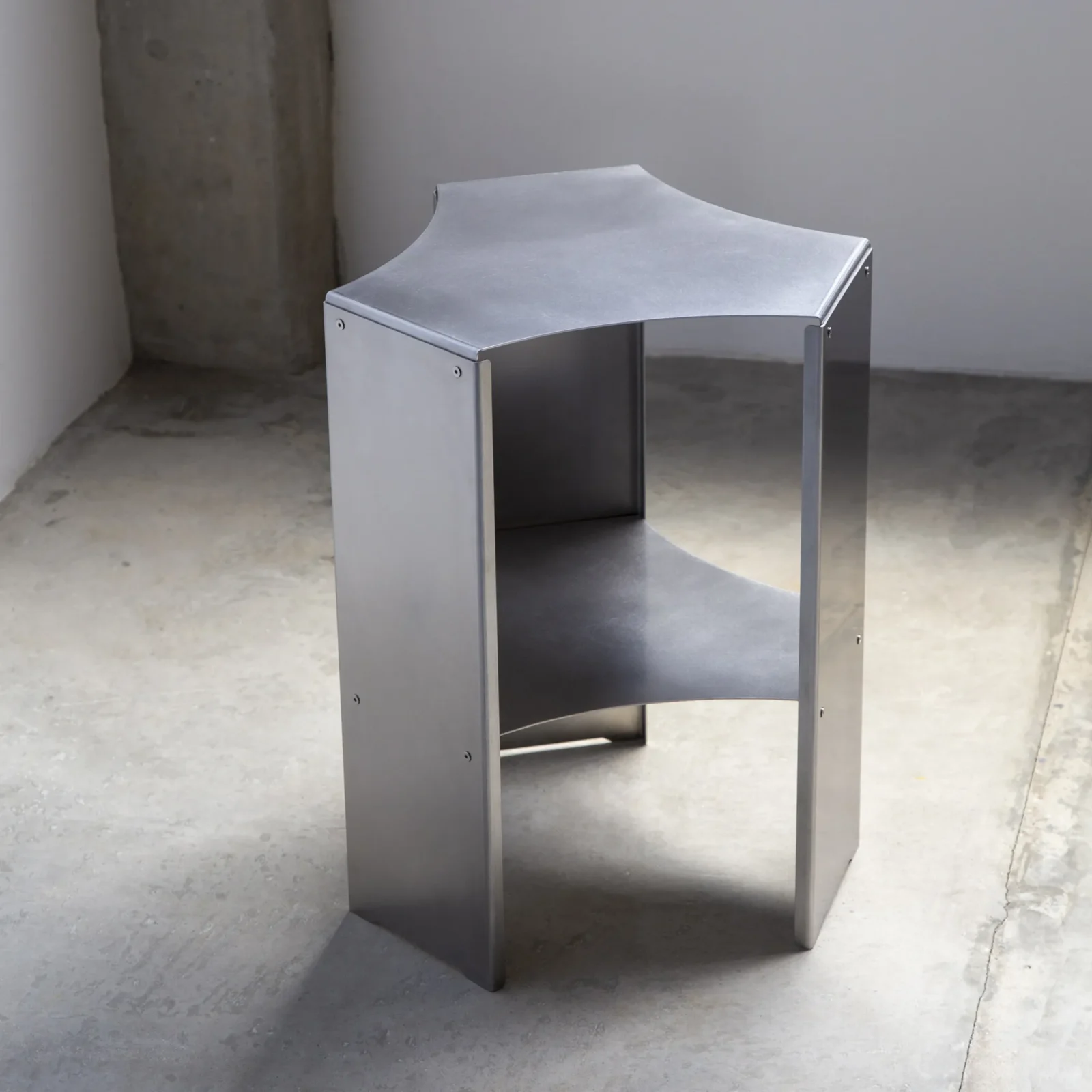
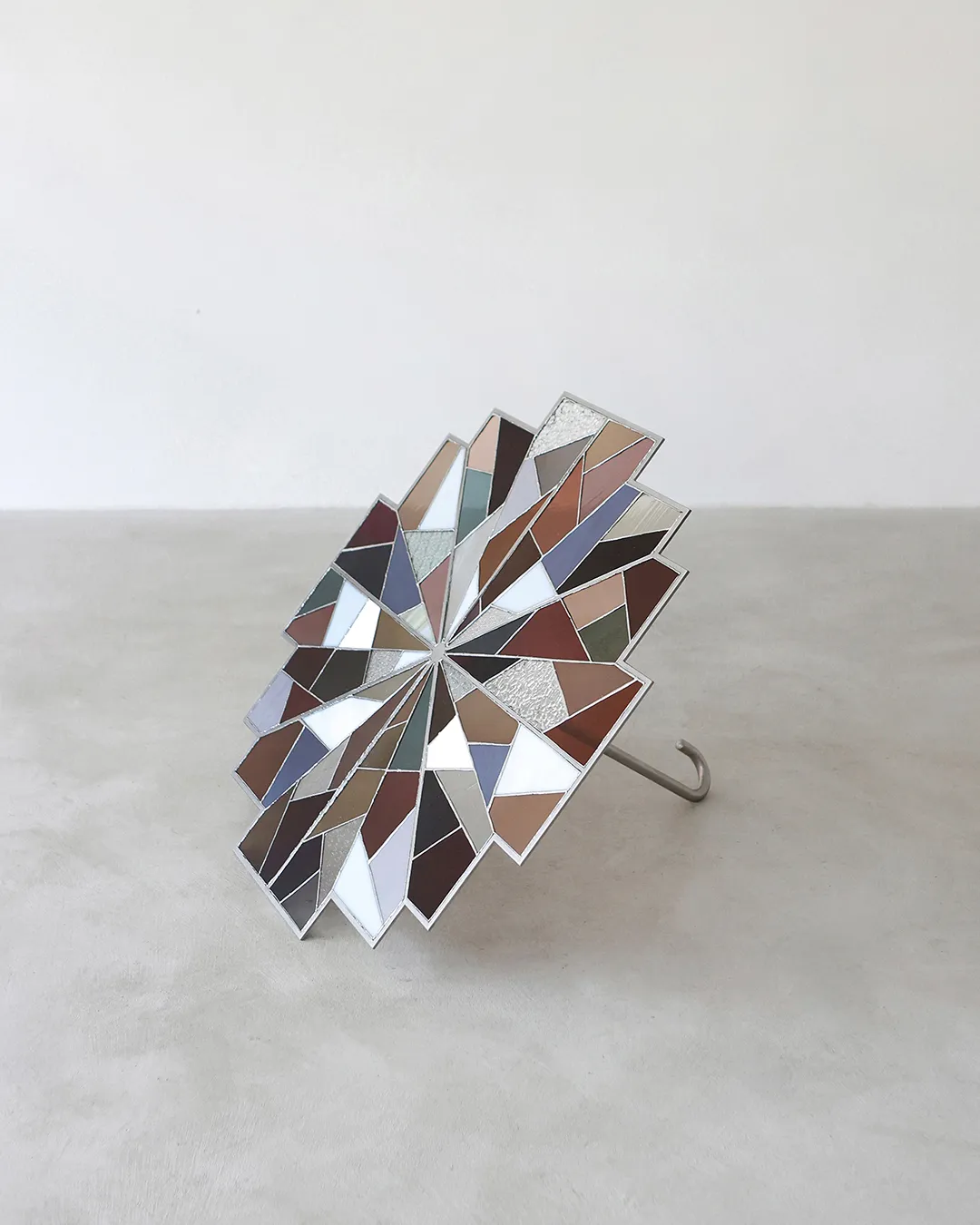
by Jonathan Bocca
Key characteristics of eclectic style
- A mix of periods and origins. Traditional beside contemporary, vintage beside new, and objects from different cultural traditions in one room. The range is the point rather than a compromise.
- Deliberate contrast. Unexpected pairings of colour, pattern, texture and material. A rough salvaged surface against a polished one does more work than either alone.
- Evidence of a person. Eclectic rooms read as assembled by someone specific over time, which is why they resist being replicated from a photograph.
- One organising constraint. The characteristic most often left out, and the one that decides whether any of the above works. Usually a limited palette or a material repeated across otherwise unrelated pieces.
How eclectic differs from adjacent styles
Eclectic versus maximalist
These overlap constantly and are not the same thing. Maximalism is about quantity — more pattern, more colour, more objects, density as the goal. Eclectic is about range of source, and says nothing about how much. A spare room holding four objects from four centuries is eclectic and not remotely maximalist.
Eclectic versus boho
Boho has a defined material and colour vocabulary: natural fibre, earth tones, global textiles, plants. Eclectic has none — an eclectic room can be chrome and lacquer. Boho is therefore one possible eclectic outcome rather than a synonym for it.
Eclectic versus simply unresolved
The distinction that matters most. A room is eclectic when the mix was chosen and something holds it together. It is unresolved when objects arrived without decisions being made. The honest test: can you name the constraint? If nothing connects the pieces beyond ownership, the room is not yet eclectic — it is a collection in progress.
Eclectic design now
The style’s current popularity is largely a reaction against uniformity. A decade of open-plan grey interiors and identical furniture produced a straightforward appetite for rooms that look like someone lives in them, and eclecticism is the most direct route to that.
Two practical forces reinforce it. Secondhand and vintage buying has become both normal and cheaper than new, and it inherently produces a mix of periods. Meanwhile the interest in keeping things longer favours rooms that can absorb a new object without needing to be redone — which is precisely what an eclectic scheme does and a matched set cannot.
Even so, the version circulating on social media is often the unresolved kind: maximal, photographed once, and difficult to live in. The rooms that hold up are quieter than the ones that perform well in a single image.
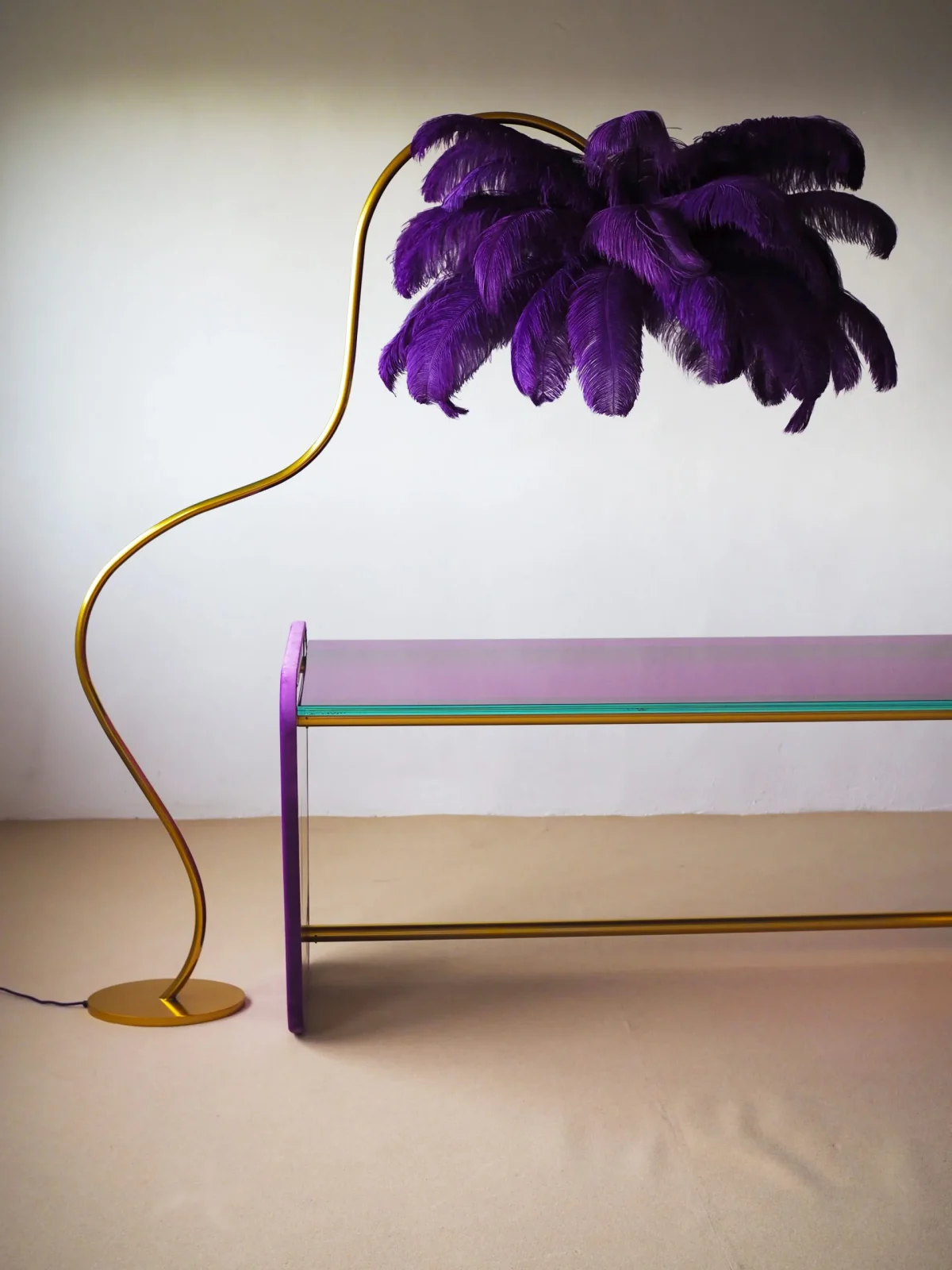
by Culto Ponsoda
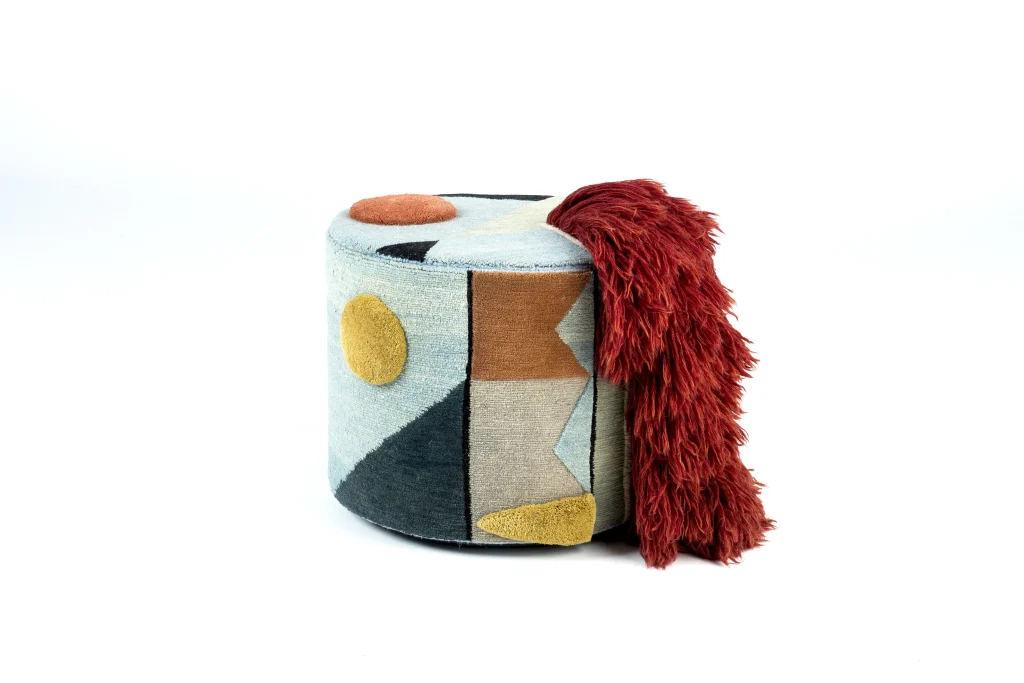
by Lyk Carpet
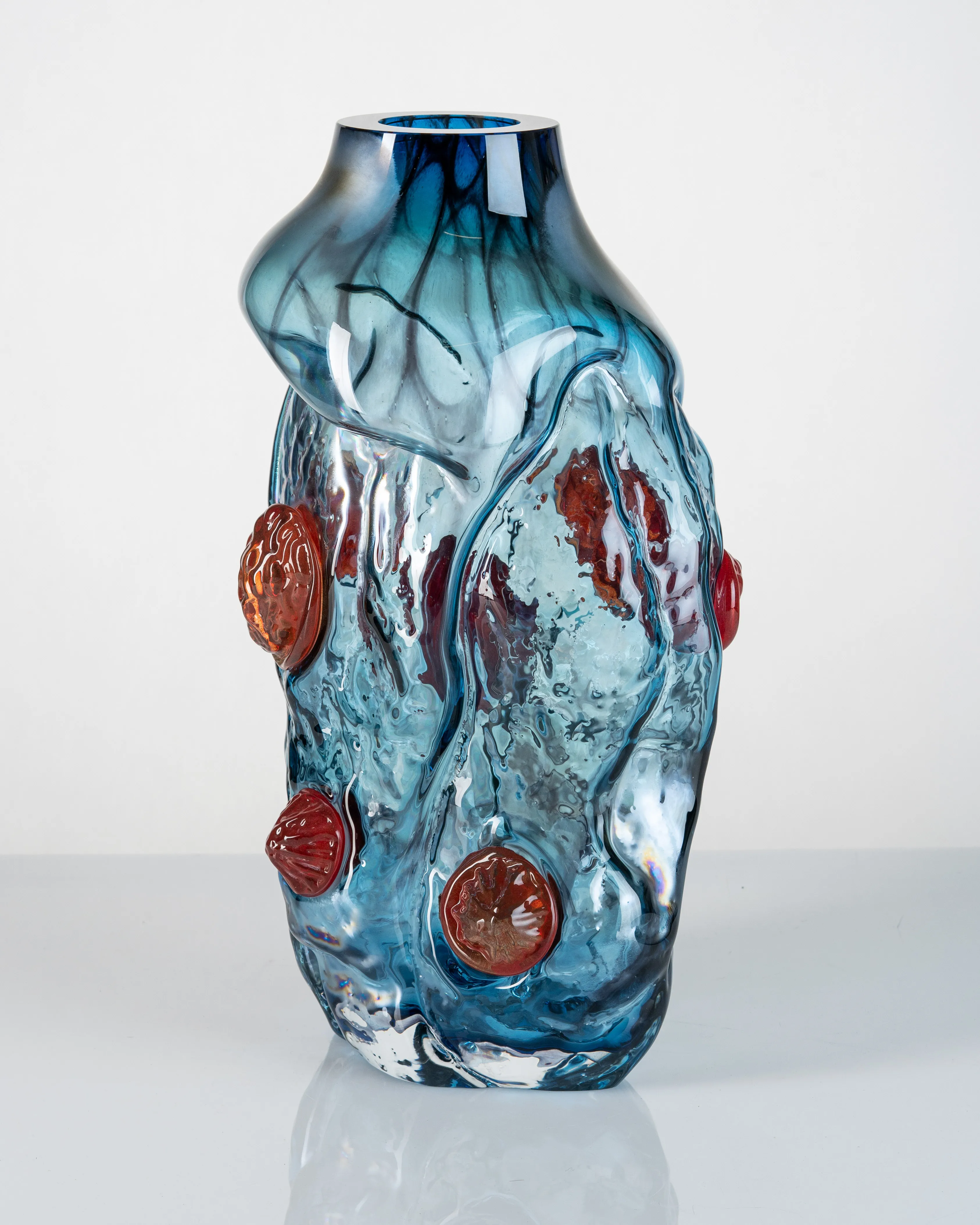
by Studio Kloak
How to build an eclectic room without it going wrong
Fix the palette first. Three or four colours across the whole room, then vary everything else freely. This single constraint does more than any other to make a wide mix read as deliberate.
Repeat one material. Brass appearing on a lamp, a mirror frame and a handle will connect three otherwise unrelated pieces. The repetition is what the eye follows.
Keep scale consistent within groups. Objects of wildly different size on one surface read as clutter. Group by height and mass, then let period and style differ.
Leave empty space. Eclectic rooms need breathing room more than plain ones, not less — each piece has to be visible individually to register as a choice. Some of the principles from pared-back rooms apply directly here.
Buy slowly. The look you are after is a room assembled over years, and there is no shortcut that convincingly imitates it.
Frequently asked questions
What does eclectic mean?
Deriving ideas, style or taste from a broad range of sources rather than following one. It comes from the Greek eklektikos, meaning selective, and originally described philosophers who chose doctrines from several schools instead of adopting a single system.
What is eclectic design in simple terms?
Combining objects from different styles, periods and cultures into one room on purpose, held together by something consistent — usually a limited colour palette or a repeated material. Without that connecting element it stops being eclectic and becomes miscellaneous.
What is the difference between eclectic and maximalist?
Maximalism concerns quantity — density of pattern, colour and objects. Eclecticism concerns the range of sources those objects come from. A restrained room with four pieces from four periods is eclectic without being maximalist, and a maximalist room can draw entirely from one style.
Is eclectic the same as bohemian?
No. Boho has a specific vocabulary — natural fibres, earth tones, global textiles. Eclectic has no set materials or palette, so an eclectic interior could be entirely chrome and glass. Boho is one way of being eclectic, not a synonym.
How do you make an eclectic room look intentional rather than messy?
Impose one constraint and hold it. Limit the palette to three or four colours, or repeat a single material across several pieces. Then keep scale consistent within groupings and leave clear space around things. If you cannot name what connects the objects, the room will read as accidental.
When did eclectic design start?
As a named architectural position, the nineteenth century, mainly in France and England, when classically trained architects began mixing Gothic, Renaissance, Egyptian and Moorish precedent within single buildings. It shifted from an architectural term to an interiors one across the twentieth century.
Why eclectic design lasts
Eclecticism survives because it is the one approach that assumes a room will keep changing. It has no correct final state and no set to complete, so it absorbs whatever arrives next instead of being disrupted by it.
Above all it rewards patience over budget. A room built from pieces acquired one at a time is exactly what the style is trying to look like — which makes this the rare aesthetic where doing it properly is also the cheaper route.
Also worth reading: maximalist lamps for eclectic interiors · 10 eclectic decor pieces · eclectic lighting
Browse eclectic design on ADORNO
ADORNO works with independent studios whose pieces are built to sit alongside things they were never designed to match — which is what makes them useful in an eclectic room.