-
 In stock
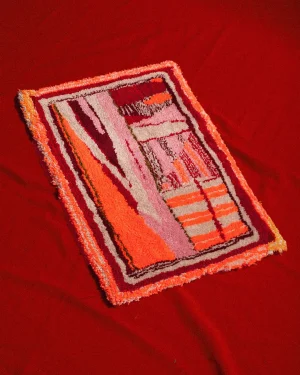
Principessa – Hand Tufted Wool Rug
By M’ama edizioni
€980 -
 In stock
The Neon Rug
By Draken Studio
€100 - €550 This product has multiple variants. The options may be chosen on the product page
Living Room Rugs That Anchor Comfort and Style
Living room rugs shape how a space feels and functions. They define zones, soften acoustics, and bring texture underfoot. A well-chosen living room rug grounds furniture, connects materials, and helps a room read as complete rather than scattered.
In curated interiors, rugs do more than fill floor space. They frame seating, highlight a coffee table, and connect sofas, lounge chairs, and lighting into one composition. For a broader perspective on collectible textiles, explore the culture of handmade rugs and how material and technique shape long-term value.
How to Choose a Rug for the Living Room
Start with scale. Large living room rugs should sit under the front legs of sofas and chairs so furniture feels connected. In compact rooms, a slightly smaller rug can still define the seating area if proportions stay balanced.
Material matters. Wool rugs feel warm and resilient for daily use. Silk or high-luster blends add refinement in quieter rooms. Flatweaves keep a lighter profile, while high-pile rugs create a softer, more relaxed atmosphere.
Color and pattern guide mood. Neutral living room rugs support layered interiors and let sculptural furniture stand out. Bolder or patterned rugs act as focal points, especially in pared-back spaces. For ideas on tone and composition, see how material palettes shape interiors.
Modern Living Room Rugs
Modern rugs often rely on geometry, subtle gradients, or restrained color fields. They suit contemporary spaces where form and material take priority. These rugs pair well with clean-lined seating and sculptural lighting.
For interiors that mix eras, a modern rug can balance vintage or expressive pieces. See how designers layer contrast in eclectic interiors, where rugs help unify varied objects.
Large and Oversized Living Room Rugs
Oversized rugs create a sense of generosity. They reduce visual breaks in open-plan homes and help large living rooms feel cohesive. Use them to connect multiple seating zones or to soften expansive floors.
When going large, keep surrounding elements edited. A generous rug plus a few strong pieces often reads better than many small accents. For guidance on spatial balance, browse functional art in interiors.
Textured and Natural Fiber Rugs
Texture changes how a room feels. Chunky wool, hand-knotted surfaces, or natural fibers like jute add depth without loud color. These rugs work well in calm, material-driven interiors.
Natural textures pair easily with wood furniture, stone surfaces, and ceramic objects. They support spaces that value tactility and craft.
Where to Place Living Room Rugs
Rugs belong anywhere you want to signal gathering. Use them under main seating, beneath a central table, or to define a reading corner with a reading chair and floor lamp. In open layouts, rugs help separate living and dining zones without walls.
Key Takeaways
- Match rug size to furniture layout for cohesion.
- Choose materials based on daily use and feel.
- Use rugs to define zones in open spaces.
- Let either the rug or furniture lead visually, not both.
Explore ADORNO’s full selection of living room rugs to find pieces that balance craft, comfort, and lasting design value.