
-
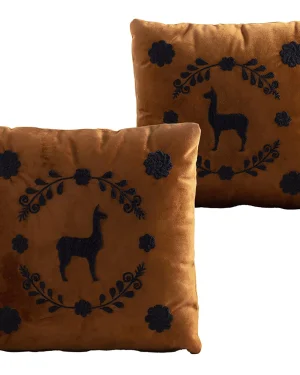 In stock
Llama Hand Embroidered Decorative Pillows, Set Of 2
By ANDEAN
€309 -

Luma Cushion – “in Flow Together”
By hermhaus
€150 -
 In stock
Frills Cushion
By M’ama edizioni
€80 -
 In stock
Llama Hand Embroidered Decorative Pillows In Terracota Velvet, Set Of 2
By ANDEAN
€309 -
 In stock
ColibrÍ Hand Embroidered Decorative Pillows In Olive Green Velvet, Set Of 2
By ANDEAN
€309 -
 In stock
Wool Calusarii
By Oana Tudose
€500 -
 In stock
Doina Wool Cushion
By Oana Tudose
€500 -
 In stock
Fajas Handwoven Sash Decorative Pillows, Set Of 2
By ANDEAN
€243 -
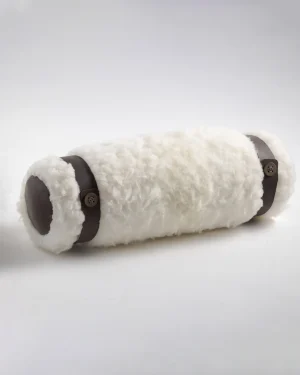 In stock
Churo – Sheepskin Decorative Bolster Pillow
By ANDEAN
€429 -

Sole Cushion – “in Flow Together”
By hermhaus
€310 -

Flia Cushion – “in Flow Together”
By hermhaus
€150 -
 In stock
Llama Hand Embroidered Decorative Pillows In Ivory Upholstery, Set Of 2
By ANDEAN
€309 -
 In stock
Winter Wool Garden Cushion
By Oana Tudose
€500
Cushions & throws bring together the soft furnishings that soften a sofa, weight a bed or give a reading chair somewhere to settle, each one worked by an independent textile studio rather than mass-produced. The material carries the character: wool and cotton for everyday warmth, velvet for a sharper surface, natural fiber for something closer to the earth. What they share is a scale built for the body rather than the eye alone, and a making process where the hand is still visible in the stitch.
Materials and how they wear
Wool holds its loft and resists creasing, which is why it turns up in throws meant to stay folded across the back of a sofa for years. Cotton, lighter and cooler, takes dye evenly and is the usual choice for cushion covers that need frequent washing. Velvet adds a surface that changes under light, often paired with a cotton or foam filling for structure, while natural fiber blends bring a coarser, more tactile ground that suits a looser, undone room.
Colors and styles across a room
The range runs from ivory, olive and bronze through to black, red, blue and yellow, so a cushion can either disappear into a sofa or sit against it as a single note of color. Styles follow the same spread: boho chic and rustic pieces lean on natural fiber and looser weaves, Bauhaus and minimalist pieces favor flat color and plain cloth, while maximalism and eclectic styles stack pattern, embroidery and mixed material in one piece. Cushions and throws rarely sit alone in a room, and pairing them with other soft or sculptural pieces from decorative accessories such as vases or wall decoration gives a seating or sleeping area a consistent material language without matching everything exactly.
Ways of making
Several techniques recur across the studios working in this material, each leaving a different mark on the surface:
- Textilework and weaving build the cloth itself, setting color and pattern into the structure rather than on top of it.
- Embroidery and screen printing add a second layer of image or mark onto a finished ground.
- Felting compresses wool fiber into a dense, non-woven surface with no visible stitch.
- Natural dyeing uses plant or mineral pigment, which tends to settle into softer, less uniform color than synthetic dye.
- Upholstery and saddle stitching carry over from furniture-making, giving a cushion a firmer edge and a visible seam.
Because most of these techniques are worked by hand or on small runs rather than full industrial production, many pieces here come as open editions, limited editions or one-off works, and that status is usually stated alongside the piece.
Choosing and placing a cushion or throw
Scale matters more than it first appears: a cushion sized for an armchair reads as undersized on a three-seat sofa, and a throw cut for a bed will look thin folded over a narrow chair back. Filling affects behavior as much as material, foam holds a firmer, more architectural shape, while cotton or down-style filling softens and settles with use. Finish should match frequency of contact, a washable cotton or linen cover suits daily use, while velvet or embroidered pieces are better kept somewhere they take less handling. In placement, cushions and throws suit living rooms, bedrooms and reading corners equally, and often work best alongside other textured or sculptural accessories, including decorative objects or small sculptures, to give a surface or shelf the same material depth as the seating.
Caring for the material
Wool and felted pieces should be aired rather than washed where possible, since repeated washing can shrink or felt the fiber further than intended. Cotton covers generally tolerate machine washing on a low setting, though natural-dyed cloth is better hand-washed to keep its color from fading unevenly. Velvet should be brushed rather than scrubbed, and kept out of direct sun, which flattens the pile over time.
How do I choose the right cushion or throw?
Match weight and texture to the room first: wool and felting read warm and dense, woven natural fiber and cotton feel lighter. Color and pattern should follow the upholstery or floor they sit against.
What materials are cushions and throws made from?
Most are woven or felted from wool, cotton, or natural fiber, with cotton filling for structure, while velvet and embroidered or screen-printed covers add surface detail.
How do I clean and care for a cushion or throw?
Spot clean upholstered or embroidered covers and air them away from direct sun, which fades natural dyes. Wool and felted pieces benefit from occasional airing rather than frequent washing; check the maker's page for specific care.
What size cushion or throw do I need for my sofa or bed?
Sizing varies by maker and technique, so dimensions sit on each piece's own page. Use Chat with the maker to confirm measurements against your sofa, chair, or bed before ordering.
Which rooms suit cushions and throws best?
Living rooms and bedrooms take them naturally, layered over sofas, armchairs, or beds for warmth and color. Woven and natural fiber pieces also sit well in reading corners or window seats.
What are ADORNO's shipping, returns, and authenticity policies?
Shipping is insured and worldwide. Returns are accepted within 14 days, excluding made-to-order pieces, and every piece arrives with a certificate of authenticity backed by a lowest-price guarantee.