The best design outlives its makers. Six twentieth-century legends still shape how we build, buy and live with furniture today.
Updated on: November 22, 2026
Some designers never go out of date. Enzo Mari, Lina Bo Bardi, Donald Judd, Børge Mogensen, Anni Albers and Gaetano Pesce worked in very different ways, from flat-pack chairs anyone could build to wildly colored resin, but each left ideas that feel more relevant now than when they were new: human-centered design, honest materials, simple forms and the freedom to break the rules.
Below, we look at what made each of these famous furniture designers matter, and pair them with an independent maker on ADORNO who carries the same thinking into today.


1. Enzo Mari: The Human-Centered Designer
Enzo Mari believed design should belong to everyone. In 1974 he published Autoprogettazione, a set of drawings for chairs, tables and beds that anyone could build from standard pine boards and nails. It was open-source decades before the term existed, and it still inspires projects that share drawings and DIY guides, such as Self-Assembly and SketchChair.
Mari cared less about style than about the relationship between people and objects: how they are made, who can make them and how long they last. That makes his work a touchstone for today’s interest in sustainable, repairable and affordable design.
Bold Shkam Chair by SHAPE & SHADE
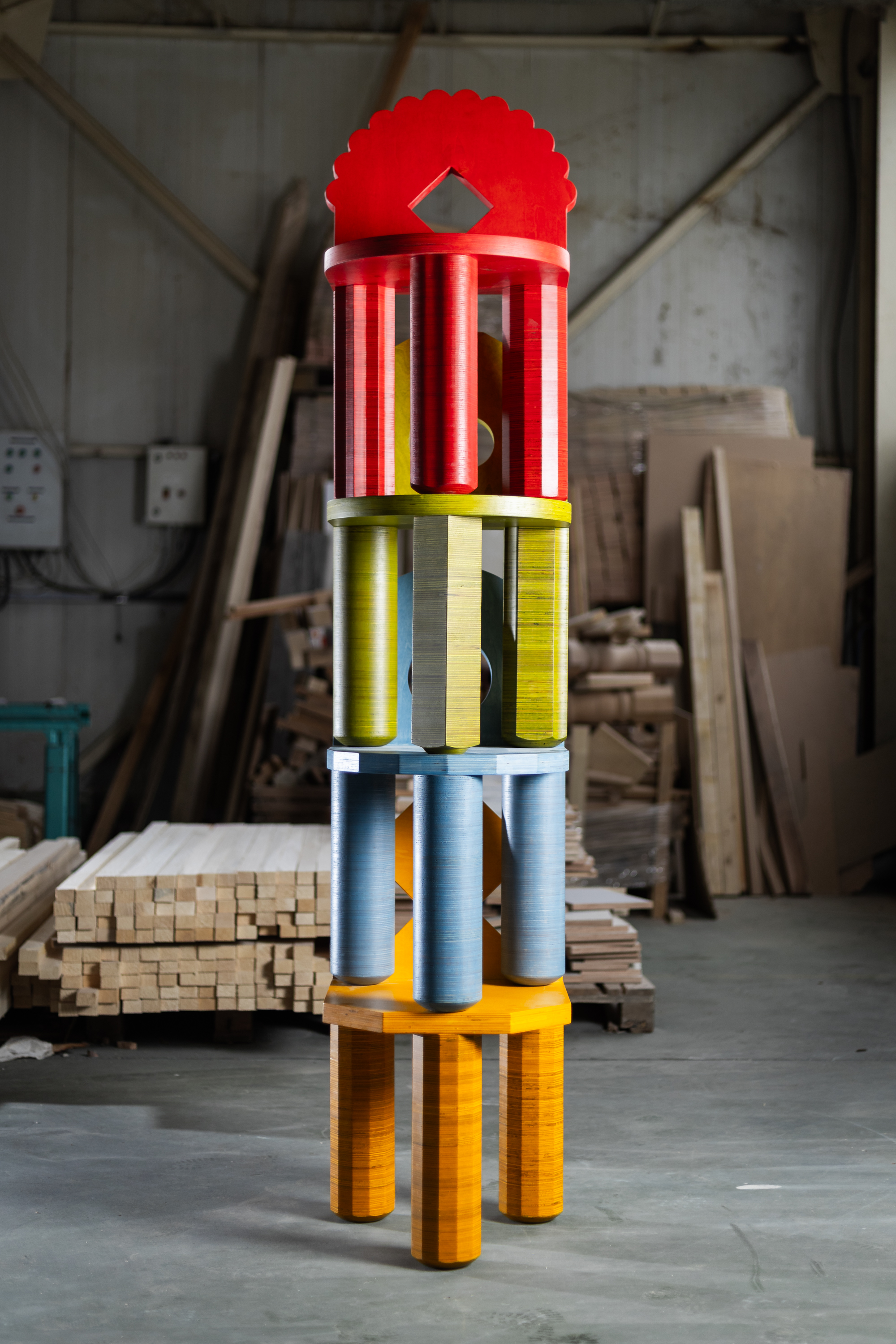
Like Mari, SHAPE & SHADE starts from something everyone knows. The Shkam is the simple stool found in almost every Albanian home, used for sitting and storytelling. Reworked in cut plywood with bold color, it stays light, affordable and easy to live with, which is exactly the kind of democratic object Mari argued for.
By SHAPE & SHADE
€333 incl. tax


2. Lina Bo Bardi: Soft Brutalism That Invites Interaction
Lina Bo Bardi moved from Italy to Brazil in 1946 and built a body of work that blended both cultures. She used local materials and raw concrete, but always with people in mind. Her SESC Pompeia in São Paulo, a former factory turned leisure center, is brutalist in material yet full of play, light and community.
Her furniture follows the same thinking: simple, robust pieces in wood, leather and metal, designed to be used and enjoyed rather than admired from a distance.
Windows of Bo Bardi Side Table by Linde Freya Tangelder

Linde Freya Tangelder of Destroyers/Builders took SESC Pompeia as her starting point. The irregular, organic windows Bo Bardi punched into the building’s concrete towers become cutouts in solid tulipwood, turning raw brutalist architecture into a soft, tactile side table.
By Linde Freya Tangelder
€1,300 incl. tax


3. Donald Judd: The Minimalist Maverick
Donald Judd is best known as an artist, but his furniture is just as influential. He built tables, chairs and beds from flat planks of wood and sheet metal, with no ornament and every joint in plain sight. He insisted that furniture be judged by how well it works and by its scale, not by whether it looks like art. Today, Donald Judd furniture is still produced by the Judd Foundation, and his home and studio at 101 Spring Street in New York remains a reference point for minimalist furniture.
Pausa Stool by Pierre-Emmanuel Vandeputte
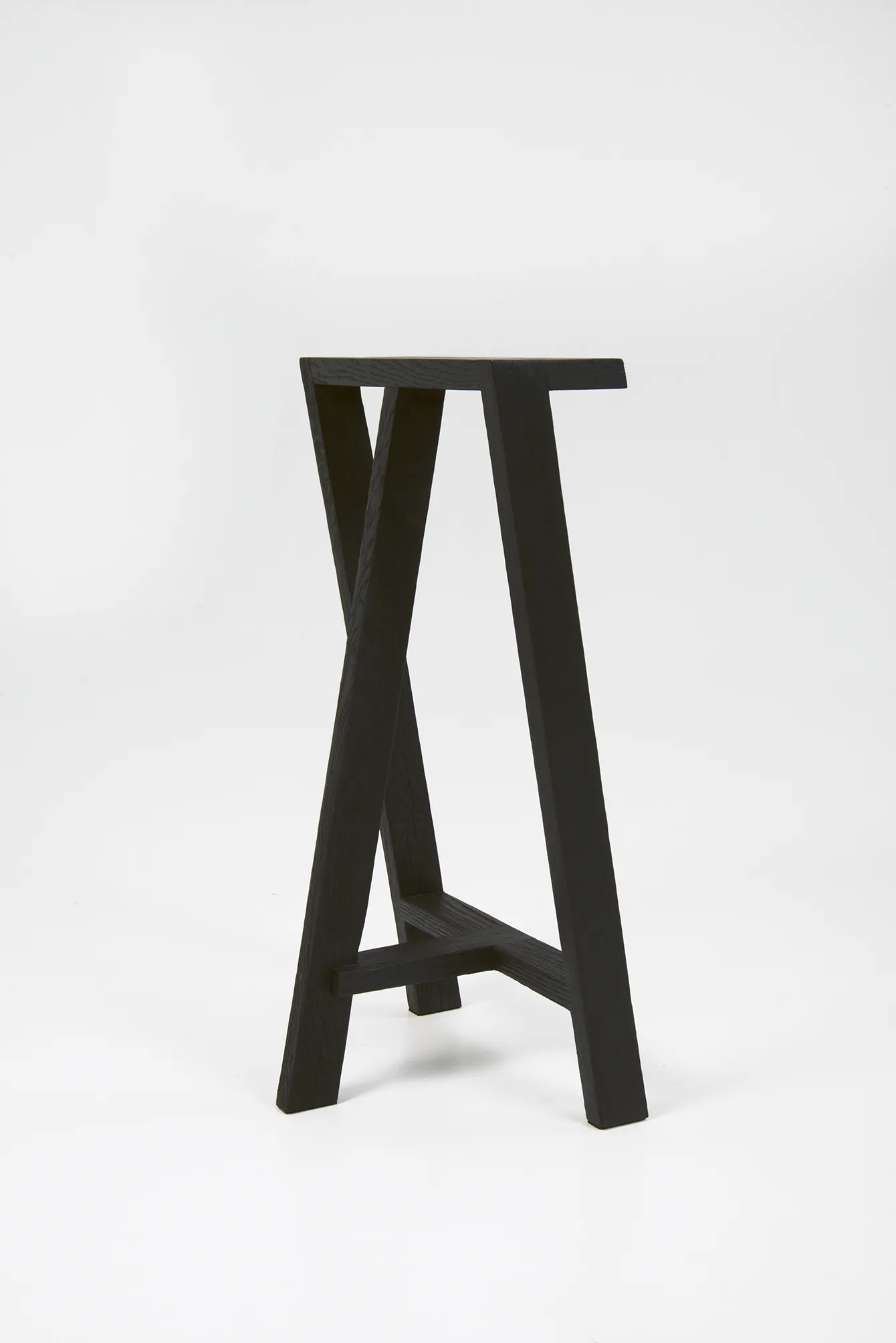
Pierre-Emmanuel Vandeputte builds Pausa from solid oak slabs, joined into a narrow seat on three legs. Like Judd’s furniture, it shows exactly how it is made and nothing more, and it works as a quiet stool at home or a perch at a bar counter.
By Pierre-Emmanuel Vandeputte
€179 incl. tax


4. Børge Mogensen: Functionality Meets Elegance
Børge Mogensen wanted good furniture to be accessible to ordinary Danish families. Early in his career he set out to replace the heavy, ornate furniture that still filled Danish homes with practical, well-made pieces in solid wood. His Spanish Chair of 1958, with its wide leather seat and armrests, combined comfort with simple, sturdy construction and became one of the most collected pieces of Danish mid-century design.
Bruno Armchair by Costantini Design
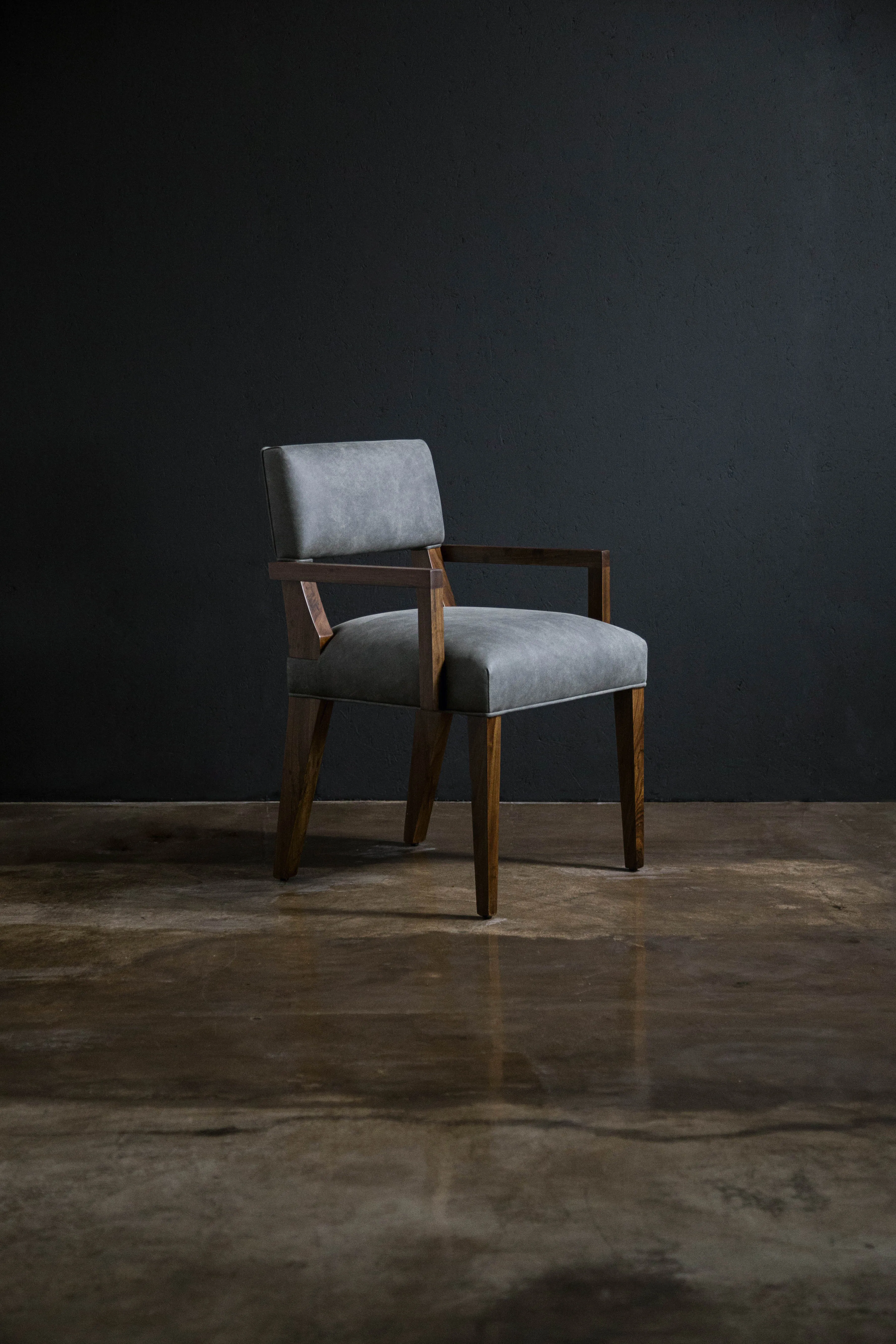
Mogensen paired solid wood with leather for chairs meant to be used every day. Costantini Design’s Bruno follows the same logic: a straight, understated frame in Argentine rosewood and a leather or fabric seat. It is the studio’s most specified chair, built for comfort rather than show.
By Costantini Design
€1,870 incl. tax


5. Anni Albers: A Textile Revolutionary
Anni Albers trained at the Bauhaus and turned weaving into an art form. She experimented with new fibers, structures and color combinations, and her textiles influenced both modern art and industrial design. Her belief that a material should guide the form still shapes how designers work with textiles today.
Comité de Proyectos made the connection explicit in their ANNI collaboration with color specialists MAYE, two versions of their De La Paz chair upholstered in palettes taken from Albers’ work. The studio’s interest in weaving continues in its everyday seating.
Toledo Armchair by Comité de Proyectos
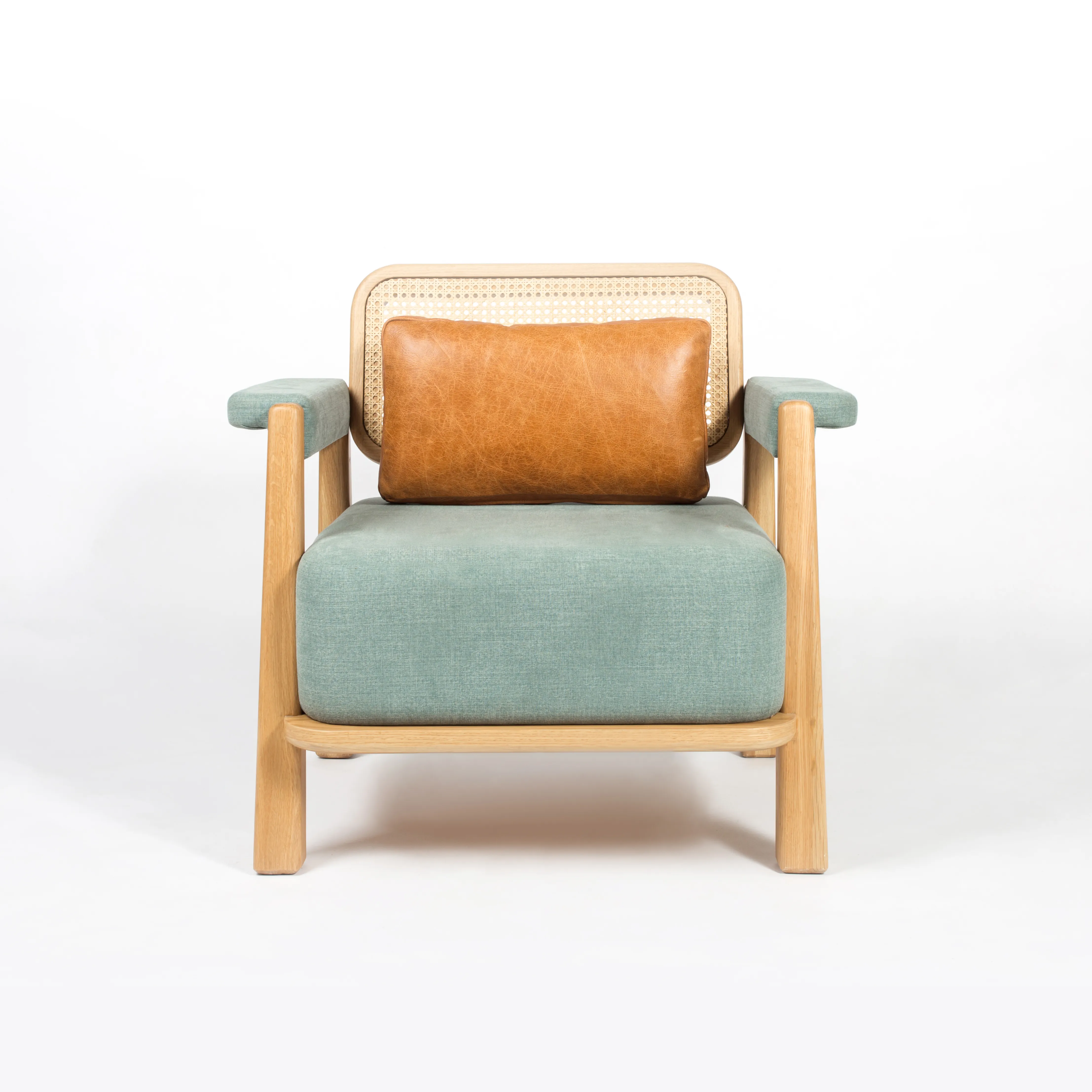
Made with Artelinea, the Toledo armchair carries Comité de Proyectos’ interest in weaving into the living room. A woven wicker back and a soft, deep seat sit in a solid oak frame, with a small leather cushion for the lower back, a quiet nod to the textile thinking Albers championed.
By Comité de Proyectos
€3,000 incl. tax


6. Gaetano Pesce: The Visionary of Expression
Amid all this restraint, it is worth remembering the power of radical design. Gaetano Pesce (1939–2024) used resin, foam and color to make furniture that was never quite the same twice. He saw imperfection and variation as sources of richness, a direct challenge to the uniformity of mass production, and his work blurred the line between art, design and industry until the end of his life. Wallpaper* called him the most radical of radicals.
Expressive design like his sits comfortably beside understated pieces in today’s interiors: one bold, irregular object can give a calm room its personality.
Be Careful Chair by Ryan Mercer
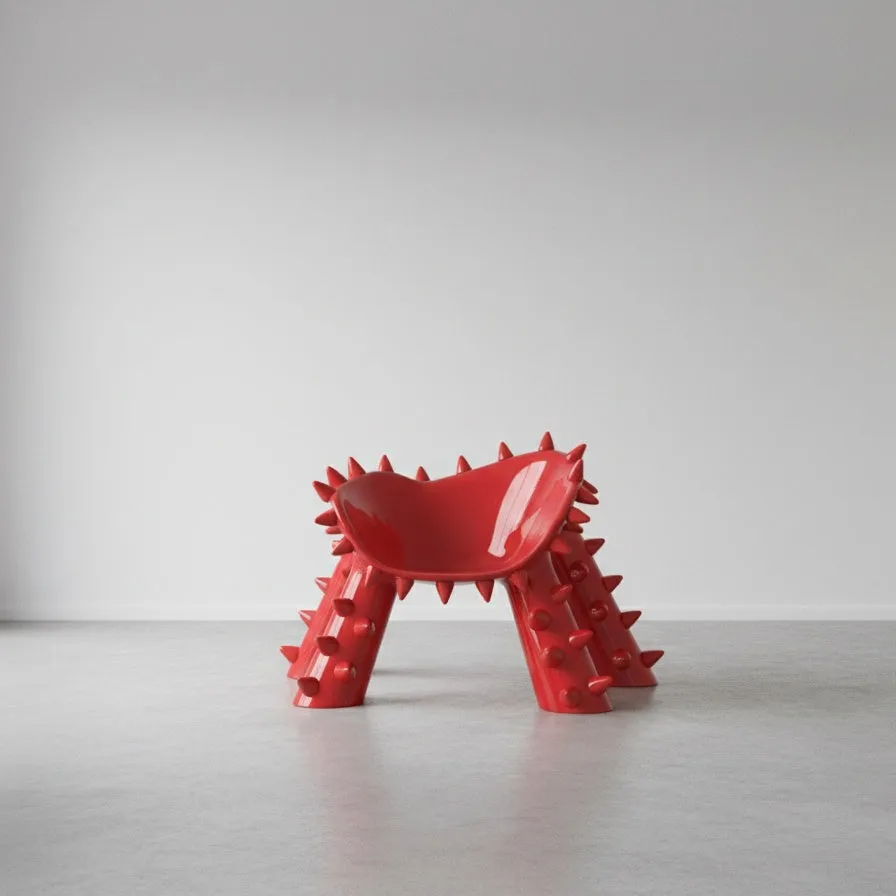
The name is a warning. Ryan Mercer hand-shapes every spike on the Be Careful Chair before sealing it in high-gloss resin, asking what comfort looks like when you also have to think about it. It shares Pesce’s love of resin, color and provocation.
By Ryan Mercer
€2,537 incl. tax
Bridging the Past With Contemporary Makers
Mari, Bo Bardi, Judd, Mogensen, Albers and Pesce shared a deep understanding of materials and of the people who use their work. The independent makers above carry those ideas forward in their own way, from plywood stools to resin chairs. Explore more furniture by independent designers on ADORNO.