
-
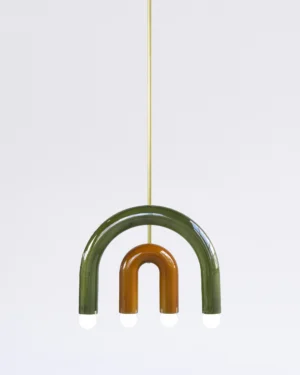
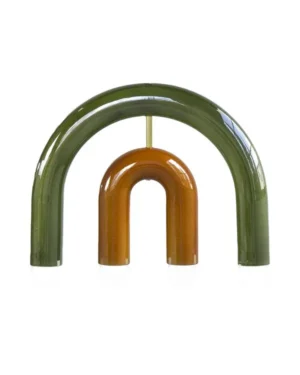
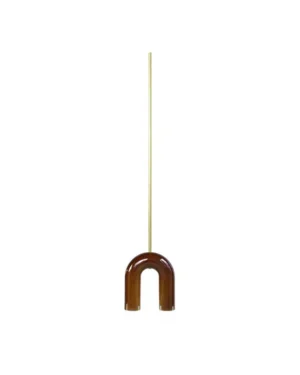
Trn / Model C1 Pendant Lamp in Ceramic
By Pani Jurek STUDIO
€880 -
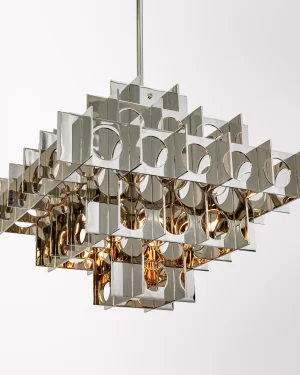
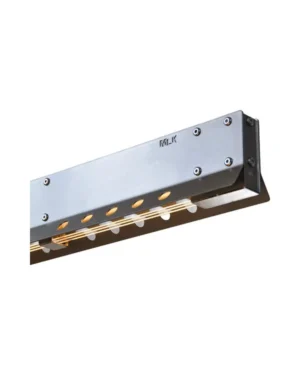
Tenfold 5 T Pendant Lamp in Stainless Steel and Aluminum
By Luft Tanaka Studio
€4.440 - €11.000 -
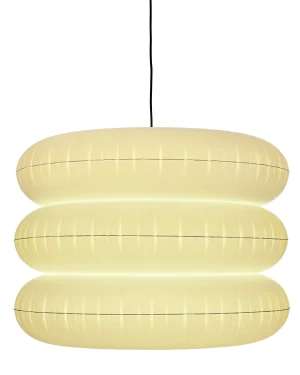 In stock
Big Puff Pendant Lamp in Polyurethane
By PUFF-BUFF
€550 -
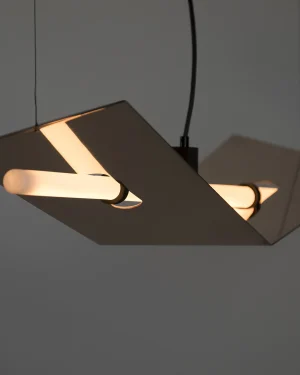
Bird of Prey Ceiling Lamp in Bronze
By Atelier Haute Cuisine
€3.700 -
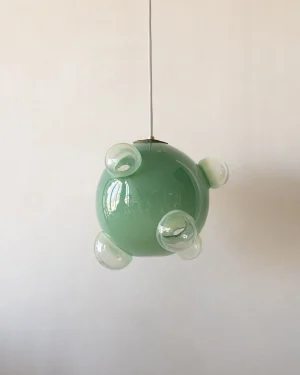 In stock
Bubble Pendant Lamp (Small) in Glass
By Sticky Glass
€2.480 -
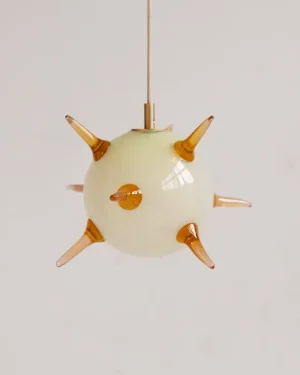 In stock
Pokie Pendant Lamp (Small) in Glass
By Sticky Glass
€2.664 -

Aria Red Dot Ceiling Lamp in Metal and Acrylic
By Saadia Design
€1.570 -
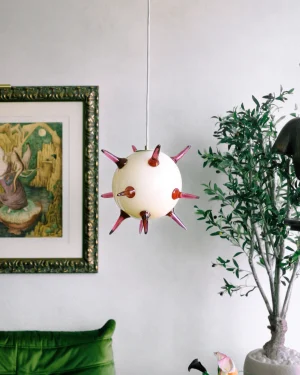
Pokie Pendant Lamp (Large) in Blown Glass
By Sticky Glass
€4.500 -
 In stock
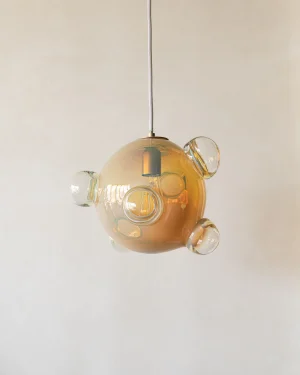
Bubble Pendant Lamp (Large) in Blown Glass
By Sticky Glass
€4.318 -
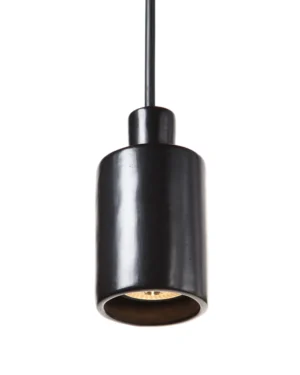
Can Pendant Lamp in Barro Negro
By Studio davidpompa
€225 -
 In stock
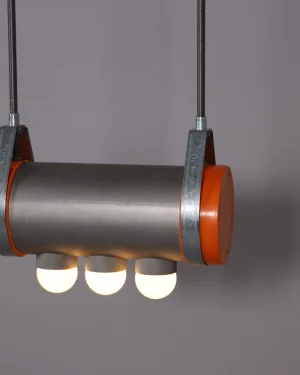
Three Bulb Upcycled Pendant Lamp In Raw Steel
By Nolan Talbot-Kelly
€2.100 -
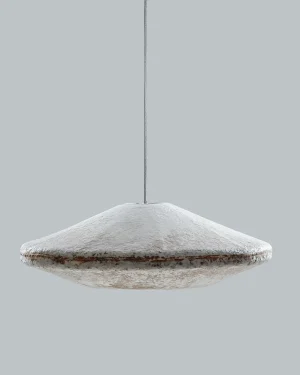 In stock
B Wise Pendant Lamp in Mycelium
By Myceen
Price Upon Request
Space age pendant lamps carry the rounded, optic forms that defined lighting design in the 1960s and early 1970s, when studios began treating a ceiling fixture less like a fitting and more like a small sculpture. Blown glass, metal and glazed ceramic are the materials most often behind the look, shaped into domes, globes and saucers that catch light rather than simply cast it. Each piece is made by an independent designer or studio, working by hand at the bench, the kiln or the furnace.
What gives the style its look
The style's rounded forms define space age pendant lamps more than any single material: a dome that echoes a helmet, a globe that reads as a planet, a saucer that tips toward flight. Finishes carry the same optimism forward — gold and chrome metal polished to a mirror, glass blown in amber, ruby, cobalt blue or emerald, ceramic glazed in beige or deep brown. The sheen is part of the design, throwing light sideways and up rather than flooding a room from above.
Materials, finishes and the ways they are made
Metal bodies are formed by metalwork and finished in gold or black. Glass shades are blown by hand, which means each one keeps faint variations in thickness and bubble that machine glass cannot fake. Ceramic shades are hand-built, then glazed and fired, giving them a softer hand than metal. Most pieces here are open editions, made to order rather than in one-off runs, so a studio can keep repeating a shade or color without reworking the design.
- Metal: brass or steel, chromed or lacquered, often finished in gold or black
- Glass: hand-blown, in amber, ruby, cobalt blue or emerald tones
- Ceramic: hand-built, glazed in beige, brown or deeper color
Choosing among space age pendant lamps
Scale comes first: a single large globe reads as a centerpiece, while two or three smaller domes hung in a row can do the same work with less visual weight. Hang height matters more with these lamps than with most, since the rounded shade is meant to sit at eye level, low enough to notice its curve and reflection but high enough to clear a head at the table. Match the finish to the room's other metal and glass — a gold shade echoes brass hardware, a dark ceramic one sits quietly against painted walls. For bare bulbs behind glass, check how much the shade lets through before fixing the drop.
Where they work in a room
These lamps suit any room already working a mid-century or futuristic palette, since the forms are frank about the decade they come from. They hang well over a dining table, a kitchen island or a low seating group, anywhere a glass or metal glow at eye level reads as a deliberate choice rather than a utility. Paired with plainer living room pendant lamps, one space age shade can carry the whole room's character on its own.
Caring for glass, metal and ceramic shades
Blown glass wants a dry cloth and a steady hand; sudden temperature change can crack a thin shade, so let a hot bulb cool before wiping it down. Metal finishes dull with handling oil and grit more than age, so a soft cloth and an occasional metal polish keep gold and chrome surfaces bright. Ceramic glaze resists most marks but chips at the rim if knocked, so hang it where it will not catch a reaching hand or a swinging door.
For the wider format, the full range of pendant lamps on ADORNO runs from plain single shades to multiplied rows, while every Space Age piece on the site extends the forms seen in space age pendant lamps into table lamps, mirrors and furniture. Those who want the look without the color can look toward metal pendant lamps or steel pendant lamps for a cooler, more industrial finish on the same rounded shapes.
How do I choose a space age pendant lamp?
Start with the form: a dome reads quiet and architectural, a globe draws the eye up, a saucer feels light and airy. Let the finish, glass, metal or ceramic, match the warmth or sheen already in the room.
What materials are space age pendant lamps made from?
Most are worked metal in gold or black, hand-blown glass in amber, ruby, cobalt blue or emerald, or glazed ceramic in beige or brown. Each material catches and throws light differently.
How do I clean and care for a space age pendant lamp?
Dust metal and glass with a soft, dry cloth to keep the sheen; avoid abrasive cleaners on plated or lacquered surfaces. Ceramic shades only need an occasional wipe with a damp cloth.
What size pendant and hanging height do I need?
Over a dining table, hang the shade so its base sits roughly 30 to 36 inches above the surface. In a stairwell or entry, leave at least 7 feet of clearance from the floor to the lowest point.
Which rooms suit a space age pendant lamp?
Their rounded, reflective forms work well as a single statement over a dining table or entry, or repeated in a row above a kitchen island or long console.
What happens if I need to return or exchange my order?
ADORNO offers a 14-day return policy, though made-to-order pieces are excluded. Shipping is insured and worldwide, and every order arrives with a certificate of authenticity.