-

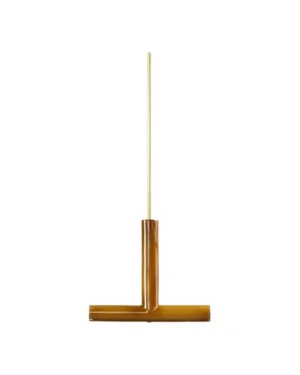
The Queen Ceiling Lamp in Gold-leaf and Rust Steel
By Mammalampa
€3.133 -
 In stock
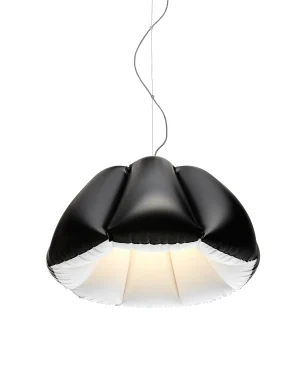
Orca Pendant Lamp in Galvanised Steel and PVC
By PUFF-BUFF
€430 -
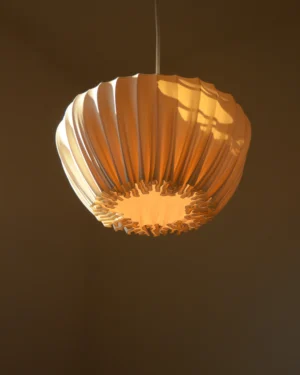
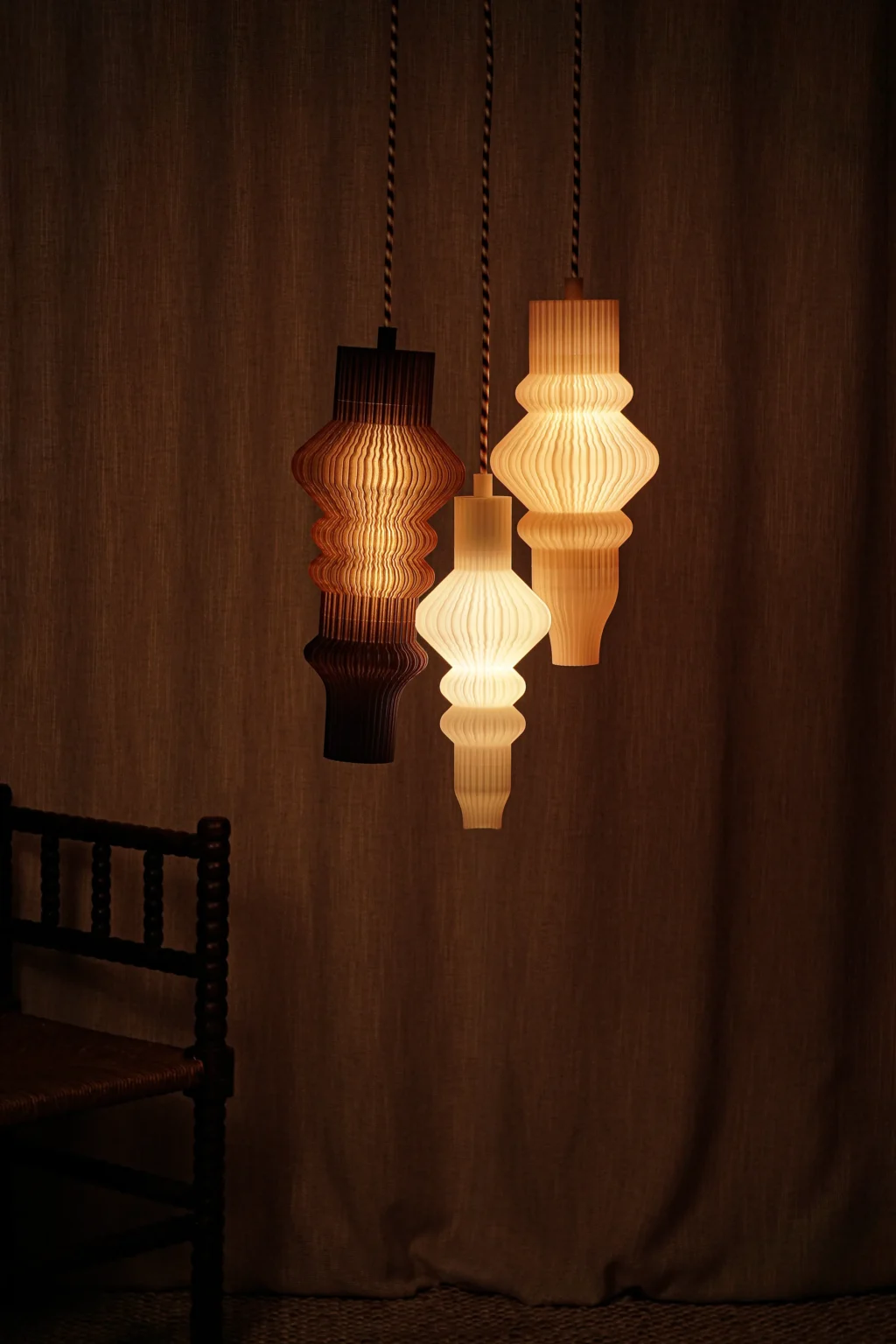
M 2 H Pendant Lamp In Bio Polymer
By diploria studio
€295 -
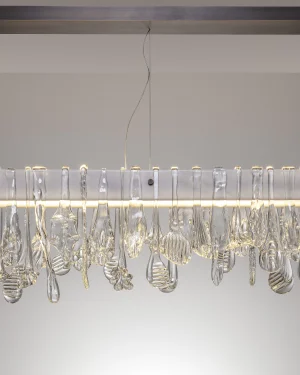 In stock
Pingente Pendant Lamp
By Carol Gay
€8.000 -
 In stock
H 3 Pendant Lamp In Bio Polymer
By diploria studio
€395 -
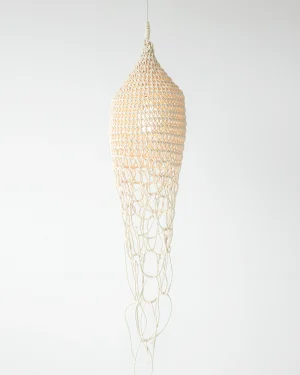
Meduse Pendant Lamp in Cotton
By Annie Legault
€700 -
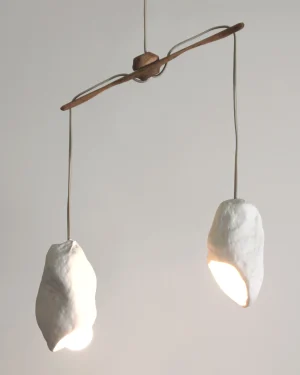
Maat Ceiling Lamp
By Dace Sūna
€1.200 -
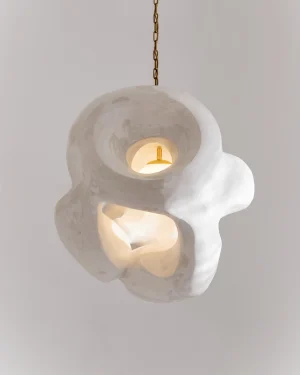
Ikigai Ceiling Lamp in Alabaster Gypsum
By Studio AOAO
€22.000 -

Fos 05 Pendant Lamp in Wood and Marble
By Daniel Orozco Estudio
€1.390 -

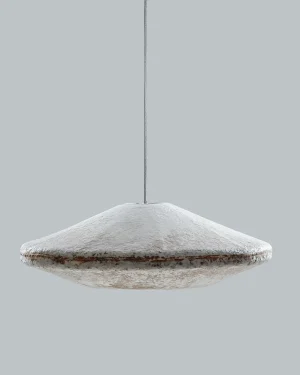
Ms Eclipse M (25cm) Pendant Lamp in Marbled Salts
By MARBLEDSALTS studio
Price Upon Request -
 In stock
B Wise Pendant Lamp in Mycelium
By Myceen
Price Upon Request
Coastal pendant lamps draw on the colors and surfaces of the shoreline, pairing marble, bioplastic, mycelium and natural textures with open or gently diffused light. The studios working in this style favor sandy whites, bleached ivories and soft grays, letting the material's own grain, glaze or weave carry the character of the piece. Shapes stay simple, so the texture of clay, glass or fiber does the work rather than ornament.
What defines the coastal look in a pendant
Coastal pendant lamps lean on raw or lightly glazed surfaces rather than polish. Bioplastic and mycelium shades hold the slight unevenness of material grown or printed rather than molded, and marble or rust-finished steel adds weight and texture. Color stays within sand, shell and driftwood tones, occasionally broken by a black cord or a brass fitting.
The range of materials and finishes
Within this style, makers reach for a wide set of techniques. Expect marble and bioplastic alongside textile work in cotton and other natural fibers, some biofabricated shades grown from mycelium for a matte, organic surface, and the occasional steel or gold-leafed frame used sparingly as structure rather than decoration. Editions vary: some shades come from open runs repeated by the studio, others are limited or unique, shaped in small batches by hand.
- Marble and marbled salts in pale, natural tones
- Bioplastic and mycelium shades in soft, organic forms
- Walnut and rust-finished steel details for warmth
- Mycelium-grown or other biomaterial shades with a raw, matte finish
- Steel or gilded fittings used as a quiet structural note
How to choose a coastal pendant lamp
Start with scale: a single coastal pendant lamp should sit roughly a third to half the width of the table or surface below it, so it reads as an object rather than disappearing above it. Hanging height depends on the room, but most kitchen and dining fixtures hang low enough to anchor the eye without blocking sightlines across the table. Over a stairwell or entry, a taller drop works better, letting the shade read from several angles.
Finish matters as much as shape. A porous ceramic or paper shade will soften and diffuse light, good for a room that wants warmth rather than task brightness, while open or textured shades cast patterned shadow across walls and ceiling. Match the fitting's metal, if any, to other hardware already in the room, whether that is a warm brass tap or a cooler steel rail.
Where coastal pendant lamps work best
These shades suit rooms that already lean toward natural materials: a kitchen with wood counters, a dining area near a window, a bedroom with linen and rattan furniture. Grouped in twos or threes, they define a kitchen island or a long dining table the way a single chandelier might in a more formal room. For broader ideas on pairing them with seating, case pieces or rugs in the same palette, coastal furniture and coastal lighting extend the same tones into other parts of a room.
Care for ceramic, glass and fiber shades
Ceramic and glass shades need only a dry or lightly damp cloth; avoid sudden temperature changes that can crack a glaze or thin-blown glass. Woven and fiber shades collect dust in their gaps, so a soft brush or low-suction vacuum attachment keeps the pattern clear without flattening the weave. Keep any biomaterial or mycelium shade away from damp, humid spots, since organic surfaces are more sensitive to moisture than fired clay or glass.
For the wider set of ceiling lights built as single shade, cord and source, see all pendant lamps, or look across every coastal piece on ADORNO to see how the same palette carries into seating, decor and lamps beyond the ceiling.
How do I choose a coastal pendant lamp?
Start with the material you want to live with daily: marble for a heavy, grounded look, bioplastic or mycelium for a soft, organic glow, or rust-finished steel for texture.
How do I care for a coastal pendant lamp?
Dust ceramic and glass shades with a dry or barely damp cloth, keep woven fiber away from damp rooms, and avoid harsh cleaners that can dull a glaze or fray natural fibers.
What size pendant lamp should I hang over a table or island?
A single shade or a row of two or three usually works above a table or island, hung so the bottom sits well above eye level; the maker can confirm exact sizing for a given piece through Chat with the maker.
Which rooms suit coastal pendant lamps?
Kitchens, dining tables and entryways take well to their open or diffused light, and bedrooms or reading corners suit a single shade hung low for softer, closer light.
Can I get a coastal pendant lamp made to order or in a custom size?
Some studios offer made-to-order or adjusted sizing on request; ask through Chat with the maker on the piece's page to confirm what is possible.
What are ADORNO's shipping, returns and authenticity policies?
Shipping is insured and worldwide, returns are accepted within 14 days except on made-to-order pieces, and every piece arrives with a certificate of authenticity alongside a lowest-price guarantee.